What Is Braided Reinforced Polyimide Composite Tubing?

Braided reinforced polyimide composite tubing is a multi-layer catheter shaft design. A braided reinforcement layer is set inside a polyimide wall. You get better torque response, kink resistance, pushability, and burst strength than with standard single-layer polyimide tubing. The design usually has three parts. A polyimide base gives the foundation. The braided reinforcement adds mechanical support. An optional lubricious liner improves surface performance. This combination creates a reinforced tubing system. The embedded braid gives strength that single-layer designs cannot match. You can choose a PTFE or other lubricious liner for catheter applications. These layers work together to handle demanding device requirements.
Key Takeaways
Braided reinforced polyimide tubing uses a polyimide base, a braided layer, and an optional slippery liner for better strength and flexibility.
The braid inside makes the tubing respond better to twisting. It also helps it resist kinks, push more easily, and handle higher pressure than single-layer tubing.
Polyimide offers high tensile strength, tight dimensional tolerances, and excellent thermal and electrical insulation.
Pick braided reinforcement when you need the most torque and burst strength. Pick coiled reinforcement when you want better kink resistance and flexibility.
Customize the tubing with laser machining and material choices to meet specific medical or industrial needs.
Braided Reinforced Polyimide Composite Tubing Defined
Layered Construction
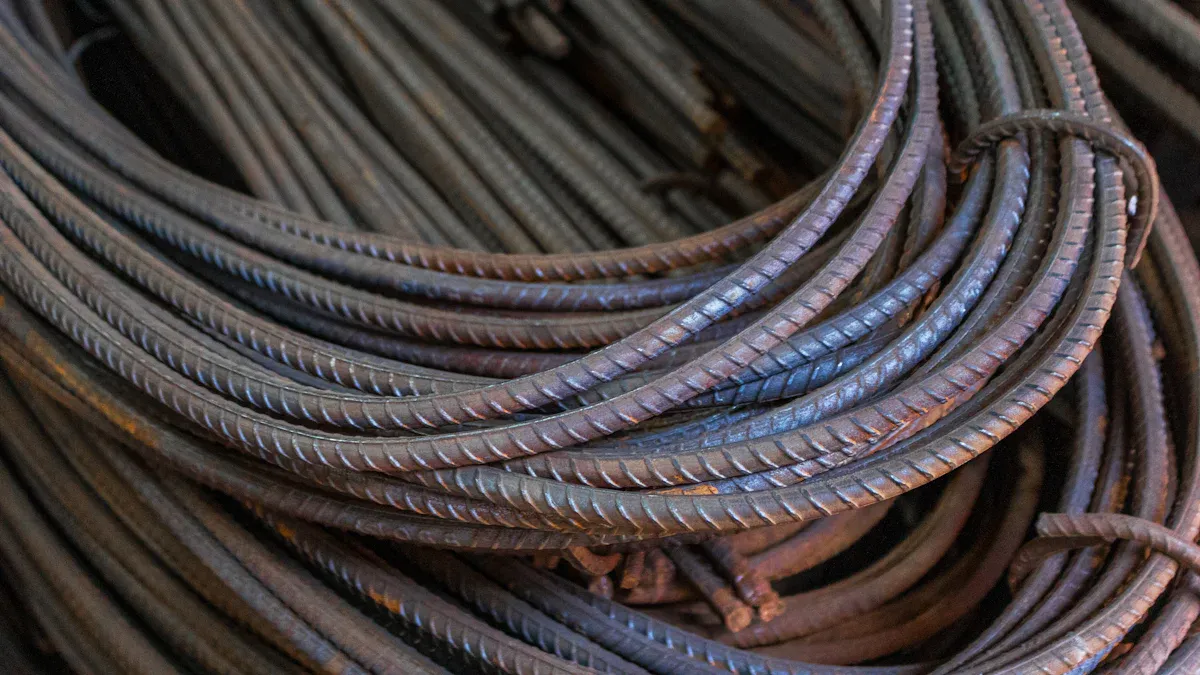
You can picture braided reinforced polyimide composite tubing like a sandwich of materials. The design puts a metal or fiber braid layer inside a polyimide wall. This is not just a simple coating or a layer pushed over the outside. The braid sits fully between polymer layers. This makes a reinforced tubing structure with four or more layers. The wire braid goes in the middle of the layer stack. It gives torque, tensile strength, and kink resistance. A low-friction layer can sit inside or outside the tube. A fusible thermoplastic outer layer may also be added. You can pick from many braid materials. Stainless steel, tungsten, nitinol, nylon, Kevlar, and LCP are common choices. Flat or round metal wire works well. Fiberglass, carbon fiber, PEN, and PET are also options. The jacket may be PA, PEBAX, TPU, PE, or polyimide. The liner may be PTFE, polyimide, PEEK, or other materials. A PTFE liner on the inner diameter cuts down friction. This lets other devices pass through with less resistance. Zeus reports that PI Glide, a polyimide/PTFE composite, can give up to 25% lower coefficient of friction. This matters for thin walled, braided, polyimide tubes used in complex procedures.
Performance Benefits
The embedded braid brings several mechanical gains. You get excellent torque response. Rotational force moves well from the handle to the tip. This is key for steerable catheters. Pushability also gets better. The tube moves through vessels with less buckling. Column strength goes up. Kink resistance goes up. Burst strength is better than single-layer polyimide tubing. These benefits come from the reinforcement layer working with the polymer wall. The polyimide base gives the tube its shape and insulation. The braid adds mechanical support. Together they create high structural integrity. An optional PTFE or lubricious liner can be added. This liner improves catheter and device performance. It lowers friction on the inner surface. You can also choose full-load or half-load braid patterns. Various PPI values are available. Coil configurations with various WPI are also an option. These choices let you fine-tune flexibility, stiffness, and torque control. For composite medical tubing, this layered approach solves problems that single-layer designs cannot. The result is a tubing system that handles demanding device requirements. Whether you build medical tubing or industrial parts, the composite structure gives you more control over final performance.
Why Polyimide Tubing Is the Base Material
Strength and Dimensional Stability
Polyimide gives you a strong starting point. This polymer has high tensile strength. The material also keeps tight dimensional tolerance. This precision helps performance stay consistent across production runs. The braid adds structural support on top of these properties. Together, the polymer and reinforcement make a composite with excellent structural integrity. You get both the base material's precision and the braid's mechanical backing.
Compare reinforced polyimide tubing with standard polyimide tubing. The standard version already has good strength and tight tolerances. The reinforced version builds on that foundation. The braid layer adds torque response and kink resistance. The polyimide base keeps the tube's shape and precision. This combination gives you a tubing system that handles complex procedures. You do not lose dimensional stability when you add reinforcement. Instead, you improve the base material's natural advantages. Thin walled polyimide tubing benefits most from this approach. You get a slim profile with reliable mechanical performance.
Thermal and Electrical Insulation
The polyimide layer does more than give strength. It also keeps thermal and electrical insulation inside the composite. This property is important for device engineering. Many medical and industrial tools need electrical isolation. The polyimide base provides that isolation without adding bulk. You can route electrical signals or power through the tubing while keeping the outer surface safe. The braid sits inside the wall and does not weaken this insulation. The polymer fully covers the reinforcement layer.
Thermal resistance is another key benefit. Polyimide stands up to high temperatures without losing its properties. This makes the tubing suitable for applications where heat is present. You can depend on the base material to protect sensitive components. The insulation stays intact even under thermal stress. For electrical isolation, the polyimide layer acts as a reliable barrier. You get consistent performance in demanding environments. This combination of thermal and electrical insulation with mechanical strength sets polyimide composite tubing apart from other options.
Braided vs. Coiled Reinforced Tubing
Catheter shaft design uses two embedded patterns. You choose between a woven mesh and a single-wire coil. Each pattern solves a different mechanical problem. Both let you adjust flexibility, stiffness, kink resistance, and torque control. The table below shows the main tradeoffs.
Aspect | Braided construction | Coiled construction |
|---|---|---|
Torque | Focuses on maximum torsional rigidity. | Delivers torque while staying flexible. |
Flexibility | Feels stiffer and less bendable. | Softer and easier to route. |
Collapse resistance | Not the main benefit. | Resists collapse and buckling with better kink protection. |
Burst pressure | Better than unreinforced. | Better than unreinforced. No standard number rating. |
Your shaft choice changes bonding, laser machining, and final assembly. A small change in wire geometry alters stiffness and torque response.
Braided Reinforcement Characteristics
Inside the polyimide wall, a woven mesh is placed. Strands run in two directions and cross each other. This mesh pattern sends torque well. When the proximal hub is turned, the mesh pushes rotational force down the shaft. The locked strands stop radial expansion. Braided designs give better burst pressure endurance than unreinforced designs.
The mesh may be made of stainless steel, tungsten, nitinol, nylon, Kevlar, or LCP. Designers pick a woven mesh when torsional rigidity matters most. The shaft is locked by the mesh; the tip responds accurately. Flexibility is the downside. A braided shaft feels stiffer than a coiled one. You can balance this with mesh density and crossover angle. A larger crossover angle adds stiffness. A smaller angle helps push. Full-load and half-load patterns alter flexibility. Many catheters use this pattern for a pushable proximal shaft.
Coiled Reinforcement Characteristics
A coil is a flat or round wire wound into a single helix. The wire never crosses over itself. This shape gives better kink protection. It also stops the tube from collapsing and buckling. If a vessel bends sharply, the coil holds the wall up and keeps the lumen open. You gain column strength for pushing through tight spaces. The coil stays flexible and maneuverable. It feels softer than a braided shaft, so routing through tortuous anatomy is easier.
The coil still supplies torque. You can steer the distal tip while the shaft keeps its shape. It also boosts burst pressure endurance. No standard number rating exists for burst pressure. The exact wire, wall, and dimensions set the performance. The coil focuses on an open lumen and kink resistance. A woven mesh focuses on torsional rigidity. Many advanced catheters use both methods.
Before you pick a braid, coil, or axial reinforcement, think about your device path. Each layer choice gives reinforced tubing with predictable performance. Braided and coil reinforcements handle different design problems. Compare flexibility, strength, torque, and kink resistance before you decide.
Manufacturing and Customizing Polyimide Tubing
Bonding and Laser Machining
Making this composite is hard. You have to glue unlike materials inside the wall. Metal and polymer surfaces have different energies and chemistry, so they don't stick by themselves. An engineered interlayer can solve this. The MediShield™ Tie-layer Coating sits between a metal substrate and a polymer component as a surface treatment. It holds both surfaces tight. It spans laser-cut hypotube slots and wire gaps in a reinforced shaft. It connects the metal structure to an inner polymer liner while keeping flexibility. The coating passes ISO 10993 testing and survives sterilization. That makes it a very reliable option for building medical tubing.
Machining the final shaft also needs care. You cannot harm the embedded reinforcement while cutting or drilling. UV lasers at 355 nm are a solution. Their single-photon energy beats the carbon-carbon bond energy, so the process is photochemical. This cold process breaks bonds directly without heat. Femtosecond lasers use another method. Their pulse duration is shorter than the electron-lattice relaxation period. The material leaves as plasma before energy can spread outward. Clean edges appear without thermal damage.
With a 20 W green femtosecond laser, a 100 µm hole can be drilled through the polymer wall and the crossing point of an embedded stainless steel braid. The hole keeps its quality and size. Its inner walls stay smooth and flat. This smooth finish stops fluid-flow disruption and prevents strength loss.
Application-Specific Customization
Laser processing lets you customize polyimide tubing for new medical device designs. You can make ports, skives, and selective layer removal without harming the reinforcement or weakening the wall. The same equipment handles intricate shapes that mechanical cutting cannot do reliably.
Surface performance also deserves attention; combining PTFE with polyimide improves lubricity for advanced catheter applications. A PTFE liner on the inner diameter cuts friction, so guidewires slide through easily. You can also adjust the tie-layer compliance to match the surrounding construction. This softness adjusts flexibility without hurting bond strength. The finished shaft hits your exact stiffness, torque, and lubricity goals.
Applications for Braided Reinforced Polyimide Composite Tubing
Medical Catheter Applications
In minimally invasive procedures, the shaft must perform predictably. Pushability moves the catheter through long, winding paths. The embedded braid gives that forward push. You also need crossability to get past tight lesions. Kink resistance keeps the lumen open during sharp bends. Braided reinforced polyimide composite tubing gives you all these traits in one single structure.
For steerable catheters, the tip must rotate accurately. Torque moves from the handle to the tip through the braid. The device turns without any unwanted twisting. The shaft keeps its shape because polyimide tubing provides dimensional stability. If that stability is missing, the braid stops working well. This combination lets high-precision medical catheters track smoothly over a guidewire. The composite wall resists buckling, so trackability improves. You can push, pull, and steer with confidence.
The inner liner matters a lot in high-precision medical tubing. Friction is reduced by a PTFE layer. Guidewires and balloons slide through more easily. This smooth surface helps medical catheters. For the braid, you can choose stainless steel, nitinol, or polymer fiber. Flexibility and stiffness change with each material. The result is composite medical tubing made for your exact clinical need. Every procedure becomes more predictable with this design.
Industrial and Specialty Uses
Outside the human body, this tubing also solves problems. High heat and electric fields are common in industrial equipment. Polyimide insulation blocks both. The braid adds mechanical strength without breaking that barrier. This durable tube protects sensors, wires, and fluid lines quite well.
Tight tolerances are still very valuable in industrial settings. Aligned parts reduce wear and failures. You can route the tube through tight packaging spaces. The reinforcement stops crush damage and resists repeated bending. Sensitive parts also get electrical isolation. The polymer wall blocks current leakage while the braid keeps the structure together. Actuators, probes, and wire harnesses fit these properties.
Braided reinforced polyimide composite tubing uses a stable polymer base, an embedded wire or fiber braid, and often a lubricious liner. Together these make a reinforced tube with superior mechanical performance. Braid pattern choice matters. Pick a braid for maximum torque response and burst performance. Pick a coil for collapse resistance and superior buckling performance. The base gives dimensional stability and insulation. The reinforcement layer adds mechanical support needed for demanding uses. For your specific device, check flexibility, kink resistance, torque response, strength, and lubricity. Every factor changes final performance, so match each layer to your clinical or industrial need.
FAQ
What makes this tubing different from standard polyimide tubing?
Standard tubing has just one polymer layer. This composite puts a braid inside the wall. The braid improves torque response, kink resistance, pushability, and burst strength. You keep the base material's precision and gain mechanical support that a single-layer tube cannot give.
Should you choose a braid or a coil?
Pick a braid when torque response and burst strength matter most. Pick a coil when you need collapse resistance and buckling performance. Both patterns let you adjust flexibility, stiffness, and kink resistance. Your device path and clinical needs decide the better fit.
Why does the polyimide base matter so much?
The base holds the tube's shape and tight tolerances. It also provides thermal and electrical insulation. The braid adds support, but the polymer keeps everything stable. Without that stable foundation, the reinforcement cannot work well.
Can you customize the finished tubing?
Yes. Laser processing makes ports, skives, and selective layer removal without harming the braid. A PTFE liner lowers inner friction. You can also adjust braid density, wire material, and tie-layer compliance to hit your exact stiffness, torque, and lubricity targets.
See Also
A Guide To Understanding FEP Tubing With 1.3:1 Shrink Ratio
The Manufacturing Process Of Nitinol Tubing For Medical Applications
Why FEP Dielectric Tubing Outperforms Other Insulation Materials
How Nitinol Tubing Is Transforming The Medical Device Industry

© Copyright 2024 My First Blog - All Rights Reserved.