Technical Analysis of PFA Catheter Engineering and Material Innovations

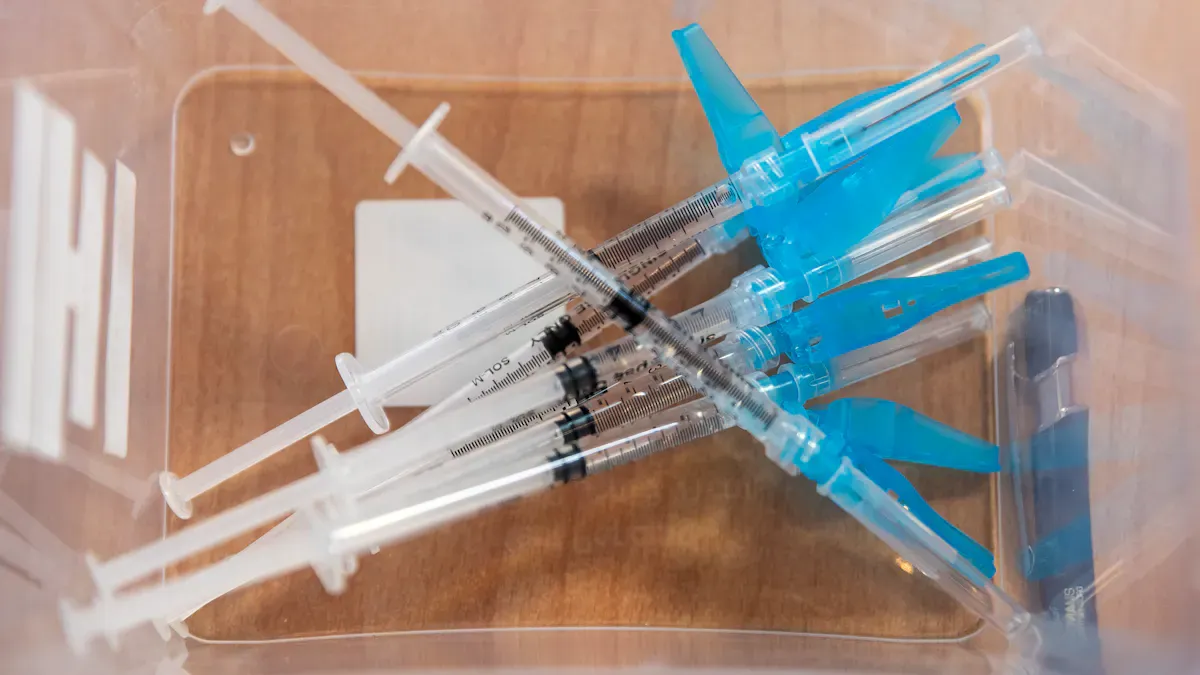
Engineering and material improvements in the pfa catheter from AccuPath help make atrial fibrillation treatment better. Doctors now see more safety and work faster, as clinical results show:
The middle time for pulmonary vein isolation is 105.5 minutes.
The total time using fluoroscopy is 5 minutes.
All patients had successful acute pulmonary vein isolation.
84.5% of veins stayed isolated after 3 months.
The main bad event rate is low at 3.0%, and only 0.7% is from the catheter.
Advancement | Description |
|---|---|
Nitinol cores | Shape memory and super-elasticity help doctors move the catheter exactly in the heart. |
E-plated electrodes | Special coatings help energy move well and give steady results. |
These new ideas give real value in clinics. They help both doctors and engineers get better results.
Key Takeaways
PFA catheters help treat atrial fibrillation better. They are safe and work well. Only 3.0% of people have problems with them. Pulsed field ablation gives energy in a careful way. This helps avoid hurting other tissues. Patients get better faster. New designs use multi-lumen tubes and braided reinforcements. These make the catheters easier to move. Doctors can treat heart problems more easily. Materials like PET and polyimide make catheters strong and safe. This means doctors can use them many times in hospitals. Catheter technology keeps getting better. This will make heart treatments safer and faster.
PFA Catheter Technology Overview
Pulsed Field Ablation Principles
Pulsed field ablation is a new way to treat heart problems. It uses strong electric fields to change heart tissue. This change is called irreversible electroporation. Unlike older methods, it does not use heat. This helps keep nearby tissues safe and lowers the chance of extra harm.
How well pulsed field ablation works depends on a few things. The shape of the electric pulses matters. It affects how cells are changed. The catheter helps spread the electric field evenly. It also keeps the area from getting too hot. Electroporation targets the myocardium. The catheter must touch the tissue directly to make good lesions.
Principle/Component | Description |
|---|---|
Waveform Design | The shape and length of pulses change how cells react. |
The catheter must move easily and send the electric field safely. | |
Electroporation Mechanism | Pulsed field ablation uses electroporation, not heat, to treat tissue and make lesions. |
For pulsed field ablation to work well, all parts must work together. The waveform, catheter, and generator must meet strict rules. This keeps the procedure safe and effective.
Role in Modern Electrophysiology
The pfa catheter is important in today’s heart labs. Doctors use pulsed field ablation to treat atrial fibrillation. This method is safer and more exact. The pfa catheter has a wide tip. This makes it steady during treatment. Both new and skilled doctors can get good results.
Pulsed field ablation uses electric fields to treat certain heart tissue. It keeps nearby parts safe. This is very important for pulmonary vein isolation. The pfa catheter helps place the energy right where it is needed.
Radiofrequency ablation uses heat, but pulsed field ablation does not. This lowers the risk of hurting other tissues. Patients have shorter treatments and heal faster. The pfa catheter helps by being easy to use and working well.
Note: Using pulsed field ablation with advanced pfa catheter technology is a big step forward. It makes treating atrial fibrillation safer, quicker, and more reliable for patients and doctors.
Engineering Innovations in PFA Catheter
Precision PI Tube Design
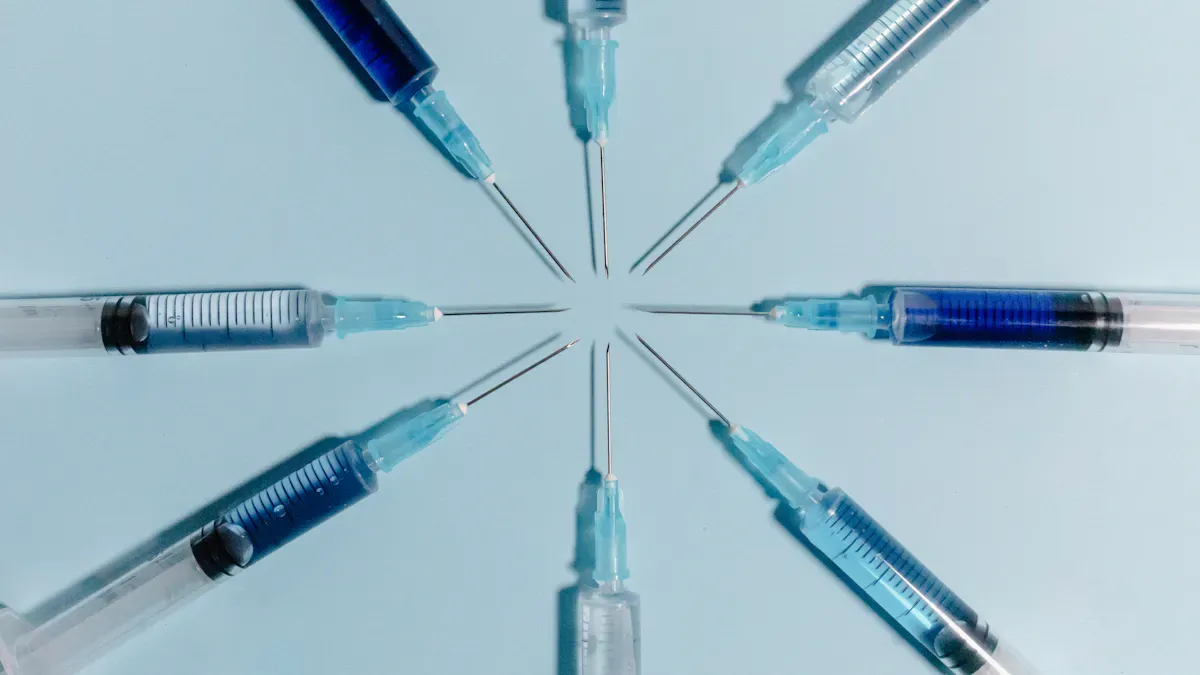
The pfa catheter uses a special design to work well. Engineers pick polyimide tubes with very exact sizes. These tubes help keep the catheter strong and safe. The wall thickness can only change by a tiny amount, about ±0.005mm. This helps the catheter send energy the right way every time. If the tube is too thick or thin, it could cause problems. The energy might leak out or not work right. That is why the size must be just right. Polyimide makes a tight seal. This keeps the heart tissue safe during pulsed field ablation.
Having very exact tube sizes is important for keeping the catheter safe and strong. This careful design helps the catheter work the same way each time, making sure the treatment is safe and works well.
Feature | Benefit |
|---|---|
Micron-level tolerance | Stops leaks and system problems |
PI material | Stays strong and resists chemicals |
Structural stability | Helps send energy the same way each time |
Multi-Lumen and Braided Reinforcement
New pfa catheters use more than one tube inside. This lets doctors see inside the body and send energy at the same time. Braided wires make the catheter bend and twist better. This helps doctors move the catheter exactly where it needs to go. Engineers use special liners and flat springs to stop the catheter from moving too much. This keeps the tip touching the heart tissue. The catheter can then send energy the right way. This helps make good lesions.
Multi-lumen shafts let doctors see and treat at once.
Braided wires help the catheter bend and turn better.
Wide flat springs help the catheter keep its shape. Thin springs help it twist better.
Bigger catheters use braids to push, but they cannot steer as well.
Using more tubes and braided wires helps the catheter work better. Doctors can treat the right spot and get better results.
Dynamic Tension and Maneuverability
Dynamic tension and pull wire chambers help the catheter move better. These features stop the "snake effect," which makes the catheter hard to control. The pull wire chamber lowers friction. This helps the tip stay on the right spot. Dynamic tension helps the catheter bend just right. This is important for touching the heart wall and sending energy.
The VARIPULSE Pro Platform makes the procedure faster. It controls how much fluid goes through and how the pulses are sent. New mapping systems, like the CARTO System, help doctors see and treat better. These new ideas help the catheter work the same way each time. This leads to better lesions and helps patients heal.
Innovation | Impact on Procedure |
|---|---|
Dynamic tension compensation | Stops snake effect, gives better control |
Pull wire chamber | Lowers friction, helps with accuracy |
Optimized pulse sequences | Makes good lesions more often |
Engineers keep making the catheter better. They focus on how it moves and bends. These changes help the pfa catheter work safely and well, so doctors can treat patients better.
Material Advances in PFA Catheter
PET Heat-Shrink Tube Properties
Engineers pick PET heat-shrink tubes for PFA catheters because they keep electricity safe. PET tubes hold their shape and fit tightly over the inside parts. This helps the catheter send energy safely during use. The material does not get damaged by cleaning chemicals, so the insulation stays strong. PET is also safe for the body and meets medical rules.
Property | Contribution to Insulation and Safety |
|---|---|
Mechanical Strength | Makes the catheter tough and dependable in hospitals. |
Dimensional Stability | Keeps the tube’s shape and helps it insulate better. |
Chemical Resistance | Stops damage from cleaning chemicals. |
Biocompatibility | Makes sure it is safe inside the body. |
PET tubes are better than many other materials. They are strong, clear for checking, and cost less. PET can take more heat than PVC. It also does not scratch as easily as elastomers.
Chemical Resistance and Biocompatibility
Choosing the right material is important for PFA catheter safety. PTFE and ePTFE are used a lot. These materials do not get ruined by strong chemicals or cleaning. They are safe for the body and do not cause bad reactions.
PTFE and ePTFE help stop blood clots and infections.
PFAS coatings make the surface smooth, so there is less pain and damage.
These materials help the catheter work well for a long time.
Good materials help the catheter last and keep patients safe. Strong pulmonary vein isolation needs stable materials. Catheters with good insulation and electrode design lower the chance of problems like bubbles or blockages.
Mass Production and Assembly Solutions
Making lots of PFA catheters can be hard. PET heat-shrink tubes and multi-lumen PI tubes make building them easier. These ideas save space inside and keep insulation working well. The design also saves time and helps stop insulation from breaking when wires go in.
PET tubes make it easy to check the inside during building.
Multi-lumen designs help put wires in the right place.
Simple steps make the catheters more alike and better.
By using smart materials and good design, 脉通AccuPath makes many safe catheters. Each one meets high safety rules.
Clinical and Manufacturing Impact
Safety and Efficacy Improvements
PFA catheter technology has changed how doctors treat heart problems. The pulse generator sends energy very accurately. This helps keep healthy tissue safe. Doctors see good results when they use it. The ADVENT trial shows PFA is as safe and works as well as old methods. Patients spend less time in surgery and have fewer problems. The table below shows how PFA and thermal ablation compare:
Metric | PFA (1 year) | Thermal Arms (1 year) |
|---|---|---|
Recurrence Rate | 73.3% | 71.3% |
Silent Cerebral Emboli | 10% | 0% |
Procedure Time | Shorter | Longer |
Doctors trust the pulse generator to make steady lesions. This helps people with atrial fibrillation feel better.
Streamlined Production and Quality Control
Manufacturers have made PFA catheters easier to build. The pulse generator uses pure resins that flow well. This helps control wall thickness and makes the surface smooth. The Tie Layer makes the bond stronger, up to 2.5 times more. This stops the liner and jacket from coming apart. Here are some quality control improvements:
The Tie Layer keeps the liner from separating.
Fewer recalls and lower inspection costs help companies save money.
Production is faster and more dependable.
These steps make sure every pulse generator is safe for use in clinics.
Future Directions in PFA Catheter Development
The future of PFA catheter engineering looks promising. Engineers work to make the pulse generator even more accurate. They pick materials like polycarbonate and polyphenylsulfone to make it last longer. Modular designs will help companies make new products quickly. Bigger multi-electrode catheters and simpler designs will be important next. Research teams meet to talk about device engineering, clinical trials, and rules. They want to make heart treatments safer and better for everyone.
Ongoing research and teamwork will bring new ideas for pulse generator technology and clinical use.
New engineering and material ideas in PFA catheters help doctors and hospitals. These changes make treatments work better and make building catheters easier. The table below shows how these features help:
Feature | Clinical Benefit |
|---|---|
Enhanced design principles | Improved safety and effectiveness |
Non-thermal energy delivery | Reduced complications and shorter procedures |
Broad tip and electric field control | Consistent results and greater operator confidence |
Doctors and engineers work together to make catheters better. This teamwork helps make safe and strong devices. Testing and studies help change energy settings and electrode designs. Using new catheter technology helps patients get the best care and stay healthy for a long time.
FAQ
What makes the PFA catheter’s membrane unique?
The membrane is made from polyimide and PET. Engineers pick these for strong insulation and chemical safety. The membrane keeps electrical pulses safe during use. Doctors know the membrane works the same every time.
How does the membrane improve maneuverability?
The membrane works with multi-lumen and braided parts. This design lets the catheter bend and twist easily. Doctors can move the catheter to the right spot. The membrane helps it touch the wall exactly.
Why is membrane durability important in cardiac procedures?
Strong membrane materials fight off chemicals and stress. The membrane stays tough even after many uses. It does not break down and keeps patients safe. The membrane helps the catheter last a long time.
How does the membrane affect pulmonary vein isolation outcomes?
The membrane gives steady insulation for energy delivery. It helps doctors do pulmonary vein isolation well. The membrane stops electrical leaks. It helps make better lesions and helps patients heal.
What role does the membrane play in mass production?
The membrane makes building catheters easier with multi-lumen PI tubes. It saves space inside and keeps insulation strong. The membrane cuts down work time and damage risk. It helps every catheter have the same good quality.
See Also
Latest Developments in Etched PTFE for Catheters
Three Key Advantages of Etched PTFE Over Alternatives
Future Innovations in PTFE Liners for Medical Applications

© Copyright 2024 My First Blog - All Rights Reserved.