How heat shrink tubing is applied in neurovascular coil delivery catheters

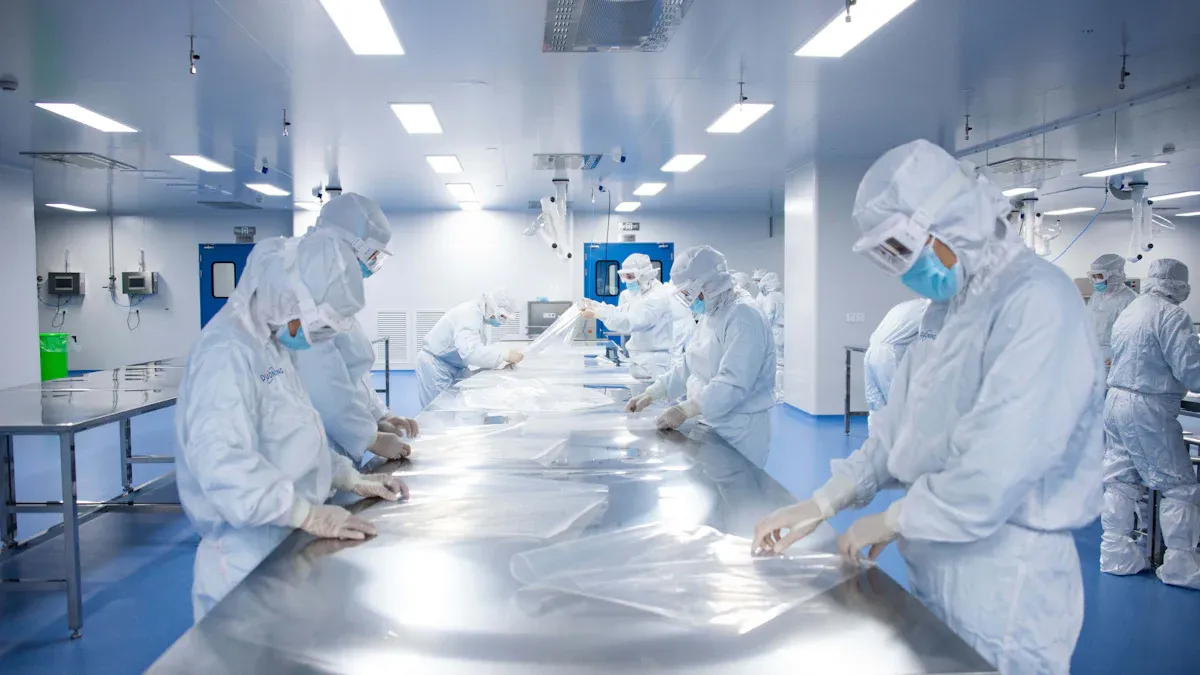
You use a Neurovascular Coil Delivery Catheter Heat Shrink tubing to cover the shaft of a neurovascular coil delivery catheter. This step keeps the catheter safe and ensures a smooth surface. By choosing polyester or peelable heat shrink tubing, you can make the device smaller and enhance its performance. The strong heat resistance of the Neurovascular Coil Delivery Catheter Heat Shrink keeps the catheter safe during high-temperature procedures. Additionally, tight tolerances in the design help prevent errors and improve functionality.
Aspect | Benefit |
|---|---|
Heat Resistance | Keeps shape during very hot steps |
Biocompatibility | Safe to touch tissue directly |
Tight Tolerances | Makes the device more accurate and work better |
Key Takeaways
Heat shrink tubing keeps neurovascular catheters safe. It makes the surface smooth and keeps the shape strong.
Picking good materials, like polyester or peelable tubing, helps catheters work better and stay safe.
Checking the tubing for gaps or wrinkles is very important. This keeps the device strong and trustworthy.
Peelable heat shrink tubing lets catheters get smaller. This makes it easier to move through tight blood vessels.
Doing the steps the right way gives a tight fit. It also makes the catheter better overall.
Neurovascular Coil Delivery Catheter Heat Shrink: Role and Benefits
Structural Integrity and Protection
Neurovascular coil delivery catheter heat shrink covers braided shafts, spring coils, and marker bands. This tubing forms a tough layer that keeps the catheter safe from harm. Structural integrity is very important in neurovascular catheters. The tubing sticks the base liner, braiding, and jacketing together. This keeps the catheter steady and stops weak spots from forming. The heat shrink tubing melts the jacketing so all parts stay together. The tubing protects delicate areas from nicks and scratches during making. Using tubing with tight tolerances makes the structure stronger. The catheter will not break or bend when used. Structural integrity keeps the device safe inside the body. A strong catheter helps doctors place coils exactly where needed. Checking for structural integrity at every step keeps patients safe.
Tip: Always look at the tubing for gaps or uneven spots. This helps keep the structure strong and stops the device from failing.
Role of Heat Shrink Tubing | Description |
|---|---|
Simplifies Manufacturing | FluoroPEELZ™ makes catheter building easier, speeds up production, and gives more finished products. |
Enhances Safety | The product makes things safer by stopping nicks during manufacturing. |
Improves Visual Inspection | Clear tubing lets you see inside during reflow, so you can check quality. |
Bonds Components | Heat melts the jacketing, sticking the base liner, braiding, and jacketing together for better strength. |
Smooth Transitions and Edge Coverage
The catheter needs to move smoothly through blood vessels. Neurovascular coil delivery catheter heat shrink makes soft changes between parts of the catheter. Tubing covers sharp edges and joints so nothing snags. The tubing fits tightly around spring coils and marker bands. This stops rough spots that could hurt tissue. Heat shrink tubing makes a smooth surface. Covering every edge makes the structure stronger. The tubing should not leave any gaps or bumps. Smooth transitions help doctors guide the catheter without trouble. Edge coverage keeps the device and patient safe. Structural integrity keeps the catheter strong while it moves. You must check the tubing for problems that could hurt the structure.
Miniaturization with Peelable Heat Shrink Tubing
Peelable heat shrink tubing helps make catheters smaller and bendy. This tubing lets you make tiny guide wires and thin microcatheter shafts. Making things smaller helps doctors get through tight and twisty blood vessels. Peelable heat shrink tubing peels off easily after shrinking. This makes building the catheter simpler and saves money. It also helps make more catheters faster. Structural integrity keeps small devices strong. Small catheters need extra support so they do not bend or break. Peelable heat shrink tubing keeps tiny devices strong. The tubing must fit just right and not add bulk. Miniaturization helps doctors reach hard-to-get places in the brain.
Benefit | Description |
|---|---|
Miniaturization | PHST lets you make smaller catheters, which is important for tricky blood vessels. |
Cost Reduction | It lowers costs for makers by making assembly easier. |
Enhanced Productivity | It helps make catheters faster and with fewer checks. |
Application | Good for tiny guide wires and thin microcatheter shafts, which are needed for neurovascular work. |
Note: Peelable heat shrink tubing helps make things smaller and keeps them strong. You can use it for advanced neurovascular catheters that must fit in small spaces.
Neurovascular coil delivery catheter heat shrink is important for strength, smooth changes, and making things smaller. Peelable heat shrink tubing makes devices smaller but still strong. Checking every step keeps the structure strong and patients safe.
Application Process of Heat Shrink Tubing
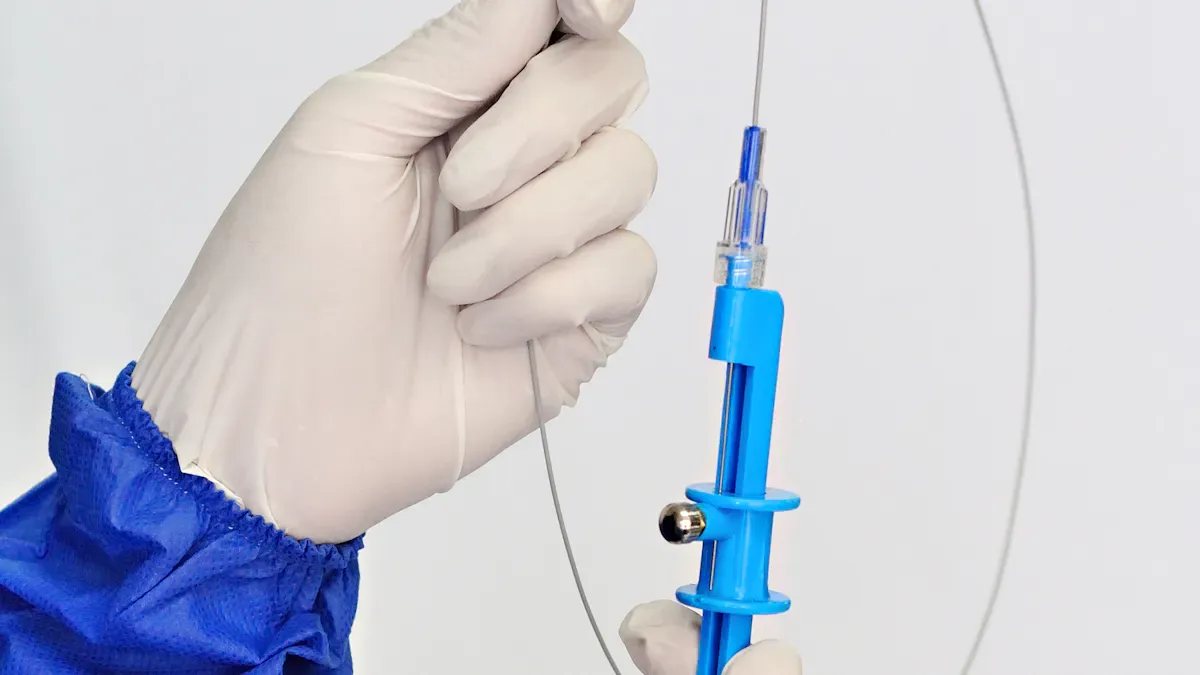
Selection and Preparation
You need to pick the right heat shrink tubing. The tubing must fit your catheter’s size and shape. This step stops gaps or loose spots from happening. Always use medical-grade tubing to keep patients safe. High-shrink ratio phst gives a tight fit and strong support.
Follow these steps to get ready:
Choose a mandrel that matches your catheter.
Put the mandrel in place so it stays steady.
Heat the catheter tip to make it soft and fit the mandrel.
Use heat shrink tools to give controlled heat. This makes the tubing fit tight and makes it stronger.
Check the tubing for damage before you start. Clean the catheter and tubing to remove dust or oil. Good preparation stops problems later. Check the tubing’s length and wall thickness. High-shrink ratio phst can fit even tiny parts of the catheter. Peelable heat-shrink tubing lets you remove it easily after shrinking. This is helpful for advanced neurovascular techniques.
Tip: Always use medical-grade tubing for high-performance catheter systems. This keeps your device safe and reliable.
Positioning and Heat Application
Put the heat shrink tubing over the catheter carefully. Make sure it covers all joints, marker bands, and spring coils. No part should be left uncovered. Keep the tubing straight and smooth. Wrinkles or folds can make the device weak.
Use a heat gun or reflow oven to apply heat. The best temperature is about 150°C (302°F). Use steady, even heat so you do not burn or melt the tubing. Move the heat source slowly along the tubing. This helps the tubing shrink evenly and stick to the catheter. High-shrink ratio phst gives a tight, secure fit. The tubing wraps tightly around the catheter and makes a strong bond.
Watch the tubing as you heat it. Look for signs that it is shrinking and fitting well. If you see bubbles or gaps, stop and fix them before you go on. Good application makes strong, smooth catheter delivery systems.
Note: Always follow the manufacturer’s instructions for heat application. This keeps your device safe and strong.
Inspection and Quality Control
After you finish, check the catheter carefully. Look for gaps, wrinkles, or uneven spots in the tubing. Good inspection helps you find problems early. Use a magnifier or microscope to check small details. Make sure the tubing covers all edges and joints.
Test the bond strength by bending and twisting the catheter gently. The tubing should not move or peel off. If you use high-shrink ratio phst, check that the tubing fits tight and does not add extra bulk. Medical-grade tubing should stay smooth and clear. Clear tubing lets you see inside and check for problems.
Keep a record of your inspection results. This helps you track quality and improve your process. Good quality control keeps catheter systems safe for patients. In neurovascular techniques, even small problems can cause big risks. Careful inspection and testing help you avoid device failure.
Inspection Step | What to Check For |
|---|---|
Visual Inspection | Gaps, wrinkles, or bubbles |
Bond Strength Test | Tubing stays in place |
Coverage Check | All edges and joints are covered |
Clarity | Tubing is clear and smooth |
Always check your work at every step of the application process. This keeps your catheter manufacturing safe and reliable.
You can make strong, smooth, and safe catheters by following these steps. Careful selection, precise positioning, and thorough inspection help you build devices that work well in neurovascular procedures.
Material Considerations for Catheter Heat Shrink Tubing
Polyester and Peelable Heat Shrink Tubing
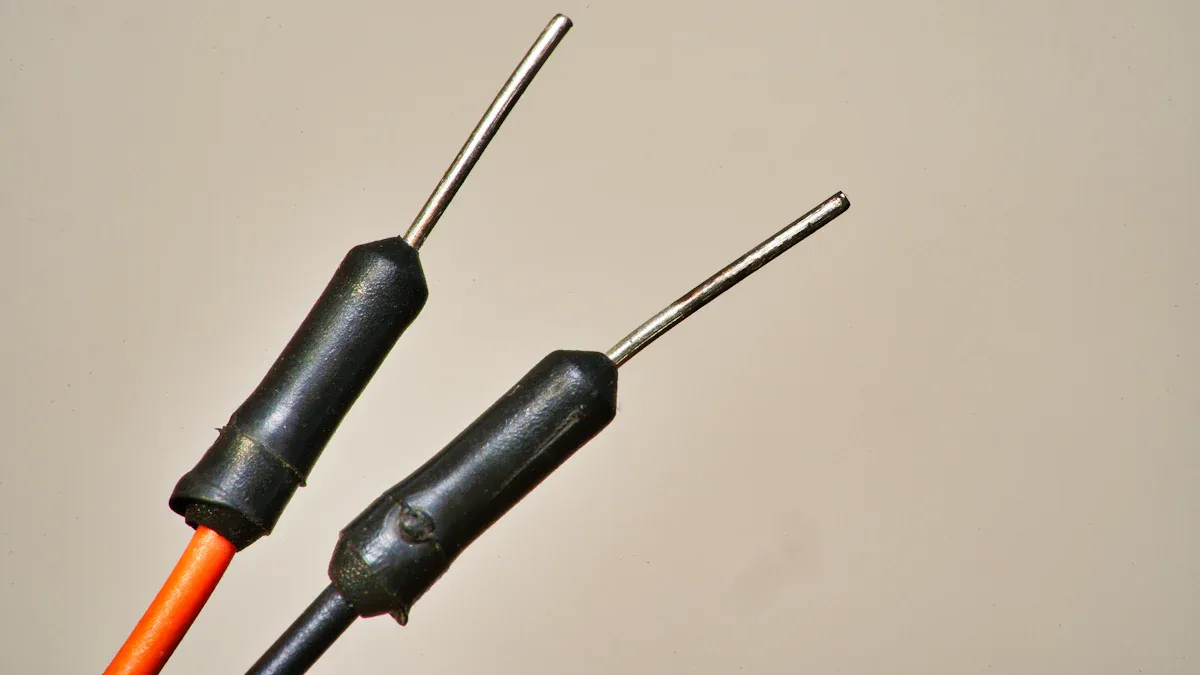
It is important to know how polyester and peelable heat shrink tubing are different. Polyester tubing gives strong support. It works well for most heat shrink jobs. Peelable heat shrink tubing, like PolyPeel™, has special features for advanced catheter designs. It has very thin walls and tight tolerances. You can take it off easily after shrinking. This makes your work faster and helps you build smaller devices.
Feature | Peelable Heat Shrink Tubing (PolyPeel™) | Standard Polyester Heat Shrink Tubing |
|---|---|---|
Material Composition | PFAS-free | May contain PFAS materials |
Ease of Removal | Easily removable | Not designed for easy removal |
Wall Thickness | Ultra-thin walls (as thin as 0.00025") | Standard thickness |
Recovery Temperature | Low recovery temperature (as low as 85ºC) | Higher recovery temperature |
Tolerance | Tight ID tolerances (+/-0.001") | Standard tolerances |
Applications | Masking, bundling, protecting | General heat shrink applications |
Peelable tubing helps make devices smaller. It supports advanced catheter designs. You can use it for microcatheters and guide wires that need to be the right size.
Biocompatibility and Heat Resistance
You must pick tubing that meets strict biocompatibility rules. Medical-grade tubing uses safe and non-toxic materials. It is safe for touching tissue. You do not use silicone. You pick tubing that meets REACH and RoHS rules. This keeps your device safe for patients.
Heat resistance is also very important. Polyimide tubing gives high strength and stays stable in heat. It keeps its shape during sterilization and tough procedures. You can trust it to work under heat, chemicals, and stress. This makes your catheter safe and reliable for medical use.
Tip: Always check for biocompatibility and heat resistance when picking tubing for neurovascular coil delivery catheters.
Sizing and Wall Thickness
Sizing is important when making advanced catheter designs. You need tubing with tight tolerances and very thin walls. This helps you make catheters as small as 1 Fr. You can also make microcatheters with outer diameters as small as 0.026 inches. Thin wall tubing bends easily and moves well. It helps you get through tricky blood vessels. Thinner walls also stop damage when stretching and help the jacket resin stick better.
Specification Type | Measurement |
|---|---|
Interior Diameter | as small as 0.004 inch ±0.0005 inch |
Wall Thickness | as thin as 0.005 inches |
Catheter Size | as small as 1 Fr |
Microcatheter Outer Diameter | as small as 0.026 inches |
Microcatheter Inner Diameter | as small as 0.014 inches |
Minimum Wall Thickness | as small as 0.005 inches |
You must pick the right size and wall thickness. This makes sure your catheter works well. It helps you deliver neurovascular coils safely and easily.
You get many good things when you use heat shrink tubing in a catheter. It helps the catheter work better and makes it more accurate. The tubing covers all parts, so the catheter stays strong and smooth. Picking the right materials helps the catheter last longer and work well. Studies say that how strong the tubing is and if it is safe for the body are both important for using catheters in blood vessels. You must follow careful steps to put on the tubing. This helps you make good medical devices.
New peelable heat shrink tubing helps make smaller catheters and makes them work better.
Peelable tubing lets you build tiny catheters for hard-to-reach blood vessels.
The best shrink ratio means you need fewer steps and spend less money.
Very small tubing helps you get to tricky places with more control.
You check each catheter to make sure it is accurate and works well. You use good medical devices and do things the right way. You look at the tubing for any holes and test if it sticks well. You keep your catheter safe and ready to work its best.
FAQ
What is heat shrink tubing used for in neurovascular catheters?
Heat shrink tubing covers the catheter shaft to protect it. It makes the surface smooth and connects parts tightly. This helps the catheter work better and keeps it safe.
How do you choose the right heat shrink tubing?
You pick tubing by looking at size, material, and wall thickness. Medical-grade tubing is safe and works well. Peelable tubing helps make smaller devices for hard blood vessels.
Can you remove peelable heat shrink tubing after shrinking?
Yes, you can take peelable tubing off without trouble. It saves time and helps you make microcatheters. You do not need special tools to remove it.
Why is biocompatibility important for heat shrink tubing?
Biocompatibility means the tubing is safe for people. You use tubing that will not hurt tissue. Medical-grade tubing follows strict safety rules.
What problems should you check for after applying heat shrink tubing?
You look for gaps, wrinkles, or bubbles in the tubing. You bend the catheter to test if it stays strong. Clear tubing lets you see inside and find problems.
See Also
Exploring Heat Shrink Tubing Applications for Electrical Insulation
Enhancing Neurosurgical Catheter Performance with FEP Shrink Tubing
Constructing Multi-Layer Catheters Using Medical Grade FEP Tubing
The Importance of Gamma Radiation Resistant Tubing in Medical Devices

© Copyright 2024 My First Blog - All Rights Reserved.