What is Ultra Thin Wall Heat Shrink Tubing and How is it Used

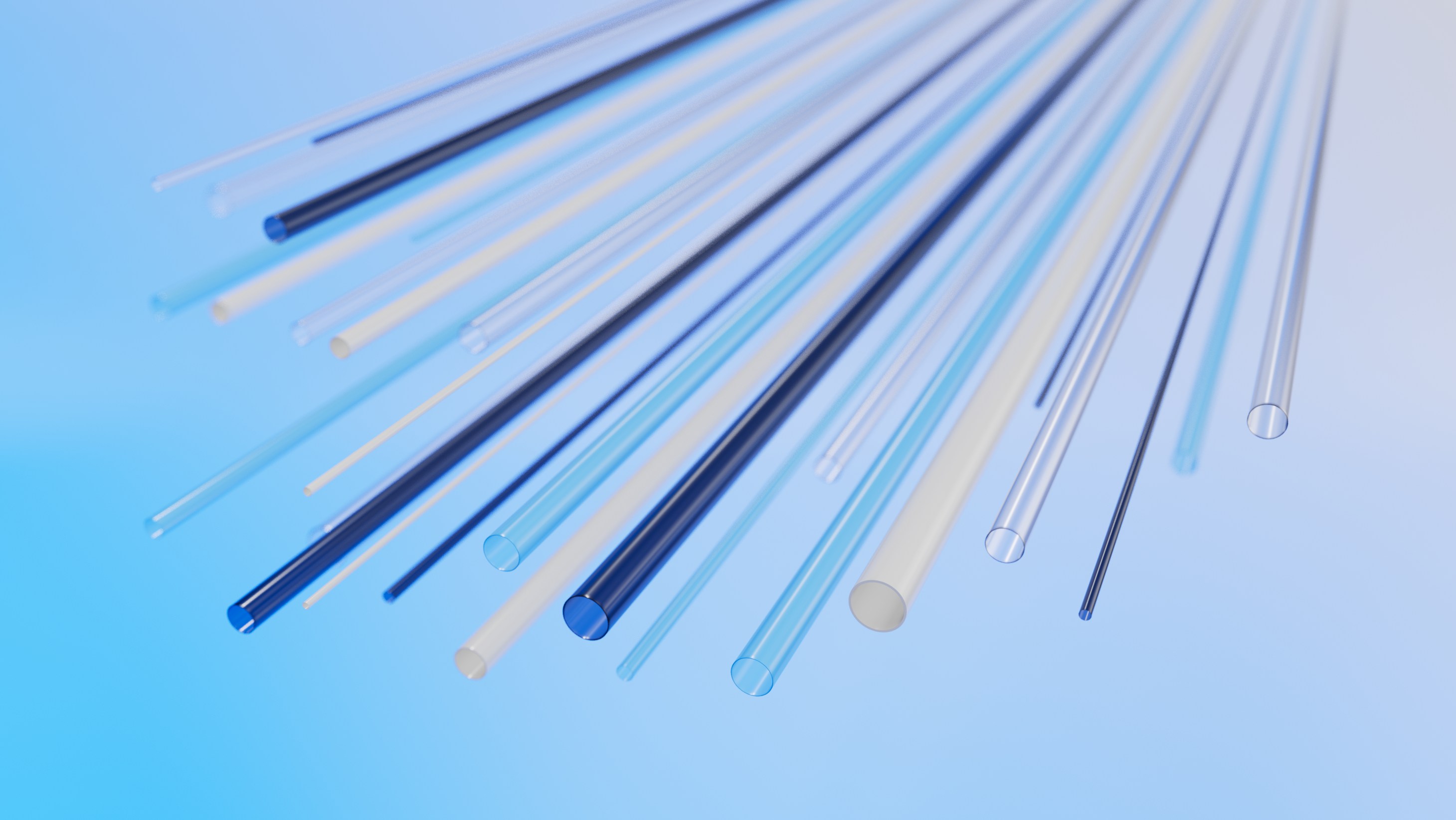
Ultra thin wall heat shrink tubing uses PET material. It makes a thin cover around things. The walls can be as thin as 0.15 mm. Look at the table below to see its main jobs and features:
Definition | Core Functions |
|---|---|
Ultra thin wall heat shrink tubing is made from PET. It shrinks tightly around items. | It gives steady shrinking. It has smooth surfaces. It fits tight sizes for delicate devices. It helps with sealing, holding, and electrical work. |
People use ultra thin wall heat shrink tubing in medical and electrical fields. It covers laser-cut hypotubes and braided catheter shafts. It makes balloon catheters stronger. It stops braids from coming apart. It acts as electrical insulation because it has high dielectric strength.
Key Takeaways
Ultra thin wall heat shrink tubing is made from PET material. It gives strong insulation but does not make things bulky. This tubing bends easily and can cover small devices. It is great for medical and electrical uses. You must install it the right way. Always clean the surfaces first. Use the correct heat source to make it fit tightly. Pick the right size of tubing for your job. If you choose the wrong size, it may not fit well or protect enough. Measure carefully before you cut the tubing. Ultra thin wall tubing follows safety rules. This makes it safe to use in places like hospitals.
Ultra Thin Wall Heat Shrink Tubing Overview
What is Ultra Thin Wall Heat Shrink
Ultra thin wall PET shrink tubing is used when you need a cover that does not add much size. This tubing makes a tight and thin layer around wires or devices. It is often found in places where space is important, like inside medical tools or small electronics. The main job of ultra thin tubing is to give insulation and protection without making things bigger or heavier. When you heat the tubing, it shrinks and fits closely to the object. This is good for delicate work where every millimeter matters.
Unique Features of Ultra-Thin Tubing
Ultra thin wall PET shrink tubing is special because it is very flexible and has a thin wall after shrinking. You can bend and shape it easily. This helps you cover small or tricky parts. The tubing uses PET material. This gives it a smooth surface and steady shrinking. It also has high dielectric strength, so it works well for electrical insulation.
Let’s see how ultra thin tubing compares to thick wall tubing:
Feature | Thin Film (Ultra Thin Wall) | Thick Film (Standard) |
|---|---|---|
Wall Thickness | Thin wall after shrinking | Much thicker outer wall |
Flexibility | Very flexible, easy to install | Not as flexible, made for strength |
Material Composition | Standard flame-retardant polyolefin | High-density cross-linked polyolefin |
Mechanical Protection | Not much protection from damage | Strong resistance to scratches and hits |
Environmental Resistance | Usually resists weather | Great at stopping moisture from getting in |
Applications | Electronics, car wiring | Outdoor, underground, and tough jobs |
You pick ultra thin wall PET shrink tubing when you want less bulk and more flexibility. Thin wall heat shrink tubing gives enough protection for sensitive parts. It does not have the strong toughness of thick tubing, but it is light and simple to use. Thin wall tubing also helps keep devices small and efficient. If you work with medical devices or electronics, ultra thin tubing is good for safety and saving space.
Key Properties of Ultra-Thin Wall PET Shrink Tubing
Material and Dielectric Strength
Ultra-thin wall PET shrink tubing uses special materials to give strong insulation and protection. PET is much thinner than regular tubing, but it is also much stronger. This makes it great for covering small parts without making them bigger. The tubing is light but still tough. Its dielectric strength is over 4,000 V/mil. This means it can stop electricity from leaking out. You can use it for both medical and electronic jobs. PET tubing also does not let water or chemicals get in, so it works well even in hard places.
Material Type | Properties | Performance Impact |
|---|---|---|
Crosslinked Polyolefin | UV resistant, self-extinguishing, not halogen free | Offers durability and protection in various applications. |
Fluorinated Ethylene Propylene | Controlled shrink process, ideal for release layers | Provides precision in applications requiring specific shrink ratios. |
10 to 100 times thinner than standard tubing, up to 10 times stronger | Enhances strength and reduces bulk in applications, especially in healthcare. |
Flexibility and Surface Quality
Ultra-thin wall PET tubing bends easily and fits over tricky shapes. This helps cover tiny parts like microcatheters or brain catheters. The smooth surface keeps dirt and germs away, which is important for medical tools. Chemical treatments can make the tubing even stronger and better at protecting. PET tubing also fights off scratches and chemicals, so it lasts a long time and keeps things safe.
Type of Tubing | Flexibility Level | |
|---|---|---|
Ultra-thin wall PET | Enhanced | Small, detailed catheter designs (e.g., brain or microcatheters) |
Standard PET | Balanced | General catheter applications requiring good flexibility but not extreme precision |
Benefits for Delicate Devices
Ultra-thin wall PET shrink tubing helps a lot when you work with tiny or delicate devices:
It protects sensitive parts and keeps them safe.
It stays flexible, which is good for detailed designs.
It meets safety rules for medical use.
It stops water, scratches, and chemicals from hurting your device.
It lets you make slim and light designs.
It fits tightly over things like hypotubes and coils.
It bends to fit tricky device shapes.
PET tubing meets ISO 10993 and USP Class VI rules, so it is safe for medical and electronic uses. It can handle heat, radiation, and chemical cleaning without losing its shape or strength. You can trust ultra-thin PET tubing to give strong insulation, fight off chemicals, and last a long time in tough places.
How Ultra Thin Wall Heat Shrink Works
Shrink Process Explained
You might wonder how ultra thin wall heat shrink tubing works. The process starts before you even use the tubing. Manufacturers mix raw materials and form them into a tube. They use a special method called radiation cross-linking. This step gives the tubing a memory. The tubing remembers its original, smaller size. Next, the tubing gets expanded in a high-temperature oven. After that, it cools down and stays in its larger shape.
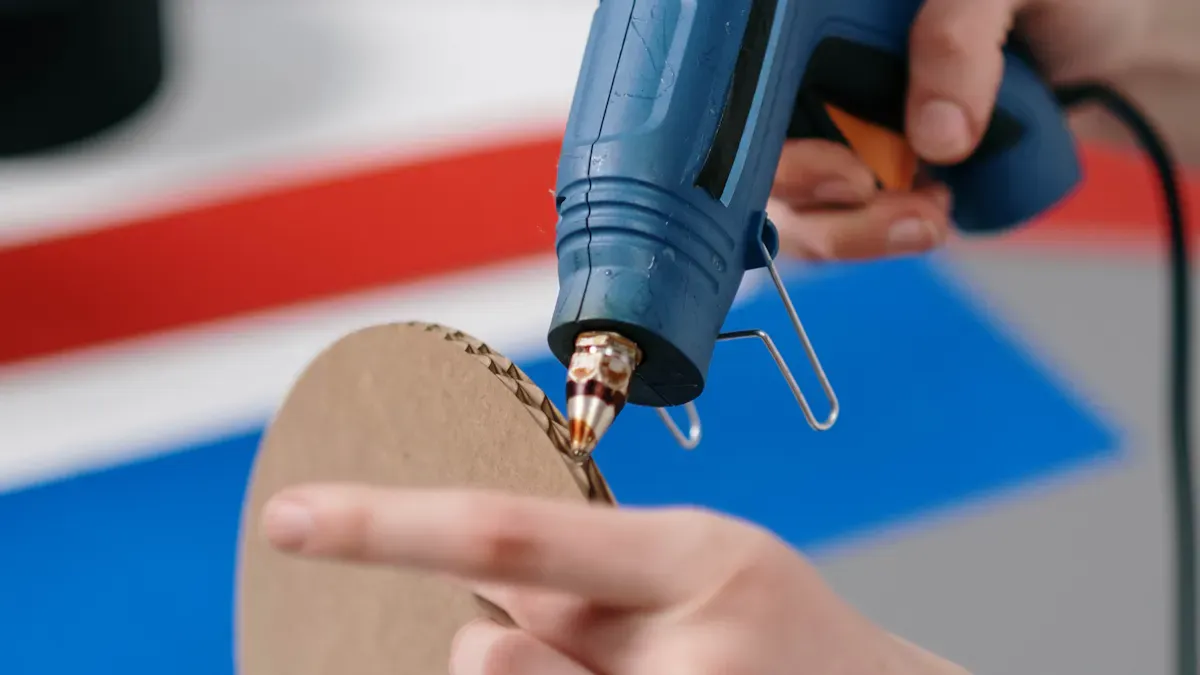
When you want to use the tubing, you need to apply heat. The tubing reacts to heat because of its memory. As you heat the tubing, it starts to shrink. The tubing pulls back to its original diameter. You will see the tubing wrap tightly around wires or devices. The shrink process happens quickly if you use the right amount of heat. The tubing will shrink evenly and smoothly. This makes the tubing fit perfectly and gives strong protection.
Tip: Always use the correct heat source. A heat gun or oven works best for even shrinking. Open flames can damage the tubing and cause uneven shrink.
Application Steps for Tubing
You can follow these steps to get the best results when you shrink ultra thin wall tubing:
Select the Right Tubing: Measure your component. Make sure the tubing’s pre-shrink diameter is no more than 15% larger than your part. Check the shrink temperature. Most tubing shrinks at about 150°C.
Gather Tools: Use a heat gun or oven for heat. Wear heat-resistant gloves. Use sharp scissors and a ruler for clean cuts.
Prepare the Surface: Clean your part well. Remove oil, dust, or water. The tubing will shrink better on a dry, clean surface.
Measure and Cut: Measure the length you need. Add 10-15% extra for shrink. Cut the tubing with sharp tools for a smooth edge.
Position the Tubing: Slide the tubing over your part. Make sure it covers the area you want to protect. Adjust before you start to shrink.
Apply Heat: Use steady, even heat. Move the heat gun back and forth. Watch as the tubing starts to shrink. The tubing will wrap tightly and form a smooth layer.
Check the Result: Let the tubing cool. Check for gaps or bubbles. The tubing should shrink evenly and cover your part well.
You can repeat the shrink process if you need to cover more areas. Always use the right heat and take your time. This will help the tubing shrink perfectly and last longer.
Main Uses of Thin-Wall Heat Shrink Tubing
Thin-wall heat shrink tubing helps protect and insulate many things. You can use this tubing in medical devices, electrical systems, and other areas. The tubing keeps your devices safe, small, and working well. Here are the main ways you can use thin-wall tubing.
Medical Device Applications
Thin-wall heat shrink tubing is used in many medical devices. This tubing helps keep devices small and easy to bend. It also gives strong protection and electrical insulation. You can use it when making medical devices where safety is very important.
Here is a table that shows how you can use thin-wall heat shrink tubing in medical devices:
Application Type | Description |
|---|---|
Variable-stiffness catheters | Makes catheters stiffer without making them thick. You can pick different thicknesses for more bending. |
Protective covering | Covers parts like hypotubes and catheter shafts. It makes a strong layer and stops leaks. |
Reinforcement | Gives balloon catheters more strength. It keeps braids from coming apart. |
Tube marking and printing | Lets you label tubes easily. You do not need to print on the device itself. |
Electrical insulation | High dielectric strength stops burns and insulates electrical parts in devices. |
You can use this tubing to cover microcatheters, brain catheters, and balloon catheters. The tubing keeps small parts safe and helps you follow safety rules. You can also use it for tube marking, so you can tell devices apart. The tubing’s smooth surface keeps germs and dirt away, which is good for patients.
Tip: Always make sure your tubing meets ISO 10993 and USP Class VI standards for medical safety.
Electrical and Wiring Protection
Thin-wall heat shrink tubing gives strong protection for electrical systems. You can use it to cover wires, cables, and connections. The tubing keeps out water and dirt, which helps stop short circuits. It also gives electrical insulation, so your devices stay safe.
You can use thin-wall tubing in many electrical jobs:
Insulate and protect electrical connections in electronics. This stops short circuits and keeps wires safe.
Use in car wiring harnesses. The tubing helps wires last longer by stopping damage from shaking and water.
The tubing is light but still protects well. You can put it on easily and use it in many ways.
Pick tubing that meets environmental rules. This makes it a good choice for insulation and protection in new electronics.
You will see thin-wall heat shrink tubing in computers, phones, and cars. The tubing keeps your electrical systems safe and working right. You can trust it for home and work uses.
Other Common Uses
You can use thin-wall heat shrink tubing in many other places. The tubing gives protection, insulation, and safety in lots of jobs.
Here are some common uses outside of medical and electrical fields:
In the medical field, you can cover needles and insulate electrosurgical devices. This keeps people safe.
In electronics, the tubing gives insulation and stops interference in small parts.
In telecommunications, you can protect cables and help them work better.
In renewable energy, the tubing’s UV resistance makes it good for outdoor use.
In military and aerospace, you can trust the tubing in tough places.
In cars, you can use the tubing for wiring protection and safety.
In HVAC and refrigeration, the tubing insulates and protects wires.
In entertainment, you can use color-coded tubing to organize stage lighting and audio wires. This makes setup faster and safer.
In farming, you can protect sensor cables from chemicals and sunlight.
In food processing, FDA-compliant tubing insulates equipment wiring. This keeps things clean and safe.
Note: You can find thin-wall heat shrink tubing in almost every industry. The tubing’s flexibility and strong protection make it a smart choice for many jobs.
You can see that thin-wall heat shrink tubing is not just for medical devices or electrical systems. You can use it anywhere you need protection, insulation, and safety for your wires and devices.
Choosing and Using Ultra-Thin Tubing
Selecting the Right Tubing
You need to choose the right tubing for your project. Start by measuring the outer diameter of the object you want to cover. Check the largest and smallest parts of the object. Pick tubing with an expanded diameter about 25% larger than the biggest part. Make sure the tubing can shrink to fit the smallest part. You should also learn about the tubing’s material and properties. This helps you match the tubing to your needs and keeps your devices safe and reliable.
Tip: Work with trusted manufacturers. They can help you find tubing that fits well and meets quality standards.
Installation Tips
You can get the best results by following a few simple steps. First, gather your tools. Use a heat gun for even heating, a measuring tool like calipers, and a sharp cutter for clean edges. Clean the surfaces of your wires or devices before you start. Dirt or oil can stop the tubing from sealing well. Slide the tubing into place before making any connections.
When you heat the tubing, start in the middle and move outward. This pushes out air and stops bubbles from forming. Let the tubing cool on its own. This makes the seal strong and long-lasting.
Common Mistakes to Avoid
Many people make the same mistakes when using ultra thin wall tubing. You can avoid these problems by following a few rules:
Choose the right size. Wrong sizing leads to poor fit and weak protection.
Do not overheat. Too much heat can crack or burn the tubing.
Keep the heat gun moving. This stops wrinkles and weak spots.
Never use a lighter. Open flames can damage the tubing and leave soot.
Always clean surfaces first. Dirt can cause the tubing to fail early.
Smooth sharp edges. This prevents the tubing from tearing.
Slide the tubing on before connecting wires.
Mistake | Consequence | Prevention |
|---|---|---|
Overheating | Cracking or discoloration | Use a heat gun and keep it moving |
Wrong size | Poor fit | Measure carefully and check shrink ratio |
Dirty surfaces | Weak seal | Clean with isopropyl alcohol |
Trapped air bubbles | Weak spots | Heat from center outward |
Remember: Careful installation keeps your tubing strong and your devices safe.
Ultra thin wall heat shrink tubing is very flexible and strong. It can shrink tightly around things. People use it in medical and electrical jobs. It helps keep devices safe and working well. The table below shows why it is good for medical use:
Property Tested | Supporting Evidence |
|---|---|
Tensile Strength | PET tubing keeps over 88% strength after chemical cleaning. |
Thermal Stability | It holds shape during autoclave sterilization. |
Chemical Resistance | The tubing resists acids, bases, and solvents. |
Flexibility | PET tubing bends around complex shapes. |
Microbial Lethality | It stays stable after gamma and e-beam sterilization. |
Regulatory Compliance | It meets ISO 10993 and USP Class VI standards. |
When you pick tubing, think about what you need it for. Check the size and how well it works. You can look at guides to learn about sizing and shrink temperature. These guides also help you control how much the tubing shrinks.
FAQ
What is the thinnest wall thickness available for heat shrink tubing?
You can find ultra thin wall heat shrink tubing with walls as thin as 0.15 mm. This size helps you cover small parts without adding bulk.
Can you cut ultra thin wall heat shrink tubing to custom lengths?
Yes, you can cut the tubing to any length you need. Use sharp scissors or a blade for a clean edge.
Is ultra thin wall PET shrink tubing safe for medical use?
Yes. This tubing meets ISO 10993 and USP Class VI standards. You can use it in medical devices with confidence.
What tools do you need to shrink the tubing?
You need a heat gun or an oven. These tools give even heat. Do not use open flames because they can damage the tubing.
Does ultra thin wall tubing resist chemicals?
Chemical Type | Resistance Level |
|---|---|
Acids | High |
Bases | High |
Solvents | High |
You can trust this tubing to protect against most chemicals.
See Also
Exploring Heat Shrink Tubing Applications for Electrical Insulation
Selecting Ideal Ultra-Thin PET Heat Shrink Tubing for Projects
The Importance of Ultra-Thin PET Heat Shrink Tubing in Healthcare

© Copyright 2024 My First Blog - All Rights Reserved.