Seamless Polyimide Micro Tubing with 0.1mm ID for Precision Drug Delivery

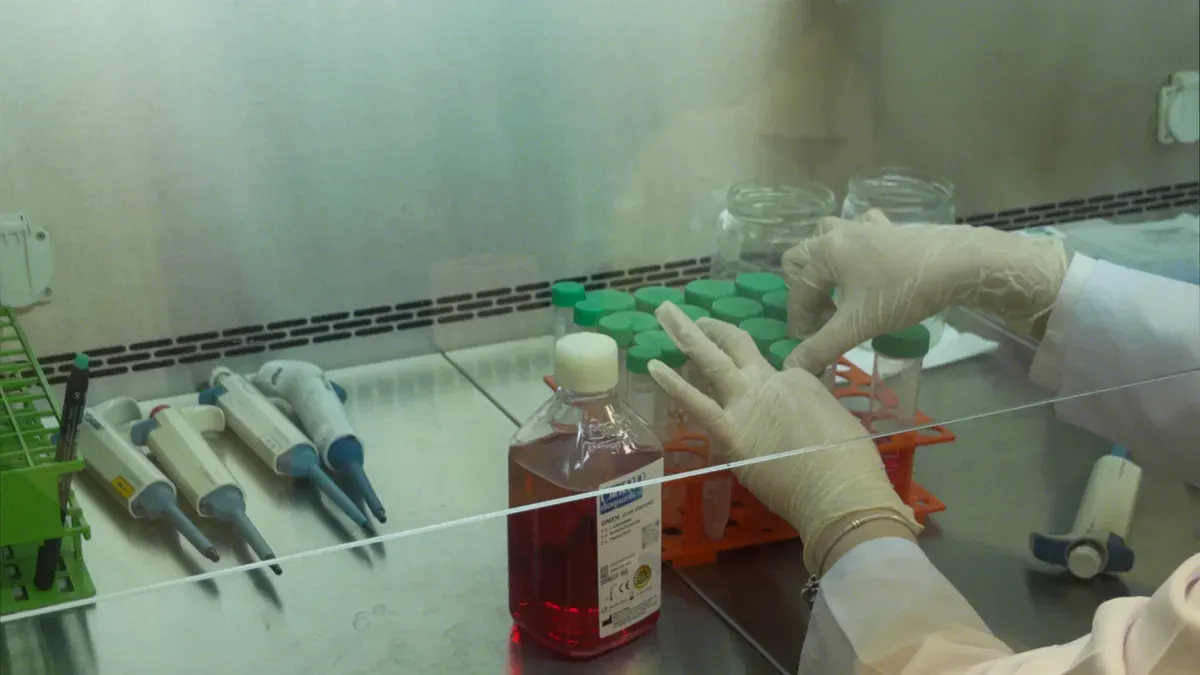
Seamless polyimide micro tubing ID 0.1mm offers outstanding dimensional stability, biocompatibility, and chemical resistance. These qualities make it a great fit for precision drug delivery. The medical field increasingly needs micro-dosing and targeted therapies. These uses require tubing with exact inner diameters and steady performance. Seamless polyimide micro tubing ID 0.1mm eliminates weld lines. This lowers the risk of leaks, trapped particles, and uneven flow. What makes seamless polyimide micro tubing ID 0.1mm work so well, and how does it compare to other options? This article looks at specifications, performance, advantages, limitations, and best practices.
Key Takeaways
Seamless polyimide micro tubing with a 0.1mm ID gives exact flow control for precise drug dosing.
Polyimide tubing is safe for the body and stands up to chemicals and heat, so it works well for medical use.
The seamless design removes weld lines, which cuts down on leaks and trapped particles for dependable performance.
Polyimide tubing is more flexible and keeps its shape better than PTFE or PEEK options.
Always install and clean the tubing correctly to avoid damage and make it last.
Key Specifications of Seamless Polyimide Micro Tubing ID 0.1mm
ID Accuracy and Wall Thickness
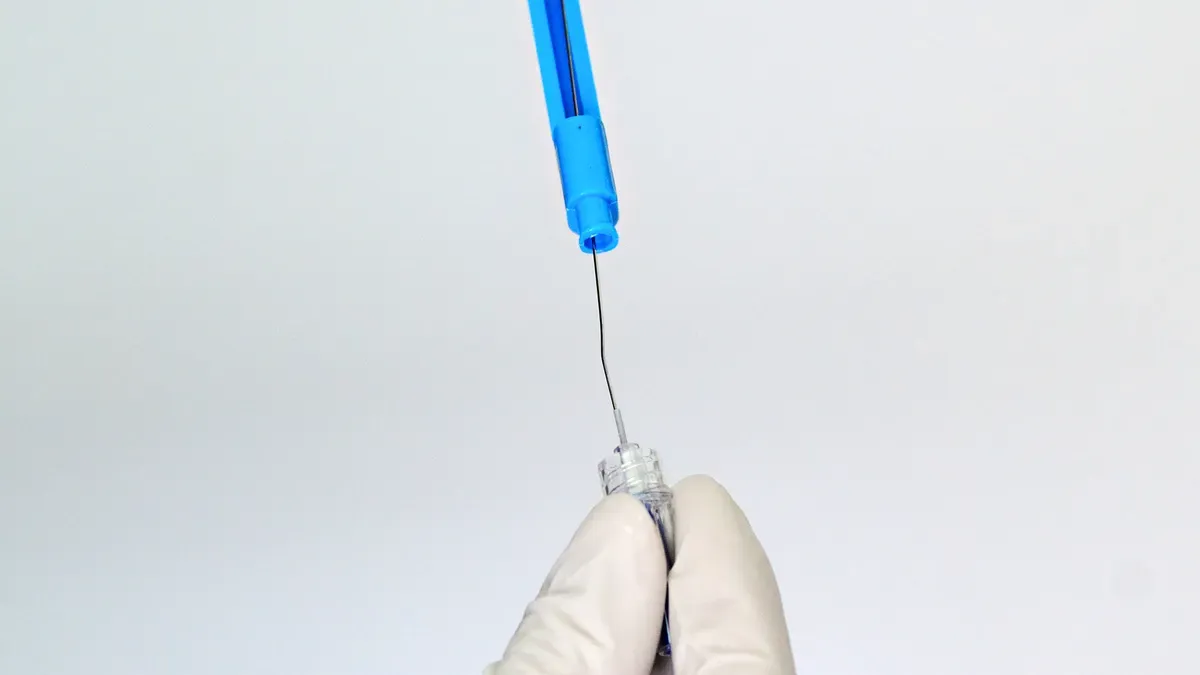
The 0.1mm inner diameter gives exact flow resistance and dosing accuracy for tiny liquid amounts. This tight tolerance is important for micro-dosing and targeted therapies. Even a small change in the inner diameter shifts flow rates a lot. Seamless polyimide micro tubing ID 0.1mm keeps that diameter the same along the whole length. This consistency helps support reliable drug delivery.
Wall thickness choices affect flexibility and burst pressure. Flexible polyimide substrates can be made in 0.1 mm thickness. Thinner walls give more flexibility but lower burst pressure. Thicker walls raise pressure limits but make bending harder. Engineers balance these trade-offs for each application. The seamless construction gets rid of weld lines. This feature lowers particle entrapment and flow problems. A smooth inner surface also stops drug buildup at joints.
Material and Biocompatibility
Polyimide has excellent biocompatibility for medical use. It supports implantable neural probes, EEG electrode arrays, flexible biosensors, and minimally invasive catheter construction. The material also stands up to vacuum, oil, and chemicals. These properties make it suitable for demanding medical environments.
Environment | Demonstrated Resistance |
|---|---|
Harsh chemical finishing | Polyimide tape withstands plating baths and cleaning solvents; it masks during powder coating, anodizing, and electroplating. |
Vacuum (aerospace) | Low outgassing in vacuum environments; valuable for wire harnessing, thermal blankets, and component anchoring. |
Medical devices | Withstands autoclaving (high heat and pressure) while providing reliable insulation in compact designs. |
Polyimide shows good chemical resistance to acids, greases, and solvents. It resists most organic solvents, dilute acids, and oils. Jet fuels, hydraulic fluids, and typical electronics-cleaning agents do not harm it. However, concentrated strong alkalis and long steam exposure can break down the imide bond. Surface coatings or improved moisture-resistance grades help where alkaline exposure cannot be avoided.
Property | Specification |
|---|---|
Vacuum behavior | High purity and low outgassing in vacuum, compliant with ESA regulation ECSS-Q-70-02 |
Thermal stability | Long-term thermal stability at 300 °C (short term up to 400 °C); heat resistance up to 470 °C (HDT/A) |
Cryogenic performance | Good cryogenic properties down to -270 °C |
Additional durability | Excellent wear resistance under high pressure and high speeds; resistant to high-energy radiation; inherently flame retardant |
These specifications confirm that seamless polyimide micro tubing ID 0.1mm meets the strict demands of precision drug delivery. The material handles sterilization processes such as autoclaving. It also performs well in vacuum and cryogenic conditions. The seamless design removes weld lines. This lowers the risk of leaks and particle entrapment. Together, these features support steady flow and dosing accuracy.
Drug Delivery Performance of Seamless Polyimide Micro Tubing ID 0.1mm
Flow Control and Dosing
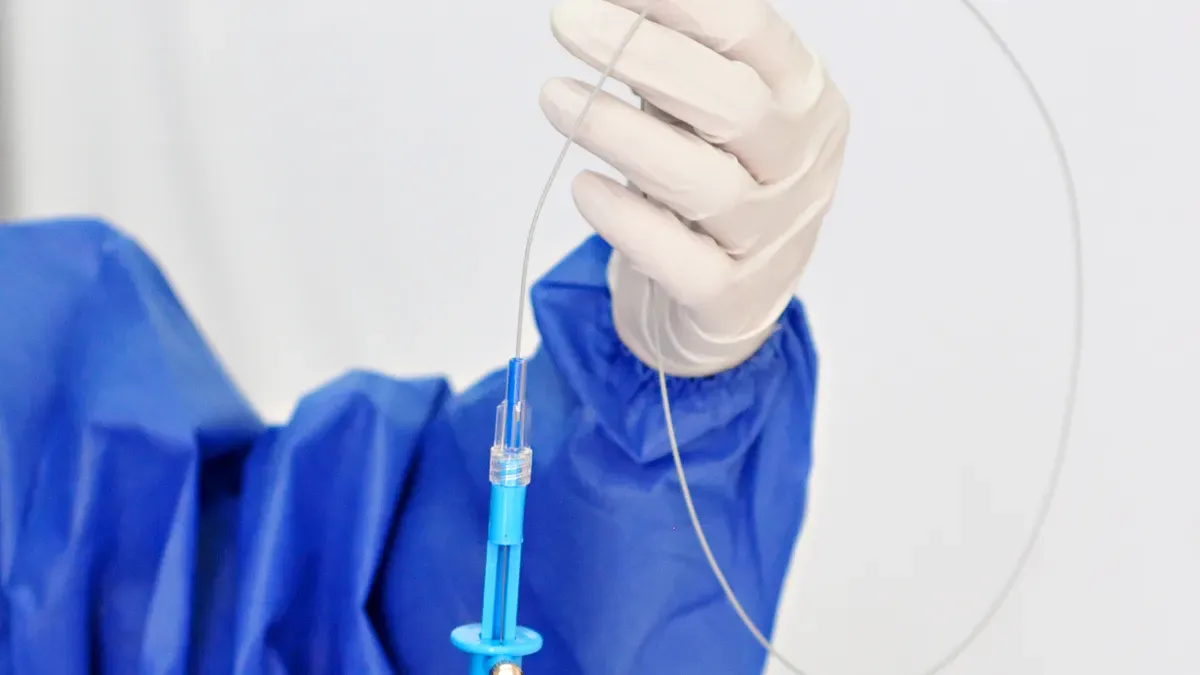
The 0.1mm inner diameter gives exact flow resistance for micro-volume applications. Microdialysis systems use 0.10 mm inner diameter tubing for normal microdialysis and for MRI/PET studies. Researchers use the tubing to send tiny amounts of tracer compounds and drugs into specific tissue regions. The narrow bore keeps flow rates steady over long perfusion periods. A steady flow rate matters for accurate doses. Even a tiny change in the inner diameter changes the delivered volume over time. Seamless polyimide micro tubing ID 0.1mm keeps its size along the whole length. This consistency allows repeatable dosing in targeted therapies.
High-viscosity drug formulations also benefit from this tubing. Concentrated protein solutions, lipid-based carriers, and polymer-drug conjugates flow through the smooth inner surface without clogging. The seamless wall removes weld lines where particles could collect. This feature reduces the risk of blockages during long infusions. The tubing also handles low-viscosity solvents and water-based buffers just as reliably. Flow control stays stable across a wide range of formulation types.
Chemical Compatibility and Sterilization
Polyimide resists most organic solvents, weak acids, and oils. Jet fuels, hydraulic fluids, and common electronics cleaners do not harm it. This chemical resistance supports the use of strong solvents and cleaners during device assembly and maintenance. Very strong alkalis and long steam exposure can break down the imide bond. Surface coatings or better moisture-resistance grades help when alkaline exposure cannot be avoided.
Polyimide reacts differently to each sterilization method. The table below lists common methods.
Sterilization Method | Effect on Polyimide |
|---|---|
Autoclave | Stands up to high heat and pressure; reliable insulation in compact designs |
Gamma irradiation | Resists high-energy radiation; no major breakdown |
Ethylene oxide | Compatible; no chemical attack on the imide bond |
Autoclaving exposes the tubing to steam and heat. Polyimide handles this process well for many medical device applications. Gamma irradiation kills microbes by using high-energy radiation. Polyimide resists this radiation without losing mechanical strength. Ethylene oxide gas sterilizes at lower temperatures. The gas does not attack the polyimide structure. Each method has trade-offs. Autoclave cycles are quick but use heat and moisture. Gamma irradiation penetrates packaging but needs careful dose control. Ethylene oxide needs time to air out leftover gas. Device makers test the chosen method with the specific drug formulation and tubing assembly.
Polyimide resists chemicals and handles sterilization well. This makes seamless polyimide micro tubing ID 0.1mm a strong choice for precision drug delivery. The tubing keeps its flow properties after many cleaning and sterilization cycles. This durability supports long-term use in implantable and external delivery systems.
Advantages over Alternatives
PTFE and PEEK Comparison
PTFE tubing resists many chemicals and costs little. But its size accuracy is worse than polyimide. PTFE slowly deforms under pressure, so the inner diameter changes over time. PEEK tubing keeps its shape better than PTFE and stands up to high heat. Still, PEEK is stiff and hard to bend around tight curves. Seamless polyimide micro tubing ID 0.1mm offers more exact dimensions than either material. Its one-piece wall has no weld lines, so particles cannot get trapped in extruded PTFE or PEEK products.
Property | Polyimide | PTFE | PEEK |
|---|---|---|---|
Dimensional accuracy | Tight | Moderate | Good |
Flexibility | High | High | Low |
Chemical resistance | Good | Excellent | Good |
Polyimide stands up to most organic solvents, weak acids, and oils. PTFE is better against strong alkalis, but polyimide is stronger structurally. PEEK also resists many chemicals, yet its stiffness restricts use in compact designs. Polyimide gives engineers an unusual blend of flexibility and strength.
Stainless Steel Comparison
Stainless steel tubing resists kinking and handles very high pressures. These traits make it good for rigid drug delivery lines. But steel is heavy, conducts electricity, and can corrode from some drug mixtures. It also lacks the flexibility needed for curved implant paths. Polyimide tubing weighs much less and bends without permanent damage. Its biocompatibility helps make implantable neural probes and catheters. Steel can irritate tissue over long periods.
Seamless making is important for advanced microfluidic devices. Researchers have created seamless-forming microfluidic extruders for 3D printing of microfibrous electrodes. This work shows how one-piece construction improves device performance at small sizes. Polyimide gets the same benefit. It gives a mix of flexibility and strength that stiff alternatives cannot match. Engineers get design freedom without losing flow precision or durability.
Limitations and Considerations
Cost and Handling
Seamless polyimide micro tubing ID 0.1mm costs more than PTFE or standard polymer tubing. The raw material is pricey. The seamless manufacturing process adds even more cost. These things make the price higher than common alternatives. Engineers justify this higher price with better performance. The tight inner diameter tolerance removes dosing errors. The seamless wall gets rid of weld lines and particle traps. These benefits lower failure risk in critical drug delivery systems. One clogged line can ruin an infusion run or waste a costly drug batch. The higher upfront cost often pays back through fewer rejects and better patient safety.
Handling requires care. Polyimide is strong, but thin walls are still fragile. Workers need the right cutting tools to trim the tubing. A standard blade can crush the bore or leave burrs. Sharp bends cause stress concentrations. Over time, these stresses can crack the wall. Installers should route tubing along gentle curves. They should avoid tight loops near connectors. Proper training reduces damage during assembly.
Kinking and Pressure Limits
Polyimide resists kinking better than many polymers. However, every tube has a minimum bend radius. Bending past that limit collapses the bore. Flow stops or becomes uneven. The maximum pressure rating depends on wall thickness and temperature. Thin walls burst at lower pressures. Thick walls handle higher pressures but bend less easily. Engineers must check the pressure rating for each wall option. They should also derate the tubing at elevated temperatures. Polyimide softens slightly when hot. This softening lowers burst pressure.
Extreme environments add another concern. Space-exposure testing of Kapton polyimide film showed thin-film metal oxide coatings protect polyimide from space-environment degradation. This finding implies that harsh conditions may require protective coatings. Drug delivery systems rarely face space vacuum. Still, the lesson applies. Aggressive chemicals or prolonged steam exposure can degrade bare polyimide. A coating or a moisture-resistant grade extends service life. Engineers should match the tubing grade to the actual environment.
Best Practices
Installation and Connection
Good assembly begins with the right sleeve size. When you pick a sleeve for capillary tubing, its inner diameter should be 0.001–0.002 inches (25–50 µm) bigger than the tubing's outer diameter. This small gap lets you put it together precisely without forcing the tube. A tight fit stops leaks. A loose fit makes the tube slip under pressure.
Parameter | Specification |
|---|---|
Sleeve ID vs. tubing OD | 0.001–0.002 in (25–50 µm) larger |
Purpose | Precise assembly, leak-free connection |
Workers should use fittings and ferrules made for polyimide. Regular metal ferrules can crush the thin wall. Polyimide-compatible ferrules hold the tubing without cutting into it. Installers should hand-tighten the fitting first. Then they add a quarter turn with a wrench. This method seats the ferrule without squeezing the tube too much. Seamless polyimide micro tubing ID 0.1mm bends along gentle curves. Installers should stay away from sharp bends near connectors. A sharp bend creates stress that can crack the wall over time.
Cleaning and Maintenance
Cleaning steps depend on the drug formulation and the delivery system. Flushing with compatible solvents removes drug residue from the bore. Polyimide resists most organic solvents, weak acids, and oils. However, concentrated strong alkalis and long steam exposure can break down the imide bond. Technicians should stay away from alkaline cleaners unless the tubing has a protective coating. They should also limit steam exposure during cleaning.
Sterilization validation confirms that the chosen method does not harm the tubing or the drug. Autoclave, gamma irradiation, and ethylene oxide all work with polyimide. Each method has trade-offs. Autoclave cycles use heat and moisture. Gamma irradiation needs careful dose control. Ethylene oxide requires aeration time to remove leftover gas. Device makers should test the full assembly after sterilization. They should check flow rate, burst pressure, and seal integrity.
Storage conditions affect shelf life. Polyimide tubing should stay in a cool, dry place away from direct sunlight. Sealed packaging prevents dust and moisture exposure. Stock rotation ensures that older tubing gets used first. Shelf life depends on storage conditions and the specific polyimide grade. Manufacturers should provide shelf-life guidance for each product.
Seamless polyimide micro tubing ID 0.1mm meets the tough demands of precision drug delivery. Its exact dimensions keep dosing steady every time. It works safely inside the body. It stands up to strong chemicals. Its one-piece design removes weak points. The smooth inside stops particles from getting trapped.
Cost and handling sensitivity are still real concerns. The right cutting tools, gentle routing, and proven sterilization methods help manage these risks. Engineers should pick fittings that work well together and avoid sharp bends. They must check pressure and chemical needs for each use.
This tubing moves micro-fluidic drug delivery systems forward. It helps make smaller, more reliable devices for targeted therapies. Future innovations will likely grow its role in medical treatment.
FAQ
What inner diameter does this tubing offer?
This tubing has a 0.1mm inner diameter. This small opening gives exact flow resistance for tiny liquid doses. Microdialysis systems use 0.10 mm inner diameter tubing for normal studies and MRI/PET work. The tight tolerance keeps delivered amounts steady over long perfusion periods.
How does polyimide handle sterilization?
Polyimide works with autoclave, gamma irradiation, and ethylene oxide methods. Autoclaving puts the tubing through high heat and pressure, and the material holds up well. Gamma irradiation uses high-energy radiation, which polyimide blocks without losing mechanical strength. Ethylene oxide sterilizes at lower temperatures and does not harm the imide bond.
What temperature range does the tubing withstand?
Polyimide gives long-term thermal stability at 300 °C and short-term resistance up to 400 °C. Heat resistance reaches 470 °C under HDT/A testing. Cryogenic performance stays good down to -270 °C. These properties fit demanding medical and aerospace environments.
Which chemicals damage polyimide tubing?
Concentrated strong alkalis and long steam exposure can break down the imide bond. Most organic solvents, weak acids, oils, jet fuels, and hydraulic fluids cause no harm. Surface coatings or improved moisture-resistance grades help when alkaline exposure cannot be avoided.
What sleeve size fits this tubing?
A sleeve's inner diameter should measure 0.001–0.002 inches (25–50 µm) larger than the tubing's outer diameter. This small gap allows precise assembly without forcing the tube. A tight fit stops leaks, while a loose fit lets the tube slip under pressure.
See Also
Primary Uses Of Ultrathin PET Heat-Shrink Tubing In Medical Devices
Why Ultrathin PET Heat Shrink Tubing Matters For Medical Devices
Ways Medical Grade FEP Heat Shrink Tubing Forms Multilayer Catheters
Choosing Ideal FEP Heat-Shrink Tubing For Class III Medical Devices
Leading FEP Heat Shrink Tubing Suppliers For Custom Medical Solutions

© Copyright 2024 My First Blog - All Rights Reserved.