How to Get the Best Results with Thin Wall PET Heat Shrink Tubing

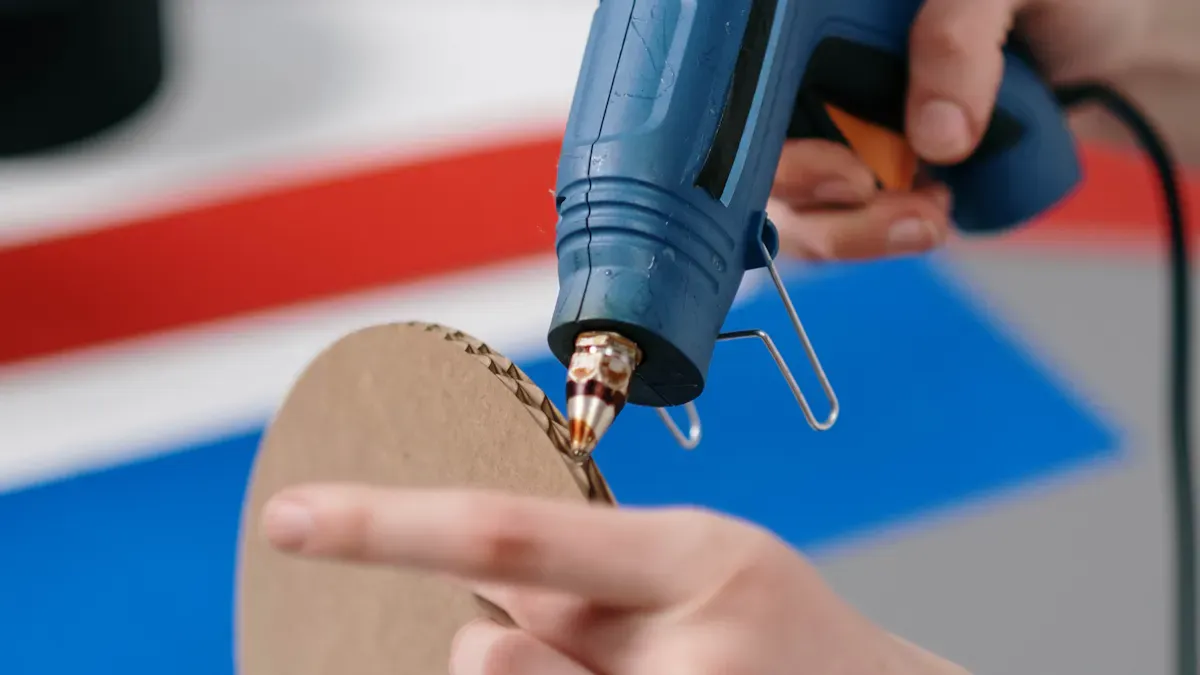
You want the best results when using thin-wall PET heat shrink tubing for medical devices. Getting a good fit means you must follow the tight fit principle and pay attention to every detail. Start by choosing the right size, then prepare your surfaces well. Apply heat carefully to create a snug fit and avoid damaging parts. Many people face problems like uneven shrinkage, overheating, or poor fit. You may also run into these challenges:
Precise heat application is needed to avoid damaging your device.
Removal can be hard because the tubing creates a tight seal.
Shrinking can make the wall thicker, which may affect fit in small spaces.
This tubing often costs more than other options, so budget matters.
Always check for a good fit and a snug fit to meet medical standards. If you need a unique solution, a Custom Thin Wall Pet Hs Tube can help.
Key Takeaways
Choose the right size of tubing. It should be no more than 15% larger than the part's diameter for a snug fit.
Clean and dry surfaces thoroughly before applying tubing. This prevents bubbles and ensures strong adhesion.
Use a heat gun for even shrinking. Maintain a distance of 4 to 6 inches to avoid overheating.
Check for a snug fit after shrinking. Inspect for wrinkles or gaps to ensure proper coverage.
Test the tubing's durability. Bend and twist the part to confirm the tubing remains intact and functional.
Selecting Thin-Wall PET Heat Shrink Tubing

Sizing for Snug Fit
You need to pick the right size when you use thin-wall PET heat shrink tubing. First, measure your part’s diameter very carefully. Use a caliper or micrometer for the best results. The tubing should be no more than 15% bigger than your part’s widest spot. This helps the tubing fit tightly after shrinking. If the tubing is too big, you might see wrinkles or loose spots. If it is too small, it will not go over your part.
Tip: Always look at the sizing chart from the company before you buy. This chart helps you match the tubing to your part.
The table below shows what size to use for a tight fit:
Parameter | Recommendation |
|---|---|
Fit | Tight fit (15% gap or less) |
Sizing | No larger than 15% above max diameter |
Shrink Ratio and Wall Thickness
You also need to think about shrink ratio and wall thickness. The shrink ratio tells you how much the PET tubing gets smaller when you heat it. For most medical parts, a shrink ratio of 1.1:1 works well. This means the tubing will shrink to about 90% of its first size. You should also check the wall thickness. Thin walls make your part light and easy to bend. Most thin-wall PET tubing is between 0.0001" and 0.004" thick. Some tubing has very tight thickness limits, like ±0.0001" or ±20%.
Here is a table to help you pick the right shrink ratio and wall thickness:
Parameter | Recommendation |
|---|---|
Target Shrink Ratio | 1.1:1 |
Wall Thickness | 0.0001"–0.0005" (± 0.0001") |
0.0006"–0.004" (± 20%) |
When you pick PET tubing for medical parts, you should also check for important certifications. These rules make sure your tubing is safe and works well. Look for these certifications:
Certification | Description |
|---|---|
Makes sure the tubing is safe for medical use and lowers the chance of bad reactions. | |
ISO 10993 | Checks if the tubing is safe for medical use. |
ISO 13485 | Shows the company uses good quality systems for making medical parts. |
Custom Thin Wall PET HS Tube Options
Sometimes, you need a custom thin wall pet hs tube for your project. Custom tubes let you control the fit, how it works, and safety. You can pick very thin walls under 0.2mm for small parts like stent delivery tools. You can also choose different shrink ratios, coatings, and wall thicknesses for your needs. Custom thin wall pet hs tube options can include:
Tubing with high shrink ratios and thin walls for better use.
Great electrical insulation for safety and function.
Clear tubing so you can see inside.
Flexible tubing to fit many shapes and sizes.
Tubing that can shrink up to 70% but stays strong.
Sticky linings for extra hold.
Phthalate-free materials and USP Class VI pigments for safety.
Meets ISO 10993 for safety and low cell reaction.
Custom thin wall pet hs tube solutions are good for blood vessel work, breathing help, and other medical jobs. You can trust these tubes to meet tough medical rules and work well.
Preparing for Application
Cleaning and Drying Surfaces
You must clean the surface before using thin wall PET heat shrink tubing. Wipe the part with a lint-free cloth. Take off dust, oil, or dirt you see. If there are sticky spots, use isopropyl alcohol to clean them. Clean every place where the tubing will touch. Let the part dry all the way before you move on. Do not hurry this step. A dry part helps the tubing stick well and shrink the same everywhere. If you skip cleaning and drying, you might get bubbles or weak spots after shrinking. Always check that the part is clean and dry before the next step.
Primers and Surface Treatments
Sometimes, you need extra help for the tubing to stick well. Use a primer if your part is smooth or shiny. The primer helps the tubing hold on better. You can also use a light sanding tool to make the surface rough. This step helps the tubing grip the part. Clean and dry the part again after you use a primer or sand it. Do not leave any dust behind. If you work with medical devices, always use safe primers and follow the maker’s instructions.
Ultra Thin Wall Heat Shrink Tubing Benefits
Ultra thin wall heat shrink tubing gives many benefits for medical devices. It gives a strong and bendy cover that protects your parts. This tubing is made from polyethylene terephthalate (PET). It is very flexible and tough. You can use it for small or tricky shapes. The tubing shrinks tight, so you get a good fit each time.
Here is a table that shows why ultra thin wall heat shrink tubing works well for protection and durability:
Property | Benefit |
|---|---|
Dielectric Strength | Ensures reliable insulation for critical components in medical devices |
Chemical Resistance | Protects against harmful substances, enhancing durability |
Biocompatibility | Complies with safety standards for medical applications |
High radial shrinkage gives a snug fit.
You get great results when you size and heat the tubing right.
The tubing keeps your device safe from chemicals and water.
If you follow these steps, your device will last longer and work better.
Measuring and Cutting Tubing
Precision Tools
You need the right tools to measure and cut thin-wall PET heat shrink tubing. Using the correct tools helps you get smooth and neat cuts every time. You want to avoid jagged edges because they can cause the tubing to split or not fit well. Here are some tools you should use:
A sharp pair of scissors works well for most tubing.
A tubing cutter gives you straight edges and better control.
A ruler or caliper helps you measure the tubing length with accuracy.
Always check your tools before you start. Dull blades can crush the tubing and make it hard to fit. Clean tools also help you get the best results.
Allowing Extra Length
You should always measure the area you want to cover before you cut the tubing. Start by measuring the length of your component. Add a little extra to your measurement. This extra length makes sure the tubing covers the whole part after it shrinks. If you cut the tubing too short, you might leave parts of your device exposed. That can lower the protection and performance of your medical device.
Tip: Add about 10% extra to your measurement to allow for shrinkage. This step helps you avoid mistakes and saves time.
Ensuring Proper Coverage
You want to make sure the tubing covers the entire area you need to protect. Measure both the diameter and the length of your component. Use a ruler or caliper to measure each part. Always measure twice to avoid errors. When you measure tubing length, remember to include any connectors or bends in your calculation. Cut the tubing slightly longer than your measurement to ensure full coverage. Use sharp tools for cutting so the edges stay clean and strong.
If you follow these steps, you will get a snug fit and reliable protection for your medical device. Careful measuring and cutting help you avoid common problems and keep your device safe.
Applying Heat to Thin-Wall PET Tubing
Heat Source Selection
You have to pick the right heat source for thin-wall PET heat shrink tubing. A heat gun is the best tool for most medical devices. It lets you control how hot it gets and where the heat goes. For bigger jobs, you can use a hot air oven. Do not use open flames because they can burn or ruin the tubing. Always move the heat source as you work. This helps stop hot spots and keeps the tubing safe.
Tip: Hold the heat gun about 4 to 6 inches from the tubing. Move it slowly and evenly to get the best results.
Shrink Temperature Range
You need to use the right temperature to get a snug fit. Thin-wall PET heat shrink tubing works best between 90°C and 120°C (185°F–248°F). This temperature makes the tubing shrink tight without melting or burning. If you use the right heat, the tubing shrinks evenly and looks smooth. The tubing stays strong and keeps its shape from -40°C to 125°C. This means your device will work in many places.
Here is a table that shows how temperature changes performance:
Temperature Range | Effect on Performance |
|---|---|
90°C - 120°C | Ensures effective shrinkage and snug fit around components |
-40°C to 125°C | Maintains shape and performance under various environmental conditions |
You should always check the temperature when you use heat. Good control stops damage and keeps the tubing strong.
Controlling Shrinkage
You need to use the right steps to control shrinkage. Start heating at one end of the tubing and move to the other end. This pushes out air and stops bubbles from forming. Turn the part as you heat it. This helps the tubing shrink the same all over. Do not keep the heat in one spot for too long. Too much heat can make the tubing weak or break.
Note: If you see wrinkles or uneven spots, stop and let the tubing cool. Reheat gently if you need to.
How you use heat matters for a snug fit. Always check the tubing after you shrink it. Make sure it covers the part and fits tight. Good steps and careful heat control help you get the best results with thin-wall PET heat shrink tubing.
Avoiding Common Issues
Preventing Wrinkles and Air Bubbles
You want your thin-wall pet heat shrink tubing to look smooth and work well. Wrinkles and air bubbles can cause weak spots and lower protection. You can stop these problems by following a few steps. Keep tension on both ends of the tubing as you heat it. This helps the tubing stay flat and smooth. Control shrinkage by limiting it to 15%-20%. Hold the ends during heating to avoid too much shrinkage along the length. Set your heat source to 150°C (302°F) for the best results. Use the table below as a quick guide:
Guideline | Description |
|---|---|
Maintain Tension | Keep tension on both ends during heating to prevent wrinkles and ensure smooth application. |
Control Shrinkage | Limit total shrinkage to 15%-20% and hold ends during heating to avoid axial shrinkage. |
Master Temperature | Set the heat source to 150°C (302°F) for optimal shrinkage results. |
Start heating at one end and move to the other. This pushes out air and helps the tubing shrink evenly. Turn the part as you heat it to get even shrinkage all around.
Ensuring Proper Adhesion
Proper adhesion keeps your thin-wall pet heat shrink tubing in place. Clean the surface of your device with a lint-free cloth and a good cleaning solution. Remove dust, grease, and other contaminants. Make sure the surface is dry before you put on the tubing. Check for sharp edges or rough spots that could damage the tubing during shrinkage. Place the tubing so it covers the area you want to protect. Good surface preparation makes the tubing last longer and gives a tight seal. Always inspect the part after cleaning to confirm it is ready for shrinkage.
Clean with a lint-free cloth and cleaning solution.
Dry the surface completely.
Inspect for sharp edges or irregularities.
Position the tubing for full coverage.
Troubleshooting Thin-Wall PET Tubing Application
If you see wrinkles, air bubbles, or poor adhesion after shrinkage, you can fix them. Let the tubing cool, then gently reheat the problem area. Keep tension on the tubing as you reheat to smooth out wrinkles. If you see air bubbles, use a small pin to release trapped air, then apply heat again for even shrinkage. For poor adhesion, remove the tubing, clean the surface again, and repeat the process. Always check your work after each step. Careful attention to shrinkage steps helps you get the best results every time.
Tip: Practice on a spare part before working on your final device. This helps you master shrinkage control and avoid mistakes.
Inspecting and Testing Installation
Checking Snug Fit and Coverage
After you shrink the thin-wall PET heat shrink tubing, check it carefully. Make sure the tubing covers all the parts you want to protect. Run your fingers over the tubing to feel for loose spots or gaps. The tubing should feel smooth and not have any wrinkles or bubbles. If you see any, you might need to heat the tubing again or move it a little. A good fit means the tubing is tight and does not slide when you touch it. This step helps you know the tubing is put on right.
Tip: Use a caliper to check the diameter and wall thickness after shrinking. Compare your numbers to the company’s chart.
Testing Durability
You want your device to be strong and safe. Bend and twist the part gently to test the tubing. The tubing should not crack or peel off. You can also check if the tubing works in hot and cold places. Most thin-wall PET heat shrink tubing works from -196°C to 135°C for a long time. It can also handle up to 200°C for a short time. If your device uses electricity, test the insulation. Good tubing can handle over 4,000 V/mil. You can also check if the tubing stays strong after cleaning with heat or chemicals. Try cleaning with autoclaving, gamma rays, or ethylene oxide.
Here is a table with important quality checks:
Quality Control Metrics | Details |
|---|---|
Diameters | 0.006"–0.020" (±0.001", typical); 0.021"–0.5" (±5%, typical) |
Wall Thickness | 0.0001"–0.0005" (±0.0001", typical); 0.0006"–0.004" (±20%, typical) |
Temperature Range | -196°C to 135°C (long-term); Up to 200°C (short-term) |
Electrical Properties | Dielectric strength: >4,000 V/mil |
Verifying Medical Device Application Standards
You need to make sure your tubing is safe for medical use. Check if it meets important safety rules. Look for these common standards:
Standard | Purpose | Testing Focus |
|---|---|---|
ISO 10993 | Safe for human contact | Biocompatibility, irritation, allergies |
USP Class VI | Toxicity, implant safety | |
UL/CSA 224 | Insulation safety | Strength, flexibility, oil and electricity |
AMS-DTL-23053 | Heat shrink tubing safety | Mechanical and chemical resistance |
You should also test if the tubing can handle cleaning. Use autoclaving, hydrogen peroxide plasma, or gamma rays. The tubing should not break or get weak after these tests.
Note: Checking and testing your tubing helps you find problems early and keeps your medical devices safe for people.
You can achieve the best results with thin-wall PET heat shrink tubing by following these steps:
Pick the right size and thickness for your part.
Clean and dry the surface before you start.
Measure and cut the tubing with care.
Use a heat gun for even shrinking.
Check for a snug fit and test the tubing’s strength.
Proper selection and careful heat application help protect your device. You support safety and reliability when you inspect your work and keep learning new tips.
FAQ
How do you choose the right size of PET heat shrink tubing?
You should measure the widest part of your component. Pick tubing that is no more than 15% larger. This helps you get a snug fit after shrinking.
Can you use a hair dryer instead of a heat gun?
You should use a heat gun for best results. A hair dryer does not get hot enough. It may cause uneven shrinking or weak spots.
What should you do if you see wrinkles after shrinking?
Let the tubing cool.
Reheat the wrinkled area gently.
Keep tension on the tubing as you apply heat.
This helps smooth out most wrinkles.
Is thin-wall PET heat shrink tubing safe for medical devices?
Standard | Purpose |
|---|---|
Biocompatibility | |
Medical safety |
You should check for these certifications. They show the tubing is safe for medical use.
See Also
Selecting The Ideal Ultra-Thin PET Heat Shrink Tubing
Key Insights For Effectively Utilizing FEP Heat Shrink Tubing
Comprehensive Guide To Determining The Correct Heat Shrink Size
Important Information Regarding PET Heat Shrink Tubing In Electronics
Finding The Perfect FEP Heat Shrink Tubing For Your Requirements

© Copyright 2024 My First Blog - All Rights Reserved.