PEEK Tubing vs. Polyimide Tubing: Comparative Analysis for Medical Applications

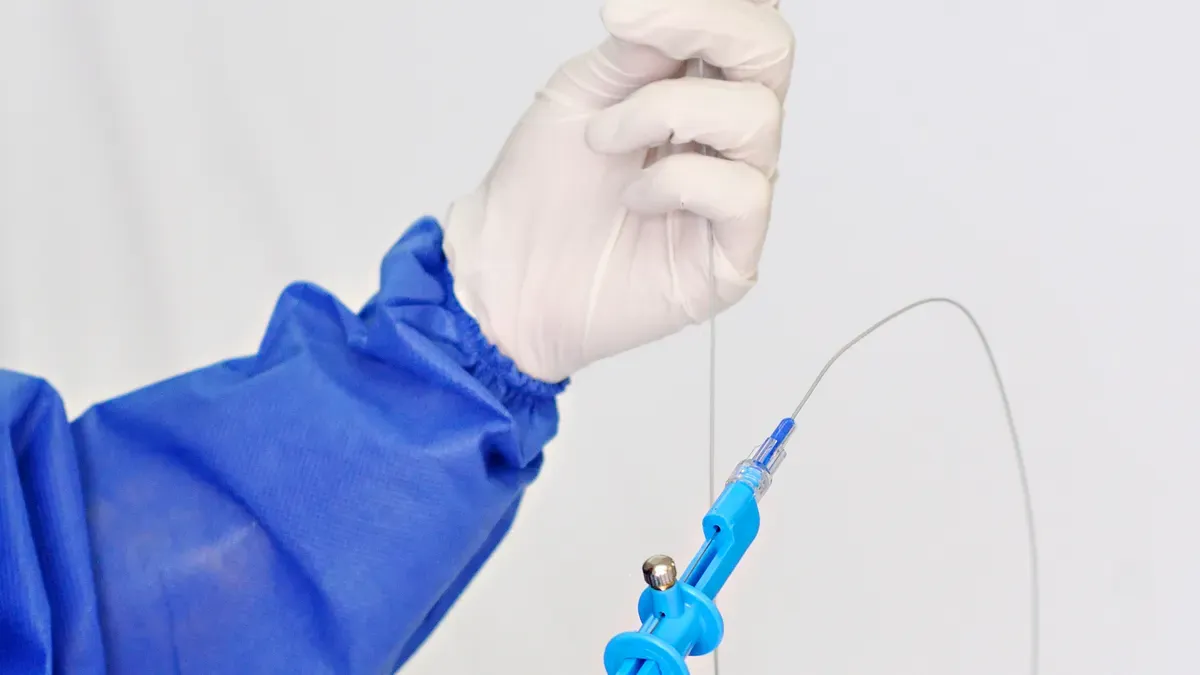
Medical device engineers have a real choice to make when they pick tubing for catheters, fluid paths, or implantable parts. The better choice between PEEK and polyimide depends on what the specific application needs. Each material meets different performance goals. So the PEEK Tubing vs. Polyimide Tubing debate starts with the application, not the material.
PEEK is best for mechanical strength, chemical resistance, and low gas permeability. Polyimide is best for thermal stability, flexibility, and thin-wall capability. Both materials meet medical use standards. Neither option wins in every category.
Which material should engineers choose for their specific needs? The answer starts with what the device demands.
Key Takeaways
PEEK tubing is strong and stiff, which makes it good for medical devices that must hold weight.
Polyimide tubing is flexible and has thin walls, making it good for small, precise catheters.
Polyimide stands up to very high heat better, while PEEK fights off many chemicals and hydrolysis.
Both materials meet medical safety rules, but PEEK works well for implants and polyimide works well for short-term devices.
PEEK costs more than regular plastics, but it is easy to work with, which can lower the total cost of the part.
PEEK Tubing vs. Polyimide Tubing: Mechanical Properties
Strength, Stiffness, and Toughness
PEEK tubing gives high tensile strength, high stiffness, and good toughness. These traits mean it can carry heavy loads. Putnam Plastics states a flexural modulus of 595,000 psi (4,102 MPa) for PEEK tubing. That number is almost 10% higher than polyimide tubing. A higher modulus means PEEK does not bend easily under force. Thin-wall tubes become easier to push and less likely to buckle because of this. Engineers pick PEEK for demanding load-bearing uses. Examples are orthopedic instruments, biopsy forceps, and high-pressure fluid lines.
Polyimide tubing is less stiff but more flexible. It bends more easily and moves through tight blood vessels. This flexibility works well for small, precise parts. Polyimide also works well as thin insulation layers. Engineers like it for catheter shafts and tiny device insulation. The choice of material depends on the load the device must carry.
PEEK also has shaping advantages. Manufacturers heat and shape PEEK tubing into curved forms. They taper, tip, and flange the material for custom parts. These methods work for both industrial and medical parts. Polyimide is not as easy to shape. Instead, its strength is in precise, thin, flexible structures.
Flexibility and Thin-Wall Capabilities
Polyimide tubing is best for thin-wall ability. The Accupathmed guide says polyimide wall thickness normally goes from 0.0005" to 0.008" (0.0127 mm to 0.2032 mm). Elektrisola Medical Technologies says the smallest wall thickness is 0.0005 inches for smaller AWG sizes (31–38).
AWG Size | Minimum Wall Thickness (inches) |
|---|---|
31 | 0.0005 |
32 | 0.0005 |
33 | 0.0005 |
34 | 0.0005 |
35 | 0.0005 |
36 | 0.0005 |
37 | 0.0005 |
38 | 0.0005 |
Putnam Plastics points out an important difference. Standalone polyimide tubing has a smallest wall thickness of 0.0010 inches. A thinner wall of 0.0002 inches is only for polyimide shaft liners. Engineers should not mix up the two. A shaft liner goes inside another structure. Standalone tubing must keep its shape on its own.
These thin walls let polyimide fit into small catheters and tiny devices. The material keeps insulation thin and still works well as an insulator. PEEK cannot reach this thin-wall range. PEEK walls have to be thicker to carry the same load. That extra thickness shrinks the inner diameter of the tube. A smaller inner diameter reduces flow and space inside the device.
Engineers think carefully about these trade-offs. PEEK is better at strength, stiffness, and toughness. Polyimide is better at flexibility and thin-wall precision. The comparison between PEEK and polyimide in mechanical properties boils down to one question. Does the device need load ability or size control? PEEK works for load-bearing parts. Polyimide works for thin, flexible, small parts. Both materials work well when engineers match them to the right job.
Thermal Stability
Glass Transition and Operating Temperatures
Polyimide beats PEEK when it comes to handling heat. Its glass transition temperature is often higher than 250°C. PEEK has a lower glass transition temperature. This gap matters for devices that must survive very high heat. Polyimide holds up better under extreme heat and stress. PEEK still works fine for most normal medical sterilization cycles.
PEEK tubing takes high heat well. Its top service temperature can reach 260°C. This rating comes from a medical plastics comparison. The same source puts polypropylene at 121–135°C, PPSU at 207°C, and PEI at 217°C. PEEK ranks at the top of that list for heat resistance. Polyimide goes even higher. Engineers choose polyimide when heat goes past what PEEK can handle.
Moisture moving into the material at high heat can weaken PEEK's properties. This problem shows up at 121°C. Steam sterilization puts tubing at that temperature. The moisture soaks into the polymer. After many cycles, this can make the material weaker. Engineers must think about this risk for long-term use.
Sterilization Compatibility
Both materials work with common ways to sterilize. Autoclave, ethylene oxide, and gamma sterilization all fit PEEK and polyimide. The real difference is in cycle counts and extreme conditions.
PEEK handles 1000+ autoclave cycles and stays stable. Polypropylene costs less but only works for fewer cycles and lower temperatures. PEEK and PTFE can take 1000+ cycles with very little breakdown. This data comes from a medical plastic comparison.
Plastic | Max Service Temp | Autoclave Resistance | Notes |
|---|---|---|---|
PP | 121–135 °C | Good (limited cycles) | Budget option; deteriorates with repeated sterilization |
PEEK | Up to 260 °C | Best | 1000+ cycles; high temp resistance; chemically inert |
PTFE | Up to 260 °C | Good | Non-stick; ideal for tubing, seals, and valves |
PPSU | Up to 207 °C | Excellent | Transparent; widely used in surgical instruments |
PEI (Ultem) | Up to 217 °C | Very Good | Rigid; more cost-effective than PEEK |
Nylon (PA) | Max 150 °C | Moderate | Absorbs moisture; fewer autoclave cycles recommended |
Polyimide also stands up well to autoclave cycles. Its higher glass transition temperature gives it an edge in extreme heat. Ethylene oxide sterilization runs at lower temperatures. Both materials handle this method without a problem. Gamma sterilization uses radiation instead of heat. PEEK and polyimide both resist radiation damage at normal doses.
The PEEK Tubing vs. Polyimide Tubing comparison in thermal stability comes down to what matters most. Polyimide wins at extreme temperatures and loads. PEEK wins for standard sterilization cycles with proven durability. Engineers should match the material to the sterilization method and cycle count. A device sterilized once per use needs different thermal properties than one reprocessed thousands of times. Both materials serve medical devices well when engineers match thermal needs with material strengths.
Chemical Resistance
Resistance to Medical Chemicals
PEEK tubing stands up to many medical chemicals, disinfectants, and solvents. Hospitals often use hydrogen peroxide to clean tools. PEEK handles this chemical well at most strengths. One source gives PEEK an A grade for hydrogen peroxide at different water-based strengths. An A grade means no damage and almost no change to its physical properties. A few entries show slight or moderate damage at certain strengths. Engineers should check the exact strength their device meets.
Chemical | Concentration (Aqueous wt%) | PEEK Resistance Rating |
|---|---|---|
Hydrogen Peroxide (Aq.) | 0.5 | No data available |
Hydrogen Peroxide (Aq.) | Various | A (No Attack) |
Hydrogen Peroxide (Aq.) | One entry | B (Slight attack) |
Hydrogen Peroxide (Aq.) | One entry | C (Moderate attack) |
Polyimide also holds up well against many solvents and disinfectants. Its resistance differs from PEEK in some chemical groups. PEEK resists a wide range of acids, bases, and organic solvents. This broad resistance gives PEEK an edge over metal parts in harsh places. Metal tubing can rust or react with strong chemicals. PEEK stays inactive and keeps the fluid path clean.
Hydrolysis and Long-Term Stability
Hydrolysis affects tubing that touches fluids over long periods. Water molecules break polymer chains and make the material weaker. PEEK resists hydrolysis well. Its chemical structure stops water from attacking the polymer backbone. This stability makes PEEK a strong choice for fluid-contact uses. Devices that run for months or years gain from this resistance.
Polyimide also resists hydrolysis under normal conditions. Its performance can drop in high-temperature steam or caustic fluids. Engineers must weigh the fluid type, temperature, and contact time. The PEEK Tubing vs. Polyimide Tubing comparison in chemical resistance favors PEEK for broad chemical exposure. Polyimide works well for shorter contact or milder chemical environments. Both materials serve medical devices when engineers match chemical needs to material strengths.
Biocompatibility and Safety
Regulatory Compliance
PEEK and polyimide tubing both meet tough medical rules. These rules include USP Class VI and ISO 10993. USP Class VI checks how materials react to heat, chemicals, and body fluids. Passing these tests shows that polyimide tubing is safe and reliable for medical devices. Manufacturers test polyimide microbore tubing and Protomide polyimide tubing for USP Class VI on purpose. Both products have this approval. PEEK tubing also passes important ISO 10993 tests. PEEK capillary tubes passed ISO 10993-5 cytotoxicity testing with a score of 1 (passing limit ≤1). This score proves the material does not hurt living cells. AKSOPEEK medical implant grade PEEK also passed ISO 10993-5 cytotoxicity testing. Also, PEEK passed ISO 10993-6 bone implantation testing over 26 weeks. These approvals give engineers trust in both materials for medical use.
Implantable and Contact Applications
PEEK tubing has a long history in implantable devices. The FDA has approved PEEK parts for replacement valves, stents, defibrillators, and ablation catheters. The 26-week bone implantation test under ISO 10993-6 also backs its long-term safety inside the body. PEEK resists breakdown and keeps its mechanical strength over long periods. These traits make it a top pick for permanent or semi-permanent implants. Its low gas permeability and chemical resistance also help implantable fluid paths.
Polyimide tubing serves a different role. Engineers pick it for catheter-based and diagnostic devices. These uses involve short-term contact with the body or fluid-path interaction. Polyimide's thin-wall ability and flexibility work well for small, precise catheter shafts. It shows up in neurovascular catheters, diagnostic guidewires, and minimally invasive surgical tools. USP Class VI approval confirms its safety for these uses. The PEEK Tubing vs. Polyimide Tubing choice in this area comes down to contact time. PEEK fits implantable devices that stay in the body. Polyimide fits devices that enter the body for a short time or touch fluids briefly. Both materials meet safety rules when matched to the application.
Cost and Manufacturing
Material and Processing Costs
PEEK tubing costs more than standard engineering plastics like nylon. High-performance polyimide tubing can be even more expensive. The price gap comes from specialized polymer chemistry and strict quality controls for medical-grade materials. Raw material cost alone does not tell the full story.
PEEK is easier to process than polyimide. Manufacturers heat-form, taper, tip, and flange PEEK tubing into complex shapes. These methods reduce waste and speed up production. Polyimide requires more careful handling during manufacturing. Thin-wall polyimide tubing demands precise extrusion equipment and tighter process controls. For complex geometries, the easier processing of PEEK offsets some of the initial material cost difference. Engineers should evaluate total part cost, not just raw material price, when choosing between these two materials.
Availability and Customization
PEEK tubing comes in a wide range of standard dimensions. Common outer diameters range from 0.5 mm to 25 mm, with inner diameters from 0.2 mm to 20 mm, and wall thicknesses from 0.1 mm to 5 mm. Many suppliers offer custom sizes as well. Popular micro sizes include an outer diameter of 1.6 mm with inner diameters from 0.13 mm to 1.0 mm. This variety gives engineers flexibility to match tubing dimensions to device requirements.
Polyimide tubing excels in controlled small dimensions. Its thin-wall capability makes it available in sizes PEEK cannot reach. However, customization comes with lead time considerations. Confluent Medical states that polyimide tubing has a 2 to 5 week lead time for initial quantities. Engineers planning device development should factor this delay into project timelines.
PEEK offers a performance advantage in long analytical runs due to its low gas permeability. The material prevents gas migration through the tube wall, which maintains sample integrity over extended periods. Polyimide does not match this property. The PEEK Tubing vs. Polyimide Tubing choice in manufacturing and availability comes down to dimensional needs and timeline constraints. PEEK suits applications requiring custom sizes and low gas permeability. Polyimide suits applications needing extremely thin walls and precise small dimensions.
When comparing PEEK tubing and polyimide tubing, there are clear trade-offs in all areas. PEEK is best for strength, chemical resistance, and low gas flow. Polyimide is better for heat stability, flexibility, and making very thin walls. Both materials meet USP Class VI and ISO 10993 standards. Cost is high for both, and they cost more than standard plastics.
Engineers should pick PEEK for strong, chemical-resistant, low-gas-flow, or load-bearing jobs. Polyimide works for thin-wall, flexible, high-heat, or small catheter devices. The best material depends on what the device needs most. Both materials work well in medical devices when engineers match them to the right use.
FAQ
Which material offers better thermal stability?
Polyimide beats PEEK because its glass transition temperature often goes above 250°C. PEEK can handle a top service temperature of 260°C. Polyimide holds up better under extreme heat and stress. PEEK works well for normal sterilization cycles.
Can PEEK replace polyimide tubing in catheter applications?
It depends on what the device needs. Polyimide gives you thinner walls, down to 0.0005 inches. PEEK needs thicker walls to match the same strength. Polyimide bends more easily through tight vessels. PEEK works better for load-bearing uses.
Are both materials safe for implantable devices?
PEEK has a long history of use in implantable devices. It passed ISO 10993-6 bone implantation testing over 26 weeks. Polyimide works for catheter-based and diagnostic devices with USP Class VI approval. How long it touches the body decides if it fits.
Which material provides better chemical resistance?
PEEK resists a wider range of chemicals, including acids, bases, and organic solvents. It earns an A grade for most hydrogen peroxide strengths. Polyimide works well too, but it may break down in caustic fluids at high heat.
How do costs compare between these tubing materials?
PEEK costs more than standard engineering plastics like nylon. High-performance polyimide can cost even more than PEEK. PEEK is easier to process, which makes up for some of the price gap in complex shapes.
See Also
Key Applications Of Ultrathin-Wall PET Heat Shrink Tubing In Medical Devices
Choosing The Best FEP Shrink Tubing For Class III Medical Devices
Selecting Optimal FEP Biocompatible Heat Shrink Tubing For Your Applications
Comparing FEP Heat Shrink Tubing Versus PTFE For Chemical Resistance
Why FEP Dielectric Tubing Outperforms Other Insulation Materials Today

© Copyright 2024 My First Blog - All Rights Reserved.