High Dielectric Strength Insulation Tubing Materials Compared in 2026

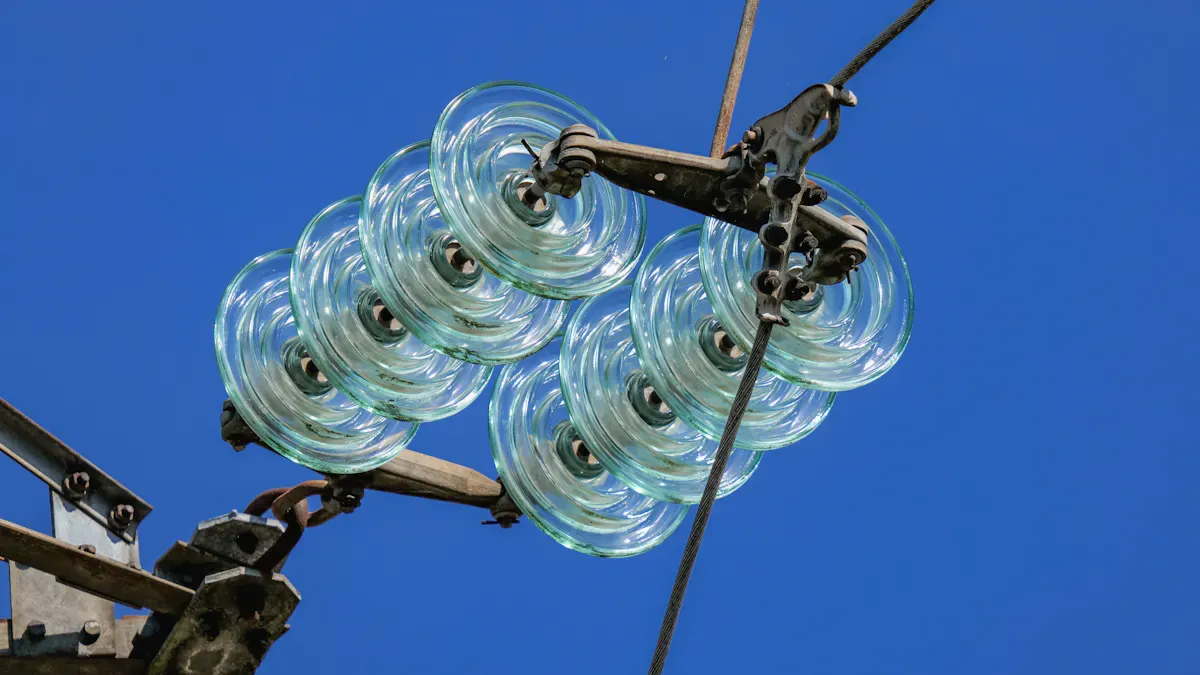
You have many options when picking High dielectric strength insulation tubing. Polyimide, PTFE, PEEK, ceramics, and glass are all strong choices. They have high dielectric strength and are tough. Dielectric strength shows how well a material handles electric stress. It means the material will not break down easily. For high-voltage work, dielectric strength from 15 to 25 kV/mm is important. It helps keep things safe and working well. You can find these materials in power plants, electronics factories, and machines used in industry.
Key Takeaways
Pick insulation tubing with high dielectric strength. This helps keep your equipment safe from electrical problems. Think about how well the material resists heat and chemicals. This is important for tough places. Use flexible materials like silicone and TPU if you need to bend or move the tubing. Always test dielectric strength. This makes sure the tubing can handle your system’s voltage. Choose tubing that fits your needs, like high voltage, strong force, or medical safety.
High Dielectric Strength Insulation Tubing Overview
What Is Dielectric Strength?
It is important to know what dielectric strength means before picking insulation tubing. Dielectric strength shows how well a material can stop electricity from breaking through when voltage is used. It tells you how strong the insulation is at different power levels. People measure dielectric strength in volts per millimeter (V/mm). This number tells you the lowest electric field that will make the material fail.
Dielectric strength shows how much a material can stop electricity from breaking through when voltage is used.
It tells how strong insulation is at different power levels.
The number is given in volts per unit thickness or as the lowest electric field that makes the material break down.
Dielectric strength is very important for knowing how well insulation can handle electric stress.
It shows the highest electric field an insulator can take before it breaks down.
People usually measure dielectric strength in volts per millimeter (V/mm), and it is different for each material.
You can test dielectric strength in a few ways. Here is a table with some common ways to test:
Testing Method | Description |
|---|---|
ASTM D149 | Raises voltage until the material breaks down. |
IEC 60243 | Gives rules for testing dielectric strength in different situations. |
Short-time test | Quickly raises voltage until the material breaks down for a fast check. |
Step-by-step test | Raises voltage in steps and holds each step for a set time. |
Why Tubing Material Matters
You need to pick the right tubing material to keep your system safe and working well. The material changes how the tubing handles high voltage and stress. Some materials, like Corzan CPVC, do not rust. This is important because rust can make things fail when there is high voltage. Strong materials help the tubing handle stress. If the tubing stays strong when it gets hot or cold, it works better.
Not rusting keeps the material from getting weak and failing.
Strong materials help tubing handle high-voltage stress.
Staying strong in heat or cold keeps the tubing working well.
When you pick the best insulation tubing, your system works better. You keep your equipment safe and everything runs smoothly.
Key Materials Compared in 2026
Polyimide Tubing
Polyimide is used a lot for insulation tubing. It has high dielectric strength and is very strong. Polyimide tubing is found in medical tools like catheters and endoscopes. It is also used in drug delivery systems. People use polyimide in planes and factories, too. It can handle heat up to 260°C. Polyimide tubing is flexible and tough. This makes it good for high-voltage jobs.
Polyimide tubing keeps things safe even in hard places. You can trust it to protect electrical parts.
Here is a table that shows polyimide’s dielectric strength:
Dielectric Strength (V/μm) | Minimum Value |
|---|---|
Polyimide | 157.5 |
Polyimide tubing is used in electrosurgical tools. It is important for safety. Polyimide does not get damaged by chemicals. It keeps its dielectric strength for a long time. This helps it work well in electronics and medical tools.
PTFE Tubing
PTFE is another common material for insulation tubing. PTFE tubing is used in high-voltage places. It can handle electric fields from 20 to 60 kV/mm. PTFE does not get hurt by acids or bases. It also resists solvents. This makes it good for tough chemical places. PTFE has low friction and stays strong in heat. It works in factories and hospitals.
Property | PTFE Tubing | Other Materials |
|---|---|---|
Dielectric Strength | 20-60 kV/mm | Varies (typically lower) |
Chemical Resistance | Unaffected by most acids, bases, solvents | Varies (often less resistant) |
PTFE tubing is used to cover wires and cables. You see it in power plants and electronics factories. PTFE keeps its dielectric strength in heat and chemicals. It gives safe and long-lasting insulation.
PTFE tubing is strong and resists chemicals. You can count on it to keep things safe.
PEEK Tubing
PEEK is a special plastic used for insulation tubing. It has great dielectric strength and is very strong. PEEK tubing works in very hot or cold places. It is used in planes, cars, and medical devices.
Property | Value |
|---|---|
Dielectric constant | Approximately 3.2-3.3 at 1 MHz |
Dielectric strength | 18-22 kV/mm |
Maximum continuous operating temperature | Up to 260°C |
Tensile strength | 85-100 MPa |
Flexural strength | Comparable to aluminum |
PEEK tubing keeps its shape in high heat. It does not lose its dielectric strength. PEEK resists chemicals and stress. It is a good choice for tough jobs.
PEEK tubing is strong and safe for both electric and physical needs.
Silicone and TPU Tubing
Silicone and TPU are soft and bendy materials. They are used for insulation tubing. You find them in medical tools like catheters and feeding tubes. Silicone tubing stays flexible in hot or cold places. TPU tubing is tough and bends easily. It is used in electronic parts.
Used in medical tools like tubing, bags, and catheters.
Used in electronics like guide wires and pacemaker leads.
Silicone and TPU tubing are good when you need to bend things. They give safe insulation and can move a lot.
Silicone and TPU tubing are flexible and keep things safe. They are good for devices that move and need insulation.
Ceramic and Glass Tubing
Ceramic and glass are used for insulation tubing in hard places. Ceramic tubing has high dielectric strength, about 60 kV/cm. It stays strong in hot and cold. Ceramic tubing is used in power stations and heavy machines. Glass tubing loses little electricity and works in high-frequency jobs. But glass can break if hit or bent.
Material | Dielectric Strength | Comments |
|---|---|---|
Ceramics | 9-10 | High dielectric strength and thermal resistance. |
Glass | Varies | Low dielectric loss, used in high-frequency applications. |
Ceramic insulators can handle 4 to 17 kV/mm, sometimes up to 40 kV/mm.
Ceramics resist heat, chemicals, and bad weather.
Glass insulators can break in strong wind or heavy snow.
Ceramic tubing is good when you need strength and insulation. Glass tubing is best when you want low dielectric loss. But you must be careful not to break it.
Ceramic tubing is strong and keeps electricity safe. Glass tubing is good for low loss but needs gentle care.
New Trends and Advancements
In 2026, new trends are seen in insulation tubing. Makers make tubing stronger and more even. New plastics with cross-linked parts keep dielectric strength steady in heat and cold. Epoxy and fiberglass tubing are lighter and strong. They can handle both electric and physical stress.
Material Type | Key Properties | Advantages Over Traditional Solutions |
|---|---|---|
Fiberglass | High mechanical strength, electrical insulation, dimensional stability | Better strength-to-weight ratio, handles electrical and mechanical stress |
Epoxy | High thermal resistance, chemical resistance, excellent dielectric qualities | Maintains properties at high temperatures, superior to traditional ceramics |
Advanced Polymers | Cross-linked structure, maintains dielectric properties over temperature range | More stable than thermoplastics, less brittle than ceramics |
Heat shrink tubing is used more now. It fits tightly and gives good insulation. You can use it to cover wires and connectors in high-voltage places.
These new materials make insulation safer and better. You can pick the best tubing for your needs.
Polymer Tubing Comparison
Polyimide vs PTFE
Sometimes you have to pick polyimide or PTFE tubing for high-voltage jobs. Polyimide has very strong dielectric strength. It works well when there is a lot of electricity or high frequency. Polyimide tubing can be used where it gets really hot. It can handle heat up to 450°C. PTFE also has good dielectric properties, but polyimide stays strong in tough places.
Here is a table that shows how polyimide and PTFE are different:
Property | Polyimide | PTFE |
|---|---|---|
Dielectric Strength | Very strong | Strong |
Wall Thickness | 0.013–0.025 mm | ≥0.05 mm |
Temperature Range | Up to 450°C | Handles sterilization |
Adhesion | Bonds to TPU and nylon | Needs special process |
Polyimide tubing is thinner and sticks well to other materials. It keeps its dielectric strength even when it is very hot. PTFE is good if you need chemical resistance and easy cleaning. Polyimide is better than PTFE for electrical insulation and high heat.
Tip: Pick polyimide tubing if you want the best dielectric strength and heat resistance.
PEEK vs Nylon
You might wonder if PEEK or nylon tubing is better for your project. PEEK has high dielectric strength, between 18 and 22 kV/mm. It is great for electrical insulation that needs to be strong. Nylon is good for many uses, but it does not have the same dielectric properties as PEEK.
Material | Dielectric Strength (kV/mm) | Application Suitability |
|---|---|---|
PEEK | 18-22 | High-performance electrical insulation |
Nylon | Not available | General-purpose |
PEEK tubing stays strong when it is hot or under stress. You can use PEEK when you need both electrical and mechanical strength. Nylon is bendy and costs less, but it does not give as much dielectric safety.
Silicone vs TPU
You may use silicone or TPU tubing when you need something flexible. Silicone is the most bendy. It bends easily and is used in medical tools. TPU is also flexible and strong. Both give safe insulation, but silicone works better in low heat.
Silicone tubing is best when you need something soft and flexible.
TPU tubing is good for things that move a lot and need to last.
Pick silicone for comfort and TPU for strength. Both are good for insulation, but you should choose the one that fits your device’s needs.
Dielectric Properties and Performance
Measuring Dielectric Strength
You need to check dielectric strength to see how well a material insulates. To do this, you slowly raise the voltage on the tubing. You keep going until the tubing breaks down. The voltage where it fails is the dielectric strength. Most labs use tests like ASTM D149 or IEC 60243. These tests help you compare different materials in a fair way.
Here is an easy way to test dielectric properties: 1. Cut a piece of tubing. 2. Put it between two electrodes. 3. Turn up the voltage little by little. 4. Watch for sparks or breakdown.
Tip: Always use clean and dry tubing for the best results. Dirt or water can make the dielectric strength lower.
Factors Affecting Performance
Many things can change how well insulation tubing works. You need to think about more than just the material. The table below lists the main things that matter:
Factor | Description |
|---|---|
Material Composition | The type of materials used in insulation affects its dielectric properties. |
Thickness | Thicker materials generally provide better insulation and higher dielectric strength. |
Environmental Conditions | Factors like temperature and humidity can alter dielectric strength. |
Impurities or Defects | The presence of impurities or defects can significantly reduce dielectric strength. |
Electrode Edge Sharpness | The sharpness or radius of edges of electrodes can influence breakdown voltage. |
Voltage Waveform | The shape of the voltage waveform can affect dielectric strength. |
Rate of Change in Voltage | Rapid changes in voltage can impact the dielectric strength of materials. |
Duration of Voltage Stress | The length of time voltage is applied can influence dielectric breakdown. |
Hot or wet places can make dielectric strength go down. If you use tubing in these places, it might not insulate as well. Small defects or dirt in the tubing can also make it fail early. You should pick tubing made from pure materials for the best results.
It is important for tubing to have steady dielectric strength. If it does, your equipment stays safe and works well. This helps stop sudden failures and keeps your system running longer.
Application Suitability
Medical Applications
When picking insulation for medical tools, you must be careful. The material should not hurt people’s bodies. Tubing needs to stay strong after being cleaned many times. It has to follow strict rules like FDA and IEC 60601-1. The tubing should not react with cleaners or body fluids. PTFE and polyimide are good because they do not react with chemicals.
Biocompatibility keeps people safe.
Durable tubing lasts through many cleanings.
Following medical rules makes things safer.
Chemical resistance stops damage from cleaners and fluids.
These materials help keep hospital devices safe and working well.
High Voltage and Industrial Uses
For high-voltage jobs, you need tough insulation. These materials keep wires and machines safe from electricity. Polyethylene and PVC are used a lot because they bend and insulate well. Ceramic tubing is best when you need heat and strength. Kapton works well in harsh places for electronics.
Material | Properties | Applications |
|---|---|---|
Polyethylene | Great dielectric strength, bends easily, reliable | Used in cables and wires |
PVC | Good at stopping electricity, flexible | Used in many factories |
Ceramic | Handles heat, very strong | Best for high-voltage jobs |
Kapton | Stays stable in high heat | Protects electronics in tough places |
You can cover wires with heat shrink tubing for more safety. Epoxy powder coating adds another layer of protection. PA66 injection molding makes insulation strong and dependable.
Heat Shrink Tubing in Practice
Heat shrink tubing covers wires and connectors tightly. When you heat it, the tubing gets smaller and fits snug. This gives extra protection from water and dust. You can use heat shrink tubing in medical tools and factory machines.
Tip: Make sure the tubing fits well before shrinking it. A tight fit gives the best insulation.
Heat shrink tubing helps keep your equipment safe and working longer. It keeps electrical parts covered and protected.
Selection Criteria for 2026
Matching Material to Application
You need to pick tubing that fits your job. First, check the voltage your system uses. High-voltage jobs need tubing with strong dielectric strength. This keeps your equipment safe and lowers repairs. If your system gets hot or faces stress, check if the material is tough. Some materials, like polyimide and PEEK, protect against electricity and are strong. You can also get tubing made just for your needs. For example, you might want tubing that bends or resists chemicals. Custom tubing lets you pick the right thickness, length, and features.
Tip: Make sure you balance electrical safety and strength. This helps your system last longer and work well.
Application Type | Key Material Features | Example Materials |
|---|---|---|
High Voltage | Strong dielectric strength | Polyimide, PTFE |
Mechanical Stress | Toughness, flexibility | PEEK, composites |
Medical Devices | Biocompatibility, chemical resistance | PTFE, silicone |
Outdoor Use | Weather resistance | PVC, ceramics |
Cost, Durability, and Compliance
You should think about cost, durability, and rules when picking tubing. Cheaper tubing like PVC is good for inside jobs. Outside jobs need tubing that can handle weather, but it costs more. Durability is important if your tubing faces stress. Composites like BMC and SMC are strong and flexible. You also need tubing that follows safety and fire rules. Many rules now want tubing that is better for the environment, like halogen-free tubing.
Cost-effectiveness: Pick cheaper tubing for inside. Pay more for outside or tough jobs.
Durability: Choose tubing that can handle stress and lasts longer.
Regulatory compliance: Use tubing that meets fire and safety rules.
Picking the right tubing keeps your equipment safe and follows the rules. This makes your system work well and last longer.
You should think about voltage, where you use it, and how strong it needs to be. Polyimide and PTFE are good for high voltage jobs. PEEK is best when you need something strong. Silicone and TPU are good for things that need to bend. Ceramic and glass work well in very hot or cold places. Always pick the material that fits your job. Polymer tubing that works well keeps things safe and lasts a long time. Look at what your project needs and ask suppliers for help to choose the best one.
FAQ
What is dielectric strength, and why does it matter for tubing?
Dielectric strength shows how much voltage tubing can take before failing. Tubing with high dielectric strength keeps equipment safe. This stops electrical accidents and helps your system work well.
Why is biocompatibility important for insulation tubing in medical devices?
You need tubing with high biocompatibility for medical devices. Biocompatibility means the material does not hurt the body. It stops allergies and infections. Using safe tubing protects patients. Hospitals only use tubing that is proven safe for the body.
How do you test for biocompatibility in insulation tubing?
To test biocompatibility, labs put tubing near cells or tissues. They look for swelling or redness. Labs follow strict rules to check if tubing is safe. You should always see test results before using tubing in medical tools.
Can you use the same tubing for cable insulation and medical applications?
You cannot use the same tubing for both unless it meets all rules. Medical tubing must be safe for the body. Cable insulation needs to stop electricity. You have to check if tubing is both strong and safe before using it for both jobs.
How does biocompatibility affect tubing durability?
Biocompatibility helps tubing last longer in the body. It stops damage from body fluids or cleaning. Tubing that is safe for the body does not break down fast. You should always pick tubing that is proven safe for long use in medical devices.
See Also
The Advantages of FEP Dielectric Tubing Over Alternatives
Comparing FEP Heat Shrink Tubing Brands for Heat Tolerance
Chemical Resistance: FEP Heat Shrink Tubing Compared to PTFE
Exploring Heat Shrink Tubing Applications for Electrical Insulation
Understanding the Differences Between Medical and Industrial Heat Shrink Tubing

© Copyright 2024 My First Blog - All Rights Reserved.