Ultra Thin Wall Heat Shrink Tubing and Its Unique Benefits


You save space with ultra thin wall heat shrink tubing. This tubing is special because it does not add much size. It still gives strong electrical insulation. You can cover delicate wires and parts easily. Your device will not get bigger. Ultra thin wall heat shrink tubing is flexible. It also fits tightly around things. These features help you make efficient and small projects. Your projects will be reliable too.
Key Takeaways
Ultra thin wall heat shrink tubing takes up less space. It still gives good electrical insulation. This makes it great for small projects.
This tubing bends easily and fits tightly. It keeps wires and connectors safe in many uses.
Pick adhesive lined heat shrink for more waterproofing and strength. This is important where there is water or chemicals.
Use ultra thin wall heat shrink tubing in medical devices and electronics. It helps them work better and stay light.
Always pick the right tubing for your project. This keeps things safe and working well.
Unique Features of Ultra Thin Wall Heat Shrink Tubing
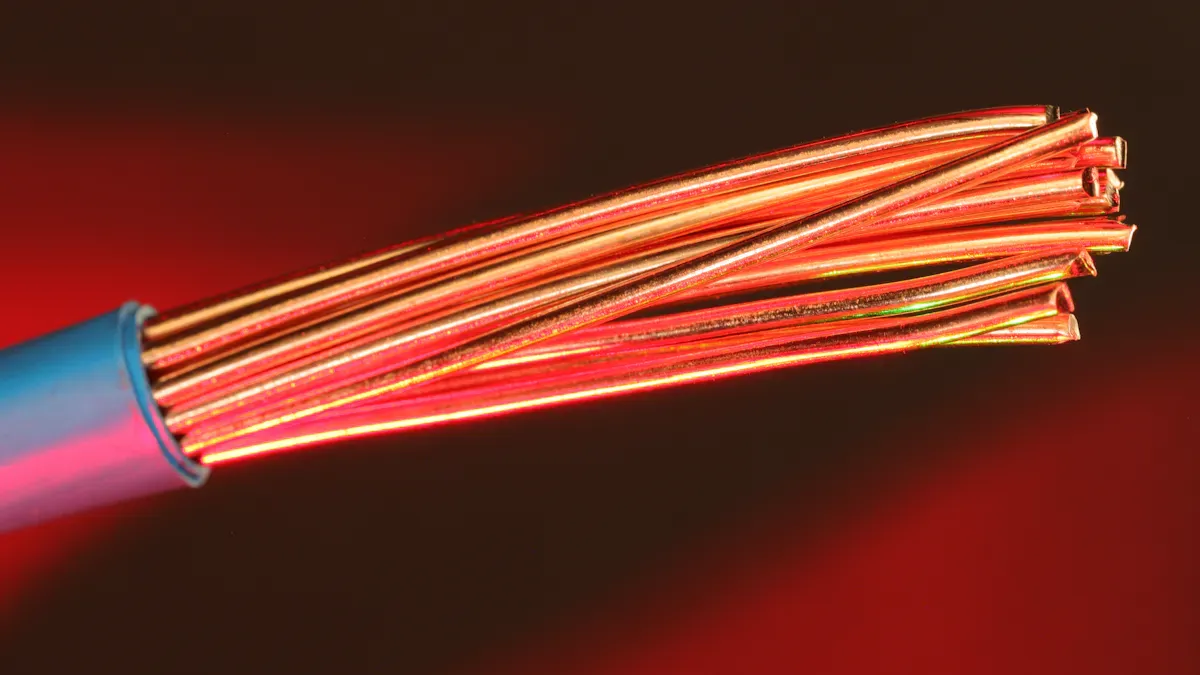
Minimal Bulk and Space Efficiency
You want your devices to stay small and light. Ultra thin wall heat shrink tubing helps you do this. It adds almost no extra size to wires or parts. You can fit more features into the same space. This makes your projects lightweight and space-efficient. Many manufacturers use special processes to make this tubing very thin. You can see how thin it gets in the table below:
Feature | Specification |
|---|---|
Nominal Wall Thickness | 0.005" (0.127 mm) and below |
Minimum Wall Thickness | 0.001" (0.025 mm) |
Tolerances | ± 0.0005" (0.0127 mm) |
You can use thin wall polyolefin heat shrink tubing to cover even the smallest wires. This helps you downsize your devices without losing protection. You can also add new features without making your device bigger.
Superior Electrical Insulation
You need to keep your wires safe from short circuits. Heat shrink tubing gives you excellent insulation. Ultra thin wall heat shrink tubing still protects your wires, even though it is very thin. You can see how it compares to standard tubing in the table below:
Type of Tubing | Rated Voltage | Breakdown Strength |
|---|---|---|
Standard Heat Shrink | 600V | ≥15kV/mm |
Ultra Thin Heat Shrink | 300V | N/A |
You get superior electrical insulation for most low-voltage uses. Thin wall polyolefin heat shrink tubing works well in electronics, medical devices, and sensors. You can trust it to keep your circuits safe. It also helps you avoid bulky insulation that takes up space.
Flexibility and Snug Fit
You want your tubing to bend and stretch without breaking. Ultra thin wall heat shrink tubing gives you this flexibility. Polyimide tubing bends easily and stays strong. It stretches without tearing. You can use it in medical tools and electronics because it lasts a long time.
Polyimide tubing bends easily and keeps its shape.
It has high tensile strength, so it stretches without breaking.
It works well in medical and electronic devices.
You also want your tubing to fit tightly around wires and connectors. Thin wall polyolefin heat shrink tubing gives you a snug fit, even on odd shapes. You get a smooth finish with less wrinkling. The tubing seals out moisture and dirt. You can use it on connectors, wiring harnesses, and even in harsh places like cars and airplanes.
Higher shrink ratios give a tighter fit.
The tubing covers size changes and complex shapes.
It protects against water and dust.
You can use it in cars, boats, and planes.
It makes installation easy, even over large connectors.
You can also use adhesive lined heat shrink for extra sealing. Thin wall adhesive lined heat shrink gives you a strong bond and keeps out moisture. You get extra protection for your wires and parts. Many people use adhesive lined heat shrink in places where water or chemicals might get in.
Tip: Use adhesive lined heat shrink when you need a waterproof seal or extra strength.
You can choose thin wall polyolefin heat shrink tubing or adhesive lined heat shrink for many jobs. Both types help you make reliable and neat projects. You get the benefits of flexibility, a snug fit, and excellent insulation.
Applications of Ultra-Thin-Wall Heat-Shrink Tubing
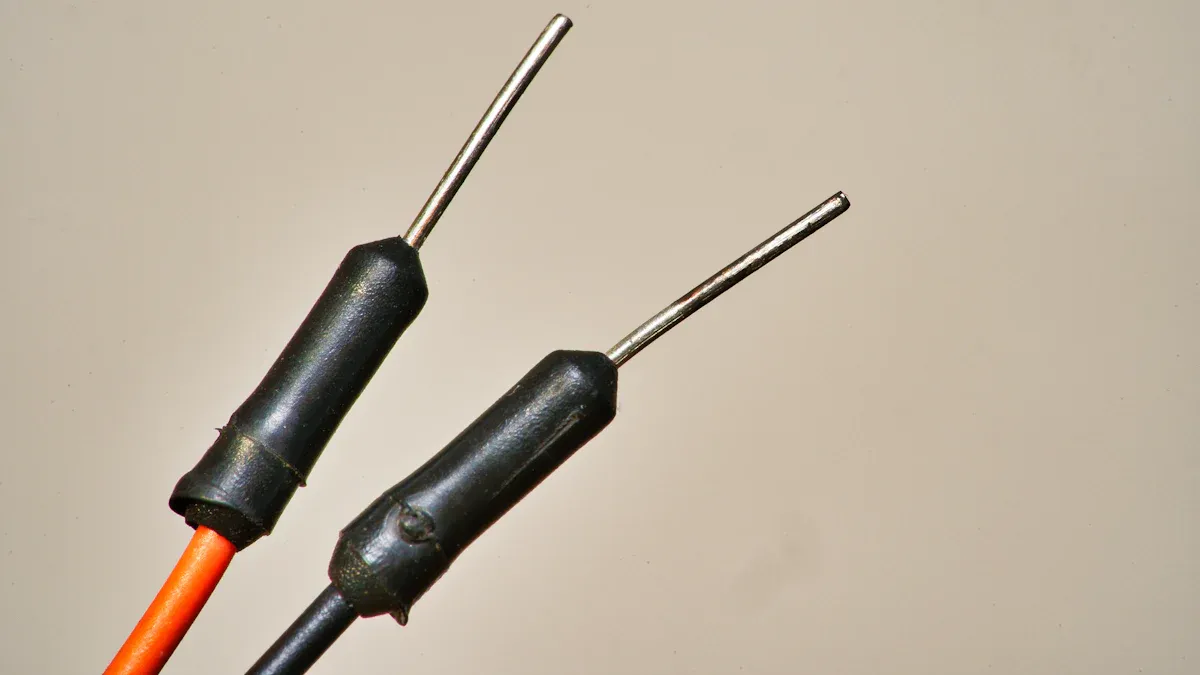
Medical Devices and Endoscopes
Ultra thin wall heat shrink tubing is used in medical devices. It helps keep devices small and easy to bend. You can use it in catheters that need to be strong but not thick. Medical-grade heat-shrink tubing covers sharp edges and stops fluid leaks. It gives a smooth layer for protection. You can mark and print on tubes with this tubing. This saves you time and extra steps.
Application Type | Specific Requirements |
|---|---|
Variable-stiffness catheters | Adds stiffness without making devices bigger; different thicknesses help with flexibility. |
Protective covering | Makes a strong layer; covers sharp edges smoothly; stops fluid leaks. |
Reinforcement | High hoop strength helps reinforce; supports balloon bonds when inflating. |
Tube marking and printing | Custom printing avoids printing problems in your process. |
Electrical insulation | High dielectric strength; adds little size; protects from burns during electrical stimulation. |
You must use tubing that meets strict safety rules. Medical devices need FDA and USP Class VI certifications. These rules make sure tubing is safe for people and does not cause allergies.
Certification | Description |
|---|---|
FDA | Makes sure tubing is safe for medical use and has no harmful stuff. |
USP Class VI | Shows tubing works well with human tissue and lowers allergy risk. |
Note: Always pick tubing that is safe for people and devices.
Electronics and Small Connectors
Heat shrink tubing keeps wires safe in electronics. Thin wall polyolefin heat shrink tubing gives great insulation and fits tightly around small connectors. You can use it in phones, computers, and other small devices. This tubing keeps out water, dust, and chemicals. It also handles high heat and gives reliable insulation for a long time.
Benefit | Description |
|---|---|
Effective insulation | Blocks water, dust, and dirt, so parts last longer. |
Mechanical reinforcement | Keeps parts safe by stopping short circuits with a tight fit. |
Protection against environmental factors | Resists chemicals and heat, so electrical parts stay safe. |
Lightweight | Keeps parts insulated without making them heavy, good for small electronics. |
Long-term performance | Lasts a long time, so connections stay safe and strong. |
Snug fit | Fits tightly around small connectors, stops movement, and keeps insulation strong. |
Compact connections | Works well in phones and computers where space is tight and reliability matters. |
Ultra thin wall heat shrink tubing stops common problems. It prevents electrical leaks and keeps devices safe after cleaning. Thin wall polyolefin heat shrink tubing and adhesive lined heat shrink both make a waterproof layer and resist scratches. You can use thin wall adhesive lined heat shrink for extra waterproofing and a strong hold.
Aerospace and Automotive Uses
Aerospace and automotive jobs are tough. Thin wall polyolefin heat shrink tubing and adhesive lined heat shrink protect wires and parts from heat, shaking, and chemicals. You need tubing that stays strong but does not add much weight. This tubing resists scratches and keeps wiring safe in engines and tight spaces.
High Temperatures: Tubing must handle hot engines and exhausts.
Vibration and Mechanical Stress: Tubing must survive shaking and movement.
Chemical Exposure: Tubing must resist oils, fuels, and cleaners.
Radiation: Tubing must last in places with lots of radiation.
Weight Constraints: Tubing must be light but strong.
Safety and Reliability: Tubing must meet strict safety rules.
Thin wall polyolefin heat shrink tubing and adhesive lined heat shrink are used a lot in these fields. You get light, flexible protection that meets high standards. The tubing works well for wiring harnesses and complex setups. You can trust it for insulation and waterproofing in electric cars, airplanes, and satellites.
Tip: Use adhesive lined heat shrink for a strong, waterproof seal in tough places.
Comparing Thin Wall Heat Shrink Tubing Types
Ultra Thin Wall vs. Standard Tubing
It is important to know how ultra thin wall heat shrink tubing is different from standard tubing. Ultra thin wall heat shrink tubing has much thinner walls than standard tubing. This makes it less bulky and more bendable. You can use it in small spaces where there is not much room. Standard tubing is thicker and gives more protection, but it takes up more space. Ultra thin wall tubing is more fragile, so you need to handle it with care. It is best when you want your device to stay small and light.
Thin Wall Polyolefin Heat Shrink Tubing
Thin wall polyolefin heat shrink tubing has many good qualities. It gives strong insulation and is tough. You can use it in many different jobs. It works for electrical insulation, strain relief, and keeping out water. It also protects against fire and chemicals. Thin wall polyolefin heat shrink tubing bends easily and fits over odd shapes. You can use it in hot places or when you need a high shrink ratio.
Here is a table that shows the main features:
Characteristic | Description |
|---|---|
Excellent all-purpose insulation | Provides reliable insulation for various applications. |
High flame retardancy | Ensures safety in electrical applications by resisting flames. |
Flexibility | Allows for easy application over irregular shapes. |
Superior resistance to abrasion | Enhances durability in demanding environments. |
Compliance with UL and CSA specs | Meets industry standards for safety and performance. |
High shrink ratios | Available in multiple shrink ratios (2:1, 3:1, etc.) for versatile use. |
Low recovery temperatures | Suitable for low-temperature applications to protect underlying components. |
Operating range | Functions effectively between -55°C to 135°C. |
Thin wall construction | Provides a lightweight solution for various applications. |
You can use thin wall polyolefin heat shrink tubing for wire harnesses and to keep out water. It also helps cover wires that need to resist fire. You can use it for marking wires and packing parts. Thin wall adhesive lined heat shrink gives even better waterproofing and a strong hold. Use adhesive lined heat shrink if you need to block water or chemicals.
Choosing the Right Heat Shrink Tubing
You should think about a few things before picking heat shrink tubing. First, check what you need it for. Medical, aerospace, and factory jobs all need different kinds. Next, decide if you want single wall or adhesive lined heat shrink. Adhesive lined heat shrink keeps out water and gives extra safety. Pick the right material for your job. Polyolefin works for most uses. Make sure the tubing will fit your wires after shrinking. You can also pick colors and markings to help you tell wires apart.
Here is a list to help you choose:
Application type: Medical, aerospace, or industrial.
Wall construction: Single wall or adhesive lined heat shrink.
Material: Polyolefin or other types.
Sizing: Make sure the tubing fits after shrinking.
Extra needs: Color, marking, or cut-to-length.
Tip: Always check if the tubing can handle the heat and chemicals. Pick a high shrink ratio for odd shapes or big connectors.
You can use adhesive lined heat shrink for extra sealing. Thin wall adhesive lined heat shrink is best when you need both bending and waterproofing. It gives great insulation and keeps things safe for a long time.
You get lots of good things when you use ultra thin wall heat shrink tubing. It gives strong insulation. It is light and fits in small places. Here are the main features:
Feature | Description |
|---|---|
Post-recovery thickness | 0.3 mm to 1 mm |
Lightweight nature | Easy to use in compact designs |
Flexibility | Works well for low-profile needs |
When you pick tubing, think about where you will use it. Check the size you need. Decide if you want adhesive lined heat shrink or thin wall adhesive lined heat shrink for extra sealing. Always choose tubing that matches your project. This helps you do your work right and keeps everything safe.
The market is growing because people want safe insulation.
Adhesive lined heat shrink keeps out water and protects from damage.
Tip: Always pick the best tubing for your job so it lasts a long time.
FAQ
What is ultra thin wall heat shrink tubing?
Ultra thin wall heat shrink tubing is a special type of tubing. You use it to cover wires and parts. It gives strong insulation and does not add much size. You can use it in small devices where space matters.
How do you install heat shrink tubing?
You slide heat shrink tubing over the wire or connector. You use a heat gun or another heat source. The tubing shrinks and fits tightly. You get a smooth and secure covering that protects your parts.
Where can you use heat shrink tubing?
You can use heat shrink tubing in many places. It works in electronics, medical devices, cars, and airplanes. You use it to insulate wires, seal connectors, and protect parts from water, dust, and chemicals.
What makes heat shrink tubing better than tape?
Heat shrink tubing gives a tighter and longer-lasting fit than tape. You get better protection from water and dirt. Tape can peel off or move. Tubing stays in place and covers odd shapes well.
Can you use heat shrink tubing for repairs?
Yes, you can use heat shrink tubing to fix damaged wires or connectors. You slide the tubing over the broken area and heat it. The tubing shrinks and seals the spot. You get a safe and neat repair.
See Also
The Importance of Ultra-Thin PET Tubing in Medical Applications
Selecting Ideal Ultra-Thin PET Heat Shrink Tubing for Projects
Applications of Heat Shrink Tubing for Electrical Wire Insulation

© Copyright 2024 My First Blog - All Rights Reserved.