Why top medical device OEMs pick PET for OCT catheters

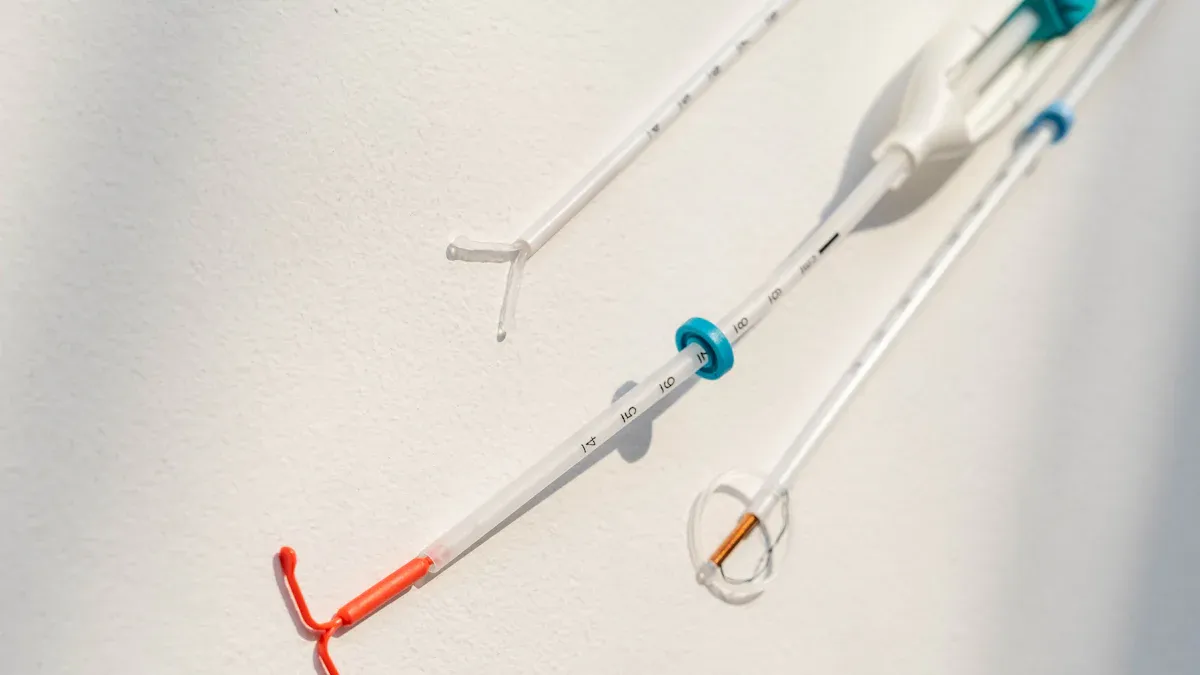
You see more top medical device OEMs using PET for OCT catheter sheaths. They pick PET because it works better and is safer than PTFE. Picking the right material helps the device work well and keeps patients safe. It also makes it easier to follow rules. You may wonder why PET is the best choice for OCT catheter sheaths. The answer starts with knowing how picking materials changes results in healthcare.
Key Takeaways
Top medical device OEMs pick PET for OCT catheters because it gives clear pictures. This helps doctors find problems early.
PET is safe for the body. It lowers the chance of blood clots. This keeps patients safe during procedures.
PET is bendy and strong. Catheters can bend without snapping. This helps them work well in small spaces.
PET follows environmental rules better than PTFE. This makes it safer for people and the Earth.
Using PET to make catheters helps work go faster. It saves time and money. The quality stays high.
Why top medical device OEMs prefer PET
Optical and Imaging Benefits
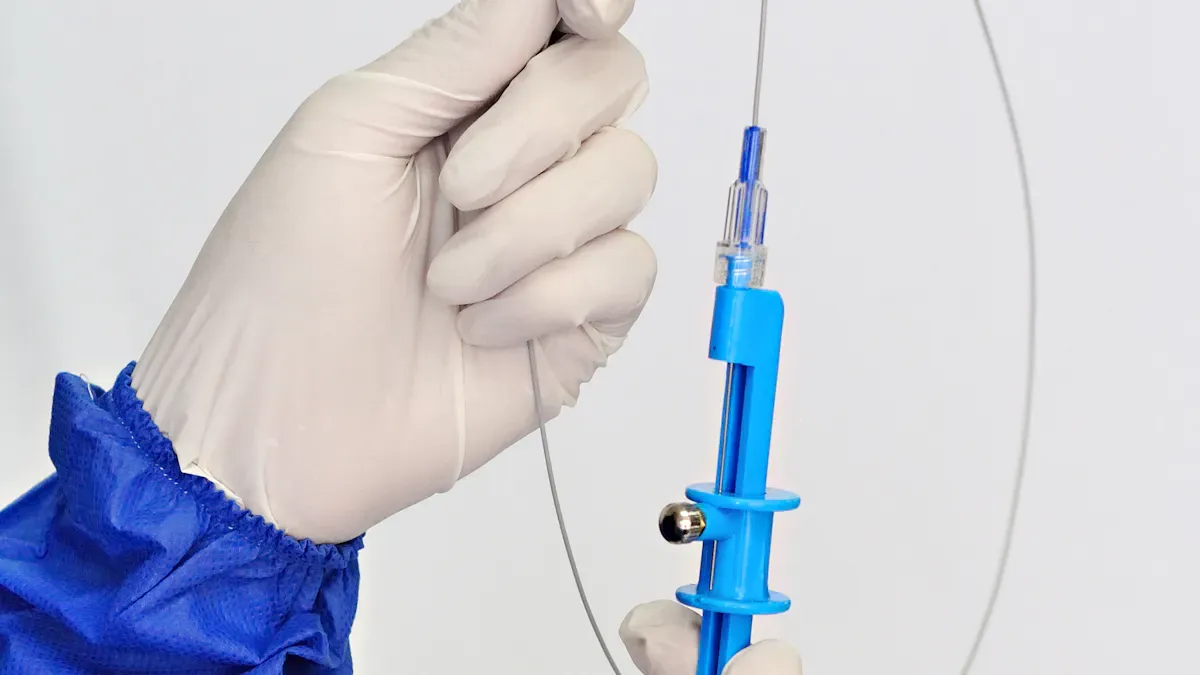
You need clear pictures when using an OCT catheter. PET helps you see these pictures well. Light goes through PET with little loss. This lets you see sharp and detailed images inside blood vessels. PET does not scatter light as much as PTFE. You can spot small changes in tissue more easily. Top medical device OEMs pick PET because it helps doctors make good choices during procedures.
Tip: Clear pictures help doctors find problems early and treat patients quickly.
Biocompatibility and Thrombogenicity
You want a material that works well with the body. PET is known for being safe in the body. It does not cause strong reactions in blood or tissue. This lowers the chance of blood clots. PTFE can attract proteins that may cause clots. PET lowers this risk.
You can see the difference in the table below:
Evidence Type | Findings | Implications |
|---|---|---|
Hemocompatibility Analysis | DLC-coated ePTFE grafts had more albumin and fibrinogen stick to them than uncoated ePTFE. | More albumin compared to fibrinogen means better hemocompatibility. |
Platelet Adhesion | DLC made platelets stick less and stay round. | Less activation means safer contact with blood. |
Using PET helps blood flow smoothly. Top medical device OEMs want materials that keep patients safe during and after procedures.
Flexibility and Durability
You need a catheter that bends but does not break. PET gives you both bend and strength. You can move the catheter through tight spaces in the body. The material does not crack or wear out fast. This means the device lasts longer and works better.
PET sheaths bend to fit blood vessels.
The material holds up to lots of use and movement.
You get fewer device problems and better results for patients.
Top medical device OEMs trust PET because it helps them make safe and strong catheters. You can rely on PET to work well in tough situations.
PET vs. PTFE in OCT catheter sheaths
Imaging Performance
You want to see clear pictures with an OCT catheter. PET lets light pass through with little scattering. This helps you spot tiny details inside blood vessels. PTFE scatters more light, so images can look blurry. Using PET helps doctors find problems sooner. Top medical device OEMs pick PET because it gives better images and helps them care for patients.
Note: Clear pictures help doctors make quick and correct choices.
Hydrophilicity and Insertion Ease
You need a catheter that slides easily in blood vessels. PET can be made more hydrophilic. This means it attracts water and gets slippery. A slippery surface helps the catheter move into place without trouble. PTFE is also slippery, but it is harder to make this way. PET gives smooth movement and is easier to make. This makes procedures safer and more comfortable for patients.
PET sheaths can be treated to become more hydrophilic.
Smooth insertion lowers the chance of hurting blood vessels.
Environmental and Regulatory Factors
You want to keep patients and the planet safe. PTFE has chemicals called PFAS. These are called "forever chemicals" because they do not break down fast. PFAS can build up in water, soil, and living things. This can cause worries about health and the environment.
PFAS in PTFE are big molecules, so they are less likely to cause harm than small PFAS.
PFAS can stay in nature for a long time and move up the food chain.
Makers must follow strict rules from groups like the EPA and ECHA.
PET does not have these worries. It fits new safety and environmental rules better. Top medical device OEMs pick PET to follow rules and help protect the planet.
Impact of PET on OCT catheter performance
Device Reliability
You want your OCT catheter to work every time. PET makes the device strong and steady. The material does not break or wear out quickly. You can trust it during long procedures. PET stands up to bending and twisting. This means the device fails less often. You do not worry as much about breaks or leaks. Your team can help patients instead of fixing tools.
Tip: Reliable devices help you finish faster and feel less stress.
Patient Safety
You want to keep patients safe. PET helps you do this. The material does not cause strong body reactions. It lowers the chance of blood clots. You see fewer problems like swelling or infection. PET sheaths let blood flow easily. Patients get better faster after the procedure.
Here is a quick look at how PET keeps patients safe:
Safety Feature | Benefit for Patients |
|---|---|
Low thrombogenicity | Fewer blood clots |
Smooth surface | Less vessel damage |
Biocompatibility | Lower risk of reactions |
You can trust PET to keep your patients safe during care.
Manufacturing Efficiency
You want to make catheters fast and well. PET helps you do this. The material is easy to shape and cut. You can make many sheaths with less waste. PET works well with new machines. You save time and money when making catheters. Top medical device OEMs pick PET because it helps them meet high standards and deliver on time.
Note: Efficient manufacturing means you get good devices faster and at a better price.
You can see why PET is special for OCT catheter sheaths. Top medical device OEMs pick PET for many reasons. It helps doctors see clearer images to find problems. It is safer when it touches blood and body tissue. PET is better for the environment and does less harm. It also makes it easier to follow safety rules.
As science gets better, you will see more new ideas. These new changes will help you give safer and better care to patients.
FAQ
What is PET and why do you use it in OCT catheters?
PET stands for polyethylene terephthalate. You use it because it gives clear images, bends well, and keeps patients safe. Doctors trust PET for its strength and smooth surface.
How does PET improve OCT imaging?
You get sharper images with PET. The material lets light pass through with little scattering. This helps you see small details inside blood vessels.
Is PET safe for patients?
Yes, PET is safe. You see fewer blood clots and reactions. Doctors choose PET because it works well with blood and tissue.
Can you recycle PET catheters?
You can recycle PET in many cases. Some hospitals collect used PET devices for recycling. Always check your local rules before recycling medical devices.
How does PET compare to PTFE for the environment?
Material | Environmental Impact |
|---|---|
PET | Easier to recycle |
PTFE | Contains PFAS |
You help the planet by choosing PET. It fits new safety and environmental rules.
See Also
Understanding Integrated Balloon And Catheter OEM Solutions
Why PTFE Is The Best Material For Medical Catheters
Three Reasons Etched PTFE Outperforms Other Catheter Materials

© Copyright 2024 My First Blog - All Rights Reserved.