How PET Heat Shrink Tubing Bundles and Protects Components in Single-Use Medical Devices

You use single-use medical device assembly PET heat shrink tubing to put together single-use medical devices. It helps bundle and protect important parts. This PET heat shrink tubing wraps tightly around wires, catheter shafts, and other components, keeping the shape of each device. This ensures a neat and even appearance every time. By choosing single-use medical device assembly PET heat shrink tubing, you contribute to reducing wasted materials.
Single-use medical device assembly PET heat shrink tubing makes your medical device stronger and last longer.
You do not need to replace parts often, so you save materials.
This PET heat shrink tubing helps prevent mistakes during device assembly, leading to less waste.
Single-use medical device assembly PET heat shrink tubing also enhances the safety and reliability of each medical device. Its thin walls and robust construction make medical products lightweight yet durable. You can rely on single-use medical device assembly PET heat shrink tubing to ensure that disposable medical devices function effectively.
Key Takeaways
PET heat shrink tubing makes medical devices stronger. It helps them last longer. This means fewer replacements are needed.
PET tubing helps stop assembly mistakes. This leads to less waste. Production becomes faster and easier.
This tubing is safe for patients. It meets tough medical rules for biocompatibility. It can also handle sterilization.
PET heat shrink tubing keeps device parts safe from dust. It protects them from water and damage. This helps parts stay clean and work well.
Picking PET tubing helps the environment. It cuts down on material waste. It also lets people recycle more.
PET Heat Shrink Tubing in Medical Device Assembly
Material Properties of PET Tubing
You use PET heat shrink tubing because it has special features. These features help in single-use medical device assembly. The tubing has very thin walls. It gives strong insulation and is very tough. You can see these important features in the table below:
Property | Measurement |
|---|---|
Dielectric Strength | > 4,000 V/mil |
Long-term Temperature Range | -196°C to 135°C |
Short-term Temperature Range | Up to 200°C |
Melting Point | 235°C |
Shrinkage Capability | Up to 50% or more |
PET heat shrink tubing also follows strict medical rules for biocompatibility. It passes ISO 10993-5 and ISO 10993-10 tests. These tests check for cell safety and irritation. You can trust this tubing to be safe for patients. It can also handle sterilization. The tubing shrinks tightly around parts when heated between 70°C and 190°C. The best shrinking happens at 150°C. This makes sure the tubing fits well and works right in medical device making.
PET heat shrink tubing is clear and bends easily. This helps make new types of medical devices. For example, wearable medical devices need light and flexible materials. PET heat shrink tubing is good for these needs. It stays strong and safe.
How PET Tubing Bundles and Protects
You use PET heat shrink tubing to hold and protect small medical device parts. The tubing covers parts and keeps out electrical problems. It gives a smooth surface that is safe for the body. This smoothness helps when putting devices in, making it more comfortable for patients. PET heat shrink tubing keeps its shape and works well even after many uses.
Property | Benefit |
|---|---|
Biocompatibility | Ensures safe use in medical applications, minimizing risk to patients. |
Mechanical Strength | Prevents wear and tear, enhancing the longevity of medical devices. |
Chemical Resistance | Endures exposure to harsh cleaning agents, maintaining device integrity. |
Conformity | Adapts tightly to various shapes, providing effective protection. |
You get help from PET heat shrink tubing because it keeps out dust, water, and dirt. This is very important for keeping things clean in hospitals. The tubing also protects weak parts from bumps and scratches. This helps your medical device parts last longer.
PET heat shrink tubing follows important rules like ISO 13485, FDA rules, and RoHS. It also meets ISO 10993 and USP Class VI. This means it is safe and high quality for making medical devices. More than 30 FDA-approved devices have used this tubing in the last two years. This shows it works well in real life.
Benefits of PET Tubing for Single-Use Devices
Durability and Insulation
You want your single-use medical device assembly PET heat shrink tubing to last. PET heat shrink tubing gives strong protection to medical device parts. The tubing stays strong even after many uses and cleanings. You can check its performance in the table below:
Evidence Description | Performance Metrics |
|---|---|
Strength retention after 2,000 uses | 98% |
Strength retention after 50 hydrogen peroxide cleanings | 88% |
Water absorption | Less than 0.3% |
PET heat shrink tubing blocks electricity from passing through. This insulation keeps patients and workers safe. You do not have to worry about shocks or electrical problems. The tubing also protects important parts from bumps and drops. You get good results every time you use these medical devices.
Tip: PET heat shrink tubing helps you follow strict safety rules in medical device making. You can trust its quality and how well it works for important jobs.
Profile Preservation and Efficiency
You need your medical devices to keep their shape and work well. PET heat shrink tubing wraps tightly around wires and other parts. This helps each device keep its shape. The tubing fits closely, so devices are not bulky or uneven. This makes them easier to use and more comfortable for patients.
PET heat shrink tubing also helps you save time and materials when making devices. You do not need extra glue or tape to hold parts together. The tubing shrinks with heat and holds everything in place. This cuts down on waste and makes production faster. You can make more devices with less work.
Here are some main benefits of PET heat shrink tubing for keeping shape and working better:
Keeps device shape during and after sterilization.
Uses fewer extra materials, so you save money and waste less.
Makes assembly faster, so manufacturing is more efficient.
Works with complex designs by fitting many shapes.
You can see how PET heat shrink tubing helps in the table below:
Attribute | Description |
|---|---|
Durability | Works well in tough conditions like sterilization and stress. |
Flexibility | Bends to fit complex device shapes for a good fit. |
Heat Resistance | Handles very hot and cold temperatures without problems. |
Biocompatibility | Meets ISO 10993 and USP Class VI standards for safe contact with people. |
Compliance | Follows FDA and ISO rules for safe medical use. |
Sterilization | Works with autoclaving, gamma rays, and hydrogen peroxide cleaning. |
A study on catheter assemblies showed PET heat shrink tubing keeps wash-out very low. This means your devices stay clean and safe to use.
Chemical Resistance and Biocompatibility
You need tubing that stands up to strong cleaners and sterilization. PET heat shrink tubing resists chemicals used in hospitals. This keeps the insulation strong and parts safe, even after many cleanings. FEP tubing is even better with chemicals, but PET heat shrink tubing still protects most medical devices very well.
Biocompatibility is another big benefit. PET heat shrink tubing meets ISO 10993 and USP Class VI standards. This means you can use it safely in medical devices. The tubing is made from safe materials, so it does not hurt patients or workers. It also follows FDA rules and other important standards for medical use.
Note: PET heat shrink tubing helps you meet safety and quality rules in medical device making. You can count on it because it works well in real life.
PET heat shrink tubing is also good for the environment. You use less material because the tubing lasts longer and needs fewer replacements. Many types of PET heat shrink tubing can be recycled or break down naturally. This means less waste and helps make medical devices more eco-friendly.
Cuts down on waste because it lasts longer than other options.
Saves energy by protecting wires and needing fewer repairs.
Uses materials that are better for the planet.
Lowers pollution by needing fewer replacements and repairs.
Does not use harmful chemical coatings, so devices are safer for the environment.
You get all these benefits when you pick PET heat shrink tubing for your medical device parts. You make devices safer, more reliable, and more efficient every time.
Applications in Single-Use Medical Device Assembly
Catheters, Cables, and Marker Bands
You find PET heat shrink tubing in many medical devices. When making catheters, you use PET tubing to make shafts and marker bands stronger. This tubing gives strength and lets you bend it to fit tricky parts. It stops catheters from bending too much, so fluids keep moving. This helps doctors do their jobs well. The tubing also seals marker bands tightly. This helps doctors put devices in the right spot during surgery.
PET heat shrink tubing makes catheter shafts and marker bands stronger.
You use tubing to help parts bend and stay strong.
The tubing keeps catheters from bending too much.
You get a tight seal on marker bands for good placement.
You can add heat shrink rings to make tubing stiffer if needed.
You also use PET heat shrink tubing for wires and cables in medical devices. The tubing holds these parts together and keeps them safe from harm. It helps keep everything neat and easy to use. This makes single-use medical devices safer and more reliable.
Energy-Delivery and Electrical Components
You need PET heat shrink tubing for catheters that deliver energy and for electrical parts in medical devices. The tubing stops electricity from leaking out, so patients stay safe. It also stands up to strong cleaners and liquids used in hospitals. The tubing works well when heated or cooled and during cleaning.
PET heat shrink tubing keeps electricity inside for safety.
You protect device parts from heat and chemicals.
The tubing stays strong during cleaning and making.
You follow rules for making safe medical devices.
PET tubing helps make devices safe for people to use.
You see PET heat shrink tubing used in many ways, like in braided catheter shafts, spring coils, marker bands, wires, and cables. You trust this tubing to keep medical device parts safe and working well every time.
PET Heat Shrink Tubing Application Steps
Tubing Selection and Preparation
First, pick PET heat shrink tubing that fits your device parts. Check the diameter of each part before you choose the tubing. Make sure the tubing is not too tight or too loose. Cut the tubing to the right length for your needs. Look at the shrink ratio and how well the tubing keeps its shape. These things help the tubing fit well and work right. The table below shows what you should think about:
Criteria | Description |
|---|---|
Shrink Ratio | Helps tubing fit around different shapes, important for catheter applications. |
Dimensional Accuracy | Makes sure tubing fits perfectly and works as expected. |
Tubing must stay strong after sterilization processes. | |
Radial and Axial Shrinkage | Controls how tubing changes in diameter and length during heat application. |
Material Properties | Affects strength, durability, and reliability in medical device manufacturing. |
After you pick the tubing, slide it over the parts you want to cover. Make sure the tubing covers every spot that needs protection or insulation.
Shrinking Process and Best Practices
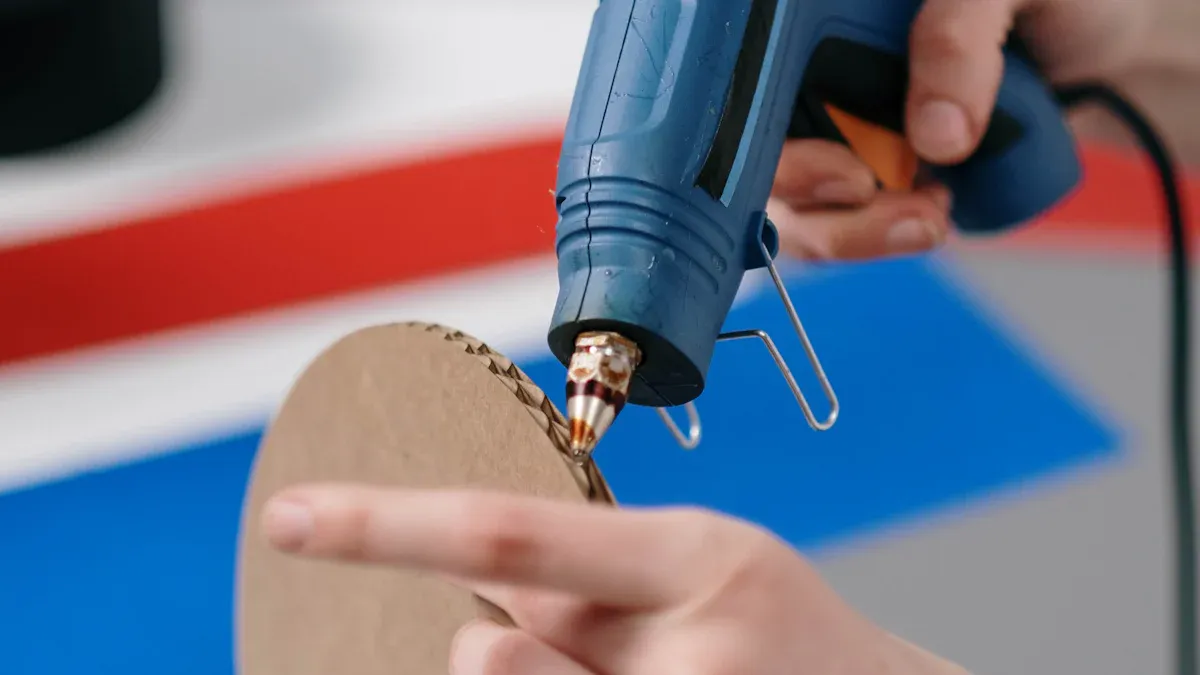
Use heat to make the PET tubing shrink tightly around your device parts. Set your heat gun or oven to about 150°C (302°F). Hold the heat source at a safe distance and move it back and forth. Turn the device so the tubing shrinks evenly. Start heating in the middle and move toward the ends. This helps the tubing look smooth and even.
Use heat tools that let you control the temperature.
Watch the tubing as it shrinks to avoid problems.
Do not keep the heat in one place for too long.
Let the tubing cool for five minutes before you touch it.
Tip: Heating the tubing evenly stops bubbles and weak spots. This keeps your device safe and strong.
Quality Control in Assembly
Check the PET heat shrink tubing after you finish shrinking it. Make sure the tubing fits tightly and there are no loose spots. Look for tears, bubbles, or places where the tubing did not shrink right. Test the tubing for strength, insulation, and heat resistance. The table below shows tests and what you should see:
Test Type | Purpose | Expected Outcome |
|---|---|---|
Tensile Strength Test | Checks durability | Tubing does not tear or stretch easily |
Seal Test | Checks insulation | No leaks or gaps |
Heat Resistance Check | Checks thermal stability | Tubing stays intact after heating |
You also need to check that the tubing meets safety and medical rules. Good inspection helps your PET heat shrink tubing work well and stay safe for every use.
You can see that single-use medical device assembly PET heat shrink helps make devices safe and reliable. PET heat shrink tubing keeps medical device parts safe with strong electrical protection, can handle cleaning, and is safe for the body. The table below lists the main benefits:
Benefit | Description |
|---|---|
High Dielectric Strength | Handles strong electrical fields, key for catheters and cables. |
Sterilization Resistance | Maintains insulation after sterilization processes. |
Biocompatibility | Meets medical standards for safe use in blood vessel devices. |
Flexibility and Toughness | Adapts to complex shapes and resists stress. |
Ultra-thin Walls | Insulates without adding bulk. |
Cost-effectiveness | Durable and easy to use, supporting compliance. |
When you pick PET, you help keep all medical device parts safe and strong. PET does not get damaged by cleaning, keeps labels easy to read, and follows tough rules. For your next project, make sure you choose the right size, shrink ratio, and follow medical rules. PET lets you make safe, reliable, and good-working devices every time.
FAQ
What makes PET heat shrink tubing suitable for single-use medical devices?
You pick PET heat shrink tubing because it insulates well. It bends easily and fits tightly around parts. It follows strict safety rules. You use it in many medical devices. It keeps parts safe and secure.
How do you apply PET heat shrink tubing during device assembly?
You put the tubing over the device part. Then you heat it up. The tubing shrinks and wraps tightly. It protects the part and gives a smooth finish. You get a safe and neat result every time.
Can PET tubing handle sterilization processes?
You use PET tubing with common cleaning methods. It stays strong after autoclaving or gamma radiation. It also works after hydrogen peroxide cleaning. Your medical devices stay safe and reliable.
Is PET heat shrink tubing safe for patients?
You use PET heat shrink tubing that passes ISO 10993 and USP Class VI tests. It does not cause harm or irritation. You can trust it to keep patients safe.
What types of components benefit most from PET heat shrink tubing?
You use PET heat shrink tubing for wires and catheter shafts. It also works for marker bands and energy-delivery parts. It protects these parts and helps your devices work well.
See Also
Exploring The Essential Uses Of Ultrathin PET Tubing In Healthcare
The Importance Of Ultra-Thin PET Tubing In Medical Applications
New Developments In FEP Tubing For Healthcare Innovations
The Significance Of Gamma Resistant Tubing In Medical Equipment
Essential Insights On PET Heat Shrink Tubing For Electronics

© Copyright 2024 My First Blog - All Rights Reserved.