How to Select PET Tubing for Cell Therapy Bioreactor Lines

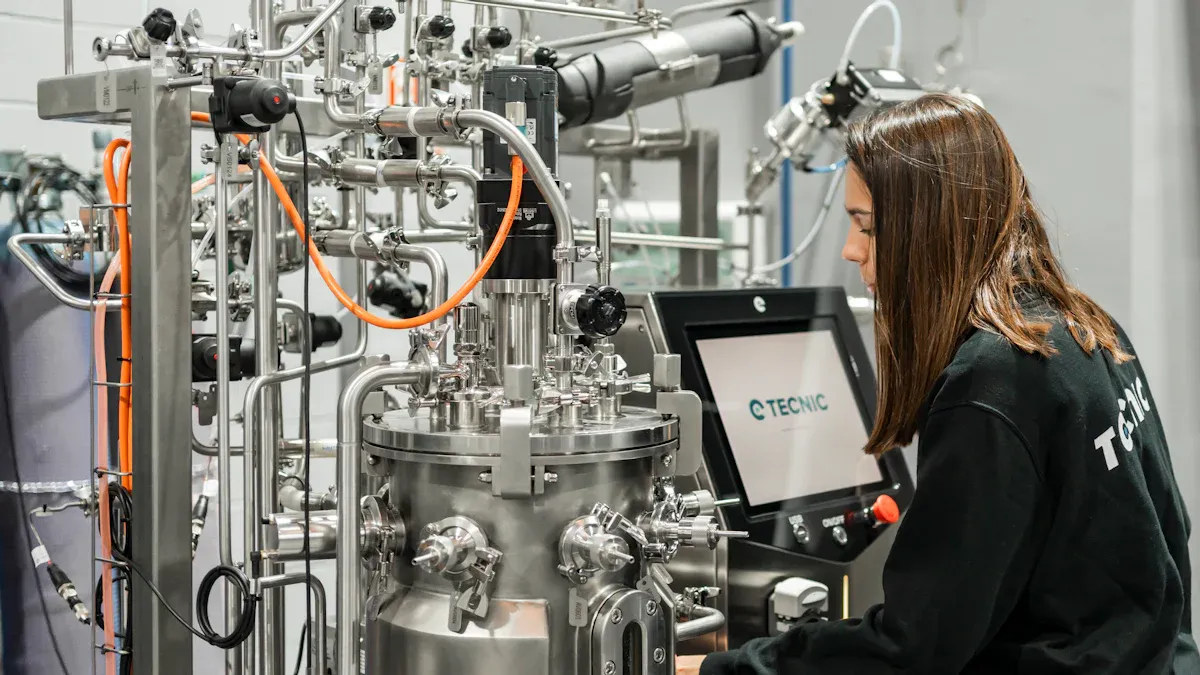
When you pick PET tubing for cell therapy bioreactor lines, you need to look at important things. Check if it works with chemicals, can handle heat, and stays clean. Look at what can come out of the tubing, how bendy it is, and how thick the walls are. Make sure the tubing does not have anything from animals. Pick tubing that follows the rules for cell therapy. Always look at papers from suppliers and check their test results before you choose.
Key Takeaways
Pick PET tubing that works with your chemicals. This keeps your product safe and protects your cells.
Find medical-grade PET tubing. It follows strict rules for safety and purity. This is very important for cell therapy.
Check if the tubing can handle high heat. PET tubing can take high temperatures. This makes it good for sterilization.
Make sure the tubing has no animal-based parts. This lowers the chance of contamination. It also meets the rules.
Always read the supplier’s documents. This helps you check the PET tubing’s quality and safety before you choose it.
PET Tubing for Cell Therapy Bioreactor Lines
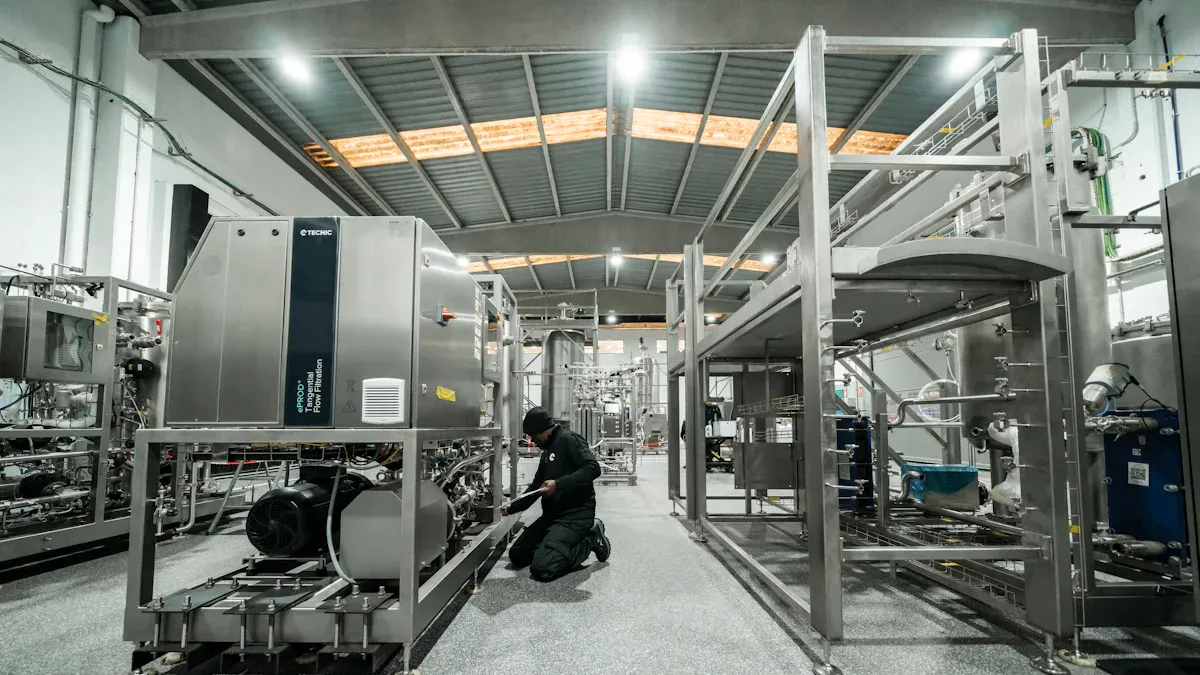
What Is PET Tubing
PET tubing means polyethylene terephthalate tubing. People use this tubing in labs and hospitals. When you pick PET tubing for cell therapy bioreactor lines, you get a strong and see-through material. The surface of PET tubing is smooth. This makes it easier to keep your bioreactor lines clean. You can watch liquids move inside because the tubing is clear. This helps you find problems quickly during your work.
Tip: Always look at the grade of PET tubing before using it in cell therapy bioreactor lines. Medical-grade PET tubing follows strict rules for safety and purity.
Why PET Tubing for Cell Therapy
You choose PET tubing for cell therapy bioreactor lines because it has many good points. PET tubing does not get damaged by many chemicals. This lets you use it with different liquids without worry. The tubing can take the heat needed for cell therapy. PET tubing does not soak up water, so your fluids stay pure. It also has low extractables, which keeps your cells safe from bad things.
PET tubing for cell therapy bioreactor lines gives you:
Clear walls so you can watch your process
Strong protection against chemicals
Low chance of leaching or getting dirty
Good bendiness for easy setup
You can count on PET tubing for cell therapy bioreactor lines to help your process from beginning to end. It helps you reach your safety and quality goals in your bioreactor system.
Key Selection Criteria for Bioprocess Tubing

Chemical Compatibility
You need to make sure your tubing can handle all chemicals in your process. If the tubing reacts with your solutions, your product quality can change. Always look at chemical compatibility data from the supplier. This data shows if the tubing stays strong and safe with your fluids. If you skip this, you might hurt your cells or lose your batch. Chemical compatibility data also helps you avoid bad extractables and leachables that can harm your cells.
Tip: Ask your supplier for a list of chemicals the tubing can handle. Check their chemical compatibility data before you choose.
Temperature Resistance
Your tubing must work well at the temperatures used in cell therapy. Some steps need heat, like sterilization. PET tubing can handle high heat. It can take steam from 121°C to 135°C without losing its shape or strength. This means you can sterilize your tubing many times and still trust it. The tubing keeps its strength and does not break down under heat.
Evidence Type | Description |
|---|---|
Heat Resistance | PET tubing can take high-pressure steam at 121°C to 135°C and stay strong. |
Durability | It keeps its shape after long steam and pressure, so it does not fail. |
Gamma Radiation Resistance | It stays strong even after lots of gamma radiation, better than Nylon 6.6. |
Ethylene Oxide Compatibility | It resists chemicals and does not let out harmful byproducts, so it is good for implantable devices. |
Sterility and Extractables
Sterility is very important in cell therapy. You must keep your tubing free from germs and other bad things. PET tubing can be sterilized by steam, gamma radiation, or ethylene oxide. This keeps your process safe for your cells. You also need to watch for extractables and leachables. These are chemicals that can come out of the tubing and get into your product. Too many extractables and leachables can hurt your cells or change your results. Always ask for sterility and extractables data from your supplier. Look at their reports to make sure the tubing is right for you.
Flexibility and Concentricity
You want tubing that bends easily but does not kink. Good flexibility helps you set up your lines without trouble. Concentricity is also important. This means the inside and outside of the tube line up just right. If the tubing is not concentric, it can cause problems with pumps and pressure. For example, tubing that is not concentric can make flow uneven or cause weak spots.
Concentricity means the center of the inside matches the center of the outside.
It is very important for peristaltic pumps. Bad concentricity can make the pump work poorly.
If the tubing is not concentric, it may have thin spots. These spots can lower the pressure rating and cause leaks.
Even if the inside and outside diameters are correct, the tubing may still not be concentric.
Note: Always check supplier papers for flexibility and concentricity. Ask for test results to make sure the tubing is right for your process.
Wall Thickness and Diameter
The right wall thickness and diameter help your tubing handle flow and pressure. If the tubing is too thin, it may burst. If it is too thick, it may not fit your equipment. PET tubing comes in many sizes for cell therapy systems. You can pick the best size for your process.
Specification | Value |
|---|---|
Expanded ID Range | 0.025” - 0.500” |
Wall Thickness Range | 0.00025” - 0.0020” |
Always check the supplier’s size options and make sure they fit your equipment and process.
Animal-Derived Ingredients
You must not use animal-derived ingredients in your tubing for cell therapy. These ingredients can bring risks, like viruses or germs. Rules say you must list all materials used in your process. You also need to show risk checks for any human or animal-derived materials. This keeps your process safe and helps you follow the rules.
Regulatory Requirement | Description |
|---|---|
Material Listing | INDs must list all materials used, including quality, maker, catalog number, source (human, animal), and stage of use. |
Risk Assessments | Risk checks for human or animal-derived materials should be in the Adventitious Agents Safety Evaluation section. |
Viral Testing | There are special viral testing rules for common human and animal-derived materials, with steps to lower risk. |
Tip: Always ask your supplier for a statement about animal-derived ingredients. Check their papers to make sure the tubing is safe for cell therapy.
When you pick bioprocess tubing, always look at supplier papers and test data. This helps you make the best choice for your cell therapy bioreactor lines.
PET Tubing vs. Other Bioprocess Tubing Options
PET vs. Silicone and TPE
You will see PET, silicone, and TPE tubing in many cell therapy labs. Each material has its own strengths. PET tubing gives you a clear view of your process. You can spot bubbles or blockages right away. Silicone tubing feels soft and bends easily. TPE tubing works well with heat sealing and welding. When you use single-use systems, you want tubing that fits your process and keeps your cells safe.
PET tubing stands out for single-use because it does not absorb water. This helps you keep your fluids pure. Silicone tubing can soak up some liquids, which may change your results. TPE tubing resists many chemicals, but PET tubing gives you better clarity. You can use PET tubing in single-use products that need strong chemical resistance and a clear path for fluids.
Unique Advantages and Limitations
PET tubing offers you low extractables, which means fewer unwanted chemicals enter your process. This is important for single-use products in cell therapy. You can sterilize PET tubing with steam, gamma radiation, or ethylene oxide. Silicone tubing can handle high heat, but it may not keep its shape as well as PET tubing in single-use setups. TPE tubing works well for single-use because you can weld and seal it, but it may not be as clear as PET tubing.
You should know that PET tubing can feel stiffer than silicone or TPE. This may make setup harder in tight spaces. Still, PET tubing gives you strong walls and keeps your process safe. For single-use, you want tubing that meets your needs for strength, clarity, and purity.
Note: Always match your tubing choice to your single-use system and process needs.
Single-Use Applications
Single-use systems have changed cell therapy. You can set up, run, and take down your process without cleaning or reusing parts. PET tubing fits well in single-use products because it resists chemicals and keeps your fluids pure. You can use PET tubing in single-use bioreactor lines, sampling lines, and transfer sets.
Regulatory agencies look at PET tubing for single-use by checking how you use it. If you use PET tubing as part of single-use products for manufacturing, you must follow rules like 21 CFR 211 and ICH Q7A. You also need to show that your single-use tubing does not harm your cells. Testing for biocompatibility follows standards from USP and ISO. These steps help you prove that your single-use system is safe and works well.
You should always check supplier data for single-use products. Look for proof that the tubing meets all safety and quality rules. When you choose PET tubing for single-use, you make your process faster and safer. You lower the risk of cross-contamination and save time on cleaning. Single-use products help you meet strict rules and keep your cell therapy process on track.
Practical Steps for Selection
Supplier Consultation
Start by talking to your supplier about PET tubing. Ask them for all the important papers about the tubing. These papers help you see if the tubing is good for your therapy work. Look for proof that the tubing is safe and high quality. Use this table to help you check the papers:
Documentation Type | Description |
|---|---|
Certificate of Analysis (CoA) | Shows the quality and details of the raw materials. |
Certificate of Origin (CoO) | Tells you where the raw materials come from. |
Quality Management System | Proves the supplier has been checked and meets customer needs (like ISO 9001). |
Ask your supplier about their programs for checking extra materials. These programs help you get approval for therapy products. Make sure the supplier checks risks for important materials every three years. You can keep an eye on suppliers by using forms and visits.
Risk Assessment and Trials
You need to see if the PET tubing works in your therapy process. Do small tests with your real fluids and equipment. Watch for leaks, bends, or changes in how things flow. Check if the tubing stays the same after sterilizing it. Look at the biocompatibility of single-use products to make sure the tubing does not hurt your cells. If you find any problems, talk to your supplier right away.
When you send a cell therapy product for approval, the agency might ask about how you checked extra materials. If you did not do this, you may need more info from your supplier.
Final Decision Process
After testing, look over your notes and the supplier’s papers. Write down what is good about the tubing and any risks. Pick the PET tubing that fits your therapy, works with your equipment, and follows all the rules. Keep all your records for later checks. This careful way helps you keep your therapy process and patients safe.
When you pick PET tubing for your bioreactor, look at chemical compatibility. Make sure the tubing is sterile and has the right wall thickness. These things help keep your gene therapy process safe. They also protect your gene products from harm. Always check data from the supplier before you buy. Test the tubing in your bioreactor to see if it works well. Pick tubing that follows all gene therapy rules. Careful choices help you get good results and keep your process running smoothly.
FAQ
What makes PET tubing safe for cell therapy bioreactor lines?
You can trust PET tubing for your cell therapy bioreactor lines. The tubing does not react with your cell culture fluids. It keeps your cell process free from harmful chemicals. PET tubing also supports sterility, which protects your cell product.
How do you check if PET tubing is compatible with your cell process?
You should always review chemical compatibility data from your supplier. Test the tubing with your cell media and solutions. Watch for any changes in your cell growth or cell health. This helps you keep your cell therapy process safe.
Can PET tubing handle the temperatures used in cell therapy?
Yes, PET tubing can take the heat needed for cell therapy. You can sterilize it with steam or gamma radiation. The tubing keeps its shape and strength. This protects your cell product during every step of your cell process.
Why is low extractables important for cell therapy?
Low extractables mean fewer chemicals leave the tubing and enter your cell culture. This keeps your cell product pure. You lower the risk of harming your cell line. Always ask for extractables data to protect your cell therapy results.
Is PET tubing suitable for single-use cell therapy systems?
You can use PET tubing in single-use cell therapy systems. The tubing resists chemicals and does not absorb water. This keeps your cell fluids pure. Single-use PET tubing helps you avoid cross-contamination and supports safe cell therapy manufacturing.
See Also
Essential Tips for Choosing FEP Autoclavable Heat Shrink Tubing
Selecting the Ideal Ultra-Thin PET Heat Shrink Tubing
Finding the Right FEP Biocompatible Heat Shrink Tubing
The Role of Medical Grade FEP Heat Shrink Tubing in Catheters

© Copyright 2024 My First Blog - All Rights Reserved.