How to Select Ultra-thin Wall PET Heat Shrink Tubing 0.00015 Inch for Medical and Industrial Uses

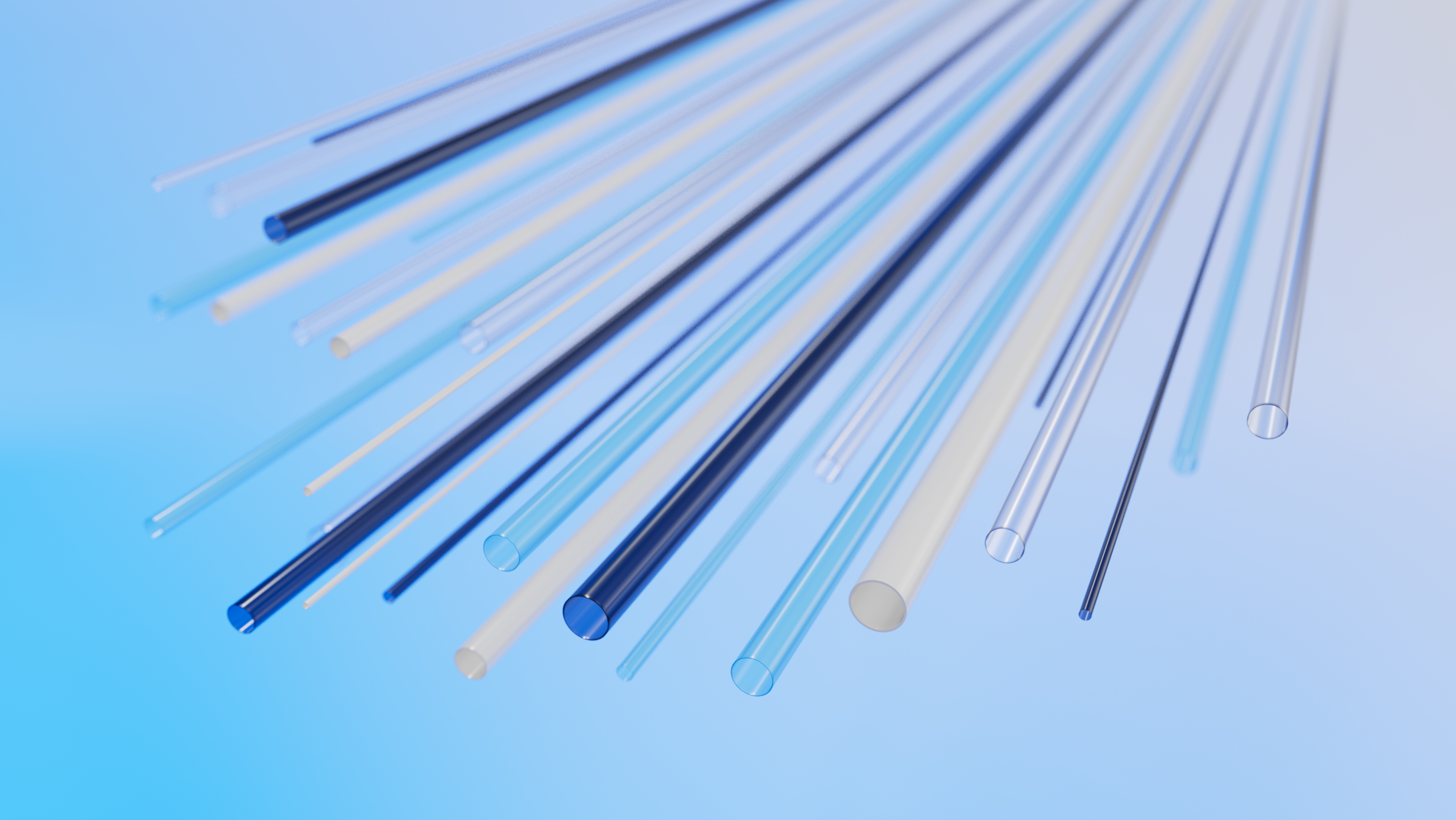
You select Ultra-thin wall PET heat shrink tubing 0.00015" by focusing on the demands of your application, sizing accuracy, material properties, shrink ratios, and compliance with industry standards. Each factor plays a crucial role in performance and safety. Experts recommend you review the following aspects when making your decision:
Factor | Description |
|---|---|
Precise sizing ensures seamless integration into your devices. | |
Material Specifications | Understanding PET properties guarantees compatibility. |
Supplier Selection | Quality assurance from suppliers leads to reliable results. |
Cost-Effectiveness | Balancing quality and affordability supports smart choices. |
Following these steps helps you make a precise and confident selection.
Key Takeaways
Identify your application needs before selecting PET heat shrink tubing. Medical and industrial uses have different requirements.
Ensure the tubing meets necessary certifications like ISO 13485 and USP Class VI for safety and compliance in medical applications.
Accurate sizing is crucial. Measure your component carefully to choose the right tubing size and shrink ratio for a secure fit.
Consider the material properties of PET tubing, such as chemical resistance and dielectric strength, to ensure durability and performance.
Request documentation from suppliers to verify compliance with industry standards and ensure the quality of your PET heat shrink tubing.
Application Needs: Medical vs. Industrial
When you select ultra-thin wall PET heat shrink tubing, you must first identify your application requirements. Medical and industrial applications have unique demands, so understanding these differences helps you achieve the best application suitability.
Medical Requirements
In medical applications, you need PET heat shrink tubing that meets strict standards for safety and performance. You often use this tubing in devices for vascular intervention, structural heart disease, tumor treatment, electrophysiology, digestion, respiration, and urology. PET tubing supports specific applications such as variable-stiffness catheters, endoscopic and laparoscopic procedures, and catheter tip formation. You also rely on PET heat shrink tubing for tube joining, masking for coatings, and micro hose clamps.
Biocompatibility is essential for all medical applications.
High flex fatigue and intense tensile strength ensure durability.
PET heat shrink tubing provides electrical insulation and encapsulates sensitive components.
Note: You must ensure that your PET tubing meets regulatory standards. The table below shows the main medical regulations:
Regulatory Standard | Description |
|---|---|
A worldwide standard for medical device manufacturers, including risk management and supplier evaluation. | |
FDA Regulations | Ensures compliance with safety and effectiveness for medical devices in the U.S. |
EU MDR | Regulates medical devices in the European Union, ensuring safety and performance. |
Industrial Demands
Industrial applications for PET heat shrink tubing cover a wide range of sectors. You use PET tubing in electronics for insulation and protection of wires and components. In automotive applications, PET heat shrink tubing bundles and insulates wires, enhancing durability. You also find PET tubing in industrial settings for marking and organizing cables, as well as in niche applications like aerospace and consumer goods.
Sector | Specific Requirements |
|---|---|
Electronics | Insulation and protection for wires and components |
Automotive | Bundling and insulating wires, enhancing durability |
Medical | Protection for sensitive devices, biocompatibility |
Industrial | Marking and organizing cables |
Others | Niche applications like aerospace and consumer goods |
You must match the PET heat shrink tubing to your application suitability. Each field has different application requirements, so always review the specific needs of your project before making a selection.
Wall Thickness & PET Properties
Ultra-thin Wall PET Heat Shrink Tubing 0.00015
You need to understand why ultra-thin wall pet heat shrink tubing 0.00015" is important for your application. This tubing offers a wall thickness of only 0.00015 inch, which allows you to achieve precise insulation and fit in tight spaces. You can use this tubing for devices that require minimal bulk and maximum flexibility. The thin wall thickness ensures that you maintain the original dimensions of your components while providing reliable insulation.
When you select ultra-thin wall pet heat shrink tubing 0.00015", you benefit from high dielectric strength. This tubing can withstand voltages greater than 4,000 V/mil, which protects sensitive electronics and medical devices. You also gain better performance compared to PVC and polyolefin tubing. PET heat shrink tubing surpasses these materials in mechanical strength and chemical resistance. You can rely on this tubing for consistent insulation and durability.
Tip: Always check the wall thickness and test the tubing for dielectric strength before finalizing your selection. Testing ensures that the tubing meets your insulation and safety requirements.
Property | Ultra-thin Wall PET Heat Shrink Tubing 0.00015" |
|---|---|
Wall Thickness | 0.00015 inch |
Dielectric Strength | >4,000 V/mil |
Mechanical Strength | Superior to PVC and polyolefin |
Chemical Resistance | Excellent |
PET Material Benefits
PET heat shrink tubing provides several advantages for insulation and fit. You can use this material in environments with solvents and oils because it resists a wide range of chemicals. PET tubing endures sterilization processes without degrading, which is crucial for medical devices. You can clean and sterilize your tubing with harsh agents, and it will maintain its protective properties.
PET heat shrink tubing prevents degradation of insulation materials, ensuring long-lasting protection. You can rely on this tubing for durability in hospitals and industrial settings. The material withstands exposure to disinfectants and sterilizing agents, so you do not need to worry about frequent replacement. PET tubing also offers superior mechanical strength, which helps you maintain the integrity of your devices.
PET heat shrink tubing resists chemicals and cleaning agents.
You can use PET tubing for insulation in medical and industrial environments.
The material supports repeated testing and sterilization without loss of performance.
PET tubing maintains wall thickness and insulation even after exposure to harsh conditions.
You achieve a precise fit and reliable insulation with ultra-thin wall pet heat shrink tubing 0.00015".
Sizing & Shrink Ratios
Selecting the right size and shrink ratio for PET heat shrink tubing ensures reliable insulation and protection for your components. You need to measure accurately, understand how the tubing shrinks, and choose the best fit for your application. This process helps you achieve optimal performance and durability in both medical and industrial environments.
Pre-shrink Diameter Selection
You must start by measuring your component before choosing PET heat shrink tubing. Accurate measurement prevents sizing errors and ensures the tubing provides proper insulation and protection. Follow these steps to get the best results:
Use a caliper or micrometer to measure the outer diameter of the object you want to cover.
Identify the largest part of your component, including cable insulation, connector bodies, or any irregular features.
Measure the smallest part where the tubing will shrink onto for a secure fit.
Select a tubing size with an expanded diameter about 25% larger than your largest measurement. This allows easy application over the component.
Make sure the tubing’s shrunk diameter is smaller than the smallest part of your component. This ensures a snug fit and reliable insulation and protection.
Tip: Always measure at the widest point of your component. This step prevents the tubing from being too tight or too loose after shrinking.
Choosing the correct size for PET heat shrink tubing helps you avoid issues like loose fits or gaps. You maintain the integrity of insulation and protection for sensitive devices.
Radial & Axial Shrinkage
Understanding how PET heat shrink tubing shrinks is essential for achieving the right fit. The tubing shrinks in two directions: radial (diameter) and axial (length). Each type of shrinkage affects the final result.
Radial shrinkage reduces the tubing’s diameter. This action creates a tight seal around your component, providing insulation and protection.
Axial shrinkage shortens the tubing’s length. Excessive axial shrinkage can cause the tubing to pull back, leaving parts of your component exposed.
If the tubing does not shrink enough radially, you risk a loose fit. This can compromise the insulation and protection of medical or industrial devices.
You need to account for both types of shrinkage when cutting and applying PET heat shrink tubing. Always cut the tubing slightly longer than needed to compensate for axial shrinkage. This practice ensures complete coverage and maintains insulation and protection.
Shrink Ratio Options
PET heat shrink tubing comes in different shrink ratios. The shrink ratio describes how much the tubing can reduce in diameter when heated. Common ratios include 2:1, 3:1, and even up to 75% shrinkage for specialized applications. You must select the right shrink ratio based on your component’s size and the level of insulation and protection required.
Shrink Ratio | Description | Typical Use Cases |
|---|---|---|
2:1 | Tubing shrinks to half its original diameter | Standard insulation and protection |
3:1 | Tubing shrinks to one-third its original diameter | Components with large size differences |
Up to 75% | Tubing shrinks significantly for tight spaces | Irregular shapes, maximum insulation and protection |
Use a 2:1 ratio for most standard applications where the component size does not vary much.
Choose a 3:1 ratio if your component has connectors or features with large size differences.
Select higher shrink ratios for complex shapes or when you need the tubing to conform closely to the component.
Note: Always check the manufacturer’s specifications for PET heat shrink tubing. Confirm the minimum and maximum sizes the tubing can accommodate after shrinking.
By following these guidelines, you ensure that your PET heat shrink tubing delivers the best insulation and protection. You achieve a secure fit, maintain device performance, and extend the lifespan of your equipment.
Features & Customization
Color and Markings
You can choose from a wide range of color and marking options when selecting ultra-thin wall pet heat shrink tubing. These features help you identify, organize, and customize your devices for both medical and industrial uses. Many manufacturers offer pet tubing in clear, black, and white. You can also request custom colors to match your specific needs. This flexibility supports color-coding for quick identification or branding.
You may need to add markings or labels to your pet tubing. Printing options include pad printing, shaft marking, and other conventional techniques. These markings help you track devices, indicate measurements, or display important information. Custom medical tubing provides a reliable surface for device labels, markers, or indicators.
Color Options | Printing Options |
|---|---|
Clear, Black, White, Custom Colors | Pad printing, shaft marking, device labels, indicators |
Tip: Use color and markings to improve workflow and reduce errors in busy environments.
Cut-to-Length & Special Options
You can order pet heat shrink tubing cut to precise lengths. This option saves you time and ensures a perfect fit for your application. Custom cut-to-length tubing supports a variety of uses in medical and industrial fields. For example, you can use pet tubing for catheters and guidewires to provide insulation and protection. This feature enhances patient comfort and reduces tissue damage.
In surgical instruments, pet tubing acts as a protective layer. It helps maintain functionality and safety during repeated procedures. You can also use pet tubing in electronic medical devices. It offers insulation and protection, which prevents electrical interference and supports miniaturization. Diagnostic tools benefit from pet tubing by gaining electrical insulation and mechanical protection.
Catheters and guidewires: Precise insulation and protection
Surgical instruments: Protective layer for repeated use
Electronic medical devices: Insulation and miniaturization
Diagnostic tools: Enhanced performance and reliability
You should always check that your custom pet tubing meets the required certification for your industry. Certification ensures that your tubing meets safety and regulatory standards. This step helps you maintain product quality and compliance in every application.
Compliance with Medical Standards & Certifications

Medical Compliance
You must ensure that pet heat shrink tubing meets strict medical requirements. Compliance with medical standards protects patient safety and supports regulatory approval. You need to verify that your tubing follows iso 13485 guidelines. This standard sets rules for quality management in medical device manufacturing. You also must check usp class vi certification. This certification confirms that pet tubing is safe for contact with the human body.
You should review certificates and test results for compliance with medical standards. These documents show that your tubing meets FDA, iso 13485, and usp class vi requirements. Batch records track production and testing for each batch of pet tubing. Quality manuals outline control processes. Medical device files provide product information and labeling details. Documentation rules help you maintain and update records. Validation master plans detail checks and validation steps. Product quality reviews assess regulatory compliance. Lab reports from other companies demonstrate safety and compatibility.
Document Type | Purpose |
|---|---|
Certificates and test results | Verify compliance with FDA, iso 13485, and usp class vi |
Batch records | Track production and testing details |
Quality manuals | Outline quality control processes |
Medical device files | Provide product information and labeling |
Documentation rules | Maintain and update records |
Validation Master Plans | Detail planned checks and validation |
Product Quality Reviews | Assess regulatory compliance |
Lab reports | Demonstrate safety and compatibility |
Tip: Always request documentation for pet tubing to confirm compliance with medical standards before use in medical devices.
Industrial Certifications
You must check industrial certifications for pet heat shrink tubing. These certifications ensure safety and reliability in industrial applications. UL/CSA 224 covers electrical insulation and tests for flexibility, oil resistance, and dielectric voltage. AMS-DTL-23053 assesses gravity, dielectric constant, and fungus resistance. 3-A Sanitary Standards require lab testing for sanitary compliance. RoHS and REACH control chemical substances and environmental safety. iso 13485 and iso 10993 also apply to medical-grade materials used in industrial settings.
Certification/Standard | Description | Key Testing/Requirements |
|---|---|---|
UL/CSA 224 | Electrical insulation tubing standard | Flexibility, oil resistance, dielectric voltage |
AMS-DTL-23053 | Heat shrinkable tubing guidelines | Gravity, dielectric constant, fungus resistance |
3-A Sanitary Standards | Public health material specs | Independent lab testing for sanitary compliance |
RoHS | Hazardous substance restriction | Chemical safety and environmental compliance |
REACH | Chemical substance control | Controls chemical substances in products |
iso 10993 | Medical-grade biocompatibility | Biological safety testing |
iso 13485 | Medical device quality management | Quality systems for medical device production |
Non-compliance can cause safety hazards, equipment failure, legal liability, voiding of system certifications, and compromised patient safety. You must always verify that pet tubing meets all required certifications for your industry.
Note: Compliance with medical standards and industrial certifications ensures that pet heat shrink tubing performs safely and reliably in every application.
You can select ultra-thin wall PET heat shrink tubing 0.00015 inch by following these steps:
Identify your device’s needs for protection, insulation, and environment.
Check for certifications like USP Class VI and ISO 13485.
Evaluate material features such as shrink ratio and durability.
Test tubing compatibility with your device.
Matching tubing features to your common applications improves safety and performance. Always consult supplier technical support and review all regulatory documents before finalizing your choice.
Mistake to Avoid | How to Prevent It |
|---|---|
Incorrect shrink ratio | Test on a sample before use |
Insufficient compliance | Request certificates and records |
FAQ
What makes ultra-thin wall PET heat shrink tubing suitable for medical devices?
You can use ultra-thin wall PET heat shrink tubing because it offers precise insulation and a slim profile. The material resists chemicals and sterilization. You maintain device integrity and safety in demanding medical environments.
How do you measure for the correct tubing size?
You measure the widest part of your component with a caliper. Select tubing with an expanded diameter about 25% larger. Make sure the shrunk diameter fits tightly around the smallest section for secure insulation.
Why is tensile strength important for PET heat shrink tubing?
You rely on tensile strength to ensure the tubing withstands stretching and mechanical stress. High tensile strength helps prevent breakage during installation and use. This property supports durability in both medical and industrial applications.
Can you customize PET heat shrink tubing for color and markings?
You can request custom colors and markings from suppliers. These features help you organize, identify, and brand your devices. Customization improves workflow and reduces errors in busy environments.
What certifications should you check for medical-grade PET heat shrink tubing?
You should verify certifications like ISO 13485, USP Class VI, and FDA compliance. These standards confirm safety and quality for medical use. Always request documentation before using tubing in medical devices.
See Also
Selecting The Ideal Ultra-Thin PET Heat Shrink Tubing
Key Uses Of Ultrathin PET Heat Shrink Tubing In Medicine
The Importance Of Ultra-Thin PET Heat Shrink Tubing In Healthcare

© Copyright 2024 My First Blog - All Rights Reserved.