How to Select PET Tubing That Meets Medical Standards for Endoscope Wiring

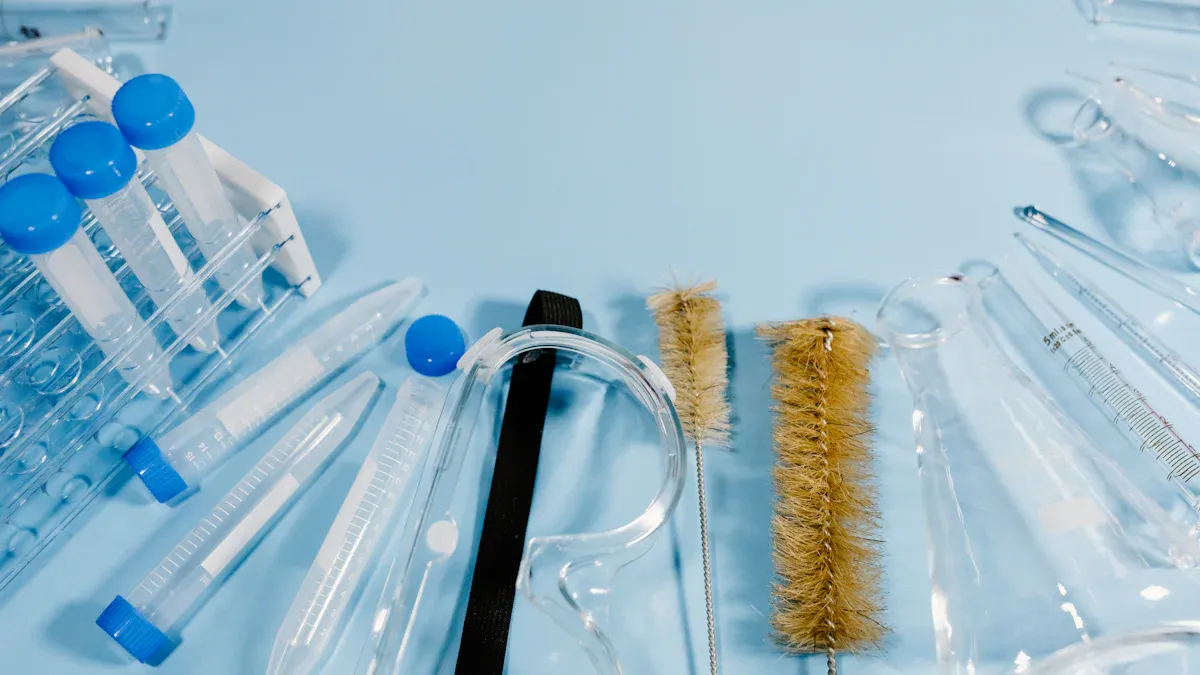
Choosing the right PET tubing for endoscope wiring can be hard. You have to follow strict medical rules. You also need to think about things like shrink ratio, diameter, and wall thickness. If you choose the wrong size or material, the endoscope may not work safely. Pay attention to both the PET tubing’s quality and the rules that keep patients safe. Being careful helps make sure every medical procedure is safe and works well.
Key Takeaways
Pick the right size of PET tubing so wires fit well. Measure the diameter, length, and wall thickness with care.
Choose PET tubing that is strong and resists chemicals. This helps keep your endoscope safe when you use it.
Always test PET tubing samples before you buy them. This lets you make sure it fits and works for you.
Make sure the PET tubing meets medical rules like ISO 10993 and USP Class VI. This makes it safe for patients.
Check if your supplier has good experience and ask for their certificates. This helps you get PET tubing that is safe and works well.
Selection Criteria for PET Tubing for Endoscope Wiring
Sizing and Dimensions
You need to pick PET heat shrink tubing that fits the wires. If the tubing is the wrong size, wires might not fit or could get hurt. Always check the diameter, length, and wall thickness before you choose.
Wall thickness keeps wires safe from pressure and harm.
Thin-wall PET heat shrink tubing is good for small wires. It bends easily but needs to be thick enough so it does not snap.
For jobs with lots of pressure, use thicker walls. Thicker walls protect more but still let the tubing bend.
Endoscope makers know sizing matters a lot. If tubing is too loose or tight, the device might not work. Always measure well and pick the right size for your work.
Tip: Try a sample of PET heat shrink tubing with your endoscope wires before you buy a lot. This helps you avoid problems and keeps your work safe.
Material and Construction Quality
You want PET heat shrink tubing that lasts and keeps your endoscope safe. The material should be strong and able to handle tough jobs in hospitals. Look for tubing with the right features for your needs.
Here is a table that shows what to check:
Property | Description |
|---|---|
Mechanical Strength | Stops your endoscope from getting scratched, poked, or bumped. |
Chemical Resistance | Keeps the tubing safe from cleaning liquids and other stuff used in hospitals. |
Biocompatibility | Makes sure the tubing does not cause bad reactions in people. |
Sterilization Resistance | Lets you clean and sterilize the tubing many times without it breaking or wearing out. |
PET heat shrink tubing must meet high rules for medical use. Always check that the tubing is made from good PET. This gives you strength, chemical resistance, and thermal stability.
Makers also look at three main things when they pick PET heat shrink tubing for endoscope wiring:
Criteria | Importance |
|---|---|
Compliance | Tubing must meet medical-grade rules, like ISO 10993 and USP Class VI for safety. |
Sizing | The right size makes sure the device works well; too loose or tight can make it fail. |
Material Quality | Good PET gives strong pull strength, chemical resistance, and thermal stability. |
You should always ask for proof that the tubing meets these rules. This helps you make sure you use safe and strong PET heat shrink tubing in your endoscope.
Technical Requirements for PET Heat Shrink Tubing
Shrink Ratio and Fit
When picking PET heat shrink tubing, look at the shrink ratio. The shrink ratio shows how much the tubing gets smaller when heated. If you choose the right shrink ratio, the tubing will fit tightly. This tight fit keeps the wires safe during medical work.
A good fit does more than hold wires. It also gives electrical insulation and protects small parts from harm. The tubing can wrap around many shapes. This helps it stay in place and not slip off. The table below shows how a good fit helps:
Aspect | Description |
|---|---|
Snug Fit | Makes sure the tubing fits well and helps the device work. |
Electrical Insulation | Gives needed insulation for safe use of endoscopic devices. |
Mechanical Protection | Protects small parts from damage, so the device works longer. |
Conformity to Shapes | Wraps tightly around shapes, so it stays put and does not slip. |
Tip: Always test PET heat shrink tubing with your endoscope wires first. This helps you see if the tubing fits and works well.
Mechanical and Chemical Resistance
You need PET heat shrink tubing that can handle tough hospital use. The tubing must resist chemicals and high heat from cleaning. It should also stay strong when bent or pulled. If the tubing breaks, the endoscope may not work right.
Medical rules want tubing that is safe, strong, and flexible. You want PET tubing that lasts long and keeps patients safe. The table below shows what to check for:
Requirement | Description |
|---|---|
PET heat shrink tubing is safe for contact with body fluids and tissues. | |
Durability and Longevity | Protects against damage and chemicals, so it lasts a long time. |
Stays strong after cleaning with heat and chemicals, keeping the device safe. | |
Electrical Insulation | Gives great insulation to stop electrical problems and keep patients safe. |
Flexibility and Precision | Can be made for special jobs, giving good insulation and staying flexible. |
Always check the quality of PET heat shrink tubing before using it. Good tubing keeps your endoscope safe and working well.
Compliance and Medical Standards for Endoscope Applications
Biocompatibility and Sterilization
You need to make sure PET heat shrink tubing follows medical rules before using it in endoscope wiring. Biocompatibility means the tubing should not cause skin problems or allergies. ISO 10993 gives steps for testing PET tubing for endoscopes. You have to check how the tubing acts with the body. These tests look for bad effects and help you pick safe PET heat shrink tubing.
ISO 10993 gives rules for using PET heat shrink tubing in medical devices.
You should think about how long the tubing touches the body. This changes what tests you need.
Biocompatibility tests look for skin problems and allergies.
Sterilization is important too. Hospitals clean endoscopes in different ways. PET heat shrink tubing must stay strong after cleaning. You want tubing that works with common cleaning methods. The table below lists some choices:
Sterilization Method | Description |
|---|---|
Ethylene Oxide (EtO) | Uses gas to kill germs. It takes a long time. |
Vaporized Hydrogen Peroxide (VH2O2) | Breaks down germs. Works well for flexible scopes. |
Low Temperature Steam Formaldehyde (LTSF) | Mixes steam and chemicals. Cleans long tubes and flexible endoscopes. |
Always check if PET heat shrink tubing can handle these cleaning methods. This keeps your endoscope safe for medical work.
Certifications and Documentation
You need the right papers and certificates for PET heat shrink tubing in medical devices. Every country has its own rules. In the US, the FDA checks if your tubing is safe. You might need special approval or 510(k) clearance. In the EU, you need CE Marking to show your tubing is safe. Japan wants a special permit and a full report.
You should keep records of all tests and certificates. Good records help you get approval for your endoscope. They also show you care about safety and quality. Always ask your supplier for proof of certificates and test results. This helps you follow medical rules and avoid trouble later.
Note: Good records and certificates make PET heat shrink tubing safer for medical use and help you pass checks.
Supplier Verification and Quality Assurance

Supplier Experience and Product Certification
You should always check the experience of your supplier before you buy pet heat shrink tubing for medical use. A good supplier will follow strict rules and make sure every piece of pet heat shrink tubing meets high standards. Look for suppliers who use good manufacturing practices and keep their workspaces clean. This helps prevent problems with pet heat shrink tubing that could affect your endoscope.
Here are some things you should check when you pick a supplier for pet heat shrink tubing:
The supplier follows FDA and ISO rules for medical devices.
They use precise methods to make pet heat shrink tubing with the same size and shape every time.
They keep records of where their pet heat shrink tubing materials come from.
They provide all the paperwork you need for medical approval.
They test pet heat shrink tubing for temperature, pressure, and chemical resistance.
They have strong quality control steps and check pet heat shrink tubing often.
You should also ask for certifications. These show the supplier cares about safety and quality. The table below lists important certifications for pet heat shrink tubing in medical devices:
Certification | Description |
|---|---|
ISO 9001:2015 | Shows the supplier has a strong quality management system. |
ISO 14001:2015 | Proves the supplier cares about the environment during pet heat shrink tubing production. |
REACH | Makes sure chemicals in pet heat shrink tubing are safe for medical use. |
USP Class VI | Checks if pet heat shrink tubing is safe for contact with the body. |
ISO 10993 | Tests if pet heat shrink tubing is safe for medical devices based on body contact and time. |
Sample Testing and Traceability
You should always test samples of pet heat shrink tubing before you use them in medical devices. Testing helps you find problems early. You can check if the pet heat shrink tubing fits well, shrinks evenly, and stays strong after cleaning. You should also check for air bubbles, cracks, or other defects. Use tools to measure the size of pet heat shrink tubing and make sure it matches your needs.
Traceability is very important for medical safety. You need to know where each piece of pet heat shrink tubing comes from. Good suppliers keep records of every batch. This helps you track pet heat shrink tubing from the raw material to the finished product. If there is a problem, you can find out what went wrong and fix it fast.
Here is a table that shows why traceability matters for pet heat shrink tubing in medical devices:
Aspect | Description |
|---|---|
Traceability | Lets you track pet heat shrink tubing from start to finish. |
You should also check that your supplier uses strong quality checks. They should inspect pet heat shrink tubing for size, shape, and strength. They should test for electrical insulation and make sure pet heat shrink tubing does not have defects. They should keep their tools clean and check them often. This helps keep product quality high and keeps your medical devices safe.
Tip: Always keep records of your tests and checks. This helps you show that your pet heat shrink tubing is safe for medical use.
You should follow easy steps when picking pet heat shrink tubing for endoscope wiring. First, try out samples to see if they fit and are strong. Make sure the supplier has experience with medical products and ask for proof of certifications. Look at all the papers before you buy anything. Pick tubing that follows rules like ISO 10993 and USP Class VI. The table below lists important standards:
Standard | Focus Area | Application in Medical Equipment |
|---|---|---|
ISO 10993 | Biocompatibility | Testing for safe contact with tissue |
USP Class VI | Toxicity/Safety | Certification for non-toxic materials |
Keeping a good balance between how well the tubing works, safety, and following rules helps keep patients safe and your endoscope working right. Always check your steps and pick pet heat shrink tubing that fits medical rules.
FAQ
What is PET tubing used for in an endoscope camera?
PET tubing covers the wires inside an endoscope camera. It keeps the wires safe from getting hurt. PET tubing helps the camera work well during medical exams.
Can I use PET tubing for both an endoscope camera and a borescope?
You can use PET tubing for both tools. The tubing protects the wires in each device. Make sure the tubing fits each one before you use it.
How do I know if PET tubing is safe for a borescope?
Look for PET tubing that meets medical rules. Check for ISO 10993 and USP Class VI. These show the tubing is safe for borescope use. Always ask your supplier for proof.
What makes PET tubing better for a borescope than other materials?
PET tubing gives strong protection and resists chemicals. It bends easily and lasts a long time. This keeps borescope wires safer than other materials.
How often should I check PET tubing in my endoscope camera or borescope?
Check PET tubing before you use your camera or borescope. Look for cracks or signs of damage. If you see any problems, change the tubing. This keeps your tools safe and working well.
See Also
Selecting The Right FEP Tubing For Medical Applications
Comprehensive Overview Of Medical Grade FEP Tubing
Tips For Selecting Ultra-Thin PET Heat Shrink Tubing

© Copyright 2024 My First Blog - All Rights Reserved.