How to Select the Right Medical Grade Heat Shrinkable Sleeving for Your Device

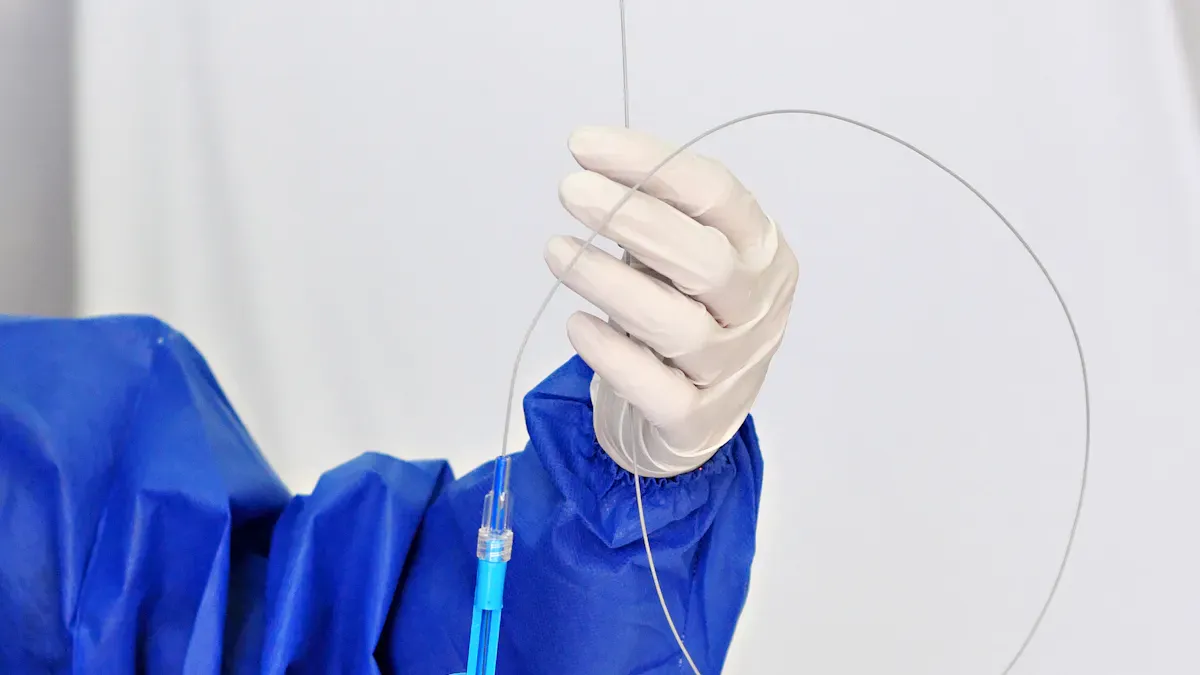
Selecting the right Medical Grade Heat Shrinkable Sleeving for your device means you have to look at a few important things. You should check if the material is safe for the body. You also need to measure the size you need. Think about how the place where you use it will change the tubing. Make sure the sleeving follows the rules. When you match these things to your device, you help keep it safe and working well.
Key Takeaways
Pick biocompatible materials for heat shrinkable sleeving to keep medical devices safe. - Getting the right size is very important. Measure your device well so you do not have problems with protection. - Think about things like moisture and UV light when you pick tubing. - Check for certifications and rules to make sure it is safe and good quality. - Use a decision matrix to help match tubing features with what your device needs.
Key Criteria for Medical Grade Heat Shrinkable Sleeving
Material Selection and Biocompatibility
It is important to pick the right material for medical grade heat shrinkable sleeving. The material needs to be biocompatible so it will not hurt people when used in medical devices. Fep biocompatible heat shrink tubing is a common choice because it stands up to chemicals, moisture, and very hot or cold temperatures. It also has strong dielectric strength and is very slippery. You can use fep biocompatible heat shrink tubing in places that need protection from tough conditions. Medical grade heat shrinkable sleeving must pass tests to show it is biocompatible. These tests check if the material is safe for the body.
Tip: Always ask your supplier for biocompatible test results.
Test Type | Purpose |
|---|---|
Systemic Injection | Tests for acute toxicity in mice |
Intracutaneous Test | Tests for toxicity in rabbits |
Implantation Test | Tests for implants in rabbits |
Sizing and Shrink Ratio for Heat Shrink Tubing
Getting the right size is important for medical grade heat shrinkable sleeving. If you pick the wrong size, your device may not be protected or insulated well. Bad sizing can make the device fail and put patients at risk. You need to measure your device carefully and choose heat shrink tubing that fits tightly after shrinking. Fep biocompatible heat shrink tubing comes in different shrink ratios. These ratios help you get the best fit for your device.
If heat shrink tubing is not sized right, it may not protect or insulate medical devices well.
This can make devices unsafe and unreliable.
A bad fit can cause device failure and put patients in danger.
Shrink Ratio | Impact on Device Fit and Performance |
|---|---|
2:1 | Makes a tight and secure seal for medical devices or parts. |
3:1 | Gives more flexibility to get the right fit for special needs. |
Environmental Factors in Medical Applications
You need to think about where you will use medical grade heat shrinkable sleeving. Some places have moisture, UV light, or chemicals that can harm tubing. Polyolefin heat shrink tubing stands up to moisture, chemicals, and UV rays. Cross-linked polyolefin heat shrink tubing is strong and lasts a long time, especially against UV light. Fep biocompatible heat shrink tubing protects against heat, chemicals, moisture, and extreme temperatures. It works well in tough places and keeps your device safe.
Polyolefin heat shrink tubing resists moisture, chemicals, and UV rays.
Cross-linked polyolefin heat shrink tubing is strong and lasts longer, especially against UV rays.
Picking the right wall thickness helps protect against scratches and tough conditions.
Fep heat shrink protects against heat, chemicals, moisture, and extreme temperatures.
It is very slippery, has strong dielectric strength, and resists chemicals.
Fep is often used where you need protection from harsh conditions.
Test Method | Description |
|---|---|
ASTM D8355 | Tests how well sleeving or tubing resists fire, using four methods. |
Method A | Checks how far flames spread and how long burning lasts. |
Method C | Tests if flames move upward when the test flame is at an angle. |
Method D | Checks if fire spreads to other materials, using medical cotton to catch burning drops. |
Wall Thickness and Durability
Wall thickness changes how strong and flexible your medical grade heat shrinkable sleeving is. Thick-wall heat shrink tubing gives you strong protection and some flexibility. You can use thick-wall tubing in places that need extra safety. Cross-linked polyolefin makes tubing tougher and helps it last longer. Fep biocompatible heat shrink tubing also gives strong protection and keeps moisture out. You need to pick the right wall thickness for your device.
Note: Thicker tubing protects your device better but may bend less.
Regulatory Compliance and Certifications
You need to check if your medical grade heat shrinkable sleeving follows all rules and standards. Devices sold in the United States and Europe must meet strict regulations. Fep biocompatible heat shrink tubing often meets these rules. Look for certifications like EU REACH, RoHS, FMVSS 302, MIL-I-631, and MIL-I-7444. These certifications show the tubing is safe, strong, and does not have harmful chemicals.
Standard | Description |
|---|---|
EU REACH Regulation | Helps protect people and the environment by controlling chemical risks. You must report substances like DEHP if they are above 0.1%. |
RoHS Directives | Limits dangerous substances in electrical equipment, including heat shrink tubing. It bans lead, mercury, cadmium, and others. |
FMVSS 302 | Sets fire safety rules for materials in vehicles to lower injury risk. |
MIL-I-631 | Military rules for flexible electrical insulating materials, with tests for strength and resistance. |
MIL-I-7444 | Focuses on PVC tubing with rules for physical strength and fire resistance. |
You should always ask your supplier for certification papers. This step helps you make sure your device is safe and follows all laws.
Selection Process for Medical Devices
Assessing Device Requirements
You need to know what your device needs first. This step helps you pick the right heat shrink tubing. Follow these steps to make sure you do not miss anything:
Figure out what your device is used for. Is it medical, industrial, or something else? Medical devices must follow special rules for safety.
Pick the wall type. Choose single wall or dual wall (adhesive-lined) heat shrink tubing. Dual wall gives extra protection from moisture.
Pick the material. Look at choices like PVC or polyolefin. Think about what you need, like flexibility, chemical resistance, and how hot it can get.
Check the size. Measure your device and make sure the tubing fits after shrinking. The right size keeps your device strong and working well.
Think about extra things you might want. You may need tubing cut to a certain length, special colors, or markings to help you find it easily.
Tip: Clean and dry the surface before you use heat shrink tubing. This step makes your device safer and more reliable.
Here are some mistakes you should try to avoid:
Common Mistakes in Heat Shrink Sleeve Application |
|---|
Putting tubing on a dirty or wet surface |
Using too much or too little heat |
Not overlapping or centering the sleeve |
Cooling the tubing too quickly |
Matching Features to Medical Grade Heat Shrinkable Sleeving
You need to match the features of heat shrink tubing to your device. For example, FEP biocompatible heat shrink tubing is good for medical devices. It is safe for the body, so you can use it for catheters and surgical tools. This tubing is flexible, so it covers tricky shapes and fits tightly. It resists chemicals, so cleaning agents and sterilization will not hurt it. Some tubing is clear, so you can see your device without taking off the cover. These features help your device work better and stay safe.
You should use a decision matrix to compare tubing features to your device needs. This tool helps you check if the tubing meets rules and supports audits. It also helps you look at changes and avoid mistakes.
Purpose of DCTM | Description |
|---|---|
Regulatory Compliance | Shows you follow design rules |
Impact Analysis | Makes it easier to check changes |
Internal Audits | Helps with audits and inspections |
A decision matrix can show where your design needs work.
It helps you avoid problems with rules and costly fixes.
You can use a step-by-step process to make your device more reliable.
Evaluating Supplier and Product Options
You need to pick a supplier who can give you the right heat shrink tubing. Look for these important things:
Criteria | Description |
|---|---|
Product Quality and Range | Makes sure the material is always good and keeps patients safe. |
Customization Options | Lets you meet special medical needs and improve how your device works. |
Certifications and Compliance | ISO certifications and FDA approval show the tubing follows safety and quality rules. |
Delivery Times and Reliability | Good delivery times and on-time shipping help you keep your production on track. |
Ask your supplier for certifications. The most common are ISO 13485 and FDA approval. These show the tubing is safe and meets international standards.
Certification Type | Importance |
|---|---|
ISO 13485 | Shows the tubing follows medical device rules |
FDA Approval | Proves the tubing is safe and works for healthcare |
Note: Good suppliers help you keep your production on time and make your devices work better.
Always check the maximum temperature rating for the tubing. This rating tells you how much heat the tubing can take without problems. Picking the right supplier and product helps you meet safety rules and make high-quality medical devices.
Medical Applications and Use Cases
Electronic Component Insulation
Heat shrink tubing helps protect electronic parts in medical devices. It gives insulation for things like micro cameras and sensors. You see it used in catheter manufacturing to help with cleanliness and insulation. It also keeps surgical tools safe during medical procedures. PET heat shrink tubing blocks electrical interference, which makes devices safer. Polyimide tubing can handle very hot or cold temperatures. This means devices work well even in tough places. The insulation lasts a long time because it stands up to wear and the environment. Medical grade heat shrink tubes stop scratches, moisture, and chemicals from hurting your devices. The smooth surface makes cleaning easy and helps control infection. You use heat shrink tubing to cover sensitive parts so devices stay reliable.
Catheter manufacturing uses heat shrink tubing for insulation and hygiene.
Surgical instruments get protection and insulation from heat shrink tubing.
Medical electronic equipment stays safe with heat shrink tubing.
You benefit from enhanced safety, thermal resistance, and increased longevity.
Catheter and Tubing Protection
You need heat shrink tubing to keep catheters and surgical tools safe. This tubing makes catheters smooth and easy to use for patients. It helps join different materials together, which is important for how the device works. Heat shrink tubing gives strain relief and protects against stress, so catheters last longer. You pick single wall tubing for flexibility and dual wall heat shrink for extra moisture resistance. Every use shows chemical resistance and strength. You use heat shrink tubing to cover sensitive parts and make sure it is safe for the body.
Heat shrink tubing creates smooth surfaces for catheters.
You bond materials for safer devices.
Strain relief and mechanical protection increase durability.
Single wall tubing and dual wall heat shrink fit different needs.
Surgical Instrument Coverage
You put heat shrink tubing on surgical tools to make them easier to hold and stronger. Handles get better protection from wear and chemicals. Heat shrink tubing also insulates electrosurgical devices from electricity, keeping everyone safe. You use single wall tubing for basic coverage and dual wall heat shrink for more resistance. You need chemical resistance and strength every time you use it. You clean instruments with autoclaving, ethylene oxide, or gamma radiation.
Sterilization Method | Description |
|---|---|
Autoclaving | Steam sterilization for medical instruments. |
Ethylene Oxide (EtO) | Gas sterilization for heat-sensitive items. |
Gamma Radiation | Gamma rays for sterilizing packaging and tools. |
Tip: Always check if your heat shrink tubing works with your cleaning method. This helps keep it strong and resistant.
You count on heat shrink tubing in medical uses because it is strong, lasts a long time, and stands up to chemicals.
Ensuring Compliance and Quality
Verifying Certifications for Medical Grade Heat Shrinkable Sleeving
You have to check certifications before using medical grade heat shrinkable sleeving. Certifications show the sleeving meets safety and quality rules. You need to collect papers that prove the tubing follows standards like UL and IEC 60601-1. These papers help you pass audits and keep your device safe for patients.
Tip: Always keep your certification papers neat and ready to show.
Here is a table with the main papers you need:
Documentation Type | Description |
|---|---|
Insulation Diagrams | Show needed insulation systems and barriers. |
Specification Sheets | Include UL certifications and engineering details. |
Test Reports | Prove compliance with IEC 60601-1 standards. |
Engineering Specifications | Keep detailed records for all parts. |
CoA Documents | Certificates of Analysis for materials used. |
CB Certificates | Show compliance with international standards. |
Spare Parts Lists | Papers for replacement parts. |
Production Line Test Equipment | Details about equipment used for testing during production. |
You need to check these papers every time you change materials or processes. This step helps you avoid mistakes and keeps your device safe.
Quality Control and Traceability
You must follow strict quality control steps to track your sleeving. Traceability means you can follow each piece from start to finish. You need to control raw materials, keep records, and use safe packaging.
Here is a table with important quality control points:
Quality Control Aspect | Description |
|---|---|
Material Traceability | All raw material sources are strictly controlled and tracked. |
Manufacturing Conditions | USP Class VI - one manufacturing location in the U.S. |
Uniform Cross Linking | Dimensional control and controlled cross-linking process to reduce variability. |
Packaging Materials | Plastic bags and spools keep out contaminants. |
Clarity Consistency | Lot-controlled clarity consistency. |
Compliance with Standards | ISO 13485 outlines the requirements for a quality management system in medical device manufacturing. |
You may face some challenges with traceability:
You need strong documentation to meet regulatory standards.
Changes in materials or processes mean new tests and updated records.
You must test and check every batch, especially if you change the formula or sterilization method.
Note: Good traceability helps you find problems fast and keeps your device safe for patients.
You can pick the right medical grade heat shrinkable sleeving by doing these steps:
Find out what your device will be used for.
Think about how thick the tubing needs to be.
Make sure the material meets medical rules.
Use a sizing and material guide to get a good fit.
Check that quality control and traceability are in place.
You should use this process for your device. Look at what your device needs. Talk to technical support if you have questions. Ask for samples or details for your project. Contact suppliers for help with installing and after-sales support.
FAQ
What makes fep heat shrink tubing suitable for medical devices?
You choose fep heat shrink tubing because it resists chemicals, moisture, and extreme temperatures. It stays safe for the body. You use it for catheters, surgical tools, and electronic parts. You trust fep for its strong protection and smooth surface.
How do you measure the right size for fep heat shrink sleeving?
You measure your device before you pick fep heat shrink sleeving. You check the diameter and length. You select tubing that fits tightly after shrinking. You avoid loose or tight fits. You use fep for a secure seal.
Can you use fep heat shrink tubing in harsh environments?
You use fep heat shrink tubing in places with moisture, chemicals, and UV light. You rely on fep for strong resistance. You protect your device from damage. You choose fep for durability and safety.
What certifications should you check for fep heat shrink tubing?
You ask your supplier for certifications like ISO 13485 and FDA approval. You check if fep heat shrink tubing meets EU REACH and RoHS rules. You keep certification papers ready. You use fep that follows all safety standards.
How do you clean devices with fep heat shrink sleeving?
You clean devices with fep heat shrink sleeving using autoclaving, ethylene oxide, or gamma radiation. You check if fep can handle your cleaning method. You keep your device safe and strong. You use fep for easy cleaning and infection control.
See Also
Selecting The Ideal Ultra-Thin PET Heat Shrink Tubing
Tips For Choosing FEP Autoclavable Heat Shrink Tubing
Finding The Right FEP Biocompatible Heat Shrink Tubing
A Comprehensive Guide To Selecting Heat Shrink Tubing Sizes
Understanding The Differences Between Medical And Industrial Heat Shrink Tubing

© Copyright 2024 My First Blog - All Rights Reserved.