What is Polyethylene Heat Shrink Tubing and How Does it Work


You use polyethylene heat shrink tubing to cover wires or parts. It is strong and can bend easily. This thermoplastic tube gets smaller when you heat it. It wraps tightly around what you want to protect. It keeps out water, dust, and chemicals. It also helps stop electricity from leaking. It keeps wires safe from things around them. Many people pick this tubing to keep their connections safe and working well.
Key Takeaways
Polyethylene heat shrink tubing covers wires with a tight seal. This seal keeps out water, dust, and chemicals. Pick the right size and type of tubing for your job. This helps the tubing fit well and work best. Use a heat gun or a small butane torch to heat the tubing. Heat it evenly so it shrinks right around the wires. Adhesive-lined tubing gives extra sealing in hard places. It helps keep out moisture even more. Clean the surfaces before you start. Let everything cool down after shrinking. These steps help your connections last long and stay strong.
Polyethylene Heat Shrink Tubing Overview
What is Polyethylene Heat Shrink Tubing
Polyethylene heat shrink tubing covers and protects wires and parts. It is made from a thermoplastic called polyethylene. Polyethylene changes shape when you heat it. This material is strong and bends easily. It fits around many shapes and sizes. You can use it for light designs because it has thin walls but stays strong.
Here is a table that shows some important properties of polyethylene:
Property | Description |
|---|---|
High Shrink Ratios | Polyolefin can shrink from 1.5:1 to over 10:1. It works well for different diameters. |
Low Recovery Temperature | Works at low temperatures. This helps protect parts underneath. |
Good Surface Lubricity | Makes handling and using the tubing easier. |
Flexibility | Lets the tubing fit many shapes and sizes. |
Thin-Wall Construction | Makes designs light but keeps them strong. |
Polyethylene heat shrink tubing stands out because it shrinks a lot. It works at lower temperatures. You can handle it easily and use it for many jobs. The manufacturing process uses special extrusion and electron beam irradiation. This makes the tubing strong and flexible.
Making polyethylene heat shrink tubing uses special extrusion, electron beam irradiation, and expansion methods. Polyolefin tubing shrinks a lot, works at low temperatures, and bends easily. These features are good for medical uses. Other materials like PVC and PET have different features and may not bend or shrink as much.
Polyethylene heat shrink tubing meets strict standards. Here is a table showing some certifications:
Standard/Certification | Description |
|---|---|
UL 224 | Main standard for insulating tubing in low-voltage uses. It tests shrink recovery and flammability. |
CSA C22.2 No. 198.1 | Standard for insulating tubing. It checks safety and performance. |
SAE AS23053 | Specification for electrical heat-shrink insulation in aerospace. It focuses on durability and resistance. |
MIL-DTL-23053 | Military specification for heat-shrink tubing. It checks for high reliability. Now replaced by SAE AS23053. |
ISO 9001 | Quality standard for making sure production is consistent. |
RoHS | Rule that limits dangerous substances. It helps make materials safer. |
How Heat Shrink Tubing Works
Heat shrink tubing starts as a bigger tube. When you heat it, the tubing gets smaller and wraps tightly around wires or parts. The shrinking happens because the molecules inside the tubing move and line up differently. You get a tight seal that keeps out water, dust, and chemicals.
Here is a table that compares shrink ratios for different materials:
Material | Shrink Ratio |
|---|---|
Polyolefin | 1.5:1 to 10:1 |
PET | 1.1:1 to 3:1 |
Fluoropolymers | 1.3:1 to 4:1 |
Polyethylene heat shrink tubing can shrink more than other materials. This lets you cover wires of different sizes with one tube.
Heating makes the tubing shrink to half or even one sixth of its original size. This happens because of thermal expansion.
The shrinking depends on how the molecules in the polymer move when heated.
The tubing also shrinks lengthwise, but not as much as it narrows. This shows the material acts in a complex way when heated.
Heat shrink tubing forms a tight seal. This seal keeps wires safe from moisture and damage. The tubing stays strong even when you bend or twist it. You can use it for electrical insulation and to protect from the environment.
The market for polyethylene heat shrink tubing is growing. More people want strong and eco-friendly packaging. Automation and online shopping make this tubing more popular.
Making and throwing away polyethylene uses energy and can release harmful substances. Recycling helps lower these impacts. You need to put biodegradable plastics in the right recycling bins to keep extra waste out of landfills.
Properties and Benefits
Environmental Protection
You want your wires to last a long time. Polyethylene heat shrink tubing helps protect them from many dangers. It keeps out dust, dirt, and chemicals. Water and moisture cannot get in, so wires do not rust or short out. The tubing makes a tight seal around wires. This stops anything from getting inside. Your equipment works better and lasts longer because of this.
Here is a table that shows how this tubing protects against different hazards and the test standards used:
Type of Hazard | Test Standard |
|---|---|
Risks from overheating | UL 94 |
Flammability risks in fire-prone areas | UL 224 |
Environmental resistance tests | SAE AS23053 |
You can use this tubing where water, oil, or chemicals might touch wires. The tight fit keeps water out. This lowers the chance of rust and keeps connections safe. The tubing also stands up to sunlight and bad weather. If you use adhesive-lined tubing, the seal gets even stronger. This is good for outdoor jobs and tough places.
Tip: Pick heat shrink tubing if you need to keep wires safe from water, chemicals, and sunlight. It works better than electrical tape and lasts longer.
Durability and Reliability
You want your electrical connections to stay safe and strong. Polyethylene heat shrink tubing helps with this. It does not tear or scrape easily. The tubing stays whole even if you twist or pull the wires. This makes it great for places with lots of movement or shaking.
Heat shrink tubing lasts a long time. Polyolefin tubing, which is like polyethylene, can last 10 to 25 years in hard places. Some types last even longer. You do not have to change it often. The tubing passes tough safety and reliability tests. Here are some main testing standards:
Testing Standard | Description |
|---|---|
SAE AS23053 | Aerospace-specific standard for heat shrink tubing, detailing qualification testing requirements. |
UL 1581 | Covers flame resistance testing for insulation materials, including heat shrink tubing. |
UL94 | Standard for flammability of plastic materials. |
ASTM D2671 | Specifies testing methods for heat shrinkable tubing. |
ASTM D8355 | Further details testing requirements for heat shrinkable tubing. |
You can trust this tubing to keep wires safe for many years. It helps your electrical systems work well, even in tough places.
Applications of Polyethylene Heat Shrink Tubing
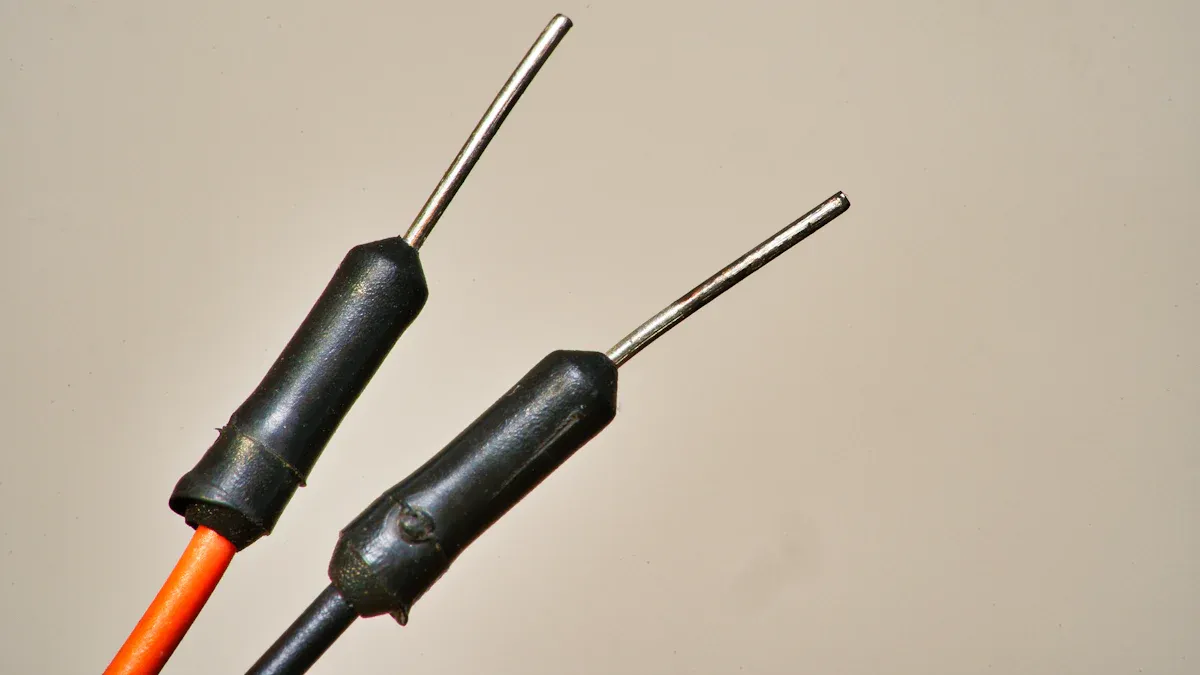
Electrical Insulation
People use heat shrink tubing to keep wires safe. It covers places where wires join together. This stops electricity from leaking out. The tubing makes a tight space around wires. This helps stop short circuits and keeps things safe. You often see it in switch boxes and cabinets. Some common uses are:
Cable jacketing
Covers for temperature probes
Roll covers
Chafing sleeves
Light duty bearing surfaces
Electrical insulation for wire bundles
Polyethylene heat shrink tubing works for many voltage levels. Check the table to see where you can use it:
Voltage Category | Voltage Range | Applications |
|---|---|---|
Low Voltage | Below 30V | Home and office wire protection |
Medium Voltage | 60V to 600V | Industrial tools and automotive electric systems |
High Voltage | Over 600V (up to 35KV) | Power transmission and distribution systems |
This tubing keeps electrical parts safe and helps your system work well.
Wire and Cable Bundling
You can use heat shrink tubing to keep wires together. It holds cables in one place. This makes your work area neat and safe. Here is how it helps:
Protection: It keeps cables safe from rubbing, water, and other dangers. This helps cables last longer and lowers the chance of problems.
Customization: You can put labels on the tubing. This makes it easy to know which wire is which.
Color Coding: The tubing comes in many colors. You can sort and find cables fast.
Using this tubing for bundling keeps wires safe and easy to see.
Electronic Component Packaging
You need to keep small parts safe when you ship or store them. Heat shrink tubing is good for this job. It covers and protects parts like resistors and capacitors. The table shows how it helps:
Aspect | Description |
|---|---|
Insulation Properties | Gives good insulation for wires and parts. This stops electrical shorts. |
Environmental Protection | Keeps out water, dirt, and damage. This is important in tough places. |
Mechanical Stress Relief | Helps at connectors by lowering stress from bending or heat. |
Component Protection | Covers small parts like resistors and capacitors. This stops electrical problems. |
You can also use heat shrink film to pack parts. It keeps them safe from dust and harm. When you use this tubing, your parts stay in good shape.
Tip: Pick heat shrink tubing if you want to protect, organize, or cover your wires and parts. It works better than tape and lasts longer.
Selecting and Applying Heat Shrink Tubing
Choosing the Right Size and Type
You need to pick the right size and type of heat shrink tubing for your wiring. Start by measuring the largest outer diameter of your wiring or component. Use a ruler or caliper for accuracy. Choose tubing with an initial inner diameter slightly larger than your wiring. This makes installation easier. Calculate the shrink ratio so the tubing fits tightly after heating. Look at the operating temperature. Using tubing outside its rated temperature can cause failure. Almost 20% of wiring problems happen because the wrong material was used in extreme temperatures. Pick tubing that matches the temperature of your wiring environment. Some types of heat shrink have adhesive lining. This gives extra sealing for tough jobs. You can also find types of heat shrink with UV resistance, chemical resistance, or flame retardancy. Match these features to your wiring needs.
Tip: Always check the temperature rating and special features before you buy heat shrink tubing for your wiring.
Application Steps
You can follow these steps to apply heat shrink tubing to your wiring:
Clean your wiring. Remove dirt, oil, or grease with a solvent.
Cut the tubing to the right length. Add 10-15% extra for shrinkage.
Slide the tubing over your wiring before making any connections.
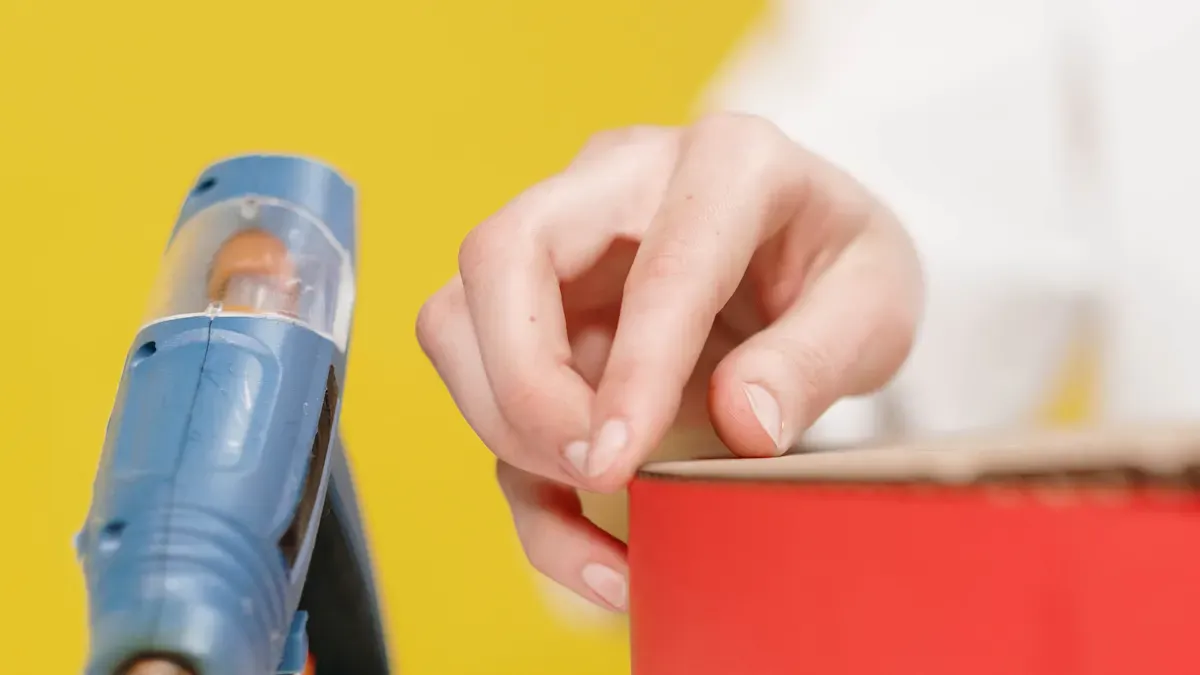
Use a heat gun or micro butane torch. Start heating from the middle and move toward the ends. This prevents bubbles.
Let the tubing cool naturally. Do not touch it until it is cool.
Inspect your wiring. Make sure the tubing fits snugly with no wrinkles or bubbles.
Here is a table showing tools and temperature ranges for types of heat shrink:
Tool | Temperature Range |
|---|---|
Hot air gun | Adjustable settings |
Micro butane torch | Quick shrinking heat |
You should heat the tubing to about 150°C. Most types of heat shrink work between -55°C and 125°C. Polyolefin types of heat shrink perform well from -55°C to +135°C.
Common Mistakes and Best Practices
You can avoid mistakes and make your wiring last longer by following these best practices:
Select the right size. Tubing that is too small or too large will not seal well.
Clean the surface. Dirt and grease stop the tubing from sticking.
Apply heat evenly. Move the heat gun along the tubing to prevent weak spots.
Allow cooling. Let the tubing cool before you touch your wiring.
Use adhesive-lined types of heat shrink for extra moisture protection.
Cut the tubing with sharp tools. This prevents frayed edges.
Position the tubing carefully. Make sure it covers the whole area.
Smooth sharp edges on your wiring. Sharp points can puncture the tubing.
Slide the tubing on before connecting your wiring. If you forget, you must redo your work.
Note: Never use a lighter for heating. It can burn the tubing and leave soot on your wiring.
You can make your wiring safe and strong by following these steps and tips. Picking the right types of heat shrink and using proper methods helps your wiring last longer.
You use polyethylene heat shrink tubing to keep wires and parts safe. This tubing gets smaller when you heat it and makes a tight cover. It gives you many good things:
Electrical insulation helps stop shorts and keeps things safe.
The tubing keeps out water, dust, chemicals, and heat.
It makes connections stronger and helps wires last longer.
Flame-retardant features help stop fires from starting.
You can pick from many sizes and colors for each job.
It is easy to use with simple heat tools.
Feature | Heat Shrink Tubing | Other Methods |
|---|---|---|
Insulation Properties | Very strong at stopping electricity | Not as good at insulation |
Environmental Protection | Blocks water, dust, and chemicals | Does not protect as much |
Fit | Can be made to fit tightly | Often fits loosely |
Ease of Use | Fast and simple to put on | Needs more tools and time |
Durability | Stands up to wear and sunlight | Usually does not last as long |
Appearance | Looks neat and tidy | Can look messy or sloppy |
Versatility | Works for many different uses | Not useful for everything |
You get strong protection and a neat look. Polyethylene heat shrink tubing is the best way to keep wires and parts safe.
FAQ
What tools do you need to shrink polyethylene heat shrink tubing?
You need a heat gun or a micro butane torch. These tools give you steady heat. Do not use a lighter. It can burn the tubing and make your work look messy.
Can you use polyethylene heat shrink tubing outdoors?
Yes, you can use it outdoors. The tubing resists sunlight, water, and weather. It keeps wires safe in tough places. For extra protection, pick tubing with UV resistance.
How do you choose the right size of heat shrink tubing?
Measure the widest part of your wire or part. Pick tubing with an inner diameter just bigger than that. Check the shrink ratio. The tubing should fit tightly after you heat it.
Is polyethylene heat shrink tubing safe for electrical work?
Yes, it is safe. The tubing insulates wires and stops electricity from leaking. It meets safety standards like UL 224 and SAE AS23053. You can trust it for home and industrial jobs.
Can you remove heat shrink tubing after shrinking?
You cannot reuse it. Once you shrink the tubing, it stays tight. If you need to remove it, cut it off with scissors or a sharp knife.
See Also
Exploring Heat Shrink Tubing Applications for Wire Insulation
Essential Insights on PET Heat Shrink Tubing for Electronics
A Simple Guide to FEP Autoclavable Heat Shrink Tubing
FEP Non-Toxic Heat Shrink Tubing: Industrial Applications Explained

© Copyright 2024 My First Blog - All Rights Reserved.