Comparing PET and FEP Heat Shrink Tubing for Medical Devices

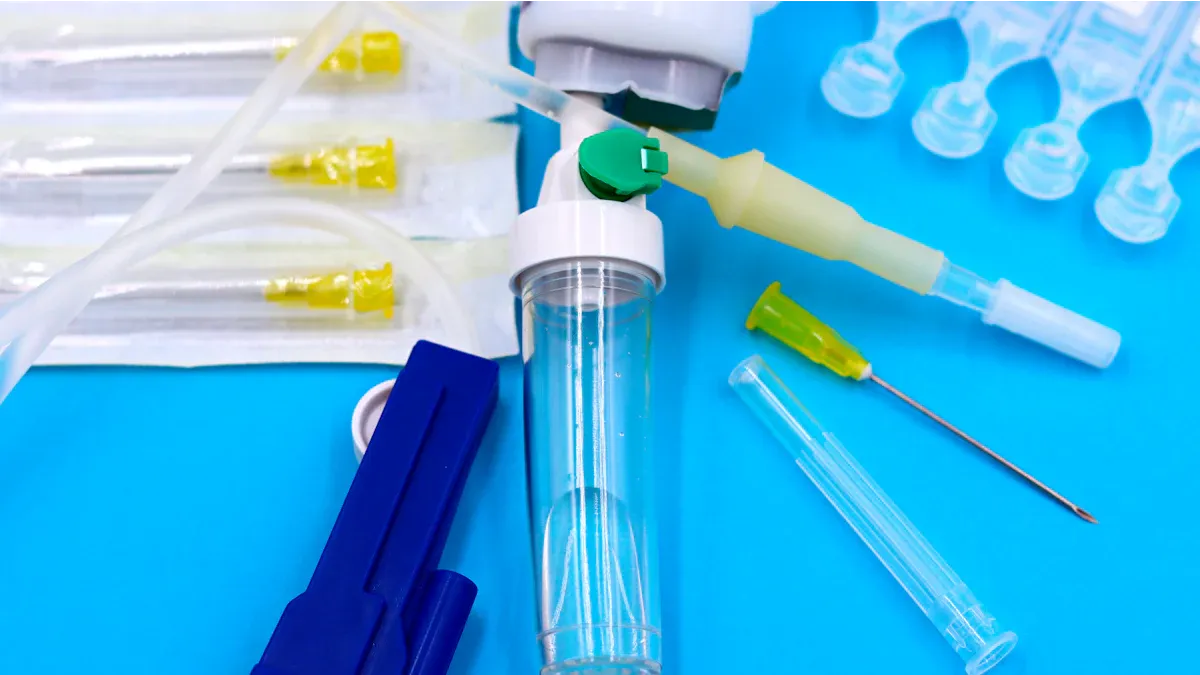
When comparing PET vs FEP heat shrink tubing medical applications, your choice depends on your specific requirements. For high heat environments, FEP heat shrink tubing is the better option, as it can withstand temperatures up to 200°C, while PET heat shrink tubing medical products handle heat up to 150°C. Many medical devices require strong chemical resistance, making FEP heat shrink tubing ideal for catheters and implants. PET heat shrink tubing medical solutions are more cost-effective and suitable for general medical devices. Consider whether your device needs thin walls or high heat resistance when choosing between PET vs FEP heat shrink tubing medical options. The table below highlights the differences for medical device use:
Feature | PET Heat Shrink Tubing Medical | FEP Heat Shrink Tubing Medical |
|---|---|---|
Temperature Resistance | Up to 150°C | Up to 200°C |
Cost | Costs less | Costs more |
Suitability for Applications | Good for general insulation | Best for high heat and chemical resistance, like catheters and implants. |
To select the right PET vs FEP heat shrink tubing medical product, review your device’s heat resistance needs, budget, and application requirements.
Key Takeaways
FEP tubing can handle higher heat, up to 200°C. It also resists chemicals better than PET tubing. This makes FEP good for tough medical jobs.
PET tubing costs less than FEP tubing. It works well for regular medical devices. These devices do not need high heat or chemical resistance.
Pick FEP tubing for devices that need lots of cleaning. It is also best for devices that touch patients. FEP tubing follows strict safety rules.
Think about what your device needs. Check if it needs to handle high heat. Also, think about your budget. This helps you choose PET or FEP heat shrink tubing.
Both PET and FEP tubing are safe for medical use. Always check for the right certifications. This keeps patients safe.
PET vs FEP Heat Shrink Tubing Medical: Key Differences
Quick Comparison Overview
When you look at pet and fep heat shrink tubing, you find some big differences. Both types work for medical devices, but each has special features. Pet heat shrink tubing is strong and costs less. Fep tubing can handle higher heat and fights off chemicals better. You should think about what your medical device needs before picking one.
Here is a simple table that shows how much heat each material can take:
Material | Maximum Temperature Resistance |
|---|---|
FEP | Up to 200°C |
PET | Up to 150°C |
Pet heat shrink tubing works well for devices that do not get very hot. Fep heat shrink tubing is best for devices that face high heat or chemicals. Pet is cheaper, so it is good for regular medical uses. Fep costs more, but it has special features for tough jobs.
Main Distinctions in Medical Use
It is important to know how pet and fep heat shrink tubing work in real medical settings. Pet heat shrink tubing is strong, so it helps with devices like monitors that need to last. Fep tubing is great at fighting chemicals, so it is perfect for devices that get cleaned a lot.
Tip: If your device touches patients or needs to be very safe, fep tubing follows strict safety rules.
You should also think about price. Pet heat shrink tubing is cheaper because it is easy to make and easy to find. Fep heat shrink tubing costs more because it can take more heat and fights chemicals better. You pay more for fep, but it works better for hard jobs.
Here are the main things to remember:
Pet heat shrink tubing is strong and costs less.
Fep tubing can take more heat and fights chemicals.
Fep tubing is very safe for devices that touch patients.
Pet is good for regular insulation in medical devices.
Fep is best for catheters, implants, and devices you use again.
You need to pick the tubing that fits your device’s needs. If you want something cheap for insulation, pet heat shrink tubing is a smart pick. If you need tubing that can take heat or chemicals, fep heat shrink tubing is the better choice.
Material Properties in Medical Devices
PET Heat Shrink Tubing Features
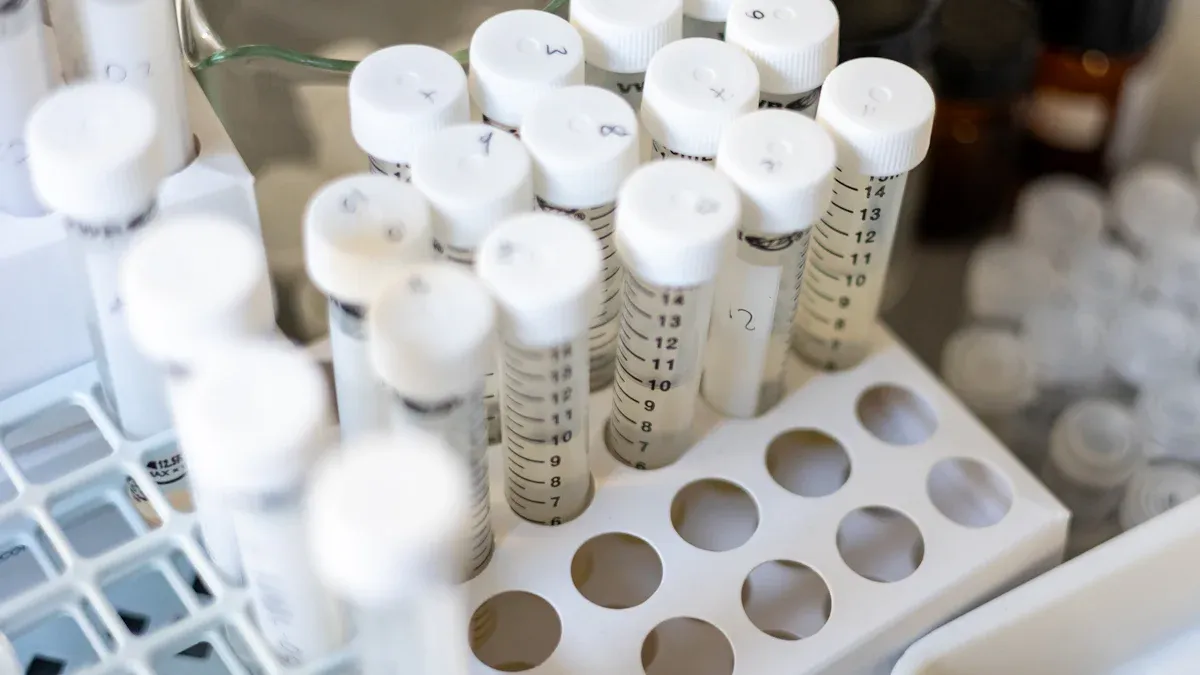
Pet heat shrink tubing is used a lot in medical devices. It is strong and clear, so you can see inside easily. Pet gives good protection and keeps devices stiff. This helps your device last longer. You can use pet for many medical jobs, like vascular work. Pet heat shrink tubing does not scratch or break easily. It keeps small parts safe inside your device. Pet also stands up to strong cleaners and sterilization. Its clear look lets you check parts and make sure they fit. Pet tubing bends well and fits many shapes. It can shrink a lot but stays stable. Pet helps keep tools safe from lots of use and stress. You get good chemical resistance, strong protection, and safe insulation with pet.
Chemical resistance keeps tubing safe from strong cleaners.
Mechanical protection keeps wires and cables safe.
Biocompatibility means pet tubing is safe for patients.
Flexibility and clarity help you check and fit parts.
FEP Tubing Features
Fep tubing is special for medical devices because it is very safe. It meets tough rules for touching people or fluids. Fep tubing works with many ways to clean and sterilize. You can use fep for catheters and surgery tools. Fep heat shrink tubing does not get damaged by strong cleaners. It stays strong in hot places, so it is good for hard jobs. Fep tubing does not let things stick to it, so it stays clean. It is clear, so you can see inside your device. Fep gives good electrical insulation and strong protection. It is easy to put on and shrinks tight around parts. Fep tubing lasts long and stays stable in medical places.
Feature | Description |
|---|---|
Biocompatibility | Safe for contact with human tissue and blood |
High-temperature stability | Withstands sterilization up to 200°C |
Optical clarity | Allows visual checks during procedures |
Electrical insulation | Protects electro-surgical devices |
Mechanical protection | Resists wear and tear in medical environments |
Easy installation | Shrinks securely around components |
Chemical resistance | Stays strong against aggressive substances |
Fep tubing gives strong chemical resistance and stays stable.
Non-stick surface helps keep devices clean.
Fep tubing is great for important medical insulation.
Biocompatibility and Compliance
You must make sure your tubing is safe for medical use. Both pet and fep tubing pass safety tests. Look for certifications like ISO 10993-5, ISO 10993-10, and USP Class VI. These tests check for cell damage, skin problems, and general safety. Pet and fep tubing also follow ISO 13485 rules. This means they are made safely for medical use. You can trust pet and fep tubing to be safe and stable for patients.
Certification/Standard | Description |
|---|---|
ISO 10993-5 | Checks for cell damage and cytotoxicity |
ISO 10993-10 | Tests for irritation and skin sensitization |
USP Class VI | Confirms general biocompatibility |
ISO 13485 | Ensures safe production for medical use |
Note: Always check that your tubing has the right safety certifications. This keeps patients safe and helps your device meet medical rules.
Performance in Medical Environments
Durability and Longevity
Medical devices need to last a long time. Pet and fep tubing are both strong in hospitals. Pet has great mechanical strength. It protects devices from bumps and stress. Fep tubing is also tough. It works well when you need chemical resistance. The table below shows how pet and fep tubing compare:
Material | Mechanical Strength | Temperature Resistance | Chemical Resistance | Dielectric Strength |
|---|---|---|---|---|
PET | Excellent | -196°C to 135°C (long-term), up to 200°C (short-term) | Moderate | > 4,000 V/mil |
FEP | Good | High-temperature resistance | Superior | N/A |
Pet is best for mechanical strength. Fep tubing is better for chemical resistance and high heat. Both help medical devices work well for a long time.
Temperature and Chemical Resistance
Hospitals can be hot and use strong chemicals. Pet tubing works in cold and hot places. It handles up to 135°C for a long time. It can take up to 200°C for short times. Fep tubing is even better with heat. It is great for devices that get very hot. Fep tubing also fights chemicals very well. It does not break down from cleaning agents. Fep tubing keeps its shape and strength. Pet resists many chemicals too. But fep tubing is best for tough jobs.
Tip: Pick fep tubing if your device gets cleaned a lot or faces high heat.
Sterilization and Safety
Medical devices must be very clean. Pet heat shrink tubing can be cleaned many times. It does not break down easily. You can use strong chemicals to clean it. Fep tubing is even better for cleaning. It survives many autoclave cycles. Its surface does not let moisture or chemicals in. This keeps devices safe and clean. Both pet and fep tubing help keep things hygienic. Fep tubing gives extra protection when you need it.
Note: Fep tubing is a good choice for devices that need lots of cleaning and chemical resistance.
Cost and Availability for Medical Applications
Price Comparison
You should think about price when picking heat shrink tubing. Fep tubing costs more than pet tubing. Fep has special features that make it more expensive. It can handle high heat and strong chemicals. You pay extra for fep, but it works better in tough places. Pet tubing is cheaper for many medical uses. If your device does not need high heat or chemical resistance, pet saves you money.
Think about how much tubing you need for your devices. If you use a lot, the price difference gets bigger. Pet is good for basic insulation and protection. Fep is best for devices that need strong cleaning or high heat.
Tip: Pick tubing that fits your device’s needs. Do not spend more for features you do not need.
Market Options
There are many places to buy pet and fep tubing for medical use. Some companies sell high-quality fep tubing for medical devices. AccuPath is one company that makes fep heat shrink tubing for medical use. They offer polymer extrusion solutions for medical devices.
Both pet and fep tubing are sold all over the world. These materials help medical devices work better and last longer. They also help patients get better care. You can pick tubing with strong weather resistance, high heat resistance, and rupture resistance from -40℃ to 125℃. Many suppliers make custom tubing for your medical device. Some companies can ship tubing in three weeks. Fast shipping helps you finish your medical projects on time.
AccuPath: Sells high-quality fep tubing for medical devices
Global suppliers: Sell pet and fep tubing with strong features
Custom solutions: Get tubing made for your device
Fast delivery: Some companies ship in three weeks
When you choose pet or fep tubing, your medical devices can last longer and work better.
Application Recommendations for Medical Devices
When to Use PET Heat Shrink Tubing
Pick pet heat shrink tubing for devices that need strong protection. It works well when temperatures are not too high. Pet heat shrink tubing is safe to use with people. It helps keep medical devices clean and stops germs. You can use it to keep dust and water away from small parts. Pet heat shrink tubing also stops electrical problems in devices. It helps your device work well and last longer.
Property/Benefit | Description |
|---|---|
Temperature Tolerance | Works in many temperatures for medical uses. |
Biocompatibility | Safe for touching patients. |
Mechanical Protection | Keeps small parts safe from damage. |
Electrical Insulation | Stops electrical problems in medical devices. |
Contamination Prevention | Blocks dust and water, keeps things clean. |
Durability | Makes devices last longer by stopping damage. |
Consistency in Performance | Keeps connections working for good monitoring. |
When to Use FEP Tubing
Choose fep tubing for devices that get very hot or need to fight chemicals. Fep tubing is safe for medical use. It protects catheters and surgery tools from dirt and harm. The tubing bends to fit tricky shapes and seals tightly. Fep tubing does not get ruined by cleaning chemicals. It helps your device last longer. You can get special fep tubing for hard jobs. Fep tubing also stops electrical problems and lets you see inside devices.
Fep tubing is safe for touching body tissues.
It keeps catheters and tools clean and safe.
The tubing bends and seals around parts.
Chemical resistance stops damage from cleaners.
Fep tubing is used in hospitals for catheters and tools.
It blocks water, chemicals, and damage.
You can see inside devices because fep tubing is clear.
Tip: Pick fep tubing for tough jobs that need strong chemical resistance and heat protection.
Typical Medical Device Use Cases
Pet heat shrink tubing and fep tubing are used in many medical devices. Pet heat shrink tubing is best for insulation and keeping things safe. Fep tubing is better for devices that need to fight heat and chemicals.
Medical Device Type | Description |
|---|---|
Catheters | Pet heat shrink tubing keeps wires and parts safe. |
Stents | Pet heat shrink tubing protects and insulates in blood vessels. |
Medical Application | Description |
|---|---|
Vascular Intervention | Uses pet heat shrink tubing for safety and insulation. |
Structural Heart Disease | Pet gives strength and seals parts. |
Electrophysiology | Pet helps stop wires from breaking. |
Digestion | Pet protects medical tools for digestion. |
Respiration | Pet heat shrink tubing insulates breathing devices. |
Urology | Pet gives light protection for urology tools. |
Fep tubing is used for devices that need to fight wear, chemicals, and heat. You can use fep tubing to cover rollers, light tubes, and UV tubes. Fep tubing is great for jobs where things should not stick and need to slide easily.
Note: Pick the tubing that matches your device’s needs. Pet heat shrink tubing is best for insulation and safety. Fep tubing is best for devices that face heat, chemicals, or lots of cleaning.
When picking heat shrink tubing, think about heat, price, and fit. You need tubing that works well for your device. The table below shows what is important:
Decision Factor | Description |
|---|---|
Environmental Compatibility | FEP tubing is best for tough places. |
Chemical Resistance | FEP stands up to strong cleaners and keeps devices safe. |
Biocompatibility | PET and FEP both protect people in medical devices. |
Sterilization Performance | FEP can be cleaned many times and helps devices last. |
Choose tubing that matches what your device needs. This way, you pick the best tubing for every medical device.
FAQ
What is the main difference between PET and FEP heat shrink tubing?
PET tubing costs less and works well for general medical devices. FEP tubing resists higher temperatures and chemicals. You should choose FEP for tough jobs and PET for basic insulation.
Can you use PET or FEP tubing for devices that touch patients?
Yes, you can use both. PET and FEP tubing meet medical safety standards. You should always check for certifications like ISO 10993 and USP Class VI before using them.
How do you pick the right tubing for your medical device?
You should look at your device’s temperature needs, chemical exposure, and budget. PET works for regular uses. FEP fits devices that need extra heat or chemical resistance.
Is FEP tubing harder to find than PET tubing?
No, you can find both PET and FEP tubing from many suppliers. Some companies offer custom sizes and fast shipping. You should ask for samples to test before buying.
Can you sterilize PET and FEP tubing?
Yes, you can sterilize both types. FEP tubing handles more heat and strong chemicals. PET tubing works for most cleaning methods. You should follow your device’s cleaning instructions.
See Also
New Developments in FEP Heat Shrink Tubing for Healthcare
Evaluating FEP Heat Shrink Tubing Against Other Radiation Therapy Materials
Revolutionary FEP Heat Shrink Tubing Manufacturer for Medical Applications
Assessing Temperature Resistance of Various FEP Heat Shrink Tubing Brands
Advantages of Using FEP Heat Shrink Tubing in Medical Settings

© Copyright 2024 My First Blog - All Rights Reserved.