Essential Tips for Storing PET Tubing to Maximize Shelf Life

Storing PET tubing the right way helps you keep its life strong and steady. If you leave tubing in the wrong spot, you might see it get brittle or lose important properties. You want to prevent early damage and make sure your tubing lasts as long as possible. A PET tubing shelf life stability study shows that simple steps can make a big difference. Ready to learn how you can protect the life of your PET tubing? Let’s get started!
Key Takeaways
Put PET tubing in a cool, dry place. Make sure air can move around it. This stops water from hurting it and keeps the seal good.
Keep PET tubing away from sunlight and UV light. This helps stop it from getting hard or changing shape.
Wrap PET tubing to protect it from dust and water. This keeps it clean and working well.
Check PET tubing often for any damage. Use the oldest tubing first so it lasts longer.
Keep the storage area clean. This stops dirt from getting on PET tubing and helps it last longer.
Storage Environment

Cool, Dry, and Ventilated Areas
You want your pet liners to last as long as possible. The best way to do this is to pick a cool, dry, and ventilated spot for storage. Moisture can sneak into pet liners and cause problems with the seal. If you store pet liners in a damp place, you might see mold or mildew. That can ruin the seal and shorten the shelf life. Airflow helps keep things fresh and stops moisture from building up. When you choose a spot with good ventilation, you protect the seal and keep your pet liners in top shape.
Tip: Always check the area before you store pet liners. Make sure there are no leaks or wet spots. If you see any, find a new place for storage.
Avoid Sunlight and UV Exposure
Sunlight and UV rays can damage pet liners fast. If you leave pet liners in direct sunlight, the seal can weaken and the material can break down. UV light changes the structure of pet liners and makes them brittle. You want to keep pet liners away from windows and bright lights.
Here’s a table showing what happens when pet liners face sunlight and UV:
Evidence Description | Findings |
|---|---|
UV exposure effects on PET | Causes structural changes, including the formation of hydroxyl groups and increased crystallinity. |
Photodegradation by sunlight | Results in chain cleavage and generation of carboxylic acid end groups, affecting polymer properties. |
Impact on enzymatic degradation | Structural changes hinder enzymatic degradation due to increased crystallinity and decreased molecular weight. |
UV-A vs. UV-C exposure | UV-A had a slightly stronger effect on the formation of functional groups in PET. |
Aging process of polymers | UV light significantly affects the aging of PET, leading to increased hydroxyl group abundance. |
Structural changes in bio-solids | Changes observed in PET fibers and lines, indicating UV exposure impacts polymer structure. |
Studies show that UV-C exposure can cause serious damage to pet liners over time. If you want to keep the seal strong and the shelf life long, always store pet liners in a shaded area.
Temperature Control Below 45°C
Heat can be just as bad for pet liners as sunlight. High temperatures can mess with the seal and make pet liners lose their strength. You want to keep the storage temperature below 45°C. If the temperature goes higher, the seal can fail and the shelf life drops.
Here’s what happens when pet liners face temperature changes:
Temperature changes can make antimony leak from pet liners, which hurts the shelf life.
At 25°C, antimony leaching is low, so pet liners stay safe for longer.
At 50°C or more, antimony leaching jumps up fast and can go past safety limits.
One study found that heating pet liners to 50°C raised antimony levels from 0.532 to 8.530 ppb in just one day, which is way above the safe limit.
If you want your pet liners to keep their seal and last longer, always check the temperature in your storage area. A simple thermometer can help you keep things under control.
Note: Never store pet liners near heaters, ovens, or in direct sunlight. These spots can get hot quickly and ruin the seal.
You can make a big difference in the shelf life of your pet liners by picking the right storage environment. Keep things cool, dry, and out of the sun. Watch the temperature and protect the seal. Your pet liners will thank you!
Protective Storage and Organization
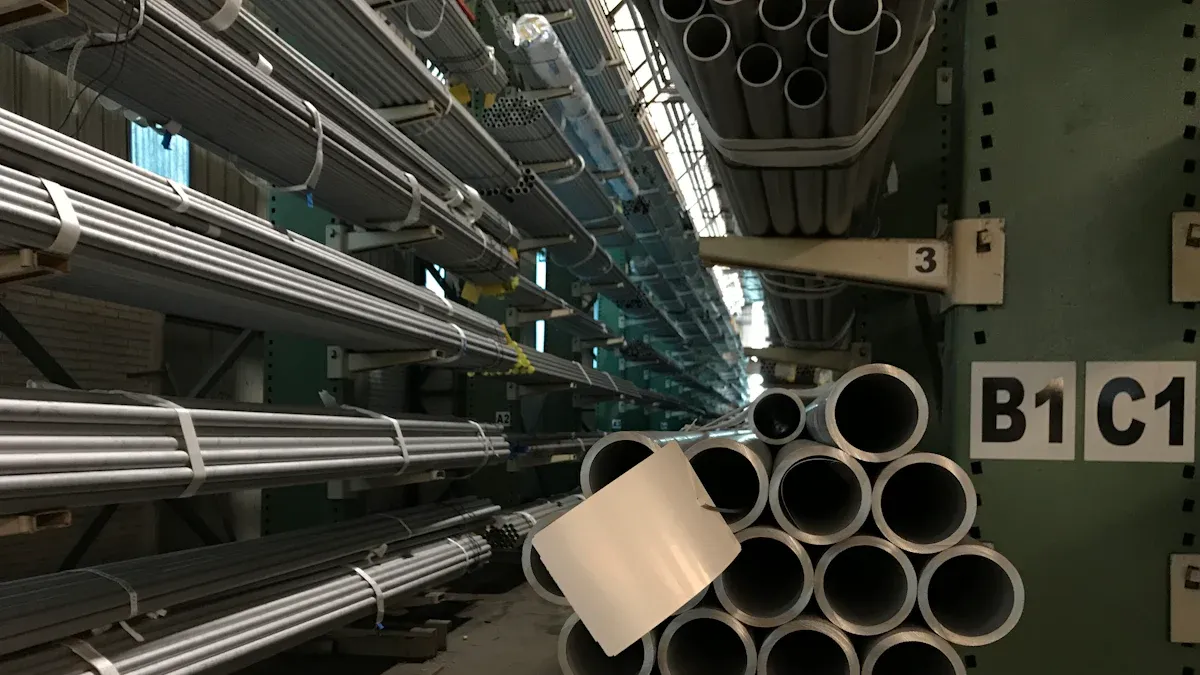
Keeping your PET tubing in good shape starts with how you store and organize it. You want to make sure every piece stays clean, safe, and easy to find. Good storage habits help you keep the seal strong and the tubing ready for use.
Use Protective Wrapping
You should always wrap PET tubing before you put it away. Protective wrapping keeps dust, dirt, and moisture away from the tubing. When you use a cover, you help the tubing keep its seal. Plastic bags, shrink wrap, or even bubble wrap work well. These materials stop scratches and block out things that can break down the tubing over time.
Tip: Make sure the wrapping fits snugly but does not squeeze the tubing. You want to protect the tubing, not bend or flatten it.
A tight seal on the wrapping keeps out air and water. This helps the tubing last longer and keeps the seal from getting weak. If you store tubing for a long time, check the wrapping now and then. Replace it if you see any holes or tears.
Prevent Kinking and Bending
PET tubing can lose its shape if you bend or kink it. When the tubing bends too much, the seal can break or weaken. You want to keep the tubing straight and smooth. Use racks, hooks, or shelves to hold the tubing in place. Lay the tubing flat or hang it in big loops. Never stack heavy things on top of it.
Here are some simple ways to prevent kinks and bends:
Store tubing in large coils or straight lengths.
Use racks or pegs to keep tubing off the floor.
Avoid sharp bends or tight corners.
Do not pile other items on top of the tubing.
If you handle the tubing gently, you protect the seal and keep the tubing strong. Always lift and move the tubing with care. This helps you avoid small cracks or weak spots that can ruin the seal.
Label and Organize Containers
You can save time and prevent mistakes by labeling and organizing your PET tubing containers. Good labels help you find what you need fast. They also stop you from mixing up different types or sizes of tubing. When you organize your storage area, you protect the tubing from damage and keep the seal safe.
Here are some smart ways to label and organize your containers:
Use clear labels with the tubing type, size, and date you received it.
Add warning labels if the tubing needs special care.
Try color-coded labels to spot different types quickly.
Keep tubing with similar uses together.
Store hazardous or special tubing in a separate area.
Proper labeling does more than just help you find things. It keeps you from using the wrong tubing by mistake. It also helps you avoid cross-contamination. When you keep everything in order, you lower the risk of damage and help the seal last longer.
Note: Check your labels often. Replace any that fade or peel off. A clear label means you always know what you have and how to handle it.
Good organization and protective storage make a big difference. You keep the seal strong, avoid waste, and make your work easier every day.
Cleanliness and Contamination Prevention
Keeping your PET tubing clean is one of the best ways to make sure it lasts. Dust and chemicals can sneak in and cause problems you might not notice right away. Let’s look at how you can keep your tubing safe from these hidden dangers.
Dust-Free Storage
Dust builds up fast, especially indoors. If you let dust settle on your PET tubing, you risk contamination and even microplastic pollution. Take a look at this table to see how much PET microplastic can collect in different places:
Type of Microplastic | Concentration (mg/kg) | Location |
|---|---|---|
PET | 1550–120,000 | Indoor |
PET | 212–9020 | Outdoor |
PC | 4.6 | Indoor |
PC | 2.0 | Outdoor |
You want to keep those numbers as low as possible. Here are some smart ways to keep your storage area dust-free:
Use Pellbow pipe elbows to cut down on friction and stop angel hair from forming.
Lower the speed when moving tubing to reduce angel hair.
Switch to Strandphase conveying systems for smoother handling.
Install a DeDuster under loading silos to get rid of fines and angel hair.
A clean space helps you avoid contamination and keeps your tubing ready for use. You also help with reducing gas exchange, which protects the tubing from outside air and moisture.
Tip: Wipe down shelves and racks often. Check for dust every week.
Avoid Chemicals and Oils
Chemicals and oils can damage PET tubing before you even notice. Some can make the tubing brittle, crack, or change color. Watch out for these troublemakers:
Acetaldehyde: This can form from PET breakdown and change the taste or smell of anything stored inside.
Hydraulic oils: These soak into PET and cause brittleness or cracking.
Silicone oils: They might stain or discolor PET tubing.
Keep your tubing away from any area where these chemicals or oils might spill or leak. If you use oils in your workspace, store PET tubing in a separate spot. Always check containers for leaks and clean up spills right away.
Note: If you see any stains or cracks, inspect the tubing before using it. Damaged tubing can ruin your project.
Clean storage keeps your PET tubing strong and safe. You protect your investment and make sure your tubing works when you need it.
Inspection and Shelf Life Stability Study
Regular Inspection for Damage
You want your PET tubing to last a long time. Checking it often helps you spot problems early. Look for cracks or color changes. See if the tubing feels stiff or brittle. If you find damage soon, you can fix it before it gets worse. Make sure to check the tubing before you use it. Also, inspect new batches when they arrive. Doing this helps you keep your tubing safe and working well.
Tip: Set a reminder to check your tubing every month. Quick checks help you keep your supplies ready to use.
Rotate Stock for Shelf Life Stability
Rotating your tubing helps it stay fresh and strong. Always use the oldest tubing first. This stops tubing from sitting too long and going bad. When you get new tubing, put it behind the old ones. This way, you use the older tubing before it gets too old.
Here’s an easy way to keep track:
Buy from trusted suppliers.
Use the oldest tubing first.
Watch your storage conditions.
This method helps you keep your shelf neat and organized.
Principle | Description |
|---|---|
FIFO | Makes sure you use the oldest tubing first. This lowers the chance of using tubing that is expired or damaged. |
By following these steps, you use each batch at the right time.
PET Tubing Shelf Life Stability Study
A PET tubing shelf life stability study shows how to store tubing the best way. These studies test how heat, cold, light, and humidity affect tubing. Heat can break down the tubing faster. Cold can make tubes crack or get hard. Light can cause tiny cracks and weak spots. Humidity can make tubes swell or powder clump together.
Environmental Factor | Impact on PET Tubing |
|---|---|
Heat Exposure | Speeds up breakdown, clumps additives, lowers vacuum pressure, and raises sterility risk. |
Cold Exposure | Makes crystals form, cracks tubes, and hardens stoppers. |
Light Exposure | Hurts tube material, causes tiny cracks, and weakens tube walls. |
Humidity Problems | High humidity lets moisture in and swells stoppers; low humidity clumps powder and builds static. |
When you follow tips from a PET tubing shelf life stability study, you keep your tubing strong and safe. These studies help you set up good storage and inspection habits. This way, you get the most use out of every batch.
You want your PET tubing to stay strong and last its full shelf life. Keep your storage area cool, dry, and clean. Check your tubing often and use the oldest stock first. When you follow these steps, you protect the life of your tubing and cut down on waste. Real-world examples show that products like the InPouch TF Bovine and TF Transit Tube keep their shelf life for 12 months when stored right.
These products stay reliable for testing and sample collection.
Good storage means you get the best results, even if you need to wait before using them.
Start using these tips today. You will see your tubing last longer and work better.
FAQ
How long can I store PET tubing before it goes bad?
You can store PET tubing for up to 12 months if you follow the right storage tips. Keep it cool, dry, and out of sunlight. Always check for damage before use.
What should I do if my PET tubing gets dusty?
Wipe the tubing gently with a clean, dry cloth. Avoid using water or cleaners. If you see a lot of dust, check your storage area for leaks or airflow problems.
Can I store PET tubing in my garage?
You can, but only if your garage stays cool, dry, and dark. Avoid places with big temperature swings or direct sunlight. If your garage gets hot, pick a better spot.
What signs show my PET tubing is no longer good?
Look for these signs:
Cracks or splits
Brittleness
Discoloration
Strange smells
If you notice any of these, do not use the tubing.
See Also
Key Guidelines for Effectively Utilizing FEP Heat Shrink Tubing
Selecting Ideal Ultra-Thin PET Heat Shrink Tubing for Your Needs
Important Information on PET Heat Shrink Tubing for Electronics
The Importance of Ultra-Thin PET Heat Shrink Tubing in Healthcare
Key Uses of Ultrathin-Wall PET Heat Shrink Tubing in Medicine

© Copyright 2024 My First Blog - All Rights Reserved.