What Is a PET Sleeve for Orthopedic Tool Handles in Veterinary Surgery

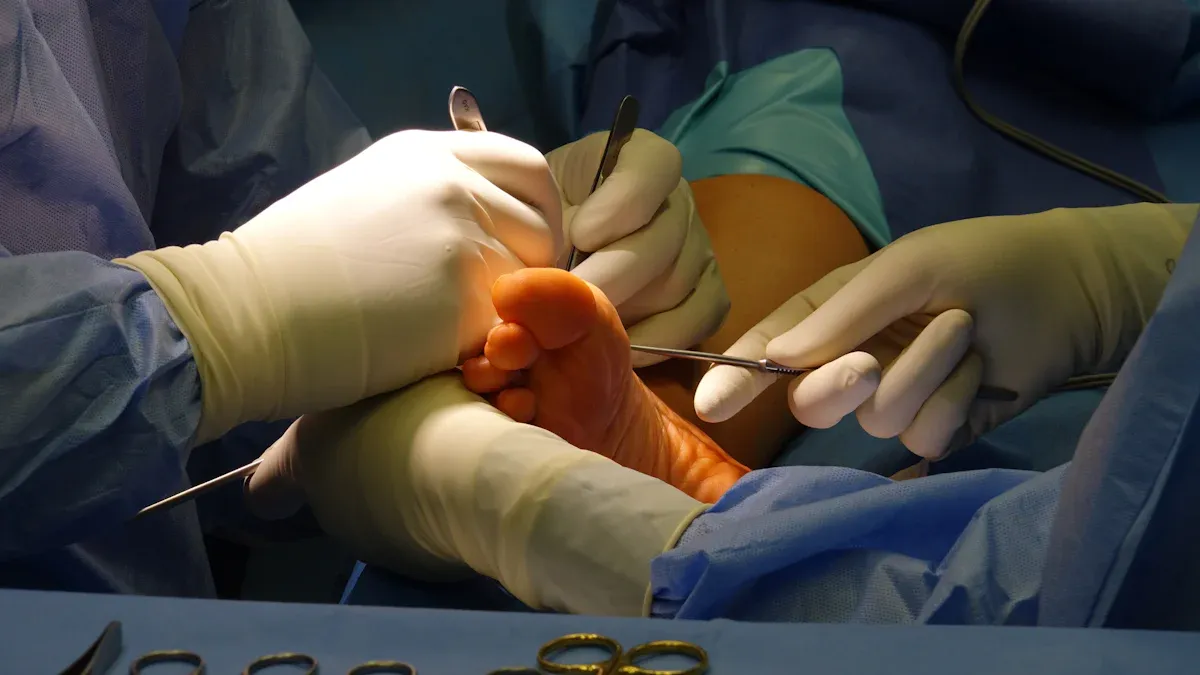
A PET sleeve for orthopedic tool handles is a cover you use in veterinary surgery. This sleeve protects tool handles and covers places where surgery was done. It is often called a Lick Sleeve. You keep tools clean and stop pets from licking or scratching wounds when you use it. PET sleeves help lower the chance of infection and help pets heal quicker.
Using PET sleeves is an easy way to protect tools and surgery spots at the same time.
Key Takeaways
PET sleeves keep tools and wounds clean and safe from germs.
These sleeves are made from breathable organic cotton. They help wounds heal faster because air can move through them.
Using a PET sleeve is easier and quicker than using regular bandages. This saves time during surgery.
Pets like sleeves more than cones. Sleeves let pets move easily and still protect their wounds.
PET sleeves can be washed in a machine. This makes them cheaper and you can use them again after surgery.
PET Sleeve Overview
Material and Design
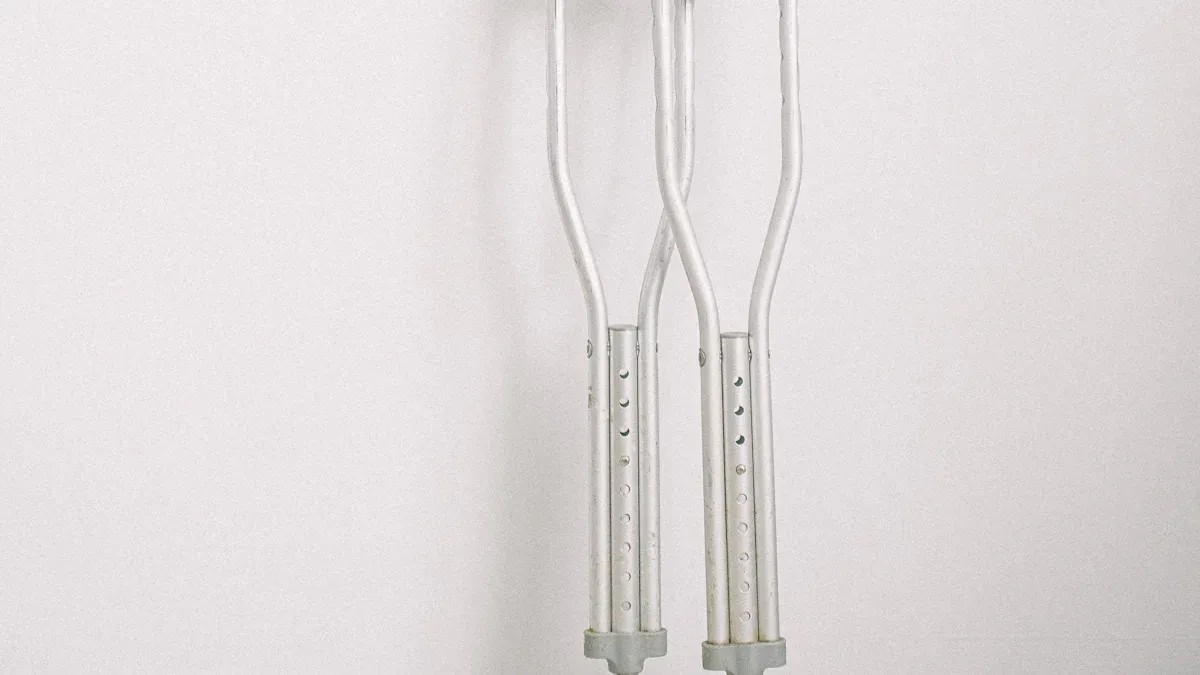
A pet sleeve for orthopedic tool handles is made with special care. The sleeve uses 100% organic cotton, which lets air move to the wound. This helps the wound heal faster. The fabric does not have any harmful chemicals, so it is safe for pets. You can put the sleeve on in less than 30 seconds. This saves time when you are doing surgery. The cuffs are soft and stretch, so they feel nice and do not rub the skin. Some sleeves have shiny parts that help you see your pet at night. You can use the sleeve on the left or right back leg, so it is simple to use.
Feature/Benefit | Description |
|---|---|
Breathable Material | Made from 100% organic cotton, ensuring good air circulation for wound healing. |
Secure Bandaging | Protects and secures bandaging during recovery, reducing complications. |
Stress Reduction | Functions as an e-collar alternative, allowing pets to recover comfortably without mobility restrictions. |
Easy Application | Can be applied in under 30 seconds, saving time and effort compared to traditional bandaging. |
Hypoallergenic | The fabric is free of toxins and chemicals, promoting healthy healing. |
Soft and Stretchable Cuffs | Adds comfort and prevents irritation from rubbing against the body. |
Reflective Material | Increases visibility at night for safety. |
Interchangeable Design | Can be used on either the left or right back leg, enhancing versatility. |
Application to Tool Handles
A pet sleeve for orthopedic tool handles helps keep tools clean and safe. The sleeve covers the handle, so dirt and germs stay away. You can put the sleeve on fast before surgery starts. This makes it easier to protect your tools. The sleeve also helps you hold the handle better, so it does not slip.
Tip: Make sure the sleeve fits tight on the tool handle before surgery. This keeps your tools safe and helps you avoid mistakes.
Role in Incision Protection
A pet sleeve for orthopedic tool handles also helps protect cuts from surgery. The sleeve keeps bandages in place during the first days after surgery. The cotton lets air get to the wound, so it heals faster. You can use the sleeve with bandages or by itself when the wound is better. This helps stop problems after surgery and keeps your pet happy. The sleeve fits many different tools, so you can use it in many ways.
Uses of Pet Sleeve for Orthopedic Tool Handles
Tool Handle Protection
A pet sleeve for orthopedic tool handles helps keep tools clean. It covers the handles of drills and saws. This stops dirt and germs from getting on them. Your tools stay in good shape for every surgery. You put the sleeve on before you start working. It fits tight, so it does not slip when you use it. Many vets use these sleeves on bone plates and screws. This keeps them free from dust and bacteria before they go into the patient.
You can use a pet sleeve for orthopedic tool handles on many tools.
The sleeve helps you hold the tool better, so your hands do not slip.
You protect the tool and the patient when you use the sleeve.
Tip: Always make sure the sleeve fits tight on the handle. This helps you avoid accidents and keeps your tools ready for the next surgery.
Post-Operative Incision Care
A pet sleeve for orthopedic tool handles helps after surgery too. You can use the sleeve to cover the cut from surgery. This keeps the wound safe from licking, scratching, or dirt. Many pets do not like wearing a cone. But they are okay with a sleeve. This keeps your patient comfortable and the wound safe.
Here is a table that shows how a pet sleeve helps with incision care:
Feature/Benefit | Description |
|---|---|
Protects the Wound | Keeps the wound safe and protected from the outside, lowering the risk of infection. |
Increases Compliance | More pets will wear a sleeve than a cone, so the wound stays safe. |
Reduces Stress | Lets pets heal in comfort and move around to eat or drink. |
Lightweight and Breathable Fabric | Lets air reach the wound, which helps it heal. |
Soft and Stretchable Leg Cuffs | Makes the sleeve comfy and stops rubbing on the skin. |
Easy to Apply and Remove | The zipper makes it simple to check the wound. |
Machine Washable | You can wash the sleeve in a machine to keep it clean. |
You can use the sleeve by itself or with bandages. The soft cuffs keep the sleeve in place. The fabric lets air get to the wound. This helps your patient heal faster and lowers the chance of infection.
Veterinary Orthopedic Surgical Instruments and PET Sleeves
You use a pet sleeve for orthopedic tool handles with many surgical tools. These sleeves fit on drills, saws, bone plates, and screws. You use them during surgery to keep tools clean. You can also use them after surgery to cover the wound. This means the sleeve is useful in more than one way.
During surgery, you cover tool handles to keep them clean.
After surgery, you use the sleeve to cover the wound and stop licking or scratching.
You save time because the sleeve is easy to put on and take off.
Note: Using a pet sleeve for orthopedic tool handles helps you protect tools and pets. You make your work easier and help pets heal faster.
Benefits of PET Sleeves
Infection Control
You want your pet’s surgery spot to stay clean. PET sleeves help by covering wounds and stopping licking or biting. This lowers the chance of infection and helps healing. Sleeves let pets move, eat, and drink easily. You can use the sleeve to hold bandages in place after surgery. This helps wounds heal faster and stops problems.
Benefit Description |
|---|
You can use a sleeve instead of a cone. Pets recover in comfort and can move and eat. |
Use the sleeve in the first days to protect bandages and lower problems after surgery. |
The sleeve keeps bandages safe after surgeries like TPLO, patella luxation, and cruciate repair. |
Tip: Always check that the sleeve fits well. This keeps germs away and helps your pet heal.
Enhanced Recovery for Pets
You want your pet to heal fast and feel less stress. PET sleeves, like the Lick Sleeve, protect wounds and let pets move. Your pet can eat, drink, and rest without feeling trapped. This comfort helps your pet stay calm and heal better. You do not need cones that block movement. Instead, you use a sleeve that fits well and feels soft. This makes recovery easier for you and your pet.
Durability and Cost-Effectiveness
You save time and money with PET sleeves. You can put on a sleeve in less than 30 seconds. This is faster than using bandages. After the first healing days, you use the sleeve instead of new bandages. This lowers costs. PET sleeves work with many surgical tools, so they are a smart choice. They last a long time if you check for damage and keep them clean.
Pros/Cons | Description |
|---|---|
Targeted Protection | Good for leg injuries or surgeries, giving focused protection. |
Comfort and Mobility | More comfortable than a cone, pets move better and feel less irritation. |
Easy to Use | Sleeves are easy to put on and take off, so you can check wounds quickly. |
Less Restrictive | Pets can move, eat, and drink without trouble. |
Limited Application | Only works for leg injuries, not for wounds on the body, neck, or head. |
Risk of Slipping Off | If the sleeve is too loose, it may fall off, especially if the dog is active. |
Chewing or Tearing | Some dogs may chew the sleeve and damage it, reaching the wound. |
Regular Maintenance | You need to check the sleeve often for fit and cleanliness. |
VetMedWear sleeves help pets recover and make owners happier than cones.
PET sleeves give you more ways to protect wounds and keep pets comfortable.
Applications in Veterinary Surgery
Common Procedures
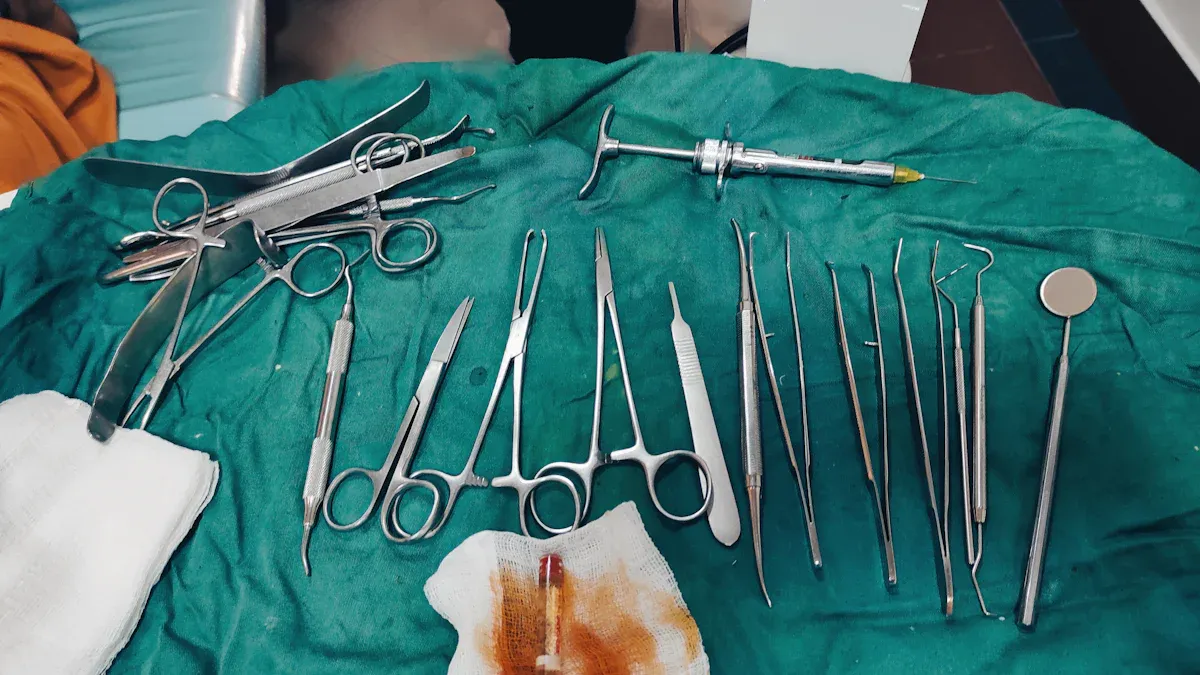
PET sleeves are used in many vet surgeries. These sleeves protect wounds and tool handles. They help during and after operations. You see them most in surgeries needing careful healing. They also help with infection control. Here are some surgeries where PET sleeves are important:
Tibial Plateau Leveling Osteotomy (TPLO) helps dogs with knee injuries. PET sleeves keep the cut clean and safe.
Medial Patella Luxation (MPL) repairs the kneecap. The sleeve covers the surgery spot and helps recovery.
Osteochondritis Dissecans (OCD) treats joint problems. The sleeve covers wounds and keeps pets comfy.
Modified Maquet Procedure (MMP) fixes bone issues. PET sleeves help with bandages and stop licking.
Lateral Suture repairs torn ligaments. The sleeve holds dressings and lowers infection risk.
You also use PET sleeves with orthopedic surgical instruments. These sleeves keep tools clean. They make it easier to handle tools during animal fracture repairs.
Practical Scenarios
You use PET sleeves in real life to help pets. After TPLO surgery, you put a Lick Sleeve on your dog. This sleeve is softer than a cone. It lets your pet move, eat, and rest. You help your pet heal faster and feel less stress.
You help pet owners with recovery steps. You share daily checklists and videos. These tools make home care easy and safe. You can use a free app from PetPath. It helps you track healing and follow recovery steps. This support helps with soft tissue surgery and laparoscopic surgery.
PET sleeves are part of your care plan after surgery. You keep wounds clean and protect bandages. You help pets recover with less worry.
Tip: Using PET sleeves in vet surgery helps pets heal and feel better.
You use PET sleeves to keep tool handles and cuts safe. These sleeves help you clean tools and protect wounds. Pets heal faster and feel better with sleeves. Vet teams see pets get well quicker and follow rules more. The table below lists main benefits:
Benefit | Description |
|---|---|
Improved Recovery Outcomes | Sleeves make pets comfy and help healing. |
Increased Compliance | Pets wear sleeves easier than e-collars. |
Versatile Use | You can use sleeves for many front leg surgeries. |
PET sleeves are important in today’s vet orthopedic surgery.
FAQ
What is a PET sleeve used for in veterinary surgery?
You use a PET sleeve to protect orthopedic tool handles and cover surgical wounds. The sleeve keeps tools clean and helps wounds heal by stopping pets from licking or scratching.
Can you wash and reuse a PET sleeve?
Yes, you can wash most PET sleeves in a machine. Always check the label for care instructions. Clean sleeves help prevent infection and keep your pet safe.
How do you choose the right size PET sleeve?
You measure your pet’s leg or the tool handle before buying. Most brands offer a size chart. Pick a sleeve that fits snugly but does not squeeze.
Do PET sleeves replace the need for an e-collar?
PET sleeves often work as an alternative to e-collars. Many pets feel more comfortable in a sleeve. You may still need an e-collar for some pets or wounds.
See Also
Exploring Key Uses of Ultrathin PET Heat Shrink Tubing
The Importance of Ultra-Thin PET Heat Shrink Tubing
The Necessity of Etched PTFE in Minimally Invasive Surgery
FEP Heat Shrink Tubing Versus Polyolefins in Electrosurgery
Leading Providers of FEP Insulation for Laparoscopic Surgery

© Copyright 2024 My First Blog - All Rights Reserved.