What should you know about PET shrink tube with 0.00015 inch wall thickness

PET shrink tube with 0.00015" wall thickness is extremely thin, making it ideal for wrapping and protecting small, sensitive parts. This PET shrink tube with 0.00015" wall thickness is commonly used in medical devices and electronics due to its smooth surface and consistent thickness throughout. The ultra-thin wall of the PET shrink tube with 0.00015" wall thickness provides strong protection without adding unnecessary weight.
PET shrink tube with 0.00015" wall thickness is perfect for small and delicate items.
The tubing shrinks tightly around objects for a secure fit.
PET shrink tube with 0.00015" wall thickness performs reliably in critical applications.
Key Takeaways
PET shrink tube with 0.00015 inch wall thickness is great for keeping small, fragile things safe in medical devices and electronics. The very thin wall gives strong protection but does not make things heavy. This is good for sensitive uses. This tubing can be cleaned with steam, gamma rays, or ethylene oxide. This keeps it safe for medical use. Pick the right size and shrink ratio to make sure your devices fit well. This helps them work better and last longer. PET shrink tubing is tough, clear, and does not get damaged by chemicals. This makes it a good choice for many uses.
What is PET shrink tubing?
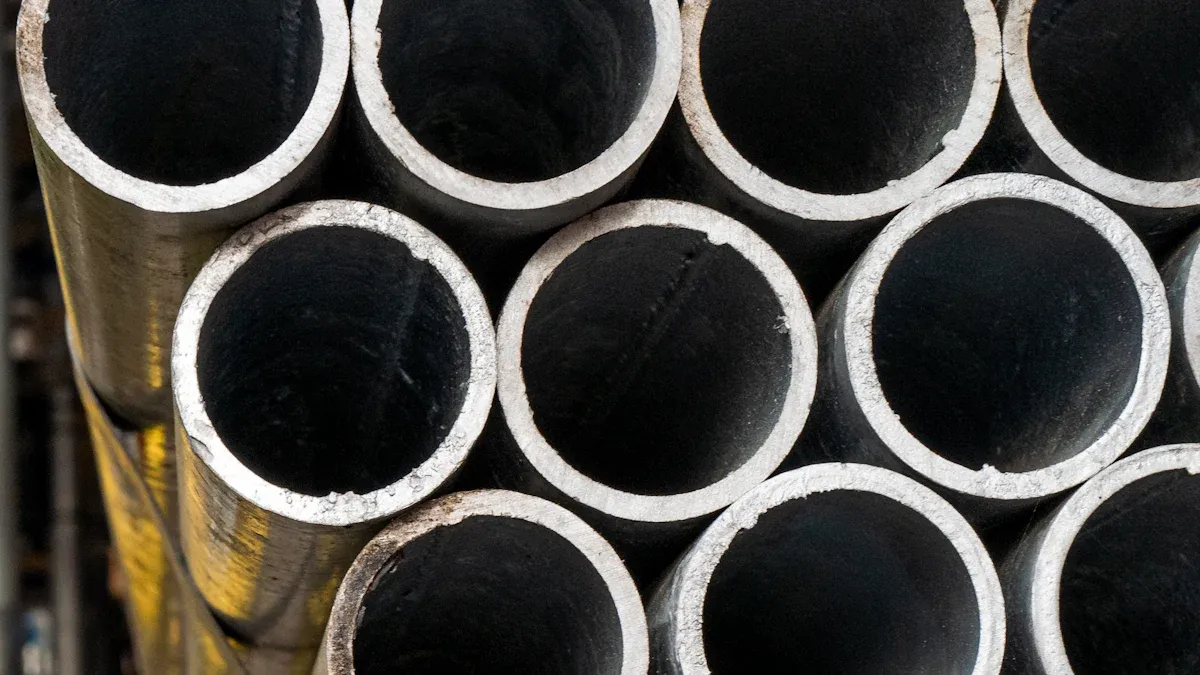
PET shrink tube with 0.00015 inch wall thickness
You see PET shrink tubing in lots of industries. PET means polyethylene terephthalate. People make PET shrink tubing from ethylene glycol and terephthalic acid. These two chemicals join to form long chains called polymers. The way these chains line up makes PET shrink tubing strong and clear.
PET shrink tubing wraps tightly around things.
PET shrink tube with 0.00015" wall thickness is very thin.
You use PET shrink tube with 0.00015" wall thickness for careful protection.
Ultra-thin wall PET shrink tubing fits tiny and fragile parts.
PET shrink tube with 0.00015" wall thickness keeps things light and not bulky.
You find PET shrink tubing in medical devices, electronics, and other delicate tools. Medical-grade PET heat shrink tubing protects wires and sensors. You use PET shrink tube with 0.00015" wall thickness for catheters and small electronic parts. The thin wall helps you keep things flexible and not too thick.
Key features and uniqueness
PET shrink tubing is known for being strong and good at insulation. You get a smooth surface and steady performance. Medical-grade PET heat shrink tubing stands up to scratches and chemicals. You trust PET shrink tube with 0.00015" wall thickness for important jobs.
Property | Value |
|---|---|
Dielectric strength | > 4,000 V/mil |
Thermal stability | Up to 150°C (302°F) continuous, 200°C (392°F) short-term |
Mechanical strength | High tensile strength and abrasion resistance |
Chemical resistance | Resists oils, solvents, and corrosive chemicals |
You pick PET shrink tubing because it lasts long and is clear. Ultra-thin wall PET shrink tubing gives a snug fit and smooth cover. Medical-grade PET heat shrink tubing covers wires and protects sensitive parts. You use heat shrink tubing in medical devices since it shields without making things heavy.
PET shrink tube with 0.00015" wall thickness is used in vascular intervention, heart disease treatments, and other medical needs. You choose PET shrink tubing because it shrinks tightly and holds things in place. Medical-grade PET heat shrink tubing keeps things safe and works well in tough places.
Tip: You can use PET shrink tubing to cover fragile sensors and connectors. The ultra-thin wall PET shrink tubing helps your devices stay light and bendy.
You see PET shrink tubing in many delicate uses. Medical devices need careful insulation and protection. PET shrink tube with 0.00015" wall thickness gives you these benefits. You count on medical-grade PET heat shrink tubing for steady results.
Ultra-thin wall PET shrink tubing properties
Physical and chemical properties
Ultra-thin wall PET shrink tubing is special because of its material. PET makes the tubing strong and bendy. It protects small and delicate parts. The tubing keeps its shape after many cleanings. It does not break down from heat. You can bend it around tricky shapes. It still covers wires and sensors well.
Here is a table that lists important properties of ultra-thin wall PET shrink tubing:
Property | Description |
|---|---|
Mechanical Strength | PET tubing keeps over 88% strength after many chemical cleanings. |
Thermal Stability | The tubing handles high heat during cleaning. |
Chemical Resistance | PET tubing stands up to many cleaners and chemicals, so it stays strong. |
Flexibility | The tubing bends around tricky shapes and still protects wires. |
Microbial Lethality | There are only small changes after sterilizing, so it is good for medical use. |
Regulatory Compliance | It meets ISO 10993 and USP Class VI rules for medical safety. |
You count on PET shrink tubing because it lasts and fights off chemicals. The tubing keeps catheters and medical tools safe from water and scratches. The material science of ultra-thin wall PET shrink tubing helps your devices last longer and stay safe.
Shrinkage ratio and performance
Ultra-thin wall PET shrink tubing gives a tight fit and smooth look. You use it to wrap sensitive parts carefully. The tubing can shrink up to a 3:1 ratio. This means you can control how tight it fits. You can cover odd shapes and still get a snug fit.
The shrinkage ratio helps you pick the right size for medical tools.
You get a steady shrink ratio, like 2:1, so the tubing hugs catheters tightly.
Bigger shrink ratios make the tubing more bendy and good for small parts.
Ultra-thin wall PET shrink tubing adds strength but does not make things bulky. The tubing fits close and helps catheters work better. It keeps devices safe from chemicals and water. It also keeps them slim. You pick PET shrink tubing because it is tough and fights chemicals. Heat shrink tubing works great in medical and electronic tools.
Tip: Try ultra-thin wall PET shrink tubing to make your devices last longer without making them bigger. The tubing gives a strong, bendy, and steady cover.
Manufacturing and quality control
Production process for ultra-thin walls
Making PET shrink tubing with ultra-thin walls takes careful steps. First, workers melt PET pellets. Machines push the melted PET through a small mold. This makes a thin tube shape. The tube cools fast so it keeps its form. Next, the tube is stretched to make the wall even thinner. Stretching also makes the tubing strong. People must watch the temperature and speed all the time. If they use the right settings, the wall thickness only changes by about 4.8%. If they use the wrong settings, the change can go up to 12%. Here is a table that shows this:
Process Condition | Wall Thickness Deviation (%) |
|---|---|
Proper Parameters | Approximately 4.8% |
Improper Parameters | Approximately 12.0% |
Small changes in the process can change the quality of PET shrink tubing. The right steps give you tubing that fights chemicals and has smooth walls. This is very important for medical devices and electronics.
Ensuring consistency and reliability
You want every piece of PET shrink tubing to work the same way. Companies use strict checks to make sure this happens:
Temperature control: Keep the heat at 150°C (302°F) for even shrinking.
Shrinkage management: Limit shrinking to 15%-20% for best results.
Tension technique: Hold the tubing tight during heating to stop wrinkles.
Rigorous testing: Test each batch for strength, chemical resistance, and size.
Quality assurance: Use checks to make sure the tubing is good.
Replacement policy: If a test finds a problem, you get a free replacement or refund.
You can trust PET shrink tubing because of these steps. The tubing stays strong and fights chemicals. You get good results every time. This is most important when you use PET shrink tubing in medical tools that must fight chemical cleaners and heat.
Note: Careful making and testing help PET shrink tubing keep its thin walls and strong cover. You get tubing that stands up to chemicals and keeps your devices safe.
Applications in medical device manufacturing
Medical devices and clinical uses
You find PET shrink tubing in many medical devices. In vascular intervention, it wraps and protects catheters and shafts. The tubing makes shafts stiffer but keeps them thin. It covers braid ends so wires do not poke out. This keeps the device safe for patients. PET shrink tubing also helps attach balloons to catheters or make bonds stronger. These things help doctors treat blood vessel problems.
For heart disease, PET shrink tubing covers and insulates parts inside heart devices. Devices that make or sense energy need strong insulation. PET shrink tubing gives this strength, so devices work safely. In tumor ablation, PET shrink tubing protects wires and sensors that send energy to tumors. The tubing can handle heat and chemicals during cleaning, so you can use it again.
Electrophysiology catheters need strong insulation. PET shrink tubing gives high insulation and strength. It protects important parts and keeps signals safe. The tubing is clear, so you can see and line up parts when building devices. This helps make catheters and needles more exact.
Digestive and breathing devices also use PET shrink tubing. The tubing is strong and can handle stress. It stands up to strong cleaners and many cleanings. PET is safe for the body, so it helps keep patients safe. The tubing stays clear and bendy after cleaning. Its smooth surface helps stop bacteria from growing, which is good for safety.
In urology, PET heat shrink tubing gives insulation, protection, and helps seal and hold parts. The tubing gives strain relief and keeps devices working well. You use PET shrink tubing for catheters and shafts in these areas.
Here is a table showing where PET shrink tubing is used in medical devices:
Application Area | Description |
|---|---|
Vascular Intervention | Used in devices for treating blood vessel issues. |
Structural Heart Disease | Applied in devices for heart-related conditions. |
Tumors | Utilized in devices for tumor ablation procedures. |
Electrophysiology | Involved in devices for heart rhythm management. |
Digestion | Used in devices related to gastrointestinal health. |
Respiration | Applied in devices for respiratory support. |
Urology | Used in catheters and shafts for urinary care. |
Tip: PET shrink tubing helps medical devices last longer and stay safe after many cleanings.
Other specialized applications
You also use PET shrink tubing in other special medical devices. For example, you can bundle wires, cover parts during making, or cut down on waste. The tubing helps keep balloon and stent shapes during building. You can use it to hold parts together while making devices.
PET shrink tubing gives many benefits in making medical devices. The tubing has high insulation, so it works for catheter insulation and electrical safety. It is strong, so devices do not get scratched or damaged easily. The tubing is clear, so you can see and line up parts when building. Its smooth surface helps stop bacteria and makes cleaning easier.
You pick PET shrink tubing because it stands up to chemicals and heat. The tubing keeps its shape and strength after cleaning. You can use it for catheter insulation in many medical devices. PET shrink tubing helps seal and hold parts, so devices stay together and work well.
AccuPath's PET shrink tubing is a top choice for these uses in medical device making. You get strong catheter insulation, good protection, and great cleaning resistance. AccuPath's tubing helps you meet strict medical rules and keeps devices safe for patients.
Note: When you need tubing for catheters and shafts, PET shrink tubing gives you the right mix of strength, bendiness, and safety.
Comparing PET shrink tubing alternatives
PET vs. other materials
You might wonder how PET shrink tubing is different from others. Some people use polyolefin, PVC, or FEP for tubing. Each one has its own good points. PET is special because it is very clear and strong. The surface is smooth, so cleaning is easy. PET can handle chemicals and heat better than many plastics.
If you need to sterilize your device, PET works well. You can use steam, gamma rays, or ethylene oxide to clean it. PET keeps its shape and strength after these steps. Polyolefin and PVC may not last as long with lots of sterilizing. FEP can take more heat, but it costs more and is not as clear. PET gives you a good mix of price, safety, and how well it works.
Here is a table to help you compare:
Property | PET | Polyolefin | PVC | FEP |
|---|---|---|---|---|
Clarity | High | Medium | Low | High |
Heat Resistance | High | Medium | Low | Very High |
Chemical Resistance | High | Medium | Medium | Very High |
Sterilization | Excellent | Good | Fair | Excellent |
Cost | Moderate | Low | Low | High |
Tip: Pick PET shrink tubing if you want strong, clear, and safe protection for things that need to be cleaned often.
0.00015 inch vs. thicker tubing
You should also think about how thick the tubing is. PET shrink tubing with a 0.00015 inch wall is super thin. This helps keep devices light and easy to bend. Thicker tubing is stronger, but it can make things heavy. Thicker tubing may not shrink as evenly as thin PET.
If you clean your device a lot, thin PET tubing lets heat and chemicals reach everywhere. This means cleaning works better. Thick tubing might block some heat or chemicals, so it may not clean as well. You should choose the thickness that fits your device best.
Use 0.00015 inch PET for catheters, sensors, and small wires.
Pick thicker PET for parts that need more strength or to stop scratches.
Note: Ultra-thin PET shrink tubing helps you meet tough cleaning rules and keeps your devices safe and light.
When you pick PET shrink tube with a 0.00015 inch wall thickness, you get many benefits. This tubing makes things stronger and gives good insulation. It lasts a long time and does not wear out fast. The surface is smooth and the walls are even, so it works well for careful jobs. PET shrink tube saves money and is safe for people. It can be cleaned many times and still works well. These features help when you need strong and light protection for medical devices or delicate parts.
FAQ
What makes PET shrink tube with 0.00015 inch wall thickness special?
You get a tube that is very thin and light. It protects small parts without adding bulk. This makes it perfect for medical devices and sensitive electronics.
Can you sterilize PET shrink tubing?
Yes, you can sterilize PET shrink tubing. It handles steam, gamma rays, and ethylene oxide. The tubing keeps its shape and strength after cleaning.
Where do you use ultra-thin PET shrink tubing?
You use it in catheters, sensors, and wires. It works well in medical devices, electronics, and other tools that need strong but light protection.
How do you choose the right PET shrink tubing size?
Measure your part first. Pick a tube with a shrink ratio that fits tightly after shrinking. Check the wall thickness to keep your device light and flexible.
Is PET shrink tubing safe for medical use?
Yes, PET shrink tubing meets strict medical safety rules. It passes ISO 10993 and USP Class VI tests. You can trust it for use in medical devices.
See Also
Essential Insights on PET Heat Shrink Tubing for Electronics
Key Uses of Ultrathin PET Heat Shrink Tubing in Healthcare
Selecting the Ideal Ultra-Thin PET Heat Shrink Tubing
The Importance of Ultra-Thin PET Heat Shrink Tubing in Medicine

© Copyright 2024 My First Blog - All Rights Reserved.