How to Use PET Heat Shrink Tubing in Medical Device Manufacturing

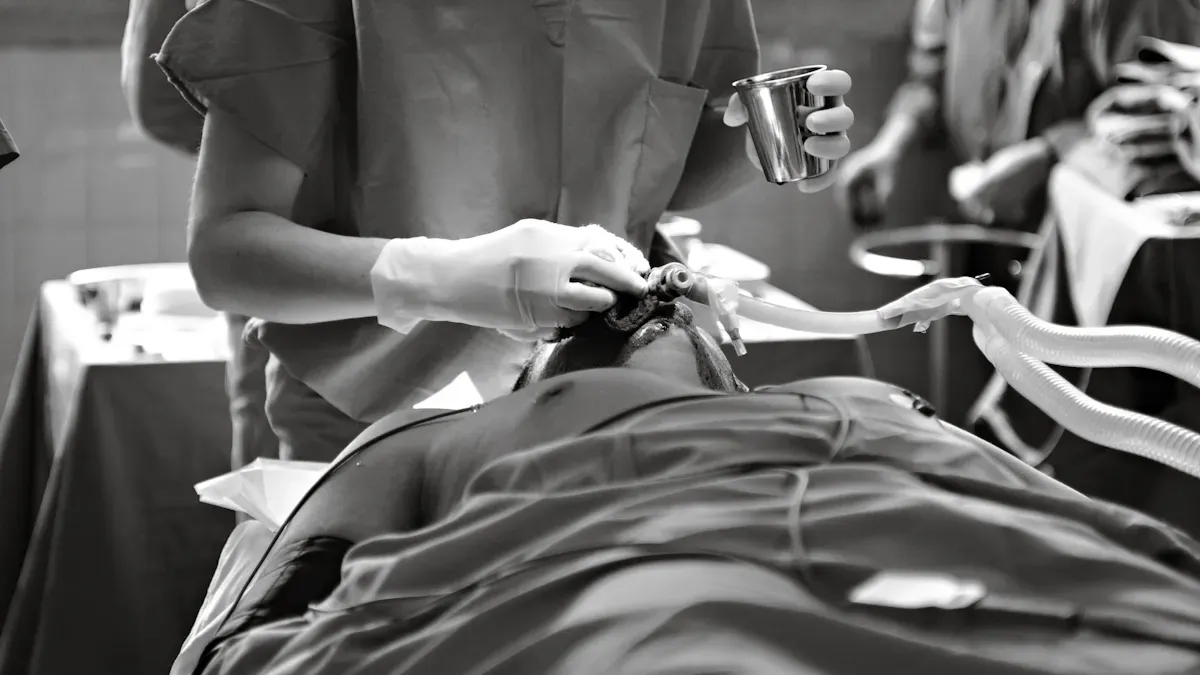
You use PET heat shrink tubing to make medical devices safer and more reliable. This tubing is very strong and clear, so you can check it easily. It also does not get damaged by chemicals. It keeps devices safe from tough places and makes sure they are safe for the body. This meets strict ISO 10993 rules. More people are using this tubing, and the market will reach $0.56 billion by 2033. You get many benefits like long-lasting use, simple use, and no phthalates. This makes it a trusted choice for today’s healthcare.
Key Takeaways
PET heat shrink tubing helps make medical devices safer and more reliable. This is why many people in healthcare trust it. This tubing is strong and clear. It does not get damaged by chemicals. This keeps devices safe and working well, even in hard places. Using PET tubing the right way is very important. Checking its quality is also important. This helps keep the device working right and meeting medical rules. Picking the correct size and shrink ratio for PET tubing is needed. This makes sure it fits tightly. A tight fit is important for good insulation and protection. PET heat shrink tubing does not cost a lot. It is easy to find. This makes it a good choice for people who make medical devices.
PET Heat Shrink Tubing Overview
PET Material Properties
PET heat shrink tubing has special features. PET stands for polyethylene terephthalate. This material is strong and clear. It is safe to use. You can see through PET tubing. This helps you check device parts easily. PET heat shrink tubing helps you find problems fast. It keeps its shape and strength after shrinking. It fits tight spaces well.
Here is a table that shows the main properties of PET heat shrink tubing:
Property | Measurement |
|---|---|
Dielectric Strength | > 4,000 V/mil |
Long-term Temperature | -196°C to 135°C |
Short-term Temperature | Up to 200°C |
Melting Point | 235°C |
Shrinkage Capability | Up to 50% or more |
PET heat shrink tubing meets strict medical rules. It passes ISO 10993-5 and ISO 10993-10 tests. These tests check for cytotoxicity and irritation. PET heat shrink tubing also passes MDR 2023 rules for leachable chemicals. You can trust PET to keep patients and devices safe.
PET gives you more benefits. It resists oils, solvents, and harsh chemicals. It has high tensile strength and abrasion resistance. PET heat shrink tubing works in very cold and hot places. You can use it from -196°C to 200°C. Its flexibility lets you cover many shapes and sizes.
Why PET Is Used
PET heat shrink tubing gives you safety and reliability. PET meets ISO 10993 rules for biocompatibility. You can use it in catheters and other medical devices. PET keeps its strength after many sterilization cycles. You do not have to worry about the tubing breaking down.
PET heat shrink tubing is special. It has high strength, clarity, and chemical resistance. You can use it for many medical jobs. It protects wires and parts from damage. It also keeps patients safe during procedures.
New advances make PET even better. You now get ultra-thin walls, high insulation, and a high shrink ratio. PET heat shrink tubing lasts longer and works better in tough places. You can trust PET to meet your needs in medical device manufacturing.
PET Heat Shrink Tubing Benefits
Insulation and Protection
PET heat shrink tubing helps keep medical devices safe. It stands up to cleaning agents and solvents in hospitals. It does not break down from UV light. The tubing keeps its shape during sterilization. You do not worry about devices failing. It gives great insulation to stop electrical interference. Thermal insulation protects parts from temperature changes. Mechanical strength keeps devices safe from damage.
PET heat shrink tubing stands up to cleaning agents and solvents.
It does not break down from UV light.
You get insulation that stops electrical interference.
Thermal insulation protects parts from temperature changes.
Mechanical strength keeps devices safe from damage.
You use PET heat shrink tubing instead of old coatings. It blocks dust, moisture, and dirt. The smooth surface lowers infection risk during procedures. It protects skin during electrical stimulation. You make sure devices work safely and reliably every time.
Stiffness and Durability
PET heat shrink tubing makes medical devices stronger. It adds stiffness so devices stay stable. You get durability, so devices last a long time. You do not need to replace them often. PET heat shrink tubing protects sensitive parts from the environment. Devices become more reliable.
PET heat shrink tubing makes device structure stronger.
It gives durability for longer use.
You protect sensitive parts from the environment.
Devices stay safe and reliable over time.
You use PET heat shrink tubing for sealing and fixing parts. It keeps wires and parts in place. It stops damage from bending or twisting. You trust PET heat shrink tubing to work well in tough places.
Tip: PET heat shrink tubing costs less than fluoropolymers. You can find it easily in markets around the world.
Material Type | Cost Implication | Availability |
|---|---|---|
PET Heat Shrink Tubing | Usually costs less than fluoropolymers | Easy to find |
Fluoropolymers | Costs more because of special features | Not as common |
Biocompatibility and Safety
PET heat shrink tubing is used for safe medical jobs. It meets ISO 10993 and USP Class VI rules. You check that it is safe for catheters and surgical tools. PET heat shrink tubing gives insulation for electrical parts without hurting patients. Chemical resistance lowers contamination risk during cleaning. You use PET heat shrink tubing for jobs where it touches patients.
PET heat shrink tubing meets ISO 10993 and USP Class VI rules.
You make sure catheters and surgical tools are safe.
Insulation keeps electrical parts and patients safe.
Chemical resistance lowers contamination risk.
You use PET heat shrink tubing for safe medical jobs.
You make a barrier against dust, moisture, and dirt. Devices stay clean and infection risk goes down. The smooth surface lowers infection risk during procedures. PET heat shrink tubing does not cause bad reactions in the body. You get safety and reliability in every device.
Note: PET heat shrink tubing helps control infection. It keeps patients and devices safe with biocompatibility and safety.
Medical Equipment Applications
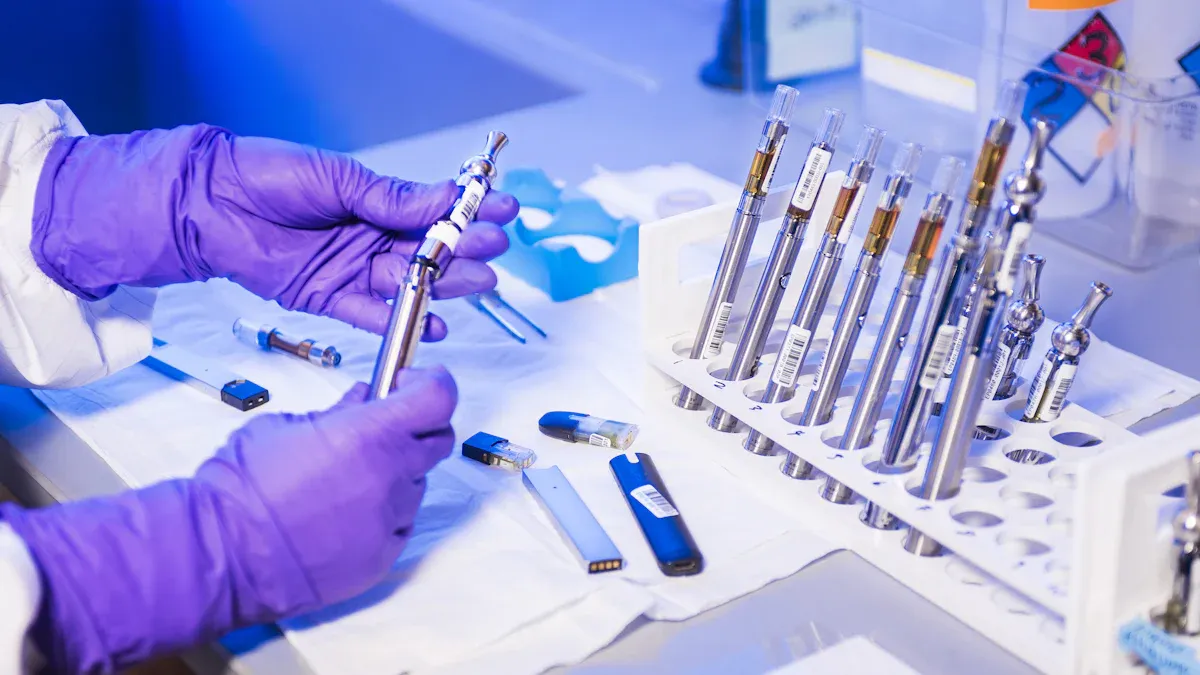
PET heat shrink tubing is important in many medical tools. You see it in devices that need insulation and protection. It helps these devices work well and stay safe. This tubing helps doctors follow strict safety rules. It also supports new medical treatments. You can use PET heat shrink tubing in many areas. These include heart disease, tumor care, blood vessel work, digestion, breathing, and urology. Let’s see how PET heat shrink tubing is used in different medical tools.
Catheters and Guidewires
Doctors use PET heat shrink tubing to make catheters and guidewires safer. The tubing gives these tools a smooth surface. It is safe for the body. It lowers friction, so tools move easily in blood vessels. The tubing also gives good insulation and protects small parts. When making these tools, you use heat like hot air guns or ovens. The tubing shrinks at about 150°C and fits tightly. You must clean all parts and keep them germ-free. After shrinking, you check the tools by looking at them and measuring. This makes sure they are safe for medical use.
Catheters and guidewires need PET heat shrink tubing for smooth surfaces and less friction.
You use heat to shrink the tubing and make it fit well.
Cleaning and checking keep your tools safe and ready.
This process helps you make tools for blood vessel and heart care. You can trust these tools to work safely inside the body.
Needles and Electrical Devices
Doctors use PET heat shrink tubing to make needles and electrical tools safer. The tubing gives strong insulation for these devices. It keeps electrical parts safe and lowers the risk of problems. You see this tubing in radiofrequency ablation needles. It helps these needles work better during treatments. The tubing also keeps patients safe from electric shocks. PET heat shrink tubing does not get damaged by cleaning chemicals. You can clean and sterilize your tools many times.
PET heat shrink tubing gives insulation for electrical tools.
It keeps patients safe from electric shocks.
You use it in needles for treatments like radiofrequency ablation.
The tubing stands up to strong cleaning and sterilizing.
You find this tubing in many medical tools like cables, sensors, and other electronics. It helps you follow safety rules and keeps your tools working well.
Surgical and Diagnostic Tools
Doctors use PET heat shrink tubing in surgical and test tools. The tubing covers joints and moving parts. This protects them from damage and helps them last longer. You also use it to label blood vials or wires. This makes it easy to track tools during surgery. PET heat shrink tubing keeps cables and joints safe and neat. It helps cover tool joints, so tools stay strong after many uses.
PET heat shrink tubing protects surgical and test tools.
You use it to label and organize your tools.
It keeps cables and joints safe from damage.
“PET heat shrink is one of the few materials that stays clear and flexible after many cleanings — perfect for reusable test tools.” — Dr. Mei Lin, Biomedical Engineering Researcher, Shanghai MedTech Institute
Ultra-thin wall tubing is another benefit. It lets you make smaller and less invasive tools. You can label and mark tools very clearly. This is important for surgeries that need small cuts. The thin tubing helps you make tools for these gentle treatments.
Here is a table that shows common medical tools that use PET heat shrink tubing:
Medical Equipment Type | How PET Heat Shrink Tubing Helps |
|---|---|
Catheters and guidewires | Smooth, safe surface; insulation |
Surgical instruments | Protective layer; better grip; lasts longer |
Electronic medical devices | Insulation; stops interference |
Diagnostic tools | More reliable; better protection |
You see PET heat shrink tubing in almost every kind of medical tool. It helps you make safe, strong, and high-quality devices for many medical jobs.
Selecting PET Tubing
Picking the right PET heat shrink tubing is very important. It helps keep devices safe and working well. You need to think about size, shrink ratio, material quality, and rules for medical use. These things help you follow strict medical rules. They also make sure your devices work as they should.
Size and Shrink Ratio
The tubing must fit your device tightly. First, measure the biggest part of your device. Pick tubing that is not more than 15% bigger than this size. The shrink ratio should match what you need. PET heat shrink tubing gets smaller in both width and length. If you do not check this, the tubing may not fit right. It could also not seal well. Experts say to keep the gap under 15%. A shrink ratio of 1.1:1 works best for most jobs.
Criterion | Description |
|---|---|
Size and Dimensional Accuracy | The tubing must fit the device exactly to keep it safe and working. |
Material Durability and Biocompatibility | The tubing should be strong and not cause bad reactions in the body. |
Compliance with Medical Standards | The tubing must follow FDA and ISO rules for medical devices. |
Technical Factors | Watch the shrink temperature so the tubing does not wrinkle or shrink wrong. |
Make sure the tubing fits tightly.
Measure the biggest part of your device.
Pick tubing that is less than 15% bigger than your device.
Check the shrink ratio so the tubing fits well after shrinking.
Knowing these things helps your devices work better and follow medical rules.
Material Quality
Good PET tubing is very strong. It can handle strong cleaning chemicals and being sterilized. It stays clear, flexible, and strong for a long time. This is important in hospitals. The tubing meets rules like ISO 10993 and USP Class VI. These rules make sure the tubing is safe and works well. You want tubing that does not break or get weak. This helps your devices stay safe and work right.
Good PET tubing lasts a long time.
It does not get damaged by chemicals.
It stays strong during sterilization.
Following medical rules keeps patients safe.
Clear and flexible tubing helps devices work well.
Compliance and Supplier Reliability
You need to check if your tubing meets all the right rules. Look for ISO 10993 and USP Class VI on the tubing. These show the tubing is safe for the body. Ask for proof of ISO 13485 for good quality control. Make sure your supplier follows FDA and CE rules. These rules keep patients safe and devices working. RoHS means the tubing does not have harmful stuff in it. Good suppliers give you papers for all these rules. You want suppliers who know about strict medical rules.
ISO 10993 checks if the tubing is safe for the body.
USP Class VI shows the tubing is safe for medical use.
FDA approval means the tubing follows the rules.
ISO 13485 checks for good quality control.
RoHS keeps patients safe from harmful materials.
Tip: Always ask your supplier for certificates and test results. This helps you make sure the tubing is safe and works well.
Picking PET heat shrink tubing with the right size, good material, and the right rules keeps devices safe and working. You follow FDA rules and tough medical standards every time.
Implementation Steps
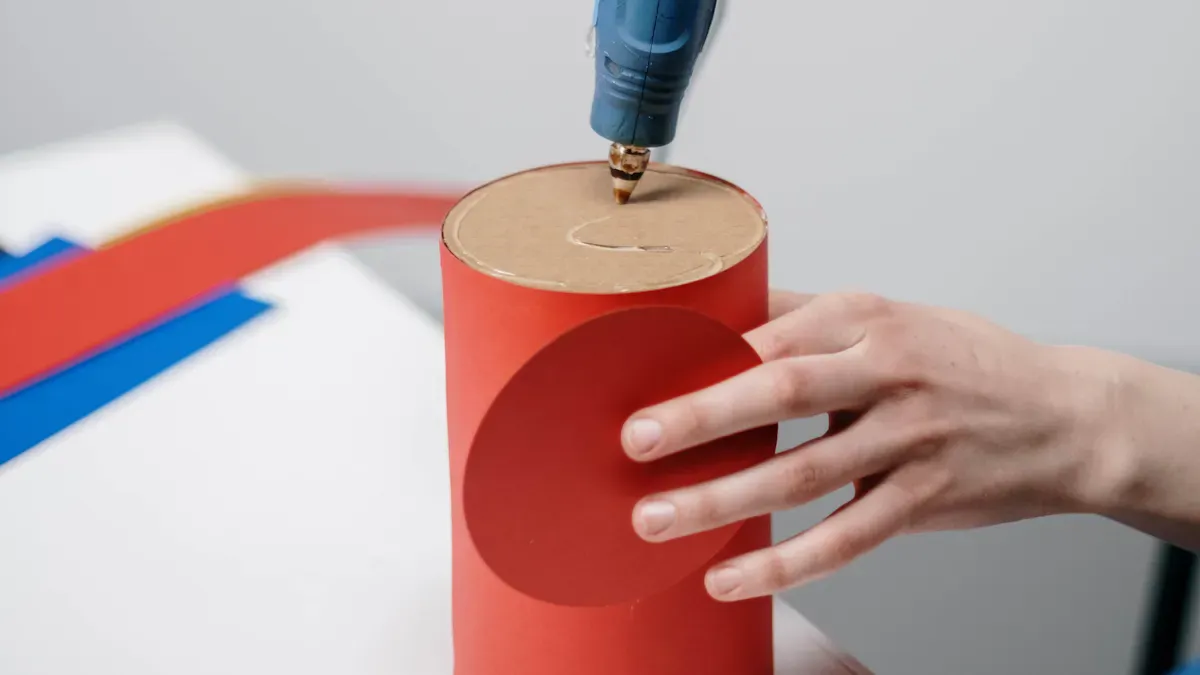
Preparation and Handling
You need to get ready before using PET heat shrink tubing. Always wear gloves and use clean tools. This keeps your workspace safe and sterile. Clean every part to remove dust and oil. Check the tubing for any defects or problems. Handle the tubing gently. The ultrathin walls can stretch or tear if you pull too hard. Put the tubing over the device parts that need protection. Keep your workspace neat and clean. This helps you avoid contamination and makes sterilization easier.
Steps for Preparation and Handling:
Wear gloves and use clean tools.
Clean all parts to remove dust and oil.
Check tubing for defects.
Handle tubing gently to avoid damage.
Put tubing over the device.
Keep your workspace neat.
Tip: Careful preparation helps PET heat shrink tubing work well during sterilization.
Application Techniques
You need to cut PET heat shrink tubing to the right size. Slide the tubing over the device. Make sure it covers the area you want to protect. Use a heat gun or oven to apply heat. Move the heat source so you do not overheat the tubing. This stops splitting or damage. Follow the instructions for temperature and shrinking time. Usually, you use heat at about 150°C. Watch the tubing as it shrinks. Make sure it fits tightly and does not move. Check the tubing for gaps or splits. Good application helps the tubing fit the device shape quickly.
Best Practices for Application:
Cut tubing to the right size.
Slide tubing over the part.
Apply heat with a heat gun or oven.
Move the heat source to stop overheating.
Follow temperature and time instructions.
Check for complete shrinking.
Note: Proper application helps PET heat shrink tubing support sterilization and device safety.
Quality Control
You must check every device after using PET heat shrink tubing. Look for air bubbles, wrinkles, or misalignment. Check if the tubing is clear and covers the device well. Measure the diameter and wall thickness. This makes sure the tubing meets standards. Test the tubing’s electrical insulation. It should have a dielectric strength over 4,000 V/mil. Check that the tubing stays strong after sterilization. Use ethylene oxide, gamma radiation, or autoclaving to test resistance. Make sure the tubing passes all sterilization tests. Confirm that the tubing meets ISO 10993 for biocompatibility.
Quality Control Metric | Details |
|---|---|
Diameters | 0.006"–0.020" (±0.001"), 0.021"–0.5" (±5%) |
Wall Thickness | 0.0001"–0.0005" (±0.0001"), 0.0006"–0.004" (±20%) |
Temperature Range | -196°C to 135°C (long-term), up to 200°C (short-term) |
Electrical Properties | Dielectric strength >4,000 V/mil |
Sterilization Methods | Ethylene oxide, Gamma radiation, Autoclaving |
Biocompatibility | Meets ISO 10993 standards |
Check for defects after each sterilization.
Test for electrical insulation.
Make sure tubing resists all sterilization methods.
Fix any problems right away.
Remember: Careful quality control keeps PET heat shrink tubing safe for medical use and supports all sterilization needs.
When you use PET heat shrink tubing, you get many benefits. It helps make medical devices safer and work better. You must follow the right steps to prepare, use, and check the tubing. This keeps every patient safe and healthy. The table below shows how PET heat shrink tubing helps you over time:
Benefit | Description |
|---|---|
Improved Durability | Devices last longer and need fewer repairs. |
Enhanced Electrical Insulation | You prevent short circuits and protect users. |
Moisture and Chemical Resistance | Equipment stays safe from damage. |
Temperature Stability | Devices work well in extreme conditions. |
Reduced Maintenance Costs | You save money on repairs and replacements. |
Always pick PET heat shrink tubing that follows medical rules. This makes sure you keep safety first.
FAQ
What is PET heat shrink tubing used for in medical devices?
You use PET heat shrink tubing to protect, insulate, and strengthen medical devices. It helps keep wires, joints, and sensitive parts safe. You also use it to make devices last longer and work better in hospitals.
How do you apply PET heat shrink tubing?
You cut the tubing to size. You slide it over the device part. You use a heat gun or oven to shrink it. The tubing fits tightly and covers the area you want to protect.
Is PET heat shrink tubing safe for patients?
You can trust PET heat shrink tubing. It meets strict medical standards like ISO 10993 and USP Class VI. It does not cause bad reactions in the body. You use it for devices that touch patients.
Can you sterilize devices with PET heat shrink tubing?
You can sterilize devices with PET heat shrink tubing. It stands up to ethylene oxide, gamma radiation, and autoclaving. The tubing stays strong and clear after many sterilization cycles.
What sizes are available for PET heat shrink tubing?
You find PET heat shrink tubing in many sizes. You can choose diameters from 0.006 inches to 0.5 inches. Wall thickness ranges from 0.0001 inches to 0.004 inches. You pick the size that fits your device.
See Also
The Importance of Ultra-Thin PET Tubing in Healthcare Devices
Essential Insights on PET Heat Shrink Tubing for Electronics
New Developments in FEP Heat Shrink Tubing for Healthcare
FEP Heat Shrink Tubing Producers Revolutionizing Medical Device Industry
The Significance of Gamma Radiation Resistant Heat Shrink Tubing

© Copyright 2024 My First Blog - All Rights Reserved.