How to Apply PET Heat Shrink Tubing for Advanced Catheter Manufacturing

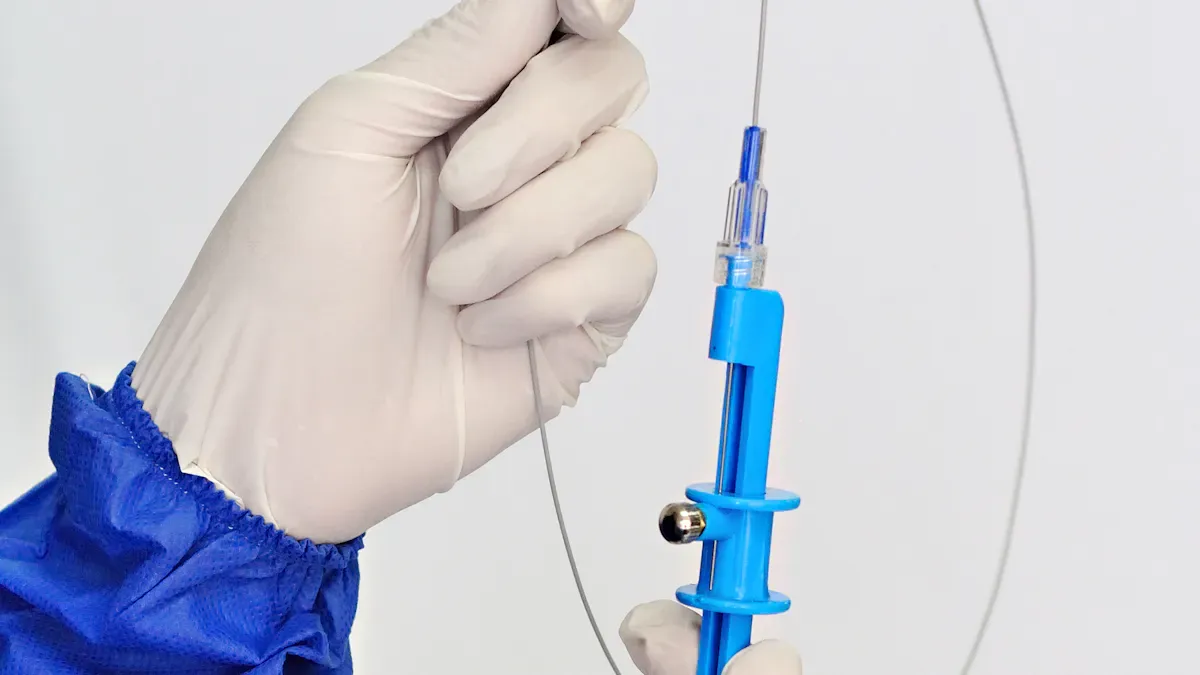
You use PET heat shrink tubing in advanced catheter manufacturing. It protects and makes sensitive medical parts stronger. PET heat shrink tubing medical creates a barrier. This barrier keeps dirt and germs away. It fits around odd shapes. It gives support to the structure.
PET heat shrink tubing covers catheter parts. It seals and makes them stronger.
It controls how stiff or flexible catheters are. This helps catheters move safely in the body.
PET heat shrink tubing gives exact sizes. It also keeps shrink ratios steady.
Feature | Details |
|---|---|
Lead Time | 3 weeks |
Custom Specifications | Expanded ID: 0.025"-0.500" |
Wall Thickness: 0.00025"-0.0020" | |
Shrink Ratio: Up to 4:1 | |
Natural and Colored | |
Production Capability | Supports low-volume prototyping and high-volume production |
Customization Options | Tailored specifications for unique catheter applications |
Key Takeaways
PET heat shrink tubing makes catheter parts stronger and sealed. This helps them last longer and stay safe.
Pick tubing that is the right size. It should be about 15% bigger than the largest part of the catheter. This makes sure it fits well after shrinking.
Keep the temperature steady when shrinking the tubing. This stops bubbles and covers the catheter evenly.
Check that PET heat shrink tubing follows ISO 10993 rules for biocompatibility. This keeps patients safe.
Look at your catheters often for any problems after putting on tubing. This helps keep them high quality and reliable.
PET Heat Shrink Tubing Medical Properties
Biocompatibility and Safety
It is important to trust what goes into medical devices. PET heat shrink tubing meets tough rules for biocompatibility. It follows ISO 10993 rules. These rules check for things that can hurt cells or cause irritation. They also look for harmful chemicals that can leak out. This means PET heat shrink tubing medical is safe for use in blood vessels. Makers use formulas without phthalates and use safe pigments. These choices help stop allergies and other issues. You can count on PET for safe use because it protects people and keeps devices safe.
Tip: Always make sure PET heat shrink tubing meets ISO 10993 when picking it for medical use.
Strength and Durability
PET heat shrink tubing is strong and works well. You need tubing that does not break under pressure. PET has high tensile strength. It does not stretch or snap easily. The table below shows how PET compares to elastomer tubing:
Property | PET Tubing | Elastomer Tubing |
|---|---|---|
Mechanical Strength | High tensile strength | Moderate tensile strength |
Elasticity | Low | High |
Temperature Resistance | -196°C to 135°C (short-term: 200°C) | -75°C to 150°C |
Chemical Resistance | Excellent | Good |
Clarity | High | Opaque |
PET heat shrink tubing can handle chemicals and big temperature changes. You can use it in many places in medicine. It keeps its shape and stays clear, so you get the same results every time.
Thin Wall and Flexibility
PET heat shrink tubing has thin walls and bends easily. The wall can be as thin as 0.0003 inches. This means you can cover small catheter parts without making them thick. You get smooth fits and good coverage. PET fits around tricky shapes and keeps the device light. You can bend PET tubing to fit tight spots. It helps you make catheters that move well inside the body.
Minimum wall thickness: 0.0003 inches
Smooth coverage for delicate medical parts
Flexible design for tricky catheter shapes
PET heat shrink tubing helps you make medical devices that are strong, safe, and flexible.
Applications in Catheter Manufacturing
Covering Braided Shafts and Coils
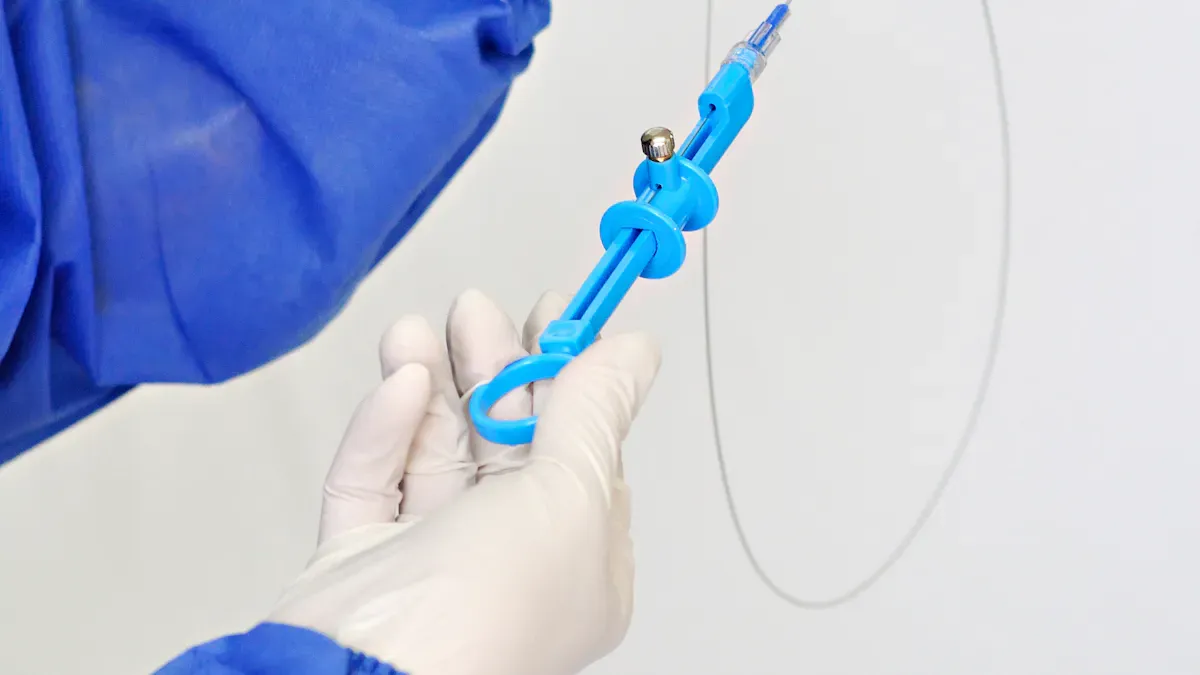
You use PET heat shrink tubing to cover braided shafts and coils. This step makes the device stronger and more flexible. The tubing wraps tightly around the shaft. It keeps marker bands in place so they do not move. Nothing shifts when you use the catheter. You get smooth changes between parts. This helps stop sharp edges that could hurt tissue. The table below shows what works best for this job:
Specification | Details |
|---|---|
Diameter range | 0.006” – 1.5” (0.15 – 38.1 mm) |
Wall thickness range | 0.0001” – 0.004” (0.0025 – 0.10 mm) |
Shrink ratios | 1.1:1 up to 3:1 |
Tight fit is best | 15% gap or less |
Material melt temp | 473°F (245°C) |
Hot box range | 300°F to 450°F (149°C to 232°C) |
Tensile Strength | >20,000 PSI |
Biocompatibility | Meets USP Class VI and ISO 10993 |
You can trust PET heat shrink tubing for safe medical use. It stands up to chemicals and sterilization. Your device stays safe and works well.
Sealing and Leak Prevention
You must stop fluids from leaking in medical tools. PET heat shrink tubing makes a tight seal around joints and connectors. This seal keeps blood and other fluids inside. It also blocks bacteria, lowering infection risk. You can use the tubing to make weak spots stronger. It helps stop leaks after many uses or cleaning. This makes your catheter building process more reliable.
Tip: Always check for even shrinking to keep your device safe and working well.
Forming Catheter Tips
You can use PET heat shrink tubing to make smooth, round catheter tips. This step protects soft tissue when you insert the catheter. For best results, pick the right size tubing and control the heat. Hold both ends of the tubing while heating. This stops wrinkles and uneven shrinking. The table below shows the best ways to make tips:
Guideline | Description |
|---|---|
Choosing the Correct Size | Pre-shrink diameter ≤ 15% larger than component |
Mastering Shrink Temp | 150°C (302°F) for balanced shrinkage |
Controlling Shrinkage | Limit to 15%-20%; hold ends during heating |
Tube Drawing | Apply axial tension for extreme radial shrinkage |
Preventing Wrinkles | Maintain tension and apply heat evenly |
You get a tip that is strong, bends well, and is safe for patients. PET heat shrink tubing keeps your catheters the same every time. You can count on this tubing for all your needs.
Common uses for PET heat shrink tubing in catheters:
Gives strength and flexibility
Increases stiffness without making it thick
Stops bacteria from growing for patient safety
Works well after cleaning
You make your medical device safer and more reliable with PET heat shrink tubing. This material helps you keep your promise to make safe and high-quality catheters.
Step-by-Step Process for Catheters
Selecting PET Heat Shrink Tubing
First, you pick the right PET heat shrink tubing for your device. The tubing must fit what your catheter needs. You check the wall thickness, shrink ratio, and biocompatibility. These things help you make catheters that are safe for patients. They also help the catheter work well in the body. The table below shows what to look for:
Criteria | Specification |
|---|---|
Wall Thickness Precision | 0.00015"-0.008" |
Radial Shrink Ratio | 1:2 to 2:1 for tight encapsulation |
Biocompatibility | ISO 10993-certified grades |
You choose PET heat shrink tubing medical that meets biocompatibility rules. This keeps your medical tools safe for people. You also look for strong PET tubing that fits your device well. Always use medical-grade tubing for safety and trust.
Tip: Pick tubing with a shrink ratio close to your catheter’s size. This gives a tight fit and stops gaps.
Preparing Components
You get your catheter parts ready before using PET heat shrink tubing. Clean every part to get rid of dust and oil. Use careful cleaning steps to keep your device germ-free. Cut the tubing so it is not more than 15% bigger than the widest part of your catheter. This helps the tubing fit well and stops wrinkles.
Criteria | Details |
|---|---|
Material Properties | PET with high dielectric strength (> 4,000 V/mil) and biocompatibility (ISO 10993) |
Shrink Ratios | PET usually has shrink ratios from 1.1:1 to 3:1, good for tight fits |
Sterilization Methods | Works with ethylene oxide, gamma radiation, and autoclaving (do not use autoclaving many times) |
Sizing Considerations | Tubing should be no more than 15% bigger than the largest part for best fit |
Shrinking Temperature | Best shrinking temperature is about 150°C (302°F) |
Control of Shrinkage | Try to keep shrinkage under 15%–20% for best results |
Getting ready the right way makes your work easier. You keep patients safe by making sure your device is clean. You use sterilization that works for medical tubing. Do not use high heat if you want to reuse your device.
Note: Always clean your catheter and tubing before you put them together. This stops germs and follows medical rules.
Applying Controlled Heat
You use careful heat to shrink the PET heat shrink tubing on your catheter. Use a heat gun or oven that you can control. Make sure the heat spreads out evenly. This stops bubbles and uneven shrinking. Keep the heat between 70°C (158°F) and 190°C (374°F). Most of the time, you use 150°C (302°F).
Temperature Type | Value |
|---|---|
Shrinking Temperature | 70°C (158°F)–190°C (374°F) |
Recommended Temperature | 150°C (302°F) for most applications |
Move the heat slowly along the tubing. Start at one end and go to the other. This helps the tubing shrink the same everywhere and keeps your device strong. Do not use too much heat or you could hurt your device.
Tip: Hold both ends of the tubing while you heat it. This keeps the tubing flat and stops wrinkles.
After shrinking, you sterilize your device. Use ethylene oxide or gamma radiation for medical tools. Do not use autoclaving many times or the tubing could get weak.
Inspection and Quality Control
You check your catheter after you put on the PET heat shrink tubing. Look for problems like bubbles, wrinkles, or uneven shrinking. Use a heat gun with settings you can change to control the temperature. Watch the temperature with a thermometer or infrared sensor. Follow the maker’s rules for shrinking temperature.
Use a heat gun with settings you can change to control the temperature.
Watch the temperature with a thermometer or infrared sensor.
Follow the maker’s rules for the right shrinking temperature.
Use a heat source you can control for the right heat.
Watch the temperature to stay in the safe range.
Follow the maker’s rules so the tubing stays strong.
Move the heat slowly along the tubing. This spreads the heat evenly and keeps your device safe. Check that the tubing shrinks the same everywhere and covers all parts tightly. Write down what you do and follow medical rules for safety.
Tip: Check every catheter for problems before you do the last sterilization. This keeps patients safe and makes sure your PET tubing is good.
You follow these steps to make catheters that meet medical rules. You use PET heat shrink tubing to make strong, bendy, and safe medical tools. You help keep patients safe and give good medical equipment every time.
Best Practices in Medical Device Manufacturing
Troubleshooting Common Issues
You might have problems when using PET heat shrink tubing. These problems can happen when making catheters. Some common issues are overheating, uneven shrinking, misalignment, and contamination. These problems can make your medical device unsafe. You need to find these problems early. This keeps your work going and helps keep patients safe.
Issue | Description |
|---|---|
Overheating | Can hurt how PET heat shrink tubing works. |
Uneven shrinkage | Makes bubbles or gaps and weakens the tubing. |
Misalignment | Causes bad shrinking or poor coverage. |
Contamination risks | Dust, grease, or water can make the product unsafe. |
If you see bubbles or uneven shrinking, do this: First, use a heat gun on the spot with bubbles. Move the heat slowly so it spreads out. If the tubing is badly damaged, change it. Take off the old tubing and put on a new one. Make sure you line it up right and heat it carefully.
Always clean your parts before you use PET heat shrink tubing. Cleaning stops germs and helps the tubing stay safe for people. Use tools to check if the tubing is straight and the right size. These steps help you avoid mistakes and make sure your device works well.
Tip: Keep your work area clean and watch the temperature every time. This lowers the chance of mistakes in your medical tools.
Ensuring Consistent Results
You want every device to be high quality. You can do this by following rules and writing down what you do. Here are some good steps:
Watch the temperature closely when you shrink the tubing. This stops overheating and keeps the tubing strong.
Use rulers or calipers to check the size of the tubing. Good alignment makes sure the tubing fits well on catheters.
Check each device after shrinking. Look for bubbles, wrinkles, or gaps. Careful checking helps you find problems before cleaning.
Write down every step you take. Good notes show you follow the rules and make safe devices.
You must follow rules like ISO 13485, FDA rules, and RoHS. These rules help make sure your devices are safe and do not have bad materials. They also help with cleaning and make your products last longer.
Standard | Description |
|---|---|
ISO 13485 | Focuses on quality systems for medical devices. |
FDA Regulations | Makes sure medical devices are safe and work well. |
RoHS Compliance | Makes sure there are no harmful materials for patient safety. |
Getting certifications like ISO 13485 shows you care about quality and rules. It also means your PET heat shrink tubing supplier follows world standards for safety and cleaning. By doing these things, you help keep patients safe and make good medical tools every time.
You help make medical devices safe for people. When you use PET heat shrink tubing, you need to pick good materials. You also need to control the process and check your work. Good PET tubing has strong walls and keeps electricity from leaking. It also bends without breaking. You must follow rules like ISO 13485 and ISO 10993. Always look to see if the tubing shrinks the same everywhere and fits tightly. These steps help keep your medical devices safe and working well.
Feature | Description |
|---|---|
Wall Thickness | Very thin for medical tools |
Strength | PET tubing is very strong |
Insulation | Keeps medical devices safe |
Safety is the most important thing in medical devices.
Good PET tubing and careful checks make products better.
Following medical rules helps keep patients safe.
Tip: Use these ideas to make your medical devices better with PET heat shrink tubing.
FAQ
What is PET heat shrink tubing used for in catheters?
You use PET heat shrink tubing to cover, seal, and reinforce catheter parts. It helps you make catheters stronger, smoother, and safer for patients.
How do you choose the right size of PET heat shrink tubing?
You measure your catheter’s largest part. Pick tubing with a diameter up to 15% larger. This gives you a tight fit after shrinking.
Can you sterilize PET heat shrink tubing?
Yes, you can sterilize PET heat shrink tubing. Use ethylene oxide or gamma radiation. Avoid repeated autoclaving because it can weaken the tubing.
What should you do if you see bubbles after shrinking?
Tip: If you see bubbles, reheat the area slowly with a heat gun. Move the heat evenly. If bubbles stay, replace the tubing for safety.
Is PET heat shrink tubing safe for medical use?
Property | PET Tubing |
|---|---|
Biocompatible | Yes (ISO 10993) |
Chemical Safety | High |
Patient Safety | Excellent |
You can trust PET heat shrink tubing for medical devices. It meets strict safety standards.
See Also
The Role of FEP Heat Shrink Tubing in Catheter Design
Essential Insights on PET Heat Shrink Tubing for Electronics
Selecting the Ideal Ultra-Thin PET Heat Shrink Tubing
A Comprehensive Guide to FEP Autoclavable Heat Shrink Tubing
The Importance of Ultra-Thin PET Heat Shrink Tubing in Medicine

© Copyright 2024 My First Blog - All Rights Reserved.