Comparing PET Heat Shrink Tubing and Polyolefin for Robotic Applications

When selecting insulation for your robotic tools, consider pet heat shrink tubing insulation for robotic instruments. This type of insulation features thin walls, high tensile strength, and excellent chemical resistance. Using pet heat shrink tubing insulation for robotic instruments helps your tools last longer and perform better. The insulation you choose, especially pet heat shrink tubing insulation for robotic instruments, impacts how your robots handle stress and operate in challenging environments.
Key Takeaways
Pick PET heat shrink tubing for strong robots. It can handle high heat and chemicals very well.
Polyolefin heat shrink tubing is good for fast fixes. It is simple to put on and bends easily.
Think about what your robot needs. PET works best in tough places. Polyolefin is good for normal jobs.
PET tubing has thin walls. This saves space inside robots. It helps cables stay neat and tidy.
Using PET heat shrink tubing can save money over time. It lasts longer and does not break easily.
PET Heat Shrink Tubing Insulation for Robotic Instruments
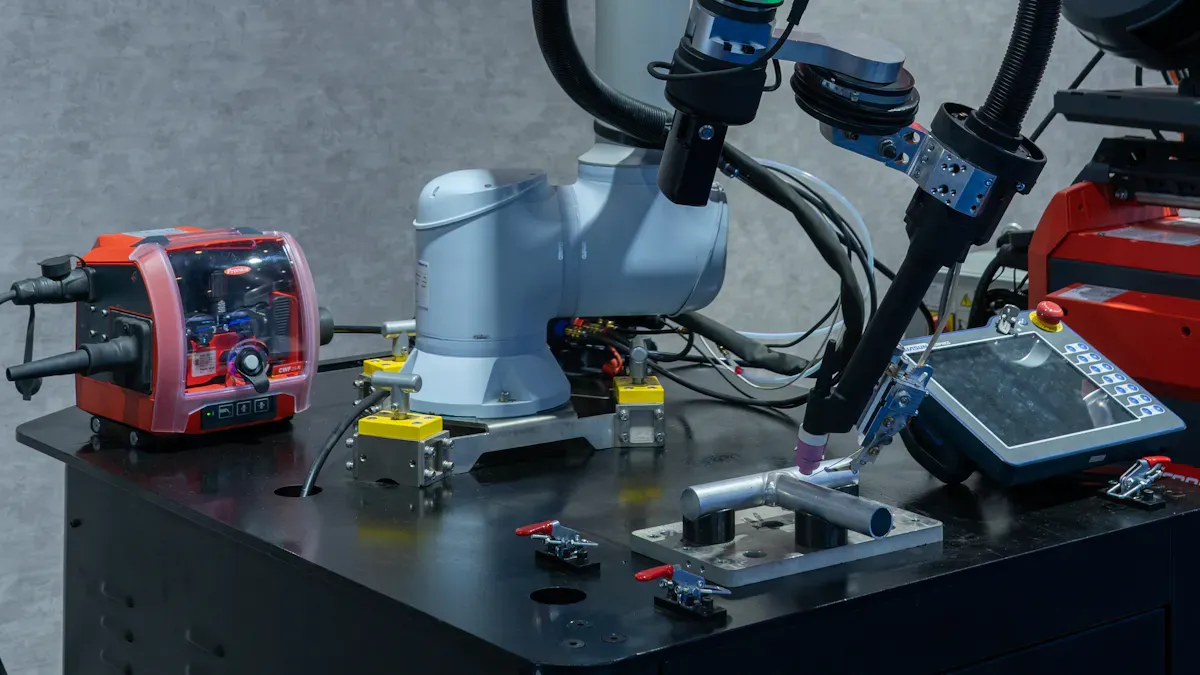
PET Tubing: Structure and Benefits
If you pick pet heat shrink tubing insulation for robotic instruments, you get a special material. It is made for tough places. PET tubing is strong and does not tear easily. It bends well and stays safe in hot or cold spots. It also resists chemicals. The table below shows how these features help robots:
Property | Description |
|---|---|
Mechanical Strength | Keeps the tubing strong when robots move or work hard. |
Tear Resistance | Stops the tubing from ripping when you put it on or use it. |
Flexibility | Lets the tubing fit around tricky shapes and keeps it working right. |
Thermal Stability | Makes sure the tubing protects robots even in very hot or cold places. |
Chemical Resistance | Helps the tubing last longer when it touches strong chemicals. |
Pet heat shrink tubing insulation for robotic instruments keeps working even in very hot or cold places, from -196°C to 135°C. It can be cleaned in an autoclave, so it is good for medical and lab robots. AccuPath’s PET Heat Shrink Tubing gives these benefits with steady quality. Your robots stay safe and last longer.
Why PET Excels in Robotics
Pet heat shrink tubing insulation for robotic instruments helps your robots work better. The tubing stands up to strong cleaners and disinfectants. This stops it from breaking down and makes your devices last longer. In advanced robots like the SCASPER actuator, PET tubing lets robots push and pull with more force. This is important for big jobs. You get better control and faster action, which is better than old materials. Making robots is easier, too, because PET tubing like AccuPath’s uses common parts and simple steps. If you need insulation that can handle movement, stress, and chemicals, pet heat shrink tubing insulation for robotic instruments is the best choice.
Polyolefin Heat Shrink Tubing Overview
Polyolefin Tubing: Features
Polyolefin heat shrink tubing is used a lot in robots. It is flexible and tough. The tubing can handle hot and cold temperatures. It starts to shrink at about 90°C. It works from -55°C to 135°C. You can bend it, twist it, or stretch it. It keeps its shape after you move it. This makes it good for wires and connectors that move.
Here are the main features of polyolefin heat shrink tubing:
Feature | Description |
|---|---|
Heat Resistance | Works from -55°C to 135°C, shrinks at about 90°C. |
Flexibility and Durability | Can bend, stretch, and twist without losing shape. |
Heat Shrink Ratios | Comes in 2:1, 3:1, 4:1, and 6:1 ratios for different shapes and sizes. |
Tip: Polyolefin tubing has many shrink ratios. You can use it to cover small parts and big parts.
Common Uses in Robotics
Polyolefin heat shrink tubing is used in many robot jobs. It protects wires and bundles cables. It covers connectors to keep them safe. When you build or fix robots, you want insulation that fits many shapes. Polyolefin tubing is easy to use and fits well. You can use it to help moving joints or keep sensors safe from dust and water.
Engineers use polyolefin tubing for fast repairs. You can shrink it with a heat gun. It makes a tight seal. This is good for fixing robots quickly. Polyolefin tubing stops short circuits and keeps wires neat.
If you want something easy and useful for many jobs, polyolefin heat shrink tubing is a good choice for robots.
PET vs. Polyolefin: Key Comparisons
When picking insulation for robots, you want to know how PET and polyolefin heat shrink tubing are different. Both protect wires and parts. They each have their own strengths. This section helps you find which one is best for your needs.
Heat Resistance and Shrink Performance
Insulation must handle high heat. PET heat shrink tubing can take more heat. It works up to 150°C in tests. Polyolefin heat shrink tubing works up to 135°C. PET tubing is safer for robots in very hot places.
Material | Maximum Heat Resistance |
|---|---|
PET | 150°C |
Polyolefin | 135°C |
PET heat shrink tubing shrinks smoothly. It keeps its shape and stays strong after shrinking. Polyolefin heat shrink tubing shrinks at a lower temperature, about 90°C. You can use a simple heat gun to install it. Both give a tight fit, but PET tubing stays strong after shrinking.
Feature | PET Tubing | Polyolefin Tubing |
|---|---|---|
Mechanical Strength | Superior, ideal for durability | Lacks tensile strength |
Flexibility | Less flexible | More flexible |
Temperature Resistance | Excellent, withstands extreme temps | Moderate, struggles with extremes |
Chemical Resistance | Better, especially against cleaners | Less resistant |
Clarity | High clarity for inspection | Lower clarity |
Note: PET heat shrink tubing is better for robots that need high heat resistance. Polyolefin heat shrink tubing is easier for quick jobs.
Flexibility and Space Efficiency
Insulation should bend and fit tight spaces. Polyolefin heat shrink tubing bends easily. You can twist and stretch it around wires and connectors. It works well for moving joints and tight corners.
PET heat shrink tubing is also flexible for cable management. It wraps around cables and keeps them neat. PET tubing walls are thinner than polyolefin. This saves space inside your robot. You can fit more wires in small spots. PET tubing is clear, so you can see the wires inside.
Property | PET Heat Shrink Tubing | Polyolefin Heat Shrink Tubing |
|---|---|---|
Flexibility | Offers excellent flexibility for cable management | Very flexible, easy to install |
Wall Thickness | Thinner walls, saves space | Thicker walls, takes more space |
Clarity | High clarity | Lower clarity |
Tip: Use PET heat shrink tubing to save space and see inside your robot. Pick polyolefin heat shrink tubing for parts that move a lot.
Durability and Chemical Resistance
Robots work in tough places with strong chemicals. PET heat shrink tubing is very durable. It has high tensile strength and does not tear easily. You can use it where there are strong cleaners or oils. Polyolefin heat shrink tubing is tough, but PET resists chemicals better.
PET tubing lasts longer in labs and factories. It keeps working when exposed to oils and hydrocarbons. Polyolefin works for most jobs, but it may break down faster with strong chemicals.
Feature | PET Tubing | Polyolefin Tubing |
|---|---|---|
Durability | High tensile strength, tear-resistant | Good, but less strong |
Chemical Resistance | Excellent, resists oils and cleaners | Good, but less resistant |
If you want your robots to last longer in tough places, PET heat shrink tubing is a smart choice.
Installation and Cost
You want insulation that is easy to use and fits your budget. Polyolefin heat shrink tubing is simple to install. It shrinks at a lower temperature, so you can use a basic heat gun. This saves time during repairs or upgrades. Polyolefin is also less expensive than PET tubing. You can use it for many jobs without spending much.
PET heat shrink tubing costs more, but you get better performance. The thin walls and high heat resistance protect your robots better. If you use AccuPath’s PET Heat Shrink Tubing, you get steady quality and long-lasting results. You spend more at first, but you save money because your robots need fewer repairs.
Feature | PET Tubing | Polyolefin Tubing |
|---|---|---|
Installation | Needs higher heat, more care | Easy, shrinks at low temperature |
Cost | Higher, but lasts longer | Lower, good for quick jobs |
For fast fixes and low cost, polyolefin heat shrink tubing is a good pick. For top performance and long life, PET heat shrink tubing is worth the investment.
PET vs. Polyolefin: Side-by-Side Comparison
Here is a quick look at how PET and polyolefin heat shrink tubing compare:
Feature | PET Heat Shrink Tubing | Polyolefin Heat Shrink Tubing |
|---|---|---|
Performance | High, best for demanding jobs | Good, best for general use |
Durability | Superior, resists tears and chemicals | Good, but less strong |
Flexibility | Excellent for cable management | Very flexible, easy to install |
Heat Resistance | High heat resistance (up to 150°C) | Good, up to 135°C |
Cost | Higher, long-term savings | Lower, best for quick jobs |
PET heat shrink tubing has thinner walls, higher tensile strength, and better chemical resistance. Polyolefin heat shrink tubing is easier to install and costs less. If you want the best protection for your robots, choose PET tubing like AccuPath’s. If you need a quick and easy solution, polyolefin is a solid choice.
Choosing Heat Shrink Tubing for Robotics
Movement and Abrasion Needs
Robots need to keep working, even when they move a lot. Heat shrink tubing protects wires and joints from damage. PET is small and strong. It stops cuts and scrapes. This keeps robotic arms and actuators safe when they move fast or often. Polyolefin bends easily. It helps in places where cables twist or bend a lot. If your robot moves all the time or rubs against things, PET gives better protection for a long time. Polyolefin is good for spots that do not need much strength or for quick repairs.
Environmental and Space Constraints
Robots work in small spaces or tough places. You need heat shrink tubing that fits well and stands up to chemicals, heat, or cold. PET has thin walls and high dielectric strength. You can fit more wires in small spaces and still keep them safe. Polyolefin fits different cable sizes because it shrinks a lot and bends easily. It works at lower temperatures, which is good for sensitive places.
Here is a quick comparison:
Material | Key Properties | Application Relevance |
|---|---|---|
Polyolefin | High shrink ratios, low recovery temperature, flexibility | Suitable for varying diameters and low-temperature environments in robotics |
PET | High dielectric strength, tensile strength, lower shrink ratios compared to polyolefin | Addresses space constraints but less adaptable to varying diameters than polyolefin |
Tip: Pick PET if you want to save space and need strong insulation. Choose polyolefin for robots with cables of many sizes or when you need to install tubing at lower heat.
Maintenance Considerations
You want to fix your robots less often. Heat shrink tubing that lasts longer means fewer repairs. PET resists chemicals and damage, so you do not need to replace it much. This is smart for robots in factories or labs. Polyolefin is easy to put on and costs less. You can use it for quick repairs or temporary fixes. If you want the best performance and less downtime, PET, like AccuPath’s PET Heat Shrink Tubing, helps you worry less. For projects where you need fast solutions, polyolefin is a good choice.
Remember: Choose heat shrink tubing based on your robot’s needs. PET gives strength and saves space. Polyolefin gives flexibility and is easy to install.
Summary and Recommendation
Which Tubing is Best for Robotics?
You want your robots to last and perform well. Choosing the right heat shrink tubing makes a big difference. Most experts agree that you should look at three main criteria when you pick tubing for robotics. These are flexibility, pressure requirements, and the nature of motion. The table below shows what matters most:
Criteria | Explanation |
|---|---|
Flexibility | Needed for robots that move a lot. It helps the tubing resist breaking from bending. |
Pressure Requirements | Important for high-pressure jobs. Thicker walls may be needed for safety. |
Nature of Motion | The way your robot moves changes what tubing works best. Sliding or bending needs special care. |
If your robot moves all the time, you need heat shrink tubing that bends without cracking. Polyolefin works well for flexible joints and moving cables. If your robot faces strong chemicals or high heat, PET heat shrink tubing gives better protection. You get thin walls and high strength. This means you can fit more wires in small spaces. AccuPath’s PET Heat Shrink Tubing offers steady quality for tough jobs.
Final Thoughts
You have many choices for heat shrink tubing in robotics. Polyolefin is easy to install and costs less. It fits many shapes and works for quick repairs. PET heat shrink tubing lasts longer and stands up to harsh chemicals and heat. You should use polyolefin for simple jobs or when you need fast fixes. Choose PET heat shrink tubing for robots that need top performance and long life.
Think about how your robot moves and where it works. Pick the tubing that matches your needs. If you want the best results, try AccuPath’s PET Heat Shrink Tubing for your next project.
You now know how PET and polyolefin heat shrink tubing are different. PET has thin walls and is very strong. It also protects against chemicals really well. Polyolefin is easy to put on and bends for many uses. AccuPath’s PET Heat Shrink Tubing works best for most robots. Think about what your robot needs before picking PET or polyolefin for your project.
FAQ
What makes PET heat shrink tubing better for robotics?
PET tubing has higher tensile strength. It also has thinner walls. PET tubing resists chemicals better. These features help robots last longer. Robots work better in tough places with PET tubing.
Can I use polyolefin tubing for high-temperature robotic applications?
Polyolefin tubing works up to 135°C. For hotter jobs, pick PET heat shrink tubing. PET tubing can handle up to 150°C. It keeps robot parts safe in high heat.
Is PET heat shrink tubing easy to install?
PET tubing needs more heat to shrink. You must be careful when installing it. Polyolefin tubing is easier and faster to put on. Always follow the instructions for best results.
Why should I choose AccuPath’s PET Heat Shrink Tubing?
AccuPath’s PET Heat Shrink Tubing is reliable and strong. It protects robots from chemicals, heat, and abrasion. This tubing helps robots last longer and work better.
See Also
Essential Insights on PET Heat Shrink Tubing for Electronics
Selecting the Ideal Ultra-Thin PET Heat Shrink Tubing
Key Facts About FEP Non-Toxic Heat Shrink Tubing

© Copyright 2024 My First Blog - All Rights Reserved.