How to Use PET Heat Shrink Tubing for Insulating Robotic Instruments


You want robotic instruments to be safe and last longer. Good insulation keeps important parts safe from heat and chemicals. Many people use polyolefin or PVC, but pet heat shrink tubing insulation for robotic instruments is very strong and can handle tough chemicals. Some companies pick pet because you can recycle it and it stays in shape after shrinking.
Material | Characteristics | Common Usage in Robotics |
|---|---|---|
Polyolefin | Great electrical insulation, flexible, low cost | Most common |
PVC | Good insulation, low cost | Common |
PET | Recyclable, strong, resists chemicals | Becoming popular, not used much for high-voltage |
You can use pet heat shrink tubing insulation for robotic instruments to cover robotic instruments for a tight and strong fit. Pet heat shrink tubing has a thin wall and can shrink a lot. You can count on pet for careful and steady work in robots. Always be careful and follow safety steps when using pet heat shrink tubing insulation for robotic instruments.
Key Takeaways
Choose PET heat shrink tubing for strong protection against heat and chemicals. It keeps robotic instruments safe and extends their lifespan.
Always clean wires and connectors before applying PET heat shrink tubing. This ensures a strong bond and prevents damage from dirt or oil.
Use a heat gun to apply heat evenly to the tubing. This helps it shrink tightly around the parts for the best insulation.
Regularly inspect PET heat shrink tubing for signs of wear or damage. Replace it if you notice any cracks or if it no longer fits tightly.
Select the right size of PET heat shrink tubing for your wires. A snug fit is crucial for effective insulation and protection.
PET Heat Shrink Tubing Insulation for Robotic Instruments
Key Properties and Benefits
When you use pet heat shrink tubing insulation for robotic instruments, your devices get strong protection. The tubing is strong and has thin walls. This means you can cover small parts without making them heavy. The tubing shrinks tightly around wires and connectors. This gives a safe and snug fit every time. Pet heat shrink tubing helps keep your robotic instruments safe from harm.
Here is a table that shows the main benefits of pet heat shrink tubing insulation for robotic instruments:
Benefit | Description |
|---|---|
Electrical Insulation | Stops electrical leaks and keeps your robot working safely. |
Environmental Resistance | Handles water, chemicals, and heat, so your robot lasts longer. |
Biocompatibility | Safe for medical robots that touch people. |
Compact Design | Fits tightly, so parts do not move or break easily. |
Mechanical Strength | Stays strong in tough places, so your robot keeps working. |
Many people choose pet heat shrink tubing insulation for robotic instruments because it works well and lasts in tough places. You can use pet heat shrink tubing where other materials might not work. The tubing keeps its shape after shrinking, so it does not come off.
Types and Sizes for Robotics
You can find pet heat shrink tubing in many types and sizes. For robotic instruments, you want tubing that fits tight but does not squeeze the parts. Most pet heat shrink tubing has thin walls, usually between 0.00025 inches and 0.00050 inches thick. Some types have thicker walls, up to 0.0010 inches, if you need more protection.
Standard wall thickness: 0.00025"–0.00050" (with a small tolerance)
Thicker options: 0.0006"–0.0010" (with a 20% tolerance)
You should pick pet heat shrink tubing that matches your wires or connectors. The tubing shrinks a lot, so it can cover many shapes and sizes. When you use pet heat shrink tubing insulation for robotic instruments, you make sure every part fits right and stays safe. This helps your robot work well and last longer.
Choosing the Right Heat Shrink Tubing
Selection Criteria
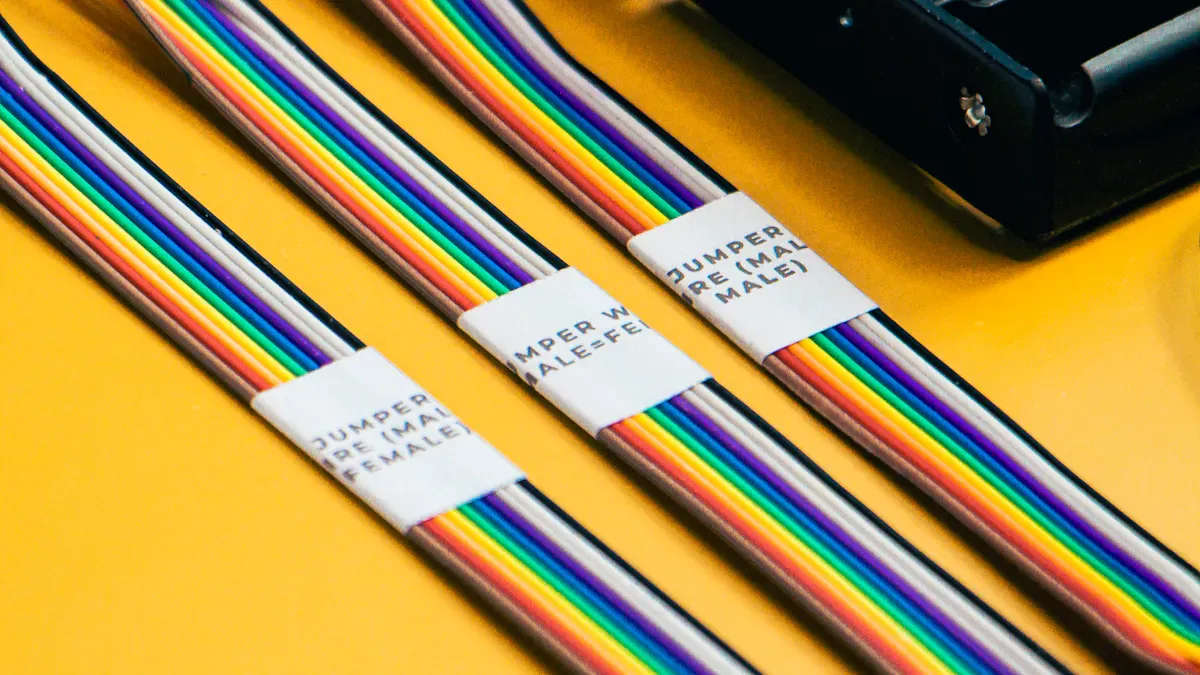
When you choose pet heat shrink tubing for your robotic instruments, you need to look at several important factors. The right choice helps you get the best insulation and keeps your robot safe. Pet heat shrink tubing stands out because it offers strong protection and fits many needs in robotics.
Here is a table to help you see what to check when picking pet heat shrink tubing:
Criteria | Description |
|---|---|
Material | Different materials give you different levels of protection from abrasion, heat, and chemicals. |
Flexibility | Flexible tubing makes it easier to install on small or complex parts. |
Heat and Chemical Resistance | You need tubing that can handle high temperatures and harsh chemicals, especially for cleaning. |
Color Coding | Using different colors helps you organize wires and avoid mistakes during repairs. |
You want pet heat shrink tubing because pet gives you high heat and chemical resistance. This is important if your robot faces tough environments or needs regular cleaning. Pet heat shrink tubing also stays flexible, so you can use it on many shapes and sizes. Color coding with pet heat shrink tubing helps you keep your work neat and easy to follow.
Temperature is another key point. Pet heat shrink tubing works well at higher temperatures than many other types. Always check the temperature rating before you buy. The shrink ratio tells you how much the tubing will shrink when you heat it. Most pet heat shrink tubing has a 2:1 or 3:1 shrink ratio. This means it will shrink to half or a third of its original size.
Fit and Sizing Tips
Getting the right fit is very important for good insulation. Pet heat shrink tubing should fit snugly over your wires or connectors. If the tubing is too loose, it will not protect well. If it is too tight, it may not slide on easily.
Tip: Try to keep the gap between the pet heat shrink tubing and the part you cover at 15% or less. This gives you a tight seal and the best insulation.
Measure the diameter of your wire or connector before you pick your pet heat shrink tubing. Choose tubing with an inner diameter just a bit larger than your part. Remember, pet heat shrink tubing will shrink down to fit, but you need to make sure it covers the whole area.
You can use pet heat shrink tubing for many parts of your robot. Use it on wires, joints, and even sensors. Pet heat shrink tubing gives you a strong, neat, and lasting cover. When you follow these tips, your insulation will last longer and keep your robotic instruments safe.
Applying PET Heat Shrink Tubing
Preparation Steps
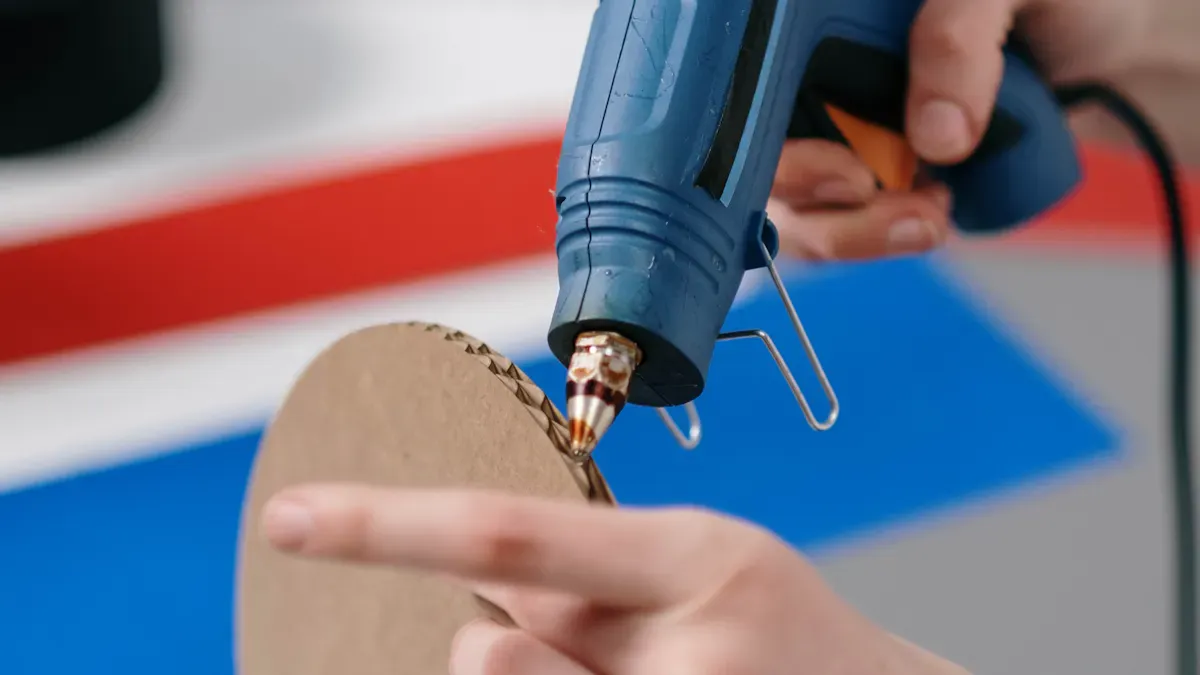
You want your pet heat shrink tubing to stick well and last a long time. Start by getting your workspace ready. Make sure you have all your tools, like scissors, a ruler, and a heat gun. Pick the right size of pet heat shrink tubing for your robotic part. Measure the wire or connector first. Cut the tubing a little longer than the area you want to cover.
Before you slide on the pet heat shrink tubing, clean the wires and connections. This step is very important. Dirt, oil, and dust can stop the tubing from sticking. If you skip cleaning, you might trap things that can cause rust or damage. Here are some good ways to clean your parts:
Wipe wires and connectors with a lint-free cloth.
Use isopropyl alcohol to remove oils and dust.
Check for any green or black spots that show oxidation. Clean these off before you start.
Let everything dry before you move to the next step.
Now, slide the pet heat shrink tubing over the part you want to cover. Make sure it sits in the right spot. If you use adhesive-lined tubing, cleaning is even more important. The glue needs a clean surface to stick well.
Heat Application Techniques
You need to use the right heat to shrink pet heat shrink tubing. A heat gun works best. Do not use an open flame because it can burn the tubing or your robot. Set your heat gun to the right temperature. Pet heat shrink tubing starts to shrink at about 60°C. For a full, tight fit, you need at least 110°C.
Temperature Setting | Value |
|---|---|
Minimum Shrink Temperature | +60°C |
Minimum Full Recovery Temperature | +110°C |
Hold the heat gun a few inches away from the tubing. Move the gun slowly around the part. Rotate the assembly if you can. This helps you heat all sides evenly. Applying heat for uniform shrinkage gives you the best results. Watch the tubing as it shrinks. It will get tight and smooth. Do not overheat, or you might damage the tubing or the part under it.
Tip: Always wear safety glasses and gloves when you use a heat gun. Hot air and tubing can burn your skin.
Let the pet heat shrink tubing cool before you touch it. Check that it fits tight and covers the whole area. If you see any gaps or bubbles, you may need to try again.
Common Mistakes to Avoid
Many people make mistakes when they use pet heat shrink tubing. You can avoid problems if you know what to watch for. Here are some common mistakes and how to fix them:
Using heat shrink tubing in places that bend a lot. Pet heat shrink tubing is strong but not very flexible. Use it on parts that do not move much.
Picking tubing that is too small for your cable bundle. Always measure first and choose the right size.
Forgetting about things like sunlight or chemicals. Pet heat shrink tubing resists many chemicals, but you should still check if your robot will face harsh conditions.
Not securing the ends of the tubing. Make sure the ends are tight and do not slip off.
Not checking if the tubing fits with other parts. Some parts may get too hot or press against the tubing.
Note: If you follow these steps, your insulation will last longer and protect your robot better.
You can use pet heat shrink tubing on many parts of your robot. Always check your work and make sure the tubing fits well. Good insulation keeps your robot safe and working for a long time.
Inspection and Maintenance
Quality Checks
You want your pet heat shrink tubing to last and protect your robotic instruments. After you finish applying pet heat shrink tubing, you should check your work. Good quality checks help you find problems early. You can use a simple table to keep track of what to look for:
Quality Control Metrics | Details |
|---|---|
Diameters | 0.006"–0.020" (±0.001", typical); 0.021"–0.5" (±5%, typical) |
Wall Thickness | 0.0001"–0.0005" (±0.0001", typical); 0.0006"–0.004" (±20%, typical) |
Temperature Range | -196°C to 135°C (long-term); Up to 200°C (short-term); Melting: 235°C |
Electrical Properties | Dielectric strength: >4,000 V/mil; Volume resistivity: 10^18 Ohm-cm |
Sterilization Methods | Ethylene oxide, Gamma radiation, Autoclaving |
Biocompatibility | Meets ISO 10993 standards |
Check the diameter and wall thickness of your pet heat shrink tubing. Make sure the tubing fits tightly and covers all parts. Look for any cracks or gaps in the insulation. Test the tubing by gently pulling on it. If it moves or slips, you may need to reapply the pet heat shrink tubing. You should also check if the tubing can handle the right temperature and if it keeps its shape after heating.
Maintenance Advice
You should inspect your pet heat shrink tubing often. Over time, pet heat shrink tubing can wear out, especially if your robot works in tough places. Look for signs of damage, like cuts or burns. If you see any problems, replace the pet heat shrink tubing right away. Clean the tubing with a soft cloth to remove dust and dirt. If your robot needs to be sterilized, pet heat shrink tubing can handle ethylene oxide, gamma radiation, or autoclaving.
Tip: Keep a record of when you last checked or replaced your pet heat shrink tubing. This helps you plan future maintenance.
If you notice the insulation is not tight or has changed color, you should re-insulate the part. Always use new pet heat shrink tubing for the best results. Good maintenance keeps your robotic instruments safe and working well.
You can use pet heat shrink tubing to keep robots safe. Pick the right pet heat shrink tubing for your wires and connectors. Clean every part before you put on the pet heat shrink tubing. Use a heat gun to make the pet heat shrink tubing shrink evenly. Make sure the pet heat shrink tubing fits tight. Look at your pet heat shrink tubing often to check for problems. Change the pet heat shrink tubing if you see any damage. Pet heat shrink tubing gives strong insulation and helps you save money. Pet heat shrink tubing does not get ruined by chemicals or heat. Pet heat shrink tubing is good for medical robots. You can clean pet heat shrink tubing easily. Pet heat shrink tubing keeps out electrical currents. Pet heat shrink tubing lasts for a long time.
Key Takeaway | Description |
|---|---|
Durability | Pet heat shrink tubing is strong and lasts long. It protects medical tools very well. |
Chemical Resistance | Pet heat shrink tubing can handle strong chemicals and hot temperatures. This keeps things safe and working. |
Sterilization | Pet heat shrink tubing is safe to clean many times. This makes it great for medical robots. |
Cost-Effectiveness | Pet heat shrink tubing helps you spend less on repairs and new parts. It saves money over time. |
Electrical Insulation | Pet heat shrink tubing blocks electricity. This protects important medical devices from getting hurt by electrical currents. |
Tip: Use pet heat shrink tubing for the best insulation on robots. Always follow safety rules and check your work.
FAQ
What makes pet heat shrink tubing different from other types?
You get strong chemical resistance and a tight fit with pet heat shrink tubing. This tubing also stays clear and thin. You can use it for many robotic parts that need protection.
Can you reuse pet heat shrink tubing after removal?
You cannot reuse pet heat shrink tubing. Once you shrink it, the tubing keeps its shape. If you remove it, you need to use a new piece for the best insulation.
How do you store pet heat shrink tubing?
You should keep pet heat shrink tubing in a cool, dry place. Avoid sunlight and moisture. Store it flat or on a spool to prevent bends or damage.
Is pet heat shrink tubing safe for medical robots?
Yes, you can use pet heat shrink tubing for medical robots. It meets safety standards and handles sterilization. You get reliable insulation for tools that touch people.
See Also
Key Insights on PET Heat Shrink Tubing for Electronics
Exploring Heat Shrink Tubing for Electrical Wire Insulation
Selecting Optimal Ultra-Thin PET Heat Shrink Tubing for Projects
Important Guidelines for Effective FEP Heat Shrink Tubing Use

© Copyright 2024 My First Blog - All Rights Reserved.