PET Heat Shrink Tubing Innovations Transforming Robotic Surgery

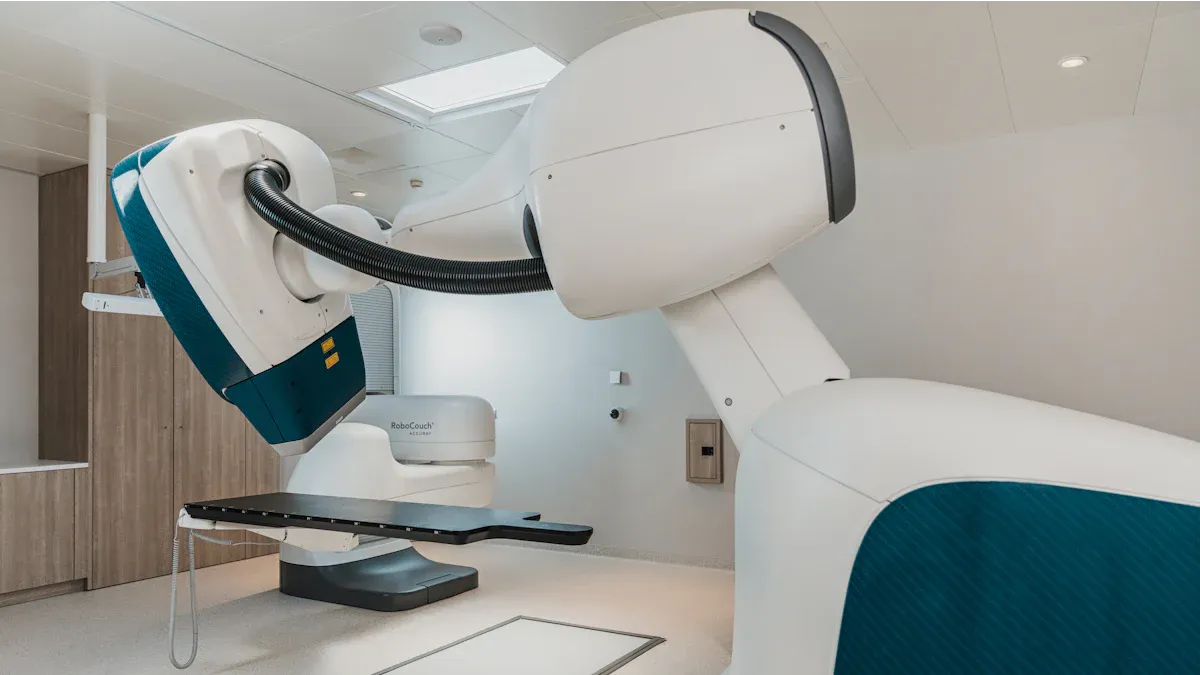
Fast advancements are occurring in heat shrink tubing for robotic surgery. Innovations in polymer science are leading to the development of new products, such as thinner walls and tubing that maintains rigidity. Customization allows for the integration of PET heat shrink tubing insulation for robotic instruments, particularly those equipped with imaging or drug-releasing capabilities.
The medical PET heat shrink tubing insulation for robotic instruments market is projected to reach USD 278 million by 2024.
By 2031, this market is expected to grow to USD 347 million.
The anticipated growth rate is 3.2% CAGR.
Key Takeaways
PET heat shrink tubing is very important in robotic surgery. It has thin walls and is made from strong materials. This helps make smaller and more exact tools.
The market for PET heat shrink tubing is growing fast. Experts think it will reach USD 278 million by 2024. This shows that many people want better surgical tools.
There are ways to customize PET tubing, like using PFAS-free choices and mixing different materials. These changes help PET tubing work better and be safer for doctors to use.
PET Heat Shrink Tubing Insulation for Robotic Instruments

Enhanced Material Properties
Robotic surgery needs advanced materials for safety and accuracy. PET heat shrink tubing insulation for robotic instruments is special because it has unique features. The tubing is much thinner than other materials, sometimes 10 to 100 times thinner. This thin tubing helps make small robotic tools that fit into tight spaces in the body. The tubing is also much stronger than other heat shrink tubing, more than 10 times stronger. This means your devices stay strong and reliable during tough surgeries.
Some important features make PET heat shrink tubing a great choice for robotic surgery insulation:
Tube walls can be as thin as 0.00015 to 0.004 inches. This is important for delicate jobs.
PET has the lowest shrink temperature at 185°F/85°C. This protects sensitive parts when making devices.
The tubing gives strong electrical insulation. It keeps signals clear and stops short circuits.
PET tubing resists chemicals well. It stands up to cleaning products and body fluids.
New trends include PFAS-free options, better resin quality, and layering different materials. These changes make PET heat shrink tubing insulation for robotic instruments stronger and less likely to kink.
Innovation Type | Description |
|---|---|
PFAS-free alternatives | Safer lamination process, better for the environment |
Improved resin quality | Higher strength-to-thickness ratios |
Multi-material layering | Better mechanical strength and kink resistance |
Ultra-thin wall thickness | Wall thickness as low as 0.0001 inches, shrink ratio up to 4:1 |
Precision and Miniaturization
Robotic surgical tools must be small, precise, and flexible. PET heat shrink tubing insulation for robotic instruments helps you reach these goals. Because the tubing is thin, you can build smaller devices that are still strong. This matters for things like catheters, guidewires, and endoscopic tools.
The tubing’s high hoop strength means it keeps its shape even when bent or twisted. You avoid kinks that could block movement or break parts. PET heat shrink tubing also gives good electrical insulation. This is needed for devices with sensors or imaging systems.
Let’s compare PET heat shrink tubing to other materials used in medical devices:
Feature | PET Heat Shrink Tubing | Alternative Materials |
|---|---|---|
Durability | Superior | Varies |
Chemical Resistance | Excellent | Often lower |
Biocompatibility | High | Varies |
Wall Thickness | Thin | Thicker |
Sterilization Resistance | High | Varies |
PET heat shrink tubing gives you thin walls, strength, and flexibility. These features help with new trends in robotic surgery, where every millimeter is important.
Biocompatibility and Sterilization
Every part of a robotic surgical tool must be safe for patients. PET heat shrink tubing insulation for robotic instruments meets strict medical rules. It is biocompatible, so it works well with the human body and does not cause harm. The tubing meets ISO 10993 and USP Class VI standards. This proves it is safe for medical use.
Evidence Type | Description |
|---|---|
Biocompatibility and Durability | PET tubing’s properties ensure safety and reliability in devices like catheters and surgical instruments. |
Compliance with Medical Standards | PET tubing meets ISO 10993 and USP Class VI standards, confirming its biocompatibility and safety. |
Sterilization is very important. PET heat shrink tubing resists chemicals and tough cleaning, including ETO sterilization. It keeps over 88% of its strength after 50 cleaning cycles. It stays stable for up to 18 months. The tubing’s tough design stops scratches, holes, and other damage. Your devices last longer and work better.
PET heat shrink tubing resists chemicals, so it is good for ETO sterilization.
It keeps its strength and insulation after many cleanings.
The tubing protects delicate parts by shrinking at low temperatures.
AccuPath’s PET Heat Shrink Tubing is a top solution for insulation in robotic instruments. You can trust its advanced material features, customization, and proven safety for many medical device uses.
Robotic Device Demands
Miniaturization Challenges
Robotic surgery tools are getting smaller and better. These tools need heat shrink tubing that helps make them tiny. PET heat shrink tubing is small and fits into tight spots. It gives good insulation and keeps tools safe without making them bigger. This matters a lot for surgeries that use small cuts.
More doctors want smaller tools as technology gets better.
PET heat shrink tubing lets you make lighter and thinner tools.
Even when small, it still gives electrical insulation and chemical resistance.
Performance and Reliability
Robotic devices must work well and last long. Thin wall PET heat shrink tubing gives strong electrical insulation and support. New materials help keep tools small but tough. You can trust these materials to be safe for people and to resist chemicals, heat, and cleaning.
Metric | Description |
|---|---|
Mechanical Strength | Makes sure tools stay strong during use. |
Thermal Stability | Keeps tools safe in hot or cold, even during cleaning. |
Chemical Resistance | Stops damage from strong cleaners, so tools last longer. |
Biocompatibility | Meets safety rules for use with the human body. |
Property | Contribution to Reliability |
|---|---|
Temperature Resistance | Handles hot and cold without breaking, even during cleaning. |
Enhanced Electrical Insulation | Stops short circuits and keeps robotic tools safe. |
Chemical Resistance | Protects from harsh cleaners, keeping insulation strong. |
Improved Durability | Makes tools last longer, so you fix or replace them less. |
AccuPath’s PET heat shrink tubing works well in tough jobs and keeps working over time.
Regulatory Considerations
You have to follow strict rules when using heat shrink tubing in medical tools. PET heat shrink tubing meets important safety and quality standards.
Regulatory Standard | Description |
|---|---|
ISO 13485 | Makes sure medical tools are made safely and work well. |
FDA Regulations | Checks that medical tools are safe and follow the rules. |
RoHS Compliance | Makes sure materials do not have harmful chemicals. |
You can trust PET heat shrink tubing to meet all the rules and keep your tools safe.
Overcoming Limitations

Improved Insulation and Protection
You need good heat shrink tubing to protect electronics in robotic surgery tools. PET heat shrink tubing gives strong heat resistance and dielectric strength. This insulation keeps devices safe without making them bigger. The tubing is very thin, so instruments stay small and precise. It is clear, so you can see inside the device. This helps you check for problems during surgery. The tubing also protects against chemicals. Your tools stay safe from harsh cleaners. These features make PET heat shrink tubing a great choice for robotic surgery.
Sensor and Imaging Integration
Robotic surgery tools use sensors and imaging systems for better results. PET heat shrink tubing helps with these by giving:
Great electrical insulation that stops leaks and keeps patients safe.
Strong surface protection that prevents scratches and damage.
Sensor and wire covering for insulation, strain relief, and protection.
Tough durability that handles sterilization and chemicals.
Biocompatibility for safe contact with human tissue.
PET heat shrink tubing keeps sensors and wires safe. This helps you get clear images and accurate data during surgery. Many device makers pick AccuPath’s PET Heat Shrink Tubing for these jobs.
Flexible Instrument Design
You want tools that move easily inside the body. PET heat shrink tubing lets you make instruments that bend and twist. The tubing’s chemical resistance and protection help devices last longer. You can use this tubing in many tools, like catheters and endoscopic devices. PET heat shrink tubing works well, so you can make advanced devices for robotic surgery.
Heat Shrink Tubing Trends
Customization for Drug-Eluting Devices
Robotic surgery now uses more drug-eluting devices. These devices need heat shrink tubing for protection and drug delivery. You can pick tubing with special coatings or tiny holes. This helps control how medicine gets to the right spot. The insulation keeps the drug safe inside the device. This means drugs stay stable and protected. Patients and sensitive drugs both get reliable safety. Catheters and stents use this technology to help people heal faster.
Integration with Imaging Technologies
Many robotic tools use imaging systems today. These tools need heat shrink tubing that works with advanced tech. The tubing protects wires and sensors clearly. It also gives electrical insulation to stop signal loss. You can use clear tubing to spot problems during surgery. This keeps imaging devices safe from harm. It also helps you get correct results. Endoscopes, guidewires, and other tools need both insulation and clear views.
Market Growth and Future Outlook
The market for heat shrink tubing grows every year. Experts think it will grow by 3.2% each year until 2033. More people want protection and insulation as robotic surgery grows. New trends include eco-friendly choices and better recycling. Now, you can recycle PET heat shrink tubing. Some companies make eco-friendly options instead of old materials. These changes match the need for green medical parts.
Feature | Description |
|---|---|
Recyclability | PET heat shrink tubing is recyclable, so it is better for the planet. |
Eco-friendly Options | Some companies make eco-friendly choices instead of old materials. |
Demand Alignment | These new ideas match the need for green medical parts. |
You can pick AccuPath’s PET heat shrink tubing for strong protection, good insulation, and support for new trends in medical tools.
You can see how heat shrink tubing helps robotic surgery. The market is growing fast because people want better tubing. You get thinner walls and tubing that does not kink. New designs make tools safer and smaller. Heat shrink tubing keeps improving surgery results. AccuPath’s PET heat shrink tubing is leading these changes.
FAQ
What makes heat shrink tubing important in robotic surgery?
Heat shrink tubing covers and protects robotic tools. It keeps wires safe from damage. It stops short circuits from happening. It helps devices work well during surgery.
How does heat shrink tubing improve durability in medical devices?
Heat shrink tubing lasts longer because it resists chemicals and heat. It protects devices from harm. It keeps them working after many uses.
Can you use heat shrink tubing for smart tubing applications?
You can use heat shrink tubing for smart tubing. It works with sensors and drug delivery. It fits well with AccuPath’s PET Heat Shrink Tubing.
See Also
Exploring Key Uses of Ultrathin PET Heat Shrink Tubing
FEP Heat Shrink Tubing: Revolutionizing Medical Device Manufacturing
Essential Insights on PET Heat Shrink Tubing for Electronics
The Importance of Ultra-Thin PET Heat Shrink Tubing in Healthcare
Advantages of FEP Heat Shrink Tubing for Healthcare Applications

© Copyright 2024 My First Blog - All Rights Reserved.