PET heat shrink tubing for robotic surgical needles trends everyone should know

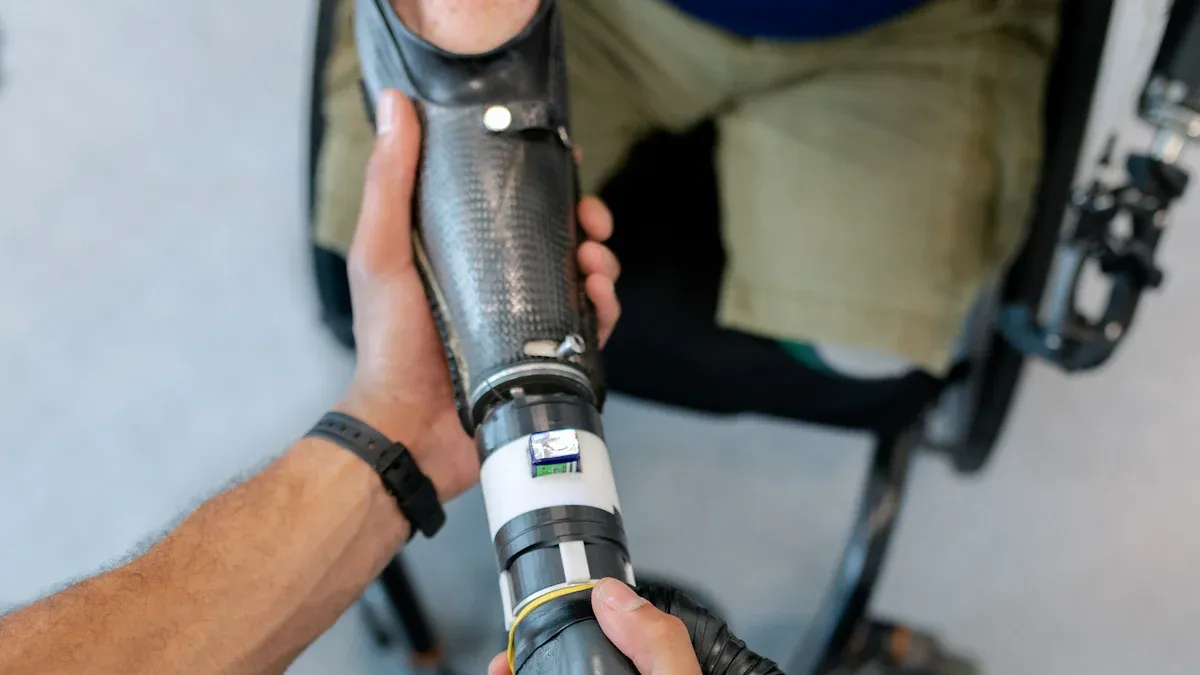
When you pick PET heat shrink tubing for robotic surgical needles, you must look at the size, shrink ratio, and biocompatibility. PET heat shrink tubing needs to fit tightly and protect the needle. Shrink ratio helps make sure the tubing fits well. The right size stops the tubing from slipping. Biocompatibility means the tubing is safe for medical use. New material science lets PET heat shrink tubing have thinner walls and work better. These changes help make devices smaller and safer. Always pick heat shrink tubing that meets strict medical safety rules and can be sterilized.
Key Takeaways
Pick PET heat shrink tubing that fits the needle well. Measure the needle’s width carefully. Choose tubing that is 10-15% bigger for a tight fit.
Look at the shrink ratio of the tubing. A shrink ratio under 15% makes sure it fits well and does not hurt the needle.
Always pick tubing with FDA approval and ISO 10993 certification. This means the tubing is safe for medical use and works well with the body.
Test if the tubing bends easily and resists chemicals before using it. This makes sure it can handle cleaning and stay strong during surgery.
Keep up with new trends like very thin walls and clearer PET tubing. These new ideas can make devices work better and be safer.
Selection Criteria for PET Heat Shrink Tubing for Robotic Surgical Needles
Measuring Diameter and Sizing
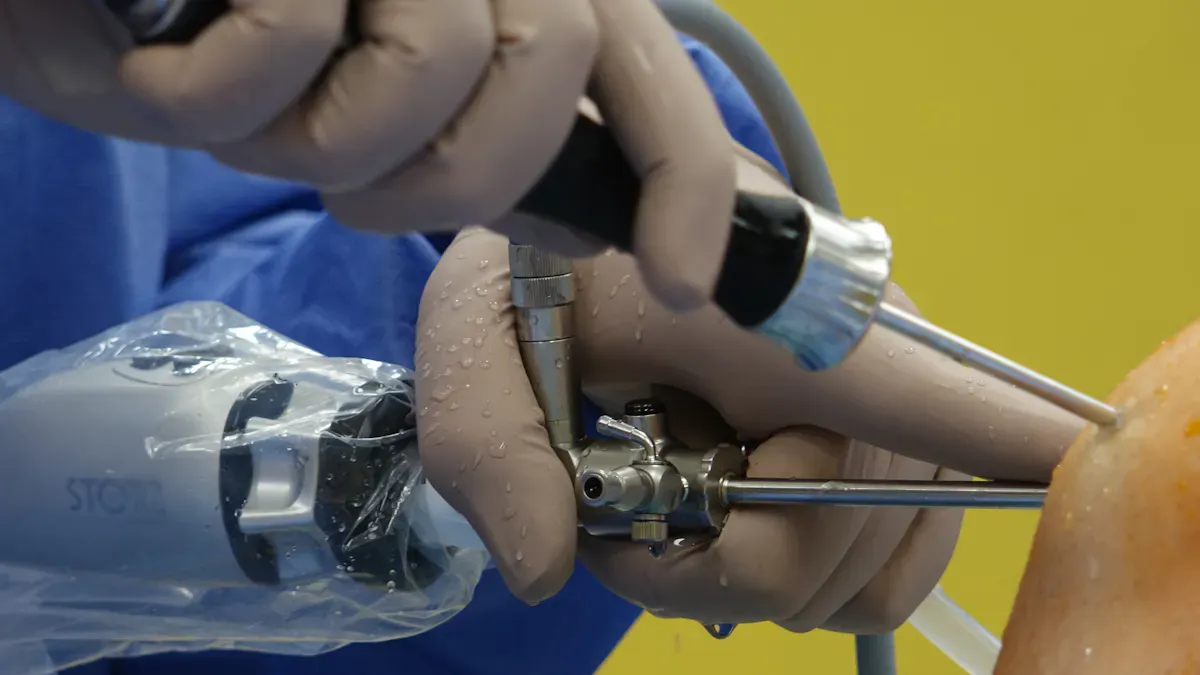
First, you need to measure the needle’s diameter before picking PET heat shrink tubing. Measuring carefully helps you find tubing that fits just right. If the tubing is too small, it can hurt the needle. If it is too big, the tubing might move or fall off. You should pick tubing with an expanded diameter a little bigger than the needle. Experts say the tubing should not be more than 15% bigger than the needle. This helps the tubing stay on and work well.
Specification | Value |
|---|---|
Maximum allowable diameter increase | 15% above part diameter |
Target ratio | 1.1:1 |
Recommended gap | 15% or less |
This table shows important things to think about when picking the size. You can use these numbers to help you choose the right tubing and make sure it works well.
Shrink Ratio and Fit
Shrink ratio is very important when you pick PET heat shrink tubing for robotic surgical needles. Shrink ratio means how much the tubing gets smaller when you heat it. You want a shrink ratio that makes the tubing tight but does not squeeze the needle too much. Most experts say the tubing should not shrink more than 15% over the needle size. This helps the tubing fit well and not slip off. Always look at the tubing’s shrink ratio to make sure it matches your device. A good fit helps the tubing work better and keeps people safe.
Tip: Always try the PET heat shrink tubing on your needle before you finish your project. This helps you catch mistakes and make sure everything fits.
Medical Safety and Biocompatibility
Safety is very important for medical tools. You must pick PET heat shrink tubing that is safe and does not hurt people. Look for tubing with FDA approval and USP Class VI certification. These show the tubing is safe to touch people. You should also check for ISO 10993. This means the tubing is safe for touching body tissue. These safety rules help protect people and follow the law.
Standard | Focus Area | Application in Medical Equipment |
|---|---|---|
ISO 10993 | Biocompatibility | Testing for safe contact with tissue |
USP Class VI | Toxicity/Safety | Certification for non-toxic materials |
ISO 10993: Checks if the tubing is safe for touching tissue.
USP Class VI: Shows the tubing is not toxic and safe for medical use.
You should always pick heat shrink tubing with these safety labels. This helps keep your device safe and high quality.
Chemical Resistance and Strength
PET heat shrink tubing needs to stand up to chemicals and strong forces in hospitals. The tubing should not break when cleaned or sterilized. Chemical resistance keeps the tubing from getting ruined. High tensile strength means the tubing is strong and lasts longer. Tear resistance stops the tubing from ripping when you put it on or use it. Flexibility lets the tubing bend around small parts and shapes. These things help the tubing work well in medical tools.
Very strong for tough medical jobs.
High tensile strength means the tubing will not break easily.
Tear resistance keeps the tubing safe during use.
Flexibility helps the tubing fit around different shapes.
You should always think about chemical resistance and strength when you pick tubing. These things help your device stay safe and work well.
Performance Needs in Medical Robotic Applications
Flexibility and Handling
You need heat shrink tubing that bends and moves easily. Robotic surgery tools must fit into small spaces and move carefully. PET heat shrink tubing is flexible. It wraps around small or curved parts. This makes it easier to put on and use. PET keeps its shape but can still bend when you need it to. This helps your device work well and pass tough quality checks.
PET heat shrink tubing does not kink or tear easily. It stays strong even if you bend it many times. This means your medical tools last longer and work better. You want tubing that feels smooth and is easy to hold. This helps you put your device together quickly and safely.
Tip: Test the flexibility of your heat shrink tubing before you use it in your final device. This helps you avoid problems during surgery.
Sterilization and Activation Temperature
Sterilization is very important for medical safety. You need heat shrink tubing that can handle common cleaning methods. PET heat shrink tubing works with ETO sterilization. This is a popular way to keep tools clean and safe for patients. PET tubing also stands up to chemicals. It does not break down after many cleanings.
PET heat shrink tubing works with ETO sterilization.
The tubing stays strong and keeps its chemical resistance after many cleanings.
You can use it in many medical tools, like catheters and surgical instruments.
Activation temperature is also important. PET heat shrink tubing shrinks at a certain temperature. You need to know this temperature so you do not hurt your device when you put it together. Most PET tubing shrinks at medium heat. This protects parts that are easy to damage. Always check the activation temperature before you use the tubing. This helps you keep your device safe and high quality.
Feature | Benefit for Medical Use |
|---|---|
ETO Sterilization | Keeps tools safe and clean |
Chemical Resistance | Maintains durability and quality |
Moderate Activation Temp | Protects sensitive components |
Dielectric Strength and Electrical Insulation
Electrical insulation is very important in robotic surgical tools. PET heat shrink tubing gives strong insulation. This protects your device from electrical problems. You need insulation to stop electricity from leaking out. This keeps your device safe.
PET tubing protects parts from voltage changes and electrical noise.
PET heat shrink tubing gives great electrical insulation.
It stops electrical leaks and keeps your device safe and reliable.
The tubing protects against voltage spikes and interference.
You get steady insulation, even with high voltage.
This is very important for things like defibrillators and pacemakers, where electrical safety matters most.
When you use PET heat shrink tubing for robotic surgical needles, you meet high safety and quality standards. The tubing’s strength, chemical resistance, and electrical insulation help you make better medical devices. You can trust PET to give you the performance you need for tough jobs.
Trends in PET Heat Shrink Tubing for Medical Devices
Ultra-Thin Wall and Miniaturization
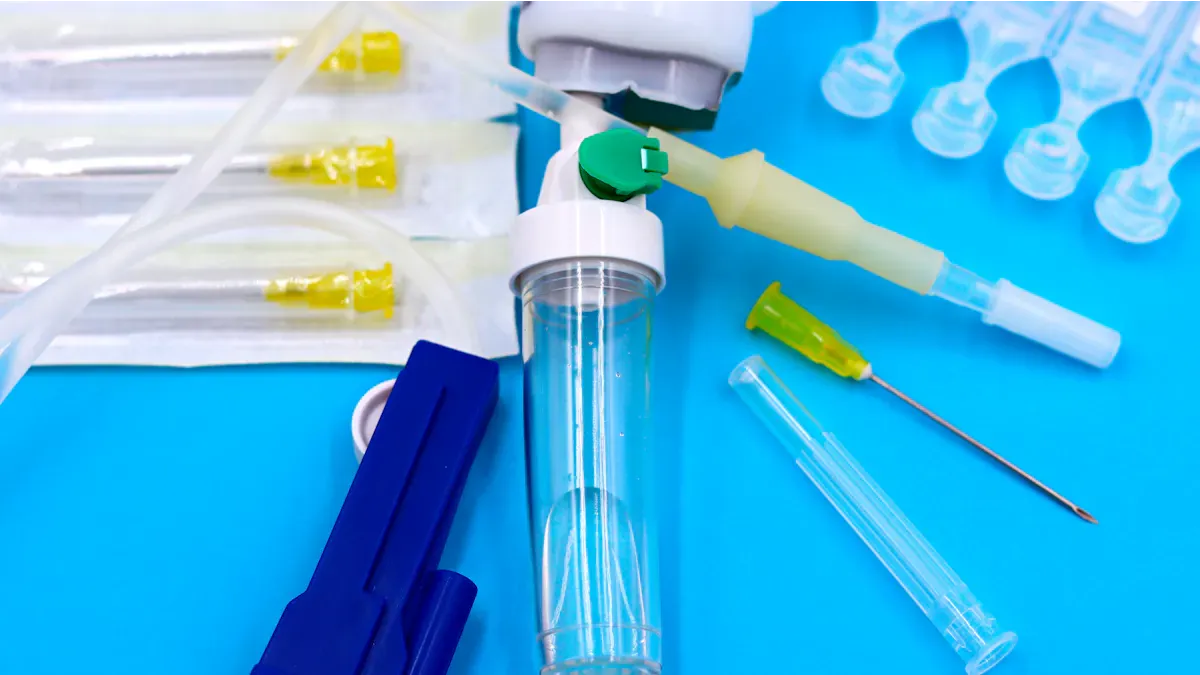
There is a big move to use ultra-thin wall PET heat shrink tubing in medical devices. This helps make tools smaller and more accurate. New science and better ways to make things let you use tubing that is thin but strong. You get tubing that does not break easily. Makers use better resin and special additives now. These changes help you follow strict rules and keep patients safe.
Aspect | Details |
|---|---|
Leading Applications | Medical devices, aerospace, EV battery insulation, electronics |
Global Consumption | 250 million units each year (medical) by 2025 |
Innovation Focus | Biocompatibility, miniaturization, radiation resistance |
Market Growth Rate | 6-8% growth each year is expected |
You get tighter control and better engineering. This means the tubing fits even tiny parts in robotic surgical needles.
Enhanced Clarity and Transparency
You need to see inside your device. New PET heat shrink tubing is very clear and see-through. This lets you check parts for quality and safety. In robotic surgery, clear tubing helps you watch parts and avoid mistakes.
Feature | Benefit |
|---|---|
Exceptional transparency | Allows for clear visibility of medical components during procedures |
Unobstructed light transmission | Ensures precision and safety in robotic surgical environments |
You can spot problems or dirt fast. This helps you keep your device safe and high quality.
Advanced Coatings and Materials
You can use PET heat shrink tubing with special coatings and new material mixes. These coatings stop rust and keep things clean. They also make your device last longer. Some new mixes are clear and keep their shape well. You get better assembly and lower costs.
Optical clarity and good shape stability
Strong mechanical properties and impact resistance
Great chemical resistance to cleaning agents
Good electrical insulation for electronics
Keeps tight sizes with little change over time
Biocompatible options for surfaces that touch people
These features help you meet tough safety and quality rules in medical uses.
Sustainability in Medical Tubing
More companies care about making PET heat shrink tubing eco-friendly. Makers look for green materials and better ways to make tubing. They work to create tubing that breaks down and is safer for the earth. This helps you lower harm to the environment and follow new rules. Patients and doctors want safer and greener products. You can now pick tubing that is safe and good for the planet.
Practical Tips for Sourcing and Validation
Supplier Selection and Quality Assurance
You should pick suppliers who know about medical tools. Find companies that follow rules and make good heat shrink tubing. Suppliers must prove they meet safety standards. You need to see proof that they check their products often. This means they test their tubing and keep records. It is important that your supplier can deliver tubing even during hard times. This helps your project stay on schedule. The tubing also needs to work well. It should have tight tolerances, resist chemicals, and handle sterilization.
Criteria | Description |
|---|---|
Compliance with regulatory standards | Suppliers must follow rules to keep medical tools safe and working well. |
Quality assurance | Good testing makes sure the tubing always works right. |
Supply chain resilience | Suppliers must deliver tubing even when there are problems. |
Performance requirements | Tubing should fit well and handle cleaning and heat. |
Tip: Always ask for certificates and test reports before you buy PET heat shrink tubing. This helps you make sure the tubing is safe and high quality.
Prototyping and Testing
You should test heat shrink tubing before using it in your device. Start by making a prototype. Try different sizes and types of PET tubing. See how the tubing fits and shrinks. Make sure it does not slip or break. Test if the tubing can handle chemicals and bend without breaking. Use real-life tests to see how the tubing works. If you find a problem, change the tubing or ask your supplier for help.
Test how much the tubing shrinks and fits
Check if it resists chemicals
Try cleaning methods
Make sure it is easy to use
Note: Testing helps you find mistakes early and keeps your device safe for medical use.
Documentation and Compliance
You need to keep records for every batch of heat shrink tubing. Write down the supplier, batch number, and test results. Save papers that show the tubing meets medical rules. This helps you prove the tubing is safe and good quality. If you need to recall a device, you can find the right batch fast. Make sure your records follow industry rules. You must show you follow the rules for medical tools. Good records protect your company and patients.
Tip: Keep your paperwork neat and easy to find. This makes checks easier and shows you care about quality.
You have to pick PET heat shrink tubing that fits your needle well. The tubing should shrink tightly and be safe for medical use. Always check if the tubing is biocompatible and strong. Watch for new trends like ultra-thin walls and clear tubing. Knowing about these trends helps you make better devices. When you work with suppliers, you get fast answers and technical help. Good teamwork also gives you the right paperwork. This makes your device safer and more reliable.
Aspect | Description |
|---|---|
Compliance with Standards | Tubing that meets ISO 10993 for biocompatibility and USP Class VI for material safety. |
Material Performance | High-performance materials maintain clarity, flexibility, and structural integrity over time. |
Safety and Reliability | Ensures medical devices remain safe and effective throughout their lifespan. |
Fast answers from suppliers help you fix problems quickly.
Technical help during design makes your tubing work better.
Good records let you keep track of every batch of PET heat shrink tubing.
FAQ
What is the best way to measure for PET heat shrink tubing?
Use a digital caliper to check your needle’s outer diameter. Choose tubing that is about 10–15% bigger than your needle. This makes the tubing fit tightly and not slip.
Can PET heat shrink tubing handle common sterilization methods?
PET heat shrink tubing works with ETO sterilization. It also stands up to many cleaning chemicals. Always ask your supplier if the tubing matches your cleaning process.
How do you know if PET heat shrink tubing is safe for medical use?
Look for these certifications:
Certification | What It Means |
|---|---|
Biocompatibility | |
USP Class VI | Non-toxic material |
Always ask your supplier to show proof of these certifications.
What should you do if the tubing does not fit tightly?
Tip: Try a new shrink ratio or size. Test the tubing on a sample needle before you finish your device. This helps you stop problems before production.
Where can you find reliable PET heat shrink tubing suppliers?
Search for suppliers with medical certifications and good quality checks. Ask for test reports and customer reviews. Good suppliers give you documents and answer your questions fast.
See Also
New Developments in FEP Heat Shrink Tubing for Healthcare
Essential Information on PET Heat Shrink Tubing for Electronics
Advantages of Using FEP Heat Shrink Tubing in Healthcare
Key Uses of Ultrathin-Wall PET Heat Shrink Tubing in Medicine

© Copyright 2024 My First Blog - All Rights Reserved.