What Makes PET Heat Shrink Tubing Ideal for Robotic Surgical Needles

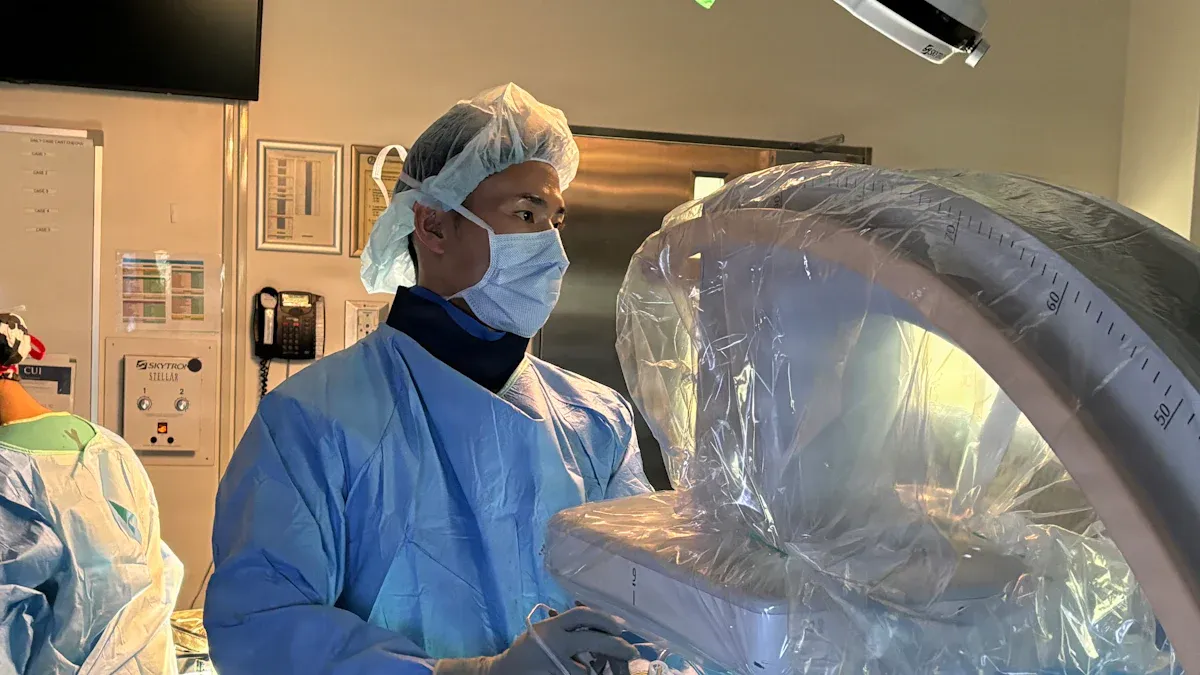
Pet heat shrink tubing is the best pick for robotic surgical needles. Medical device makers like pet because it is strong. It gives great electrical insulation and protects the surface well. Pet heat shrink tubing follows tough medical rules and lasts a long time. It does not get damaged by chemicals or heat. It works well even after being cleaned many times. Pet helps save money because it does not need to be replaced often. It also makes manufacturing faster and easier. Pet is safe for patients during surgery because it is biocompatible. Makers have problems like matching materials, making sure it lasts, keeping it clean, and following rules. Pet heat shrink tubing for robotic surgical needles solves these problems.
Table: Common challenges in tubing selection for robotic surgical needles
Challenge
Description
Material Compatibility
Making sure the tubing works with other parts to stop bad reactions.
Durability
Tubing must last through tough robotic surgery without breaking.
Contamination Concerns
Things like silicone oil from laser welding can make the product dirty.
Regulatory Compliance
Following strict rules for medical devices is needed to sell them.
Key Takeaways
PET heat shrink tubing is tough and gives great electrical insulation. This makes it perfect for robotic surgical needles. The tubing is safe for the body and follows strict medical rules. This keeps patients safe during surgery. PET tubing can be cleaned many times and does not change shape. This helps hospitals save money. It bends easily and is thin, so tools stay accurate and work well. Using PET heat shrink tubing can lower repair costs and make medical devices work better.
Technical Properties of PET Heat Shrink Tubing
Shrink Temperature and Ratio
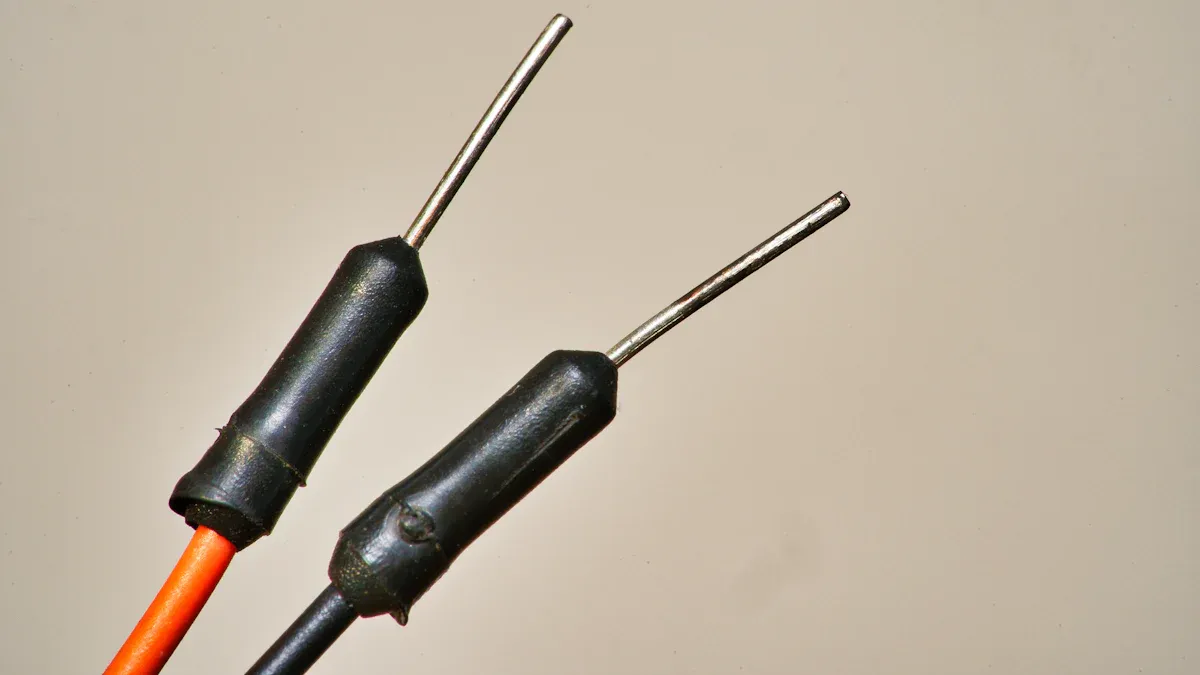
PET heat shrink tubing is special because it shrinks at a certain temperature. It starts shrinking at 158°F and can handle up to 374°F. Most people use 302°F for the best results. This means the tubing can fit tightly over needles and tools. The 2:1 shrink ratio lets the tubing get half as small as it was. This makes a tight and smooth cover. It helps stop the tubing from slipping off during surgery.
Table: Shrink Temperature Range for PET Heat Shrink Tubing
Shrinking Temperature
70°C (158°F)–190°C (374°F)
Recommended Temperature
150°C (302°F)
The 2:1 shrink ratio makes PET heat shrink tubing useful for many jobs. It works well when you need a tight fit. This is very important for robotic surgical needles because they need to be exact.
Wall Thickness and Flexibility
PET tubing comes in many wall thicknesses. It can be as thin as 0.00025 inches or as thick as 0.0020 inches. This lets designers pick the right thickness for each job. Thin walls keep the tubing light and small, which is good for needles. Thick walls make the tubing stronger and safer. PET heat shrink tubing is flexible. It wraps around curved or bent surfaces easily. This stops the tubing from cracking or breaking.
A thin and bendy layer of PET tubing does not make tools heavy. This helps robotic arms move just right. The tubing keeps the needle safe but still lets it move well.
Dielectric Strength and Insulation
Good electrical insulation is needed in medical tools. PET heat shrink tubing has strong dielectric strength, over 4,000 V/mil. This keeps the electronics inside safe. It also stops short circuits and other problems during surgery.
Table: Electrical Properties of PET Heat Shrink Tubing
Property
Measurement
Dielectric Strength
> 4,000 V/mil
Long-term Temperature Range
-196°C to 135°C
Short-term Temperature Range
Up to 200°C
The strong insulation keeps patients and doctors safe. It also helps the tubing last longer, even after cleaning many times. The tubing can handle hot and cold, so it works in many places.
Clarity and Color Options
PET heat shrink tubing is clear, so you can see the needle under it. This is important in surgery. Doctors and nurses can check the needle easily. Clear tubing helps find dirt or damage fast.
PET tubing also comes in many colors. Colors help teams tell tools apart quickly. This lowers mistakes during surgery. Having both clear and colored tubing makes PET heat shrink tubing a smart pick for medical jobs.
Tip: Clear PET tubing helps find problems early. Colored tubing helps keep things organized in busy places.
PET heat shrink tubing has the right shrink temperature, strong insulation, flexible walls, and is easy to see through. These things make it the best choice for robotic surgical needles and other medical tools.
Advantages of PET Tubing for Surgical Needles
Protection and Insulation
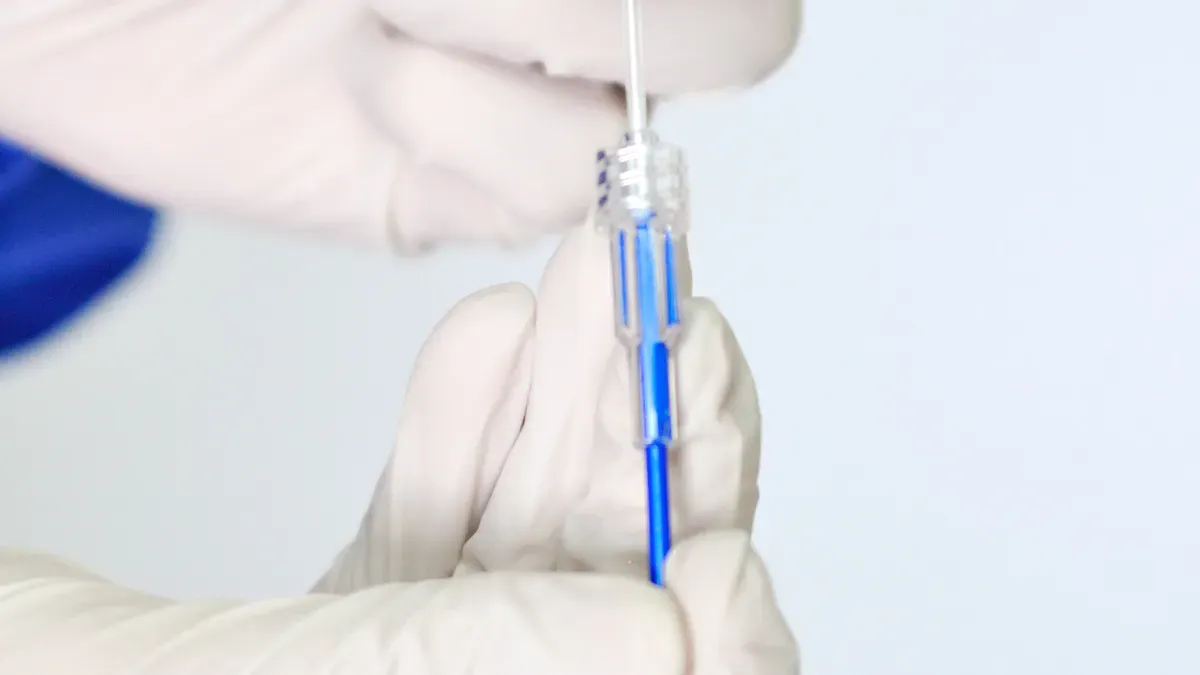
PET heat shrink tubing gives strong protection to surgical needles. Designers use PET tubing to cover sharp parts and surfaces. This layer stops scratches and keeps the needle clean. PET tubing also blocks water and dust. Hospitals trust PET heat shrink tubing because it keeps tools safe during surgery.
PET tubing gives great insulation for surgical tools. The tubing stops electricity from getting out. This keeps doctors and patients safe. PET heat shrink tubing has high dielectric strength. It protects electronic parts inside robotic surgical tools. Many medical jobs need this insulation to stop accidents.
Tip: PET tubing helps stop short circuits in surgery. It keeps the needle safe and working well.
PET heat shrink tubing stays strong after many uses. The tubing does not crack or peel. Medical teams count on PET tubing for safety and trust. The tubing protects both the tool and the patient.
Sterilization Compatibility
Hospitals clean surgical tools often. PET heat shrink tubing works with many cleaning methods. Teams use steam, gas, and chemicals to clean tools. PET tubing does not melt or change shape when cleaned. This makes PET tubing a smart pick for medical jobs.
PET tubing stands up to heat and chemicals. The tubing keeps its shape after cleaning. Medical teams use PET heat shrink tubing for surgery because it stays strong. Sterilization compatibility is important for safety. PET tubing helps stop germs from spreading.
Note: PET heat shrink tubing works with common cleaning methods. It keeps surgical tools safe and clean.
PET tubing does not soak up water or chemicals. The tubing stays dry and smooth. Medical teams trust PET tubing for tool insulation and protection.
Low Profile and Lightweight
PET heat shrink tubing has a thin wall. The tubing adds very little weight to surgical needles. Designers use PET tubing to keep tools light and easy to use. Robotic surgical tools need to move fast and smooth. PET tubing helps them do this.
PET tubing fits tight around the needle. The tubing does not slip or bunch up. Medical teams use PET heat shrink tubing for small surgeries. The tubing keeps the needle small and easy to control. This helps doctors work with care.
Callout: PET tubing gives surgery tools a low profile. It helps doctors see and use tools better.
PET heat shrink tubing works well in many jobs. The tubing is bendy and strong. Medical teams use PET tubing for tool insulation and protection. The tubing helps keep tools safe, clean, and easy to use.
Table: PET Tubing Benefits for Surgical Applications
Benefit
How PET Tubing Helps
Protection
Stops scratches and keeps tools clean
Insulation
Prevents electricity from escaping
Sterilization
Works with common cleaning methods
Low Profile
Keeps tools light and easy to handle
Reliability
Stays strong after many uses
PET heat shrink tubing gives surgery tools many good things. The tubing protects, insulates, and stays strong after cleaning. Medical teams trust PET tubing for safety and trust. The tubing helps doctors and nurses work with confidence.
PET vs. Other Tubing Materials
PET vs. Silicone
Many engineers pick PET heat shrink tubing instead of silicone. PET is stronger and does not stretch like silicone. Silicone feels soft but can rip during hard jobs. PET tubing stays strong and keeps its shape. Hospitals like PET because it does not soak up fluids. This helps keep tools clean. PET heat shrink tubing works with many ways to clean tools. Silicone can get weak after lots of cleaning.
PET vs. Polyolefin
PET heat shrink tubing is better for many uses. Polyolefin tubing is cheaper but does not last as long. PET tubing stands up to chemicals and heat better than polyolefin. Polyolefin can melt or crack if it gets too hot. PET keeps its shape and protects tools in tough places. Medical teams trust PET heat shrink tubing when safety is very important.
PET vs. PTFE
PET heat shrink tubing and PTFE both work for medical tools. PTFE stands up to chemicals and heat, but it costs more. PET tubing lets you see the tool under it. PTFE looks cloudy and is harder to check. PET heat shrink tubing shrinks at lower heat. This makes it easier to use in many jobs. PTFE feels slippery, so tools are harder to hold.
Strength and Longevity Comparison
PET heat shrink tubing gives the best mix of strength and lasting power. PET tubing does not crack or peel after many uses. It keeps tools safe during cleaning and surgery. PET lasts longer than silicone, polyolefin, and PTFE in most jobs. Hospitals save money because PET tubing needs fewer changes. PET heat shrink tubing keeps tools safe and ready for every surgery.
Tip: PET tubing gives clear, strong, and steady protection for many medical jobs.
Tubing Material | Strength | Sterilization | Clarity | Cost | Durability |
|---|---|---|---|---|---|
PET | High | Excellent | Clear | Medium | High |
Silicone | Medium | Good | Clear | Low | Medium |
Polyolefin | Low | Fair | Opaque | Low | Low |
PTFE | High | Excellent | Cloudy | High | High |
Safety and Biocompatibility of PET Tubing
Medical-Grade Standards
Medical device makers pick PET heat shrink tubing because it is safe. It meets tough rules for safety and biocompatibility. These rules make sure PET tubing works well in many medical jobs. The tubing must pass tests to show it does not hurt people. It also needs to stay strong after cleaning and using it in surgery.
Many groups check if PET tubing is good for medical use. The FDA checks if materials are safe and work well in the U.S. ISO and ISO 10993 set rules for safety all over the world. USP Class VI makes sure PET heat shrink tubing does not have bad chemicals. These rules help hospitals trust PET tubing for many uses.
Regulatory Body/Standard | Description |
|---|---|
FDA | Oversees the safety and effectiveness of medical devices in the U.S. |
ISO | Sets international standards for various industries, including medical devices. |
Evaluates the biocompatibility of materials used in medical devices. | |
USP Class VI | Ensures materials are free from harmful chemicals for medical use. |
Patient Safety
PET heat shrink tubing helps keep patients safe during surgery. The tubing gives strong insulation to stop electrical problems. This is important for robotic tools with wires and sensors. PET tubing also blocks dust, water, and dirt. This keeps medical tools clean and working right.
PET tubing protects small parts from getting damaged. It keeps wires and sensors safe from bending or moving too much. Hospitals use PET heat shrink tubing in many ways because it stays strong after cleaning. The tubing does not break when it touches chemicals or heat. This helps keep patients safe every time.
PET heat shrink tubing meets biocompatibility rules, so it does not cause bad reactions with people.
PET tubing lasts a long time, even in hard medical jobs.
PET heat shrink tubing helps stop germs and keeps tools safe for patients.
PET tubing helps keep both the tool and the patient safe.
Benefit | Description |
|---|---|
Prevents Electrical Failures | Provides insulation to protect wires and cables from electrical faults, crucial for life-saving devices. |
Minimizes Contamination | Forms a protective barrier against dust, moisture, and dirt, ensuring optimal device performance. |
Improved Mechanical Protection | Safeguards delicate components from mechanical stresses, ensuring smooth operation of surgical tools. |
PET heat shrink tubing is special for medical jobs because it is safe, works with the body, and gives strong protection. Hospitals and device makers trust PET tubing to keep patients safe and tools working well.
Cost-Effectiveness in Surgical Applications
Maintenance and Replacement
Hospitals and device makers want to save money. PET heat shrink tubing helps because it lasts a long time. The tubing is strong and keeps its shape when used. This means tools do not need many repairs or new parts. When hospitals use PET tubing, they see fewer cracks or breaks. The tubing can be cleaned many times, even with autoclaving, and it does not lose its shape.
Tip: Using PET tubing means tools break less. This gives doctors more time to help patients.
The table below shows how PET tubing and FEP tubing are different:
Aspect | PET Tubing | FEP Tubing |
|---|---|---|
Cost | Usually costs less | Costs more |
Mechanical Strength | Very strong and lasts long | Not as strong |
Dimensional Stability | Stays the same shape | Good, but can change |
Chemical Resistance | Handles some chemicals | Handles more chemicals |
High-Temperature Tolerance | Not best for very high heat | Works well with high heat |
PET heat shrink tubing keeps its shape during cleaning. It does not slip or get loose in autoclaving. This keeps medical tools safe and ready to use. The tubing also stands up to many cleaning chemicals. This helps it last longer in surgery.
Value for Medical Device Manufacturing
PET heat shrink tubing is helpful for making medical tools. It is easy to use and can be shaped for many jobs. Makers use it for big and small tools, even for tiny surgeries. The tubing works with different ways to clean, like autoclaving and chemical cleaning. This helps device makers follow safety rules.
PET tubing also helps keep costs low. It does not need to be changed often, so companies save money. PET heat shrink tubing works for many medical jobs, like surgical needles and sensors. It is thin and protects tools well, so it is a smart pick for safety.
PET tubing helps makers build tools that work well in surgery.
PET heat shrink tubing helps keep tools safe, lowers repair needs, and saves money. Hospitals and makers trust PET tubing because it lasts a long time in medical jobs.
PET heat shrink tubing is the best choice for robotic surgical needles. It has strong features and lasts a long time. Hospitals and device makers trust PET tubing for safety. It helps keep tools working well and keeps patients safe. PET tubing also helps save money over time. People who design medical devices like PET heat shrink tubing. It gives great performance and protects tools.
Tip: Try PET heat shrink tubing in your next medical device project. It can help you get better results and keep things safe.
FAQ
What is PET heat shrink tubing used for in robotic surgical needles?
Engineers put PET heat shrink tubing on robotic surgical needles. The tubing covers the needle and keeps it safe. It gives insulation so electricity does not escape. The tubing helps keep the needle clean. It also makes the tool last longer during surgery.
Can PET heat shrink tubing handle repeated sterilization?
Yes, PET heat shrink tubing can be cleaned many times. Hospitals use steam, gas, or chemicals to clean tools. The tubing does not melt or lose its shape after cleaning. It stays strong and works well every time.
Is PET heat shrink tubing safe for patients?
PET heat shrink tubing follows strict medical rules. It does not cause bad reactions in people. Hospitals trust PET tubing to protect both the tool and the patient.
How does PET tubing compare to other materials?
PET tubing is stronger and clearer than silicone or polyolefin. It lasts longer and does not break easily. PET tubing costs less than PTFE. Medical teams pick PET tubing because it is safe, works well, and saves money.
Tip: PET tubing lets doctors see the needle clearly. It also keeps tools safe during surgery.
See Also
The Importance of Ultra-Thin PET Tubing in Medical Applications
Essential Insights on PET Heat Shrink Tubing for Electronics
Advantages of Using FEP Heat Shrink Tubing in Healthcare
Creating Multi-Layer Catheters with Medical Grade FEP Tubing
Selecting Optimal Ultra-Thin PET Heat Shrink Tubing for Projects

© Copyright 2024 My First Blog - All Rights Reserved.