How to Select PET Heat Shrink Tubing for Robotic Surgical Needles in 2026

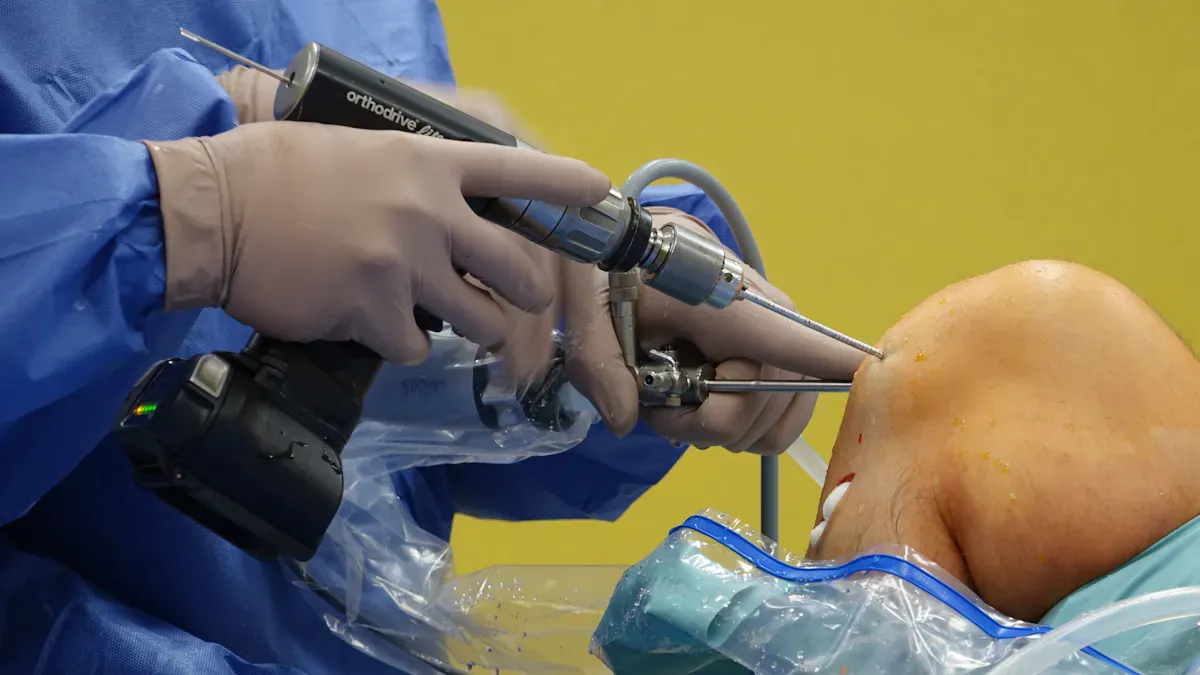
You should look at the most important things when picking PET heat shrink tubing for robotic surgical needles in 2026. This tubing keeps your device safe and helps protect patients. New changes let you use very thin walls, better resin, and PFAS-free choices. In-line metrology helps you keep sizes exact. You need to learn about new materials and rules because robotic surgical needles need to be very precise and safe for the body.
Key Takeaways
Pick PET heat shrink tubing that matches your needle’s size and use. This helps it work well and stops problems when putting it together.
Get tubing with a shrink ratio between 15% and 20%. This helps the tubing fit better and stops wrinkles or gaps. It also makes the tubing work better.
Make sure the tubing is safe for the body and can be cleaned with heat. This is very important for safety in medical use.
Choose clear PET tubing so you can see the needle inside. Seeing through the tubing helps you find problems early.
Keep learning about the rules for medical devices. Following these rules keeps people safe and makes sure the device works well.
Selection Criteria for PET Heat Shrink Tubing for Robotic Surgical Needles
Application Needs and Sizing
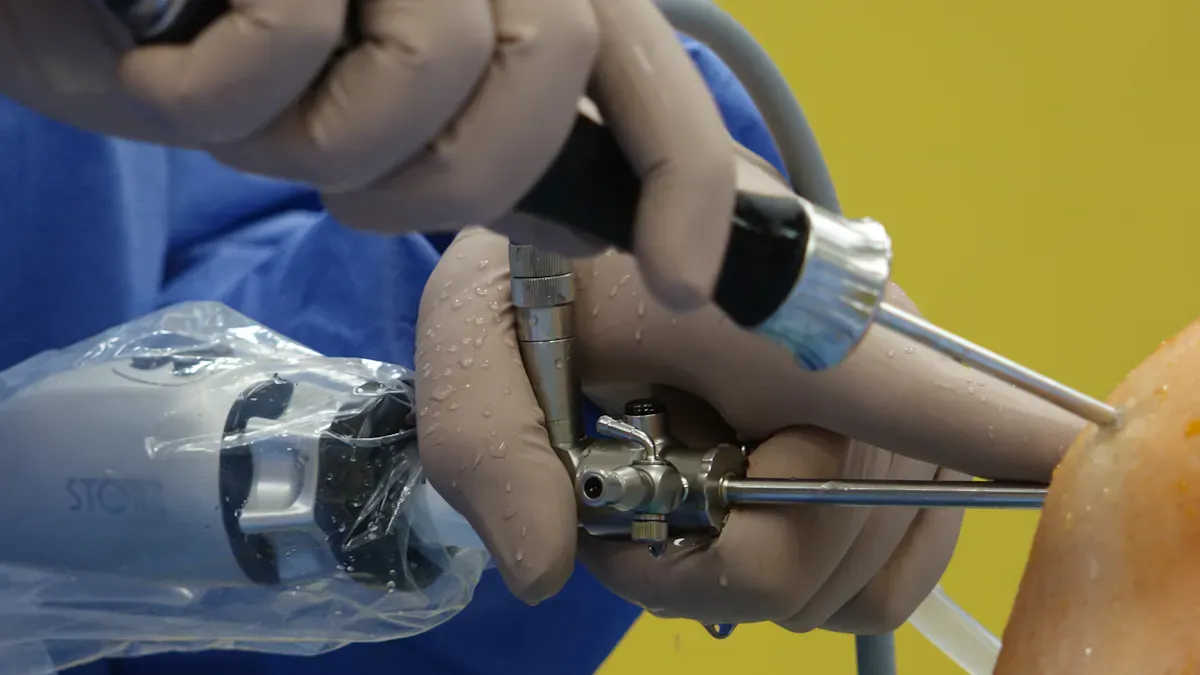
You need to pick PET heat shrink tubing that fits your needle. This helps your device work well. Check the length, outside diameter, and wall thickness. The tubing should cover the needle without leaving gaps. It should not be too thick or bulky. You can use standard sizes or ask for special lengths. The table below shows common sizes and how much they can change.
Dimension Type | Measurement Range | Tolerance |
|---|---|---|
Length | Standard: 62" (157 cm), Custom: Max 96", Min: 0.020" | N/A |
OD Range | 0.003" (0.076 mm) to 1" (25.4 mm) | ± 0.0002" to ± 0.0004" |
Wall Thickness | 0.001" (0.025 mm) to 0.003" (0.08 mm) | N/A |
Pick tubing that fits your needle and works for your job. This helps you avoid trouble when putting it together or using it.
Material Properties and Shrink Ratio
Look at the material properties of PET heat shrink tubing. PET gives you strong tubing with thin walls. Choose a shrink ratio that matches your needle. Most PET heat shrink tubing works best with a shrink ratio up to 70%. Try to keep shrinkage between 15% and 20%. This helps the tubing stay close to the right size. You get better results and fewer wrinkles or gaps.
Temperature Resistance and Activation
Check how PET heat shrink tubing handles heat. PET heat shrink tubing has high dielectric strength. It works well as electrical insulation. You get thin walls and strong tubing for careful jobs. Activate the tubing at the right temperature. PET heat shrink tubing works best at lower shrink ratios. Pick tubing close to your final diameter. This helps you avoid overheating and keeps the tubing strong.
PET heat shrink tubing has high dielectric strength.
You get thin walls and strong tubing.
Pick tubing close to the final diameter for best results.
Make sure the tubing can handle the heat needed for shrinking. This keeps your device safe and working well.
Clarity, Strength, and Thin Wall Performance
Look for clear PET heat shrink tubing for robotic surgical needles. Clear tubing lets you see the needle and check for problems. You need strong tubing that does not break or tear. PET heat shrink tubing gives you high clarity and strength. You get thin walls that do not make the needle bulky. This helps keep the needle sharp and accurate. Pick tubing that stays clear and strong after shrinking. Clear tubing helps you check your device and keep quality high.
Tip: Always check clarity after shrinking. Clear tubing helps you find problems and keeps your device safe.
Biocompatibility and Medical Safety
Make sure PET heat shrink tubing for robotic surgical needles meets biocompatibility rules. PET heat shrink tubing does not cause bad reactions when it touches human tissue. This is important for medical devices like catheters and tools that go inside the body. Use tubing that is biocompatible and can be sterilized. PET heat shrink tubing gives you good heat resistance and dielectric strength. You get tubing that is safe for medical use.
PET heat shrink tubing is known for its great biocompatibility. It does not cause bad reactions when touching human tissue. This is important for medical devices like catheters and other tools that go inside the body.
Regulatory Compliance in 2026
Check that PET heat shrink tubing for robotic surgical needles meets all medical safety rules. You need tubing that is biocompatible and can be sterilized. PET heat shrink tubing works for robotic surgical tools and other medical devices. You get material with good heat resistance and dielectric strength. Follow new rules for medical devices in 2026. This keeps your device safe and ready for healthcare.
PET heat shrink tubing is biocompatible and can be sterilized.
You can use it for robotic surgical tools and other medical devices.
The material gives you heat resistance and dielectric strength.
Stay updated on new rules. This helps you avoid trouble and keeps your device safe for patients.
PET Heat Shrink Tubing in Medical Device Manufacturing
Insulation and Sealing Benefits
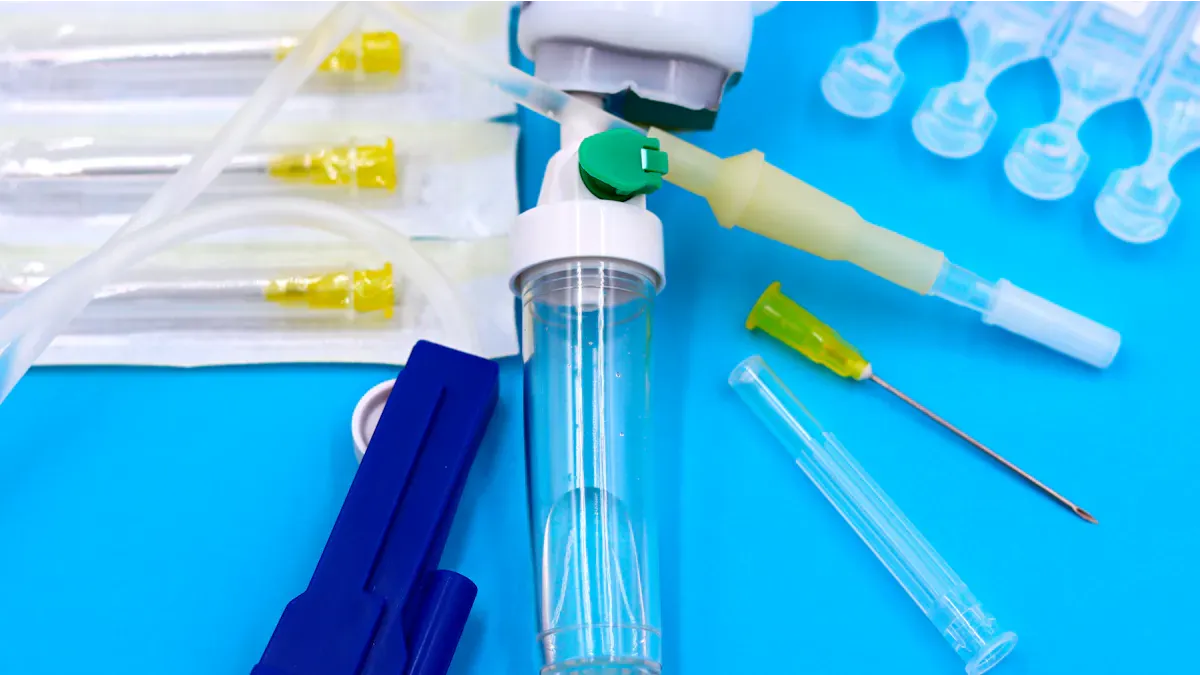
You use PET heat shrink tubing to insulate and seal medical devices. This tubing is clear, so you can see the needle and spot problems. It is strong, so your device stays safe when used. PET heat shrink tubing protects electronics in cauterization instruments and catheters. The tubing’s electrical insulation keeps your device working well. Its size stays steady, so performance is consistent. More minimally invasive procedures need tubing with good insulation and sealing. PET heat shrink tubing helps advanced medical instruments and keeps them safe.
Property | Description |
|---|---|
Tensile Strength | Great tensile strength makes devices last and stay reliable. |
Flexibility | High flexibility lets tubing fit in small designs. |
Size Stability | Steady size means devices work the same every time. |
Electrical Insulation | Good insulation protects electronics from outside interference. |
Environmental and Chemical Resistance
You pick PET heat shrink tubing because it resists chemicals well. This tubing stands up to tough cleaning agents and sterilizing agents. You can use it in catheters and other devices that need to be sterilized. PET heat shrink tubing keeps its clarity and strength after many cleanings. Its chemical resistance helps your device last longer. The tubing’s heat resistance lets it handle sterilization without losing protection. You get steady performance even with harsh chemicals. PET heat shrink tubing keeps your device safe and working in any medical place.
PET heat shrink tubing resists chemicals and sterilization.
It stands up to disinfectants, cleaning solvents, and sterilizing agents.
Chemical resistance stops insulation from breaking down and keeps devices safe.
Quality Assurance and Supplier Selection
You should buy PET heat shrink tubing from suppliers who follow strict quality rules. Look for ISO 10993 and USP Class VI certifications. These show the tubing is safe for medical use and has no harmful chemicals. FDA approval means the tubing meets U.S. medical device rules. Good suppliers have a strong reputation and work with top manufacturers. You can trust their PET heat shrink tubing for clarity, chemical resistance, and strength. Quality checks make sure your device meets safety and performance needs.
Standard | Description |
|---|---|
ISO 10993 | Checks if materials are safe for use in medical devices. |
USP Class VI | Makes sure tubing has no harmful chemicals and is safe for long use in medical places. |
FDA Approval | Shows tubing follows FDA rules for medical devices sold in the U.S. |
Tip: Always check for ISO 13485 and RoHS compliance when picking PET heat shrink tubing for your medical tools.
Comparing PET Heat Shrink Tubing with Other Materials
PET vs. Polyolefin and PVC
It is important to know how PET heat shrink tubing compares to polyolefin and PVC. PET gives you very clear tubing and strong resistance to chemicals. Polyolefin heat shrink tubing is good for basic electrical insulation. But it does not have the same clear look or thin walls as PET. PVC heat shrink tubing costs less money. But it can lose its clear look and strength after touching chemicals. PET heat shrink tubing stays clear even after many times being sterilized. You get better chemical resistance and performance for medical devices.
Material | Clarity | Chemical Resistance | Thin Wall Performance | Medical Use |
|---|---|---|---|---|
PET | High | Excellent | Superior | Preferred |
Polyolefin | Low | Good | Moderate | Limited |
PVC | Moderate | Fair | Moderate | Less Common |
Note: Pick PET heat shrink tubing if you need very clear tubing and strong chemical resistance for robotic surgical needles.
Performance in Robotic Surgical Needles
PET heat shrink tubing works best for robotic surgical needles. You get thin walls that do not make the needle thick. The clear tubing lets you check the needle easily. Polyolefin heat shrink tubing does not give you the same clear look or thin walls as PET. PVC heat shrink tubing can break down when it touches strong chemicals. PET heat shrink tubing keeps its strength and clear look after being sterilized. You get safe and steady performance for medical devices.
PET heat shrink tubing gives you a clear look and thin walls.
Polyolefin heat shrink tubing is good for simple insulation but is not as clear.
PVC heat shrink tubing loses its clear look and strength after touching chemicals.
Limitations and Considerations
There are some things to think about when using PET heat shrink tubing. PET can cost more than polyolefin or PVC. You need to make sure your supplier meets medical rules. PET heat shrink tubing gives you strong chemical resistance and a clear look. But you must check that it fits your needle size. Polyolefin heat shrink tubing is good for jobs that are not as hard. PVC heat shrink tubing does not give you the same clear look or chemical resistance. You should always test PET heat shrink tubing to see if it works well for your job.
Tip: Always check the clear look and chemical resistance after shrinking. This helps keep your device safe and working well.
Step-by-Step Guide to Selecting Heat Shrink Tubing
Define Application and Environmental Needs
First, think about what your device needs to work. You need to know the right details for PET heat shrink tubing. Check the shrink ratio and what the tubing is made of. Test the tubing by heating it to about 200°C. Watch how the tubing gets smaller to make sure it shrinks evenly. Think about where you will use the device and what it will face. Always follow the maker’s rules to get the best results.
Find out the tubing’s shrink ratio and what it is made of.
Heat the tubing to about 200°C to test it.
Watch the tubing as it shrinks to keep it even.
Think about where and how you will use the tubing.
Follow the maker’s rules for the best results.
Tip: Test the tubing in the real place you will use it. This helps you see how PET heat shrink tubing acts.
Match Tubing Specifications to Design
Make sure the tubing fits your device’s design. Robotic surgical needles have three tubes that slide inside each other. The inner and middle tubes are made from superelastic nitinol. The outer tube is made from strong stainless steel. Look at the size and the notches that help the tubes bend. A tendon wire lets the tubes bend one way. A soft sleeve helps the tubes move smoothly and keeps tissue safe. Pick PET heat shrink tubing that fits these parts and helps the device work well.
Inner and middle tubes are made from superelastic nitinol
Outer tube is made from strong stainless steel
Notches help the tubes bend
Tendon wire lets the tubes bend
Soft sleeve keeps tissue safe
Note: When the tubing fits each part, the device works better and lasts longer.
Validate with Testing and Documentation
You need to test your choices and write down what you find. Follow medical rules to make sure PET heat shrink tubing is safe. Check for FDA QSR, ISO 10993, and USP Class VI standards. Keep records of your tests and how you clean the tubing. Make sure the tubing stays safe and does not add anything harmful. Only use ways that do not change the tubing. Look at the table to see what each rule means for your tests.
Regulatory Framework | Key Requirements | Impact on Method Selection |
|---|---|---|
FDA QSR | Keep records and check quality | Safe cleaning keeps the tubing working well |
ISO 10993 | Safe for the body and works well | Do not use ways that hurt the tubing or add toxins |
USP Class VI | Safe for touching the body | Only use safe ways that do not change the tubing |
Tip: Save all your test results and papers. This helps you show your device is safe and works well.
You should pick PET heat shrink tubing that fits your needle. The tubing needs to be clear and strong. It must follow medical safety rules. Always check if the tubing is safe for the body. Make sure it is strong and comes from a good supplier. Use this checklist:
Make sure the tubing fits and shrinks right
Check if the tubing is clear and strong
Look for biocompatibility and certifications
Keep learning about new ways to help the planet. Watch for new rules about recycling materials. Pay attention to changes in tariffs. These steps help your devices stay safe and ready for what comes next.
FAQ
What is PET heat shrink tubing?
PET heat shrink tubing is a clear plastic tube. You use it to cover and protect medical devices. When you heat it, the tube shrinks and fits tightly around the needle.
Why do robotic surgical needles need PET heat shrink tubing?
You need PET heat shrink tubing to keep needles safe and strong. The tubing protects the needle from chemicals and helps you see the needle clearly during surgery.
How do you choose the right size for PET heat shrink tubing?
You measure the needle’s diameter and length. Pick tubing that fits closely but does not squeeze too tight. Check the shrink ratio to make sure the tubing covers the needle without gaps.
Is PET heat shrink tubing safe for medical use?
You can trust PET heat shrink tubing if it meets biocompatibility standards. Look for ISO 10993 and USP Class VI certifications. These show the tubing is safe for use inside the body.
Can you sterilize PET heat shrink tubing?
Yes, you can sterilize PET heat shrink tubing. The tubing resists heat and chemicals. You use common sterilization methods like steam or chemicals without damaging the tubing.
See Also
Selecting The Ideal Ultra-Thin PET Heat Shrink Tubing
Finding The Right FEP Biocompatible Heat Shrink Tubing
Tips For Choosing FEP Autoclavable Heat Shrink Tubing
Latest Developments In FEP Heat Shrink Tubing For Healthcare
Essential Information About PET Heat Shrink Tubing In Electronics

© Copyright 2024 My First Blog - All Rights Reserved.