How AccuPath Applies PET Heat Shrink Tubing in IVUS Catheter Manufacturing

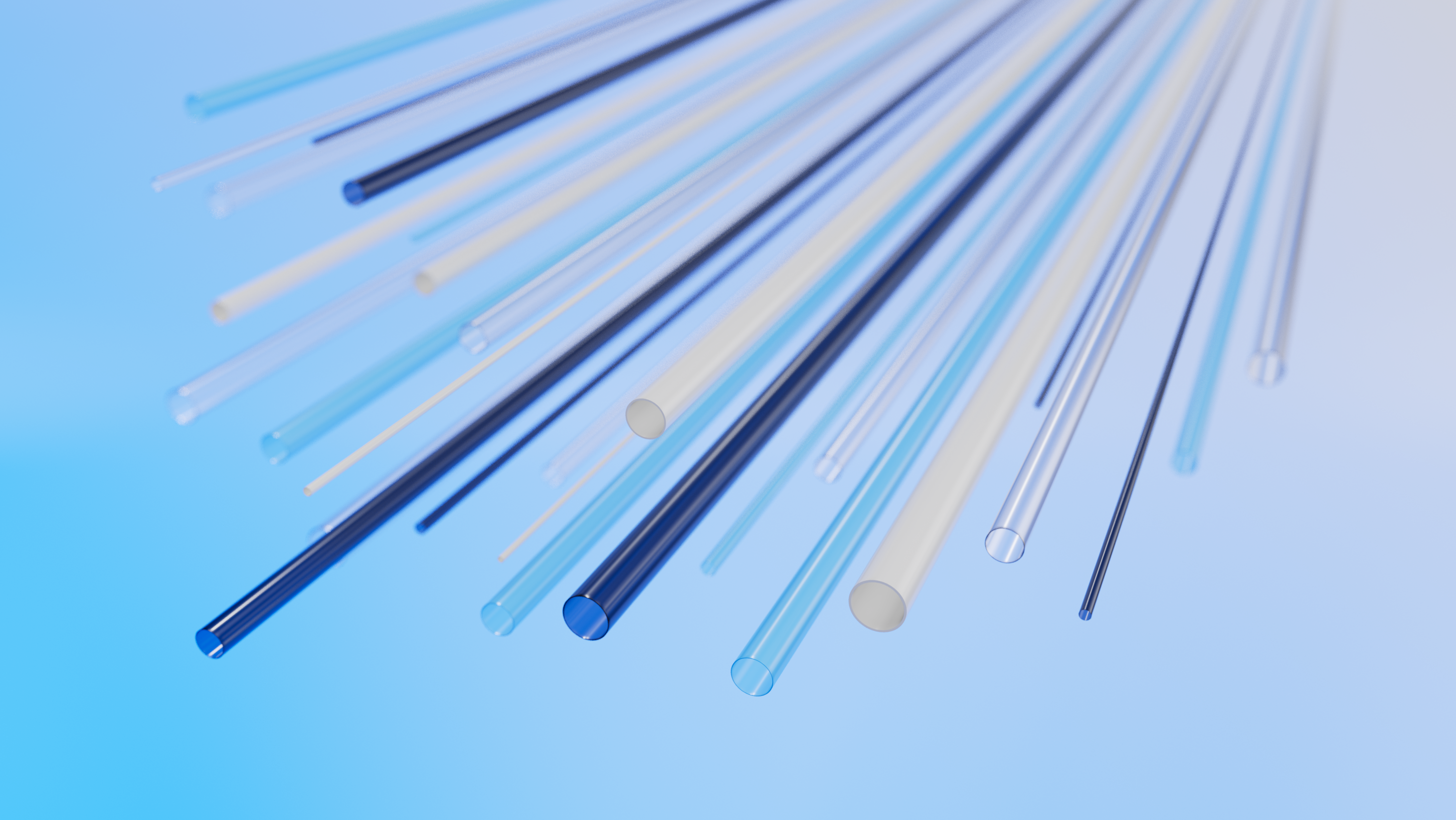
When you work with PET heat shrink tubing for IVUS catheters, you focus on accuracy and quality. You choose pet heat shrink tubing because it gives a snug fit around each part, which helps you keep high precision during assembly. The ultrathin walls of pet heat shrink tubing make your catheters lightweight. You can see through the tubing, so you check alignment and make sure everything works well. You use controlled heat to apply pet heat shrink tubing, which lets you join parts without adhesives. This method supports strong and reliable catheters.
Key Takeaways
PET heat shrink tubing provides a snug fit around catheter parts, ensuring high precision during assembly.
The transparency of PET tubing allows for easy inspection of connections and alignment, enhancing quality control.
Controlled heat application is crucial for achieving a tight fit without damaging sensitive components.
Regular inspections and testing of catheters help meet safety standards and ensure reliable performance.
Choosing the right tubing size and thickness is essential for maintaining structural integrity and device efficacy.
PET Heat Shrink Tubing Properties

Ultrathin Walls and Stiffness
You want your IVUS catheters to stay slim and flexible. Pet heat shrink tubing gives you ultrathin walls that add stiffness without making the catheter bulky. This material supports the structure of your device. You keep the diameter small, so the catheter moves easily through blood vessels. The tubing holds its shape well, which helps you maintain control during procedures. You can rely on pet heat shrink tubing to reinforce weak spots and improve durability. The thin walls also reduce weight, making your catheters easier to handle.
Transparency and Visual Alignment
You need to see inside your catheter during manufacturing. Pet heat shrink tubing offers clear visibility, so you inspect connections and check alignment. This transparency lets you verify that every part fits together correctly. You can spot any issues before finishing assembly. Quality control becomes easier because you observe fluid flow and internal components without taking the device apart.
The clarity of pet heat shrink tubing allows for visual observation of fluid flow.
It enables inspection of internal components without disassembly.
This transparency aids in verifying the correct assembly and function of catheters.
Clear tubing lets you see fluid flow or check parts during use. This helps with accuracy and safety in tools like IV lines or catheters.
You use pet heat shrink tubing to troubleshoot problems quickly. You confirm that each connection is secure, which improves safety and reliability.
Temperature Range and Shrinkage
You apply pet heat shrink tubing using controlled heat. The tubing responds well to different temperatures, so you achieve a tight fit around each part. You select the right shrink ratio for your project. A 2:1 shrink ratio means the tubing shrinks to half its original size. A 4:1 ratio lets it shrink to one-fourth. For most catheters, a target ratio of 1.1:1 gives you the best fit.
A tight fit is best with a gap of 15% or less.
Pet heat shrink tubing should not exceed 15% above the maximum diameter of the part.
Recovery greater than 20% can be achieved by drawing or stabilizing the ends during heating.
You control the heat to avoid damaging sensitive components. Pet heat shrink tubing adapts to your needs, so you maintain performance and reliability in every catheter.
Application Process in Catheter Manufacturing
Tubing Selection and Sizing
You start by choosing the right pet heat shrink tubing for ivus catheters. You look at the expanded inner diameter and wall thickness. For medical device components, you often select tubing with an inner diameter of 0.017 inches and a thickness of 0.00060 inches. This size fits overlapping wires and solder paste, which helps you create strong electrical and physical connections. You sometimes add a second layer of pet heat shrink tubing for extra insulation. You check that the tubing covers all medical device components without leaving gaps. You avoid tubing that is too loose or too tight, which could affect device efficacy.
You match the tubing size to the diameter of the medical device components.
You ensure the tubing thickness supports structural integrity.
You use a second layer for insulation when needed.
Preparation and Handling
You prepare medical device components before applying pet heat shrink tubing. You clean each part to remove dust, oil, or other contaminants. You inspect the tubing for defects or irregularities. You handle the tubing with care to avoid stretching or damaging the ultrathin walls. You align the tubing over the catheter and medical device components so it covers the areas you want to reinforce. You keep your workspace clean and organized, which helps you maintain integrity and avoid contamination.
Tip: Always use gloves and clean tools when handling medical device components and heat shrink tubing. This prevents contamination and supports iso standards in medical device manufacturing.
Heat Application Techniques
You apply heat to pet heat shrink tubing for ivus catheters using controlled methods. You use tools like hot air guns or ovens to deliver heat evenly. You set the temperature around 150°C, which helps you achieve uniform shrinkage. You move the heat source slowly along the tubing and rotate the catheter to get consistent radial shrinkage. You hold the tubing ends to restrict axial shrinkage, which keeps the length stable. You avoid overheating, which can cause air bubbles or gaps. You maintain a clean environment to prevent contamination.
Move the heat source slowly for even shrinkage.
Rotate the catheter for consistent results.
Hold tubing ends to minimize unwanted length reduction.
Keep the workspace clean for proper adhesion.
Applying heat for uniform shrinkage is essential for medical device manufacturing. You achieve a tight fit around medical device components, which improves structural integrity and device efficacy.
Joining Catheter Tubes Without Adhesives
You join catheter tubes using pet heat shrink tubing instead of adhesives. You place the tubing over the joint between medical device components. You apply heat gradually, which helps the tubing conform to the shape without shifting. You use hot air guns or ovens to ensure even heat distribution. You inspect the joint during the process to maintain alignment. You clean the tubing and catheter components before shrinking to avoid contamination. You rely on pet heat shrink tubing for ivus catheters to create strong bonds and maintain integrity.
Controlled heat application ensures uniform shrinkage.
Even heat distribution prevents air bubbles.
Cleaning before shrinking avoids contamination.
Gradual heating keeps the tubing in place.
Joining and bonding medical tubing with pet heat shrink tubing gives you reliable connections. You maintain structural integrity and avoid the risks of adhesives.
Inspection and Quality Control
You inspect each catheter and medical device component after applying pet heat shrink tubing. You check for wrinkles, air bubbles, or incomplete shrinkage. You use visual inspection to confirm alignment and coverage. You test the tensile strength, shrink ratio, and dielectric strength to meet iso standards. You verify biocompatibility and sterilization resistance. You ensure dimensional stability for precise specifications in medical device manufacturing.
Property | Specification Requirement | Test Method |
|---|---|---|
Tensile strength | ≥107 N/m² | ASTM D2671 |
Shrink ratio | 2:1 | N/A |
Dielectric Strength | > 4,000 V/mil | N/A |
Long-term Temperature | -196°C to 135°C | N/A |
Short-term Temperature | Up to 200°C | N/A |
You control the temperature between 275°F and 350°F to achieve consistent shrinkage. You avoid wrinkles and ensure a smooth finish. You document your results to support quality assurance and maintain integrity in medical device manufacturing.
Note: Regular inspections and testing help you meet iso standards and ensure the safety and performance of catheters.
Practical Tips for Heat Shrink Tubing in Catheters
Ensuring Consistent Results
You achieve consistent results with pet heat shrink tubing by following a standard process every time. Start by selecting tubing with the correct shrink ratio and temperature range for your catheter manufacturing needs. Clean and prepare each surface before application. This step prevents contamination and supports sterilization. Position the tubing carefully before applying heat. Use a heat gun or oven to apply heat evenly, moving slowly to avoid hot spots. Rotate the catheter to ensure uniform shrinkage. After shrinking, inspect the tubing for fit, coverage, and surface integrity.
PET heat shrink tubing offers high strength and durability.
The material resists mechanical stress and chemical exposure.
Moisture resistance prevents swelling or deformation, which helps maintain reliable operation.
These properties support repeatable results and patient safety.
Tip: Document your process steps and results. This practice helps you identify what works best and ensures repeatability in catheter manufacturing.
Avoiding Common Pitfalls
You can avoid common problems with heat shrink tubing by paying attention to detail. Always check the tubing for defects before use. If you notice uneven shrinkage, reapply heat gently with a heat gun. For significant damage, replace the tubing. Avoid overheating, as this can weaken the material and affect sterilization compatibility. Make sure the tubing is in the correct position before you start shrinking. Test the assembly for tensile strength, seal quality, and heat resistance after application.
Perform thorough inspections after each step.
Prepare all surfaces to ensure proper adhesion and sterilization.
Select the right tubing size to prevent gaps or wrinkles.
Note: Careful handling and inspection help you maintain patient safety and device reliability.
Maintaining Performance and Reliability
You maintain performance and reliability by choosing pet heat shrink tubing that meets your specifications. Test the tubing for long-term durability and sterilization resistance. Regularly check for signs of wear or damage. Store the tubing in a clean, dry place to protect it from moisture and contaminants. Use only approved cleaning agents to avoid chemical reactions. Always verify that the tubing maintains its shape and function after repeated sterilization cycles.
PET heat shrink tubing supports fluid management and patient safety.
Consistent application ensures reliable catheter performance.
Proper storage and handling extend the life of your heat shrink tubing.
Remember: Reliable tubing and careful technique protect both your device and the patient.
When you use pet heat shrink tubing in IVUS catheter manufacturing, you gain strong, reliable, and precise results. Pet heat shrink tubing supports safety by meeting ISO 13485, FDA, RoHS, ISO 10993, and USP Class VI standards:
Compliance Standard | Description |
|---|---|
ISO 13485 | Focuses on quality management systems for medical devices, ensuring product safety and performance. |
FDA Regulations | Ensures medical devices are safe and effective, guiding manufacturers in construction and electrical safety. |
RoHS Compliance | Restricts hazardous substances, ensuring materials do not contain harmful elements that could compromise patient safety. |
Evaluates biocompatibility of materials, confirming they do not cause adverse reactions with human tissue. | |
USP Class VI | Ensures materials are free from harmful chemicals, suitable for prolonged use in medical environments. |
You benefit from pet heat shrink tubing’s ability to insulate, protect, and maintain catheter performance. AccuPath’s expertise ensures you receive catheters that meet strict medical requirements. Choose pet heat shrink tubing for your next project and trust AccuPath to deliver quality every time.
FAQ
What makes pet heat shrink tubing ideal for IVUS catheter manufacturing?
You choose pet heat shrink tubing because it offers ultrathin walls, high clarity, and reliable shrinkage. This material gives you precise control during assembly. You can reinforce joints and maintain flexibility. You also avoid adhesives, which improves safety and device performance.
How do you apply pet heat shrink tubing without damaging components?
You use controlled heat sources like hot air guns or ovens. Move the heat evenly and rotate the catheter. This method helps you avoid overheating. You protect sensitive parts and achieve a smooth, tight fit with pet heat shrink tubing.
Can you reuse pet heat shrink tubing after shrinking?
No, you cannot reuse pet heat shrink tubing once it has shrunk. The material forms a permanent shape around the catheter. You should always use new tubing for each application to ensure safety and reliability.
What standards does pet heat shrink tubing meet for medical devices?
Standard | Description |
|---|---|
ISO 13485 | Quality management for devices |
FDA | Safety and effectiveness |
RoHS | Limits hazardous substances |
You can trust pet heat shrink tubing to meet strict medical standards for your catheters.
See Also
The Role of FEP Heat Shrink Tubing in Catheter Design
Key Uses of Ultrathin PET Heat Shrink Tubing in Medicine
Understanding FEP Heat Shrink Tubing for Autoclave Applications
The Importance of Ultra-Thin PET Tubing in Healthcare Devices
Essential Insights on PET Heat Shrink Tubing for Electronics

© Copyright 2024 My First Blog - All Rights Reserved.