What Makes NiTi Tubing Essential for Minimally Invasive Surgery

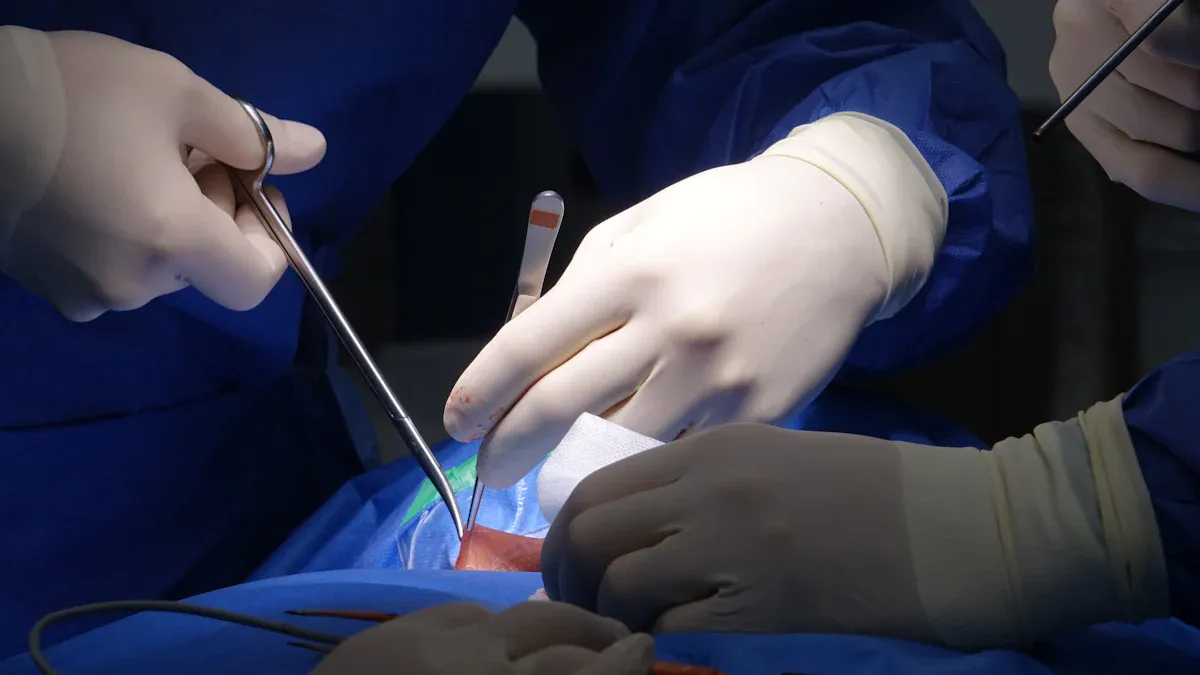
You use niti tubing for minimally invasive surgery instruments because it works very well in surgical procedures. Nitinol has special features like superelasticity and shape memory effect, which help tools bend and return to their original shape. Niti tubing does not rust or wear out quickly, ensuring that instruments last longer. Its biocompatibility means there is a reduced chance of swelling or rejection. The flexibility of niti tubing helps prevent tissue damage and pain. The table below illustrates how niti tubing for minimally invasive surgery instruments benefits patients. For example, nitinol implants have a 30% lower rejection rate compared to regular metals.
Property | Impact on Patient Outcomes |
|---|---|
Biocompatibility | Lowers the chance of swelling or rejection |
Flexibility | Helps stop tissue damage and pain |
Durability | Ensures tools work effectively for a long time |
Superelasticity | Allows doctors to be more precise and causes less harm |
Lower rejection rate | Patients with nitinol implants have a 30% lower rejection rate than with regular metals |
Niti tubing for minimally invasive surgery instruments helps doctors perform procedures carefully and safely. This makes it extremely important for both you and the use of niti tubing in surgical tools.
Key Takeaways
Nitinol tubing is very bendy and strong. It lets tools bend and go back to their shape. This helps doctors be more exact. It also lowers the chance that tools will break.
The shape memory effect helps tools fit many body shapes. This makes surgery more accurate. It also helps stop problems during surgery.
Nitinol is safe for the body. It does not cause many allergies or hurt tissue. This makes it good for implants that stay in the body.
Nitinol tubing lasts a long time and does not rust. This means tools work well for a long time. They also work well in tough places.
Nitinol tubing is very flexible. This gives doctors better control. It helps make surgeries safer and work better.
Key Properties of Nitinol Tubing
Superelasticity
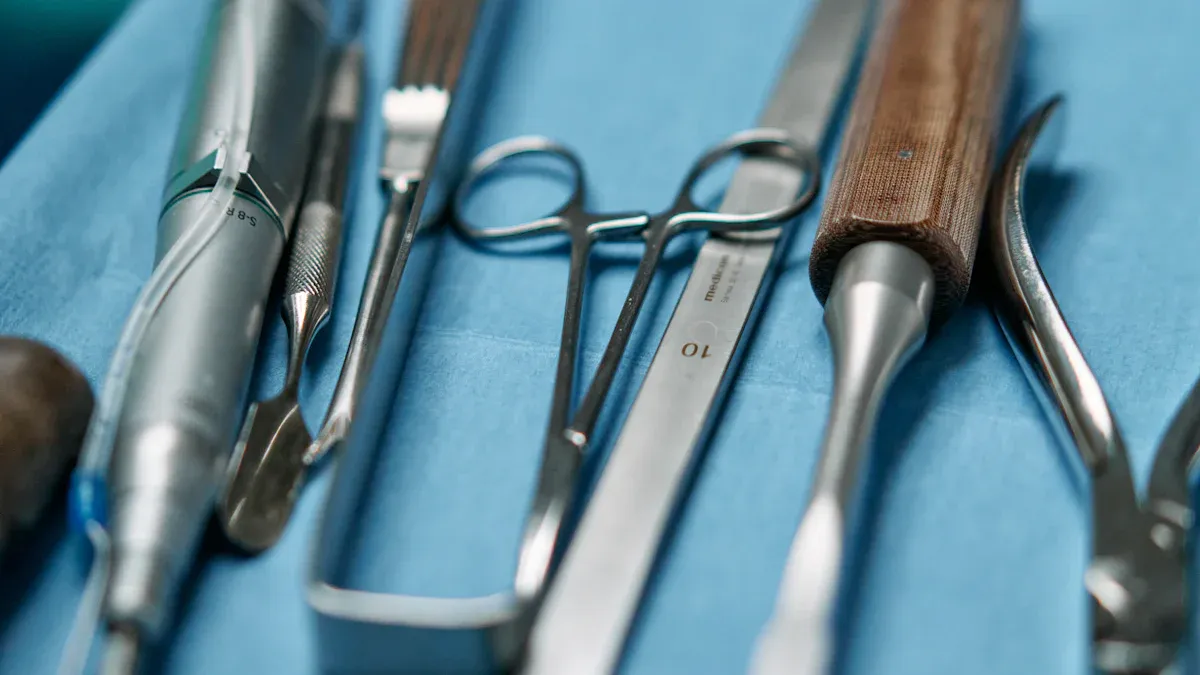
Superelasticity makes nitinol tubing different from other materials. When you bend or twist niti tubes, they snap back to their shape. They do not break or stay bent. This happens because of nitinol’s special atomic structure. Superelasticity lets doctors use tools in tight or curved places. The tools do not get stuck or ruined.
Superelasticity in nitinol tubing helps stop device failure. The tubing can stretch and return to shape. This means tools last longer and work well under stress.
Here is a table that shows how nitinol tubes compare to other materials:
Property | Nitinol (NiTi) Quantitative Data | Comparison/Notes |
|---|---|---|
Young's Modulus (Martensite) | 20–50 GPa | Lower stiffness, more ductile phase |
Young's Modulus (Austenite) | 40–90 GPa | Harder, stiffer phase |
Recoverable Strain Limit | Higher in Nitinol | Enables large reversible deformation |
Transformation Stress | Low transformation stress | Facilitates superelastic behavior |
Wear Resistance | High | Superior to many conventional alloys |
Superelasticity and shape memory help nitinol tubing bend and flex inside the body. Doctors get better control and lower the risk of hurting tissue.
Shape Memory Effect
Shape memory effect is another reason nitinol tubing is used for surgical tools. When you bend niti tubes at a cool temperature, they go back to their shape when warmed. This is called the shape memory effect. It is important for tools that need to change shape during surgery.
Temperature Type | Temperature Range |
|---|---|
Austenite Finish Temperature (Af) | Around 37°C (98.6°F) |
Martensite Start Temperature (Ms) | Approximately 20-30°C (68-86°F) |
You get many benefits from the shape memory effect:
The tubing goes back to its shape after bending, so you can use tools with high accuracy.
Nitinol tubes fit different body shapes, which helps devices work better and lowers problems.
Nitinol’s superelasticity lets guidewires and catheters move through tricky paths without staying bent.
High flexibility and torque control help you put tools in the right spot.
Shape memory makes nitinol tubing great for tools that must change shape or recover after bending. You can count on your tools to work every time.
Biocompatibility
Biocompatibility is a big reason nitinol tubing is picked for implants and surgical tools. Nitinol forms a strong titanium dioxide layer on its surface. This layer stops nickel from leaking out. It lowers the chance of allergies and makes the tubing safe for long use in the body.
Special surface treatments, like electropolishing, help blood and tissue grow around the implant.
Studies show medical nitinol tubing causes little tissue reaction. For example, the Wistend microstent made from ASTM F2063 nitinol had low tissue scores and kept eye pressure down by 30% for six months.
Here is a table comparing allergy risks:
Material | Ion Release Risk | Allergic Reaction Potential |
|---|---|---|
Nitinol | Low | Lower |
Cobalt-Chromium Alloys | Moderate | Higher |
Stainless Steel | Moderate | Higher |
You can trust nitinol tubes because they are safe and resist rust, so they work well for long-term implants.
Corrosion and Fatigue Resistance
Nitinol tubing is known for not rusting and for lasting a long time. You want your surgical tools to work many times without breaking. Nitinol tubes do not rust or wear out, even inside the body.
Surface Treatment | Breakdown Potential (mV) | Notes |
|---|---|---|
Mechanically Polished | < 800 | Breakdown observed in all samples |
Electropolished | > 800 | Only 13% showed breakdown |
Physiological Solutions | Increased breakdown potential | Passivating effect observed over time |
Nitinol has high fatigue resistance, which is important for tools that move a lot, like heart implants.
New ways to make nitinol tubing make it even stronger for tough medical jobs.
Tests check nitinol tubing up to 6 × 10^8 cycles to make sure it is safe and works well.
Nitinol tubes give you strong and steady tools, so your devices last longer and work better.
Flexibility and Damping
Flexibility is one of nitinol tubing’s best features. You can bend niti tubes a lot, up to 13% strain, and they return to shape. This is 32% to 40% more flexible than thicker needles made from other materials. You also get high accuracy and thin walls, which are important for careful surgery.
Parameter | Value/Description |
|---|---|
Deformation Strain Recovery | Up to 13% |
Flexibility Increase | 32% to 40% over thicker needles |
Positional Accuracy | ±2.5 microns |
Wall Thickness Tolerance | ±0.005 mm |
Nitinol tubing also absorbs and reduces energy. This means less shaking during surgery. You get better control, which helps you do delicate work.
Evidence | Description |
|---|---|
Superelasticity | Helps stop vibration, keeping tools steady and strong |
Vibration Damping | Absorbs energy, lowers shaking, and gives better control |
Energy Absorption | Makes nitinol tubing great for controlling tools during surgery |
Structural Integrity | Lowers vibration and keeps tools strong |
When you use good nitinol tubing, you get flexibility, damping, and strength. These features help you do better for your patients and make your tools more reliable.
Nitinol tubing has superelasticity, shape memory effect, biocompatibility, corrosion resistance, fatigue resistance, and flexibility. These special features make nitinol tubing important for minimally invasive surgery. You can trust niti tubes and nitinol tubes to give you the strength, long life, and performance you need every time.
Niti Tubing for Minimally Invasive Surgery Instruments
Catheters and Guidewires
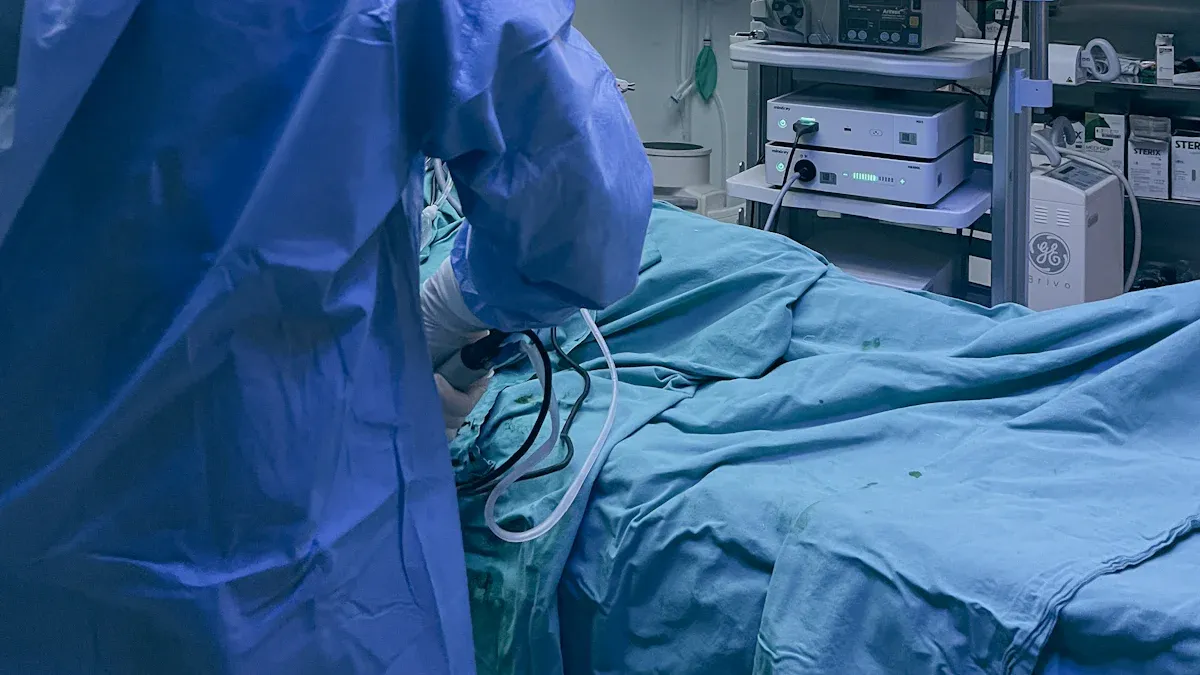
Nitinol tubing is used in catheters and guidewires in hospitals. Catheters need to bend and move to reach hard spots in the body. Niti tubing helps catheters do this without hurting blood vessels. Superelasticity lets catheters twist and flex in tight places. You do not have to worry about the catheter getting stuck or causing harm.
Nitinol guidewires bend and flex gently. This helps stop vessel injury during ablation.
The shape memory effect lets guidewires return to shape when warmed. You get better control and can steer them well.
Nitinol tubing stays strong and flexible in tough paths. You can move catheters smoothly and safely.
Nitinol tubing is durable, so catheters handle force during use. Patients feel less pain and heal faster.
You get good control during ablation because nitinol guidewires do not bend out of shape.
Using nitinol tubing in catheters makes patients safer and more comfortable. It also helps you work better and more accurately.
Stents and Endoscopic Tools
Stents and endoscopic tools made with nitinol tubing are used in many surgeries. Niti tubing helps treat blocked vessels and other problems inside the body. Nitinol stents expand and fit well because of shape memory. You do not have to worry about the stent losing shape or moving.
Outcome Measure | Nitinol Stents (N) | Stainless Steel Stents (SS) | P-value |
|---|---|---|---|
Biliary decompression achieved | 93.8% | 86.4% | 0.22 |
Occlusion rate | Not significant | Not significant | 0.42 |
Duration of stent patency (days) | 129 | 137 | 0.61 |
Early complication rate | 3.7% | 6.3% | N/A |
Late complication rate | 2.5% | 3.1% | N/A |

Nitinol stents help achieve high decompression and lower problems. Superelasticity lets endoscopic tools bend and move in tight spaces. You can reach hard spots without hurting tissue.
Nitinol tubing lets endoscopic tools expand inside the body. You get better results during ablation and denervation.
Shape memory helps devices return to shape after use. You do not have to worry about losing function.
Nitinol tubing gives you flexibility for careful procedures with less risk.
Using nitinol tubing in stents and endoscopic tools helps patients and makes surgery safer.
Robotic Surgery Applications
Robotic surgery lets doctors do very careful and less invasive operations. Niti tubing is important for robotic surgery tools. Nitinol tubing gives robotic tools the flexibility and strength they need. You can bend and twist tools without breaking them.
Benefit | Description |
|---|---|
Precision | Nitinol's superelasticity lets tools bend and adapt, so doctors can work in small spaces. |
Durability | Nitinol does not wear out fast, so tools last longer and do not break. |
Adaptability | Nitinol tubing changes shape to fit the body, so there is less harm and smaller cuts. |
Improved Outcomes | Nitinol lets tools expand inside the body, so doctors can be more precise and cause less harm. |
Nitinol tubing helps make robotic tools smaller and more flexible. You can reach tiny spaces and do ablation or denervation with high accuracy.
Nitinol tubing bends and twists easily, so robotic tools move well.
Superelasticity lets tools return to shape after bending. You do not lose control or accuracy.
Nitinol tubing helps robotic tools work in tough places. You get better results and less harm for patients.
Nitinol tubing is strong, so robotic tools last longer and do not break during surgery.
Nitinol tubing in robotic surgery makes work safer and more effective. You can trust nitinol tubing to help you do minimally invasive surgery with confidence.
Advancements in Nitinol Tubing
Precision Manufacturing
There are big improvements in how nitinol is made for medicine. Companies now use very pure implant-grade materials like ELI. This makes nitinol stronger and more reliable for surgery. The material is cleaner, so results are better. New laser tools shape nitinol with great accuracy. Each part is made to fit and work as it should. Special inspection tools check every piece for quality. This means fewer errors and safer devices.
Advancement Type | Description |
|---|---|
High-Purity Materials | Development of ELI, a high-purity implant-grade nitinol material. |
Enhanced Laser Technologies | Improved precision and efficiency in manufacturing nitinol components. |
Inspection Technologies | Implementation of advanced inspection technologies to ensure quality in nitinol components. |
These changes help you get better care. Nitinol can now be made into complex shapes with high accuracy. This lets doctors use tools that fit your body better. Control over things like transformation temperature means your device works just right.
Surgeries are safer now because nitinol parts are made more accurately than before.
Surface Treatments
Surface treatments help nitinol last longer and be safer. Electropolishing makes a thin oxide layer. This stops nickel from leaking and helps prevent rust. Plasma treatments smooth the surface, so blood flows better and clots are less likely. Anodization builds a strong titanium oxide layer. This keeps nickel inside the tubing and helps stop allergies.
Treatment Type | Benefits |
|---|---|
Electropolishing | Thinner oxide layer leads to lower nickel release and higher corrosion resistance. |
Plasma Treatments | Creates smoother surfaces that promote endothelialization and decrease thrombogenicity. |
Anodization | Forms a strong titanium oxide layer that minimizes nickel ion release, enhancing safety. |
Special coatings like diamond-like carbon also help. They make nitinol better for heart surgeries by helping blood interact with the device. Implants last longer and cause fewer problems over time.
Surface treatments block nickel from getting out.
Coatings help stop rust and make devices safer for blood.
You see fewer allergies and better device performance.
Smart Technology Integration
Smart technology is changing how nitinol is used in surgery. 3D printing lets doctors make custom nitinol tools for each patient. You get devices that fit your body perfectly. AI helps design and control nitinol devices. Robots use nitinol for more exact movements. This means fewer mistakes and better results.
Technology Integration | Description | Benefits |
|---|---|---|
3D Printing | Customizes nitinol tubing for specific surgeries | - Tailored tools for individual patient needs |
AI Integration | Enhances design and functionality of nitinol tubing | - Increased accuracy in robotic systems |
Tests show nitinol stents lower the risk of problems and help you heal faster. Heart and brain doctors now use nitinol in almost half of all devices. This shows people want these new improvements.
You heal faster, feel less pain, and have safer surgeries because of new nitinol technology.
You can see why nitinol is special in medical devices. Its superelasticity, shape memory, and biocompatibility are very important. Nitinol tubing helps doctors do better surgeries and helps patients heal faster. More doctors want to use nitinol because they like minimally invasive surgery. Scientists are working on new things:
Making nitinol last longer for medical use
Finding safer ways to treat the surface for sensitive uses
Using AI to help design nitinol devices for more accuracy
Creating very thin nitinol tubing for new medical tools
Nitinol will keep changing how doctors use medical devices in the future.
FAQ
What makes nitinol tubing better than stainless steel for surgery?
Nitinol tubing can bend a lot and not break. Tools made with it move easily inside the body. Stainless steel might bend and not go back or even snap. Nitinol goes back to its shape and lasts longer.
Is nitinol tubing safe for people with metal allergies?
You can use nitinol tubing safely if you have metal allergies. The titanium oxide layer keeps nickel from leaking out. This lowers the chance of having an allergic reaction compared to other metals.
How does nitinol tubing help doctors during minimally invasive surgery?
Nitinol tubing makes tools flexible and strong. Doctors can reach hard places without hurting tissue. Superelasticity helps tools move smoothly and return to their shape.
Can nitinol tubing be used in robotic surgery tools?
Yes! Nitinol tubing works great in robotic tools. You get tools that bend but do not break. This lets doctors do careful work with more control.
Does nitinol tubing last a long time inside the body?
Nitinol tubing does not rust or wear out fast. You can trust it to last for years in implants or tools. This means fewer replacements and better results for you.
See Also
The Importance of Nitinol Tubing in Minimally Invasive Surgery
Nitinol Tubing: A Key Component in Modern Medical Solutions
Nitinol Tubing's Impact on the Future of Medical Devices
Nitinol Tubing's Contribution to Progress in Medical Technology

© Copyright 2024 My First Blog - All Rights Reserved.