What Is PET Insulation and Why Is It Essential for Medical Sensor Cables

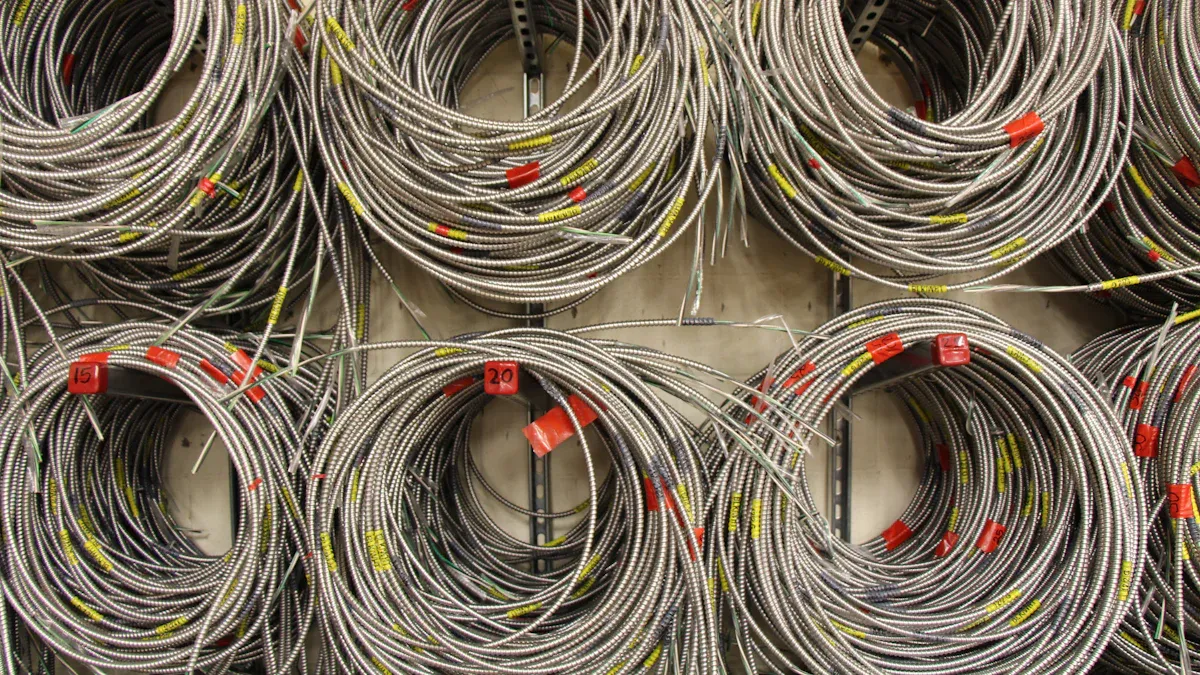
Medical sensor cable insulation PET is used to keep cables safe and reliable. PET insulation serves as a durable shield, protecting medical sensor cables from damage. It also ensures that signals remain clear and accurate. In hospital environments, medical sensor cable insulation PET helps prevent skin irritation and blocks unwanted electrical interference. PET stands out because it resists chemicals and water, making it ideal for medical applications. Medical sensor cable insulation PET meets strict safety standards, ensuring patient safety and optimal device performance. You can rely on medical sensor cable insulation PET to deliver dependable results in any medical setting.
Key Takeaways
PET insulation keeps medical sensor cables safe from heat, chemicals, and water. This helps the cables stay safe and work well.
PET heat shrink tubing makes a tight cover around cables. This stops dust and water from hurting the cables.
PET insulation makes medical cables last longer and stay strong. This means you do not have to replace them often.
PET follows strict medical safety rules. It is safe to touch patients and does not cause skin problems.
Using PET insulation helps medical devices send clear signals. This makes the devices work better and more reliably.
What Is PET Insulation
PET Material Overview
You might ask why PET is good for insulation in medical sensor cables. PET means polyethylene terephthalate. This material is made from repeating units called C10H8O4. Manufacturers make PET by mixing terephthalic acid and monoethylene glycol. The way these molecules are arranged gives PET a semi-crystalline structure. This helps PET stand up to heat and electricity. That makes PET a strong insulation material.
PET insulation is used in many medical products. You can find PET in non-woven thermal insulation items. These items are strong and let air pass through. PET does not tear easily, so it protects cables from harm. Its insulation keeps electric motor coils and medical sensor cables safe from electrical problems.
PET insulation helps keep medical sensor cables safe and working well. PET blocks unwanted electrical signals and protects important parts.
PET Heat Shrink Tubing in Medical Cables
PET heat shrink tubing is important for medical sensor cable insulation. When you use PET heat shrink tubing, you get many benefits:
Gives strong insulation for medical sensor cables.
Keeps out moisture and dust from the environment.
Protects delicate parts from mechanical stress.
Shrinks evenly to make a tight seal and cover sensors.
Safe for patients and meets ISO and FDA rules.
PET heat shrink tubing makes a tight seal around medical sensor cables. This seal stops water and dust from getting in. It also keeps the cable from bending or breaking. You can trust PET tubing to help medical devices work well. PET tubing helps keep patients safe and follows strict medical rules.
Medical Sensor Cable Insulation PET: Role and Importance
Protection Against Environmental Stress
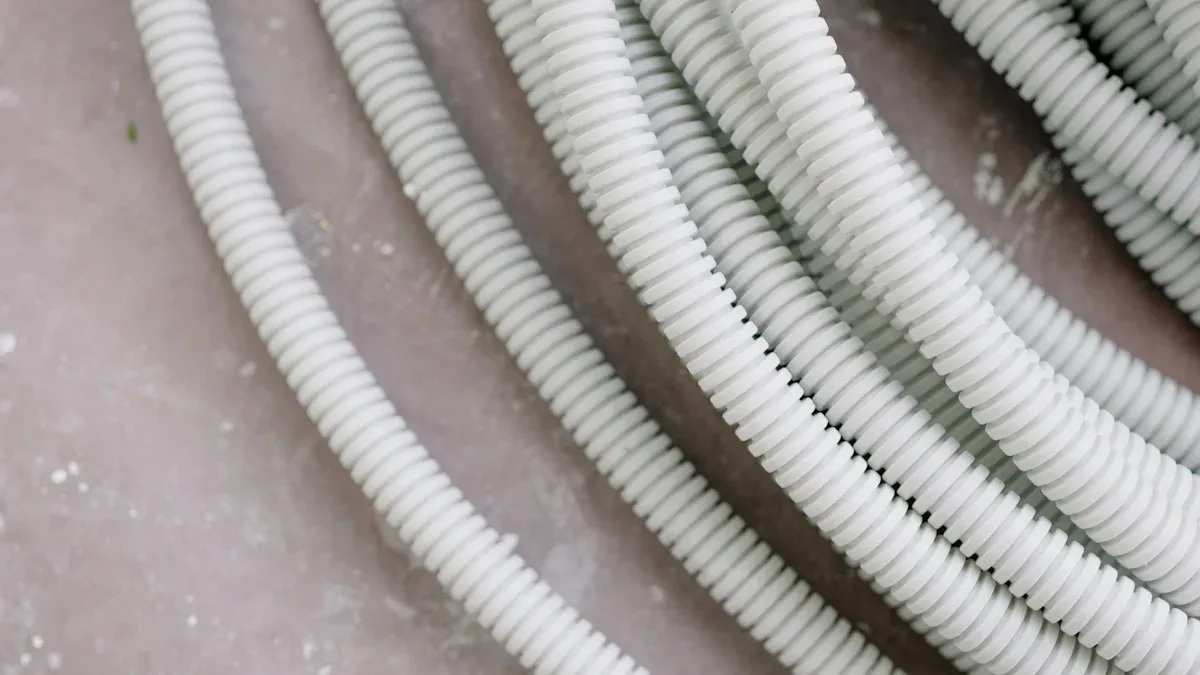
Hospitals and clinics can be tough places for cables. Medical sensor cable insulation PET helps protect sensors from harm. You need strong insulation because hospitals can be rough on equipment. PET keeps cables and sensors safe from many problems. Here are some common things that can hurt cables:
Temperature changes can make sensors work differently.
Pressure from machines or moving people can hurt cables.
Chemicals and liquids, like cleaners, can damage insulation.
Electrical noise can mess up sensor signals.
Bending or pulling can break cables.
Humidity can let water get inside cables and sensors.
Tight spaces can squeeze or twist cables.
Medical sensor cable insulation PET acts like a shield against these problems. PET keeps sensors safe from water and chemicals. PET blocks electrical noise and interference. PET insulation also stops cables from getting damaged. This helps sensors keep working well. Using PET helps medical devices stay accurate and reliable.
The table below shows how PET insulation protects medical sensor cables in different ways:
Key Attribute | Description |
|---|---|
Chemical Resistance | PET tubing stands up to cleaning agents, solvents, and disinfectants, so it lasts longer in hospitals. |
UV Radiation Resistance | It can handle sunlight without breaking down, so it keeps working. |
Structural Integrity During Sterilization | The tubing stays strong during cleaning, which is important for medical use. |
Mechanical Strength | PET tubing does not get scratched, poked, or broken easily, so it protects important parts. |
Electrical Insulation | It stops electrical problems, so medical devices do not short out. |
Thermal Insulation | It keeps parts safe from hot and cold, so devices work well in hospitals. |
You can see that PET gives many kinds of protection for medical sensor cable insulation PET. These features help keep sensors and cables safe in busy hospitals.
Extending Cable Life and Reliability
Medical sensor cable insulation PET does more than just protect sensors. You want cables that last a long time and work every day. PET helps you reach this goal. When you use PET insulation, cables do not break as easily. PET keeps cables strong, even if you bend or twist them. You do not have to worry about cables wearing out fast.
PET does not let chemicals or water hurt cables, so they stay clean and dry. You can use medical sensor cable insulation PET in places where you clean equipment a lot. PET does not get weak when you clean it. This means sensors and cables keep working, even after many cleanings.
You also get better results from your medical devices. PET insulation keeps signals clear. Sensors send good data to monitors and other machines. This helps doctors and nurses make better choices because the devices work well.
Medical sensor cable insulation PET helps you feel sure about your equipment. You know sensors and cables will last longer and work better. You save time and money because you do not need to buy new cables often. PET helps you give safe and reliable care to patients.
PET Properties & Benefits in Medical Device Insulation
Structural Stability and Durability
Medical device insulation needs to be tough every day. PET gives strong protection for medical wire insulation. It does not wear out or change shape when bent or twisted. PET meets FDA and USP rules, so it is safe for medical use. PET keeps moisture and oxygen out. This helps protect the inside of medical sensor cables.
PET does not get damaged when pulled or bent.
PET stays the same shape under pressure.
PET stops water and air from touching the wires.
Using PET for medical device insulation makes cables last longer. You do not need to buy new ones often. This helps you save time and money.
Electrical Insulation and Dielectric Strength
PET gives good electrical insulation for medical wire insulation. It has high dielectric strength, so electricity does not leak out. This keeps medical devices safe and working right. High dielectric strength means PET can handle strong electric fields. You can use PET where safety is very important.
PET helps medical device insulation keep signals clear and correct.
Every layer of PET insulation has high dielectric strength. This stops short circuits and helps medical equipment work well. Good electrical insulation is important for patient safety and device performance.
Chemical Resistance and Low Water Absorption
PET does not get ruined by strong chemicals or cleaning agents. You can clean medical wire insulation made with PET many times. PET does not soak up water, so it works in wet places. This makes PET a good choice for hospitals and clinics.
Property | Benefit for Medical Device Insulation |
|---|---|
Chemical Resistance | Protects against cleaners and disinfectants |
Low Water Absorption | Keeps cables dry and safe |
Barrier Properties | Stops moisture and oxygen from getting in |
PET gives medical wire insulation that stays strong and safe. You can trust PET to protect medical devices anywhere. PET keeps equipment working and ready to use.
Biocompatibility and Patient Safety with PET
Compliance with Medical Standards
If you pick PET for medical sensor cable insulation, you help keep patients safe. PET is good for biocompatibility and patient safety. You can use PET next to skin or inside devices without worry. PET does not cause allergies or make skin itchy. You can trust PET to protect patients during long treatments.
PET insulation follows strict medical rules. It has important certifications that show it is safe. The table below lists two main certifications for PET in medical devices:
Certification | Description |
|---|---|
USP Class VI | Makes sure the tubing has no bad chemicals and is safe for long use in hospitals. |
FDA Approval | Shows PET meets FDA rules for medical devices sold in the U.S. |
PET insulation passes hard safety and performance tests. You can see how PET does in these tests:
Property | Description |
|---|---|
Dielectric Strength | Makes sure insulation works well, which is important for safety. |
Chemical Resistance | Stops damage from many different substances. |
Compliance with IEC 60601-1 | Meets key safety rules for medical devices, so they work right. |
By following medical rules, PET insulation helps you give safe and steady care.
Why PET Is Preferred Over Alternatives
You can pick from many materials for medical sensor cable insulation. PET is special because it is safe, strong, and not too expensive. Other materials like polyimide, PVC, silicone, and Teflon (PTFE) have good points too. Polyimide handles heat and electricity well. PVC costs less but does not do well with heat. Silicone bends easily but can break down in some places. Teflon fights chemicals but is not as tough as polyimide.
PET gives you good heat and chemical resistance. It works well in electronics and medical uses. PET also has high dielectric strength, so it keeps electrical signals safe. Polyolefins and fluoropolymers like PTFE and FEP are used too, but PET gives a strong mix of safety and performance.
When you use PET, you pick a material that fits medical needs and keeps patients safe. PET insulation lasts through cleaning and daily use. You can count on PET for strong protection in any hospital or clinic.
Tip: Always make sure your insulation meets the newest medical rules before you use it.
PET stays a top pick for medical sensor cable insulation because it protects both devices and people.
You can see that PET insulation keeps medical sensor cables safe. It helps cables last a long time and work well. PET can handle heat, chemicals, and cleaning. This means your medical devices stay dependable. The table below shows why medical engineers pick PET for insulation in hospitals:
Advantage | Description |
|---|---|
Temperature Resistance | PET insulation keeps working after high heat and sterilization. |
Enhanced Electrical Insulation | PET insulation stops short circuits and keeps medical devices safe. |
Chemical Resistance | PET insulation protects medical cables from harsh cleaners. |
Flexibility and Ease of Application | PET insulation fits many cable types and makes installation simple. |
Improved Durability and Longevity | PET insulation helps medical cables last longer and work better. |
PET insulation follows strict medical safety rules.
PET keeps medical cables safe for patients and workers.
PET helps you trust your medical equipment every day.
Pick PET insulation for your medical sensor cables. You help keep patients safe and your medical devices working well.
FAQ
What makes pet insulation important for medical sensor cables?
Pet insulation gives strong protection to medical sensor cables. Pet keeps cables safe from heat, chemicals, and water. Medical devices last longer and work better with pet insulation.
Can pet insulation handle frequent cleaning in medical environments?
Pet insulation can handle cleaning agents in hospitals. You can clean pet-insulated cables many times. Pet does not get weak or break after lots of cleaning.
Is pet safe for direct contact with patients in medical devices?
Pet is safe for patients. Pet meets strict medical rules for biocompatibility. Medical sensor cables with pet insulation do not cause skin problems or allergies.
How does pet insulation improve the reliability of medical equipment?
Pet insulation helps medical sensor cables work well. Pet blocks electrical noise and stops damage. You get clear signals and good performance from medical devices with pet insulation.
Why do engineers choose pet over other materials for medical cable insulation?
Engineers pick pet for medical cable insulation because pet resists chemicals and water. Pet gives strong electrical insulation and lasts a long time. Medical devices with pet insulation meet safety rules and work in hard places.
Tip: Always make sure pet insulation follows the newest medical safety rules before you use it in your devices.
See Also
The Importance of Ultra-Thin PET Tubing in Healthcare Devices
Key Uses of Ultrathin PET Heat Shrink Tubing in Medicine
Essential Insights on PET Heat Shrink Tubing for Electronics

© Copyright 2024 My First Blog - All Rights Reserved.