Maintaining wall thickness consistency in PET heat shrink mass production

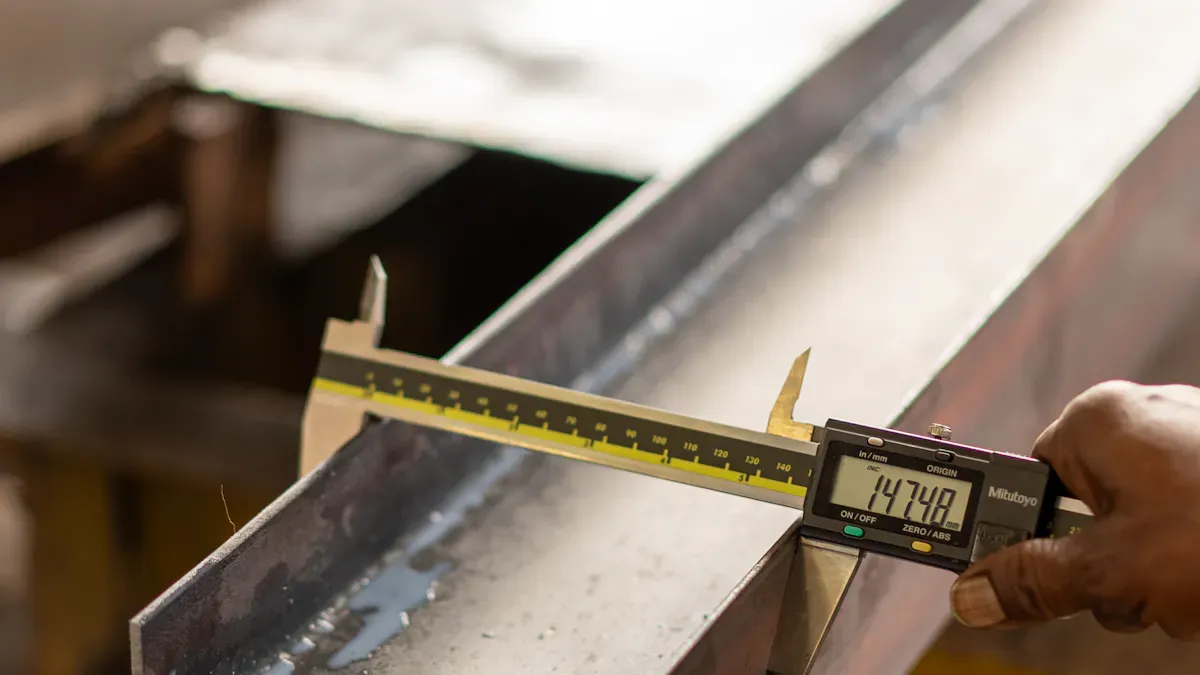
To ensure PET heat shrink tubing functions effectively every time, it is essential to maintain wall thickness consistently. When the wall thickness is uniform, the product remains robust and free from weak spots. Neglecting the quality of materials or the setup of the process can lead to errors and increased costs. Regularly checking the machines and monitoring their performance allows you to identify issues early. By focusing on these steps, you can ensure that your products remain safe and operate efficiently.
Key Takeaways
Keeping the wall thickness the same in PET heat shrink tubing helps the product work better. It makes the tubing more flexible, strong, and long-lasting.
Checking and adjusting machines often helps keep the wall thickness right. This also stops expensive mistakes from happening during production.
Quality control is very important. Using good materials and watching the process closely can lower waste and save money.
Controlling the temperature during production is very important. It stops the tubing from having uneven walls or weak spots.
Sensors that watch in real time can find problems fast. This lets workers fix things right away to keep the quality good.
Why Wall Thickness Consistency Matters

Product Performance
PET heat shrink tubing helps protect wires and insulate parts. It also gives a tight seal. Keeping the wall thickness the same makes the tubing work better. When the thickness is even, you get:
Flexibility and durability, so the tubing bends but does not break.
High tensile strength, which means the tubing stays strong when pulled or stretched.
Excellent abrasion resistance, so the tubing lasts longer when rubbed or scratched.
Proper sizing and shrink ratios, which help the tubing fit well and stop it from failing early.
Quality control teams check the tubing for accuracy and strength. They make sure you get products without defects that work as they should.
Compliance and Tolerances
You have to follow strict rules when making PET heat shrink tubing. This is very important for medical or electrical uses. The rules say you must keep the wall thickness within a certain range. AI inspection systems and quality checks help you meet ISO and FDA standards. The table below shows the usual tolerances for PET tubing:
Wall Thickness Range | Standard Tolerance |
|---|---|
0.0001"–0.0005" | ± 0.0001" (typical) |
0.0006"–0.004" | ± 20% (typical) |
Staying within these tolerances keeps your products safe and reliable.
Cost and Waste Reduction
Keeping wall thickness the same saves money and cuts down on waste. Even tubing uses less material and stops defects from happening. You do not have to recall or fix as many products. Making tubing the same way each time means fewer batches are thrown away and there is less downtime. You protect your reputation and keep customers happy.
Tip: Check your process often and make quick changes to catch problems early and keep everything running well.
Key Factors That Affect Wall Thickness
Preform and Material Quality
You need to start with high-quality PET preforms. The properties of these preforms decide how even your wall thickness will be. If you use preforms with the right strength and size, you get better results. The table below shows what you should check:
Property | Influence on Wall Thickness Consistency |
|---|---|
Intrinsic Viscosity | Shows how strong the material is and how well it resists changes. This helps keep thickness even. |
Weight Consistency | Makes sure every preform weighs the same. This keeps the final tubing uniform. |
Dimensional Measurements | Checks if each preform is the same size. This helps you avoid thin or thick spots. |
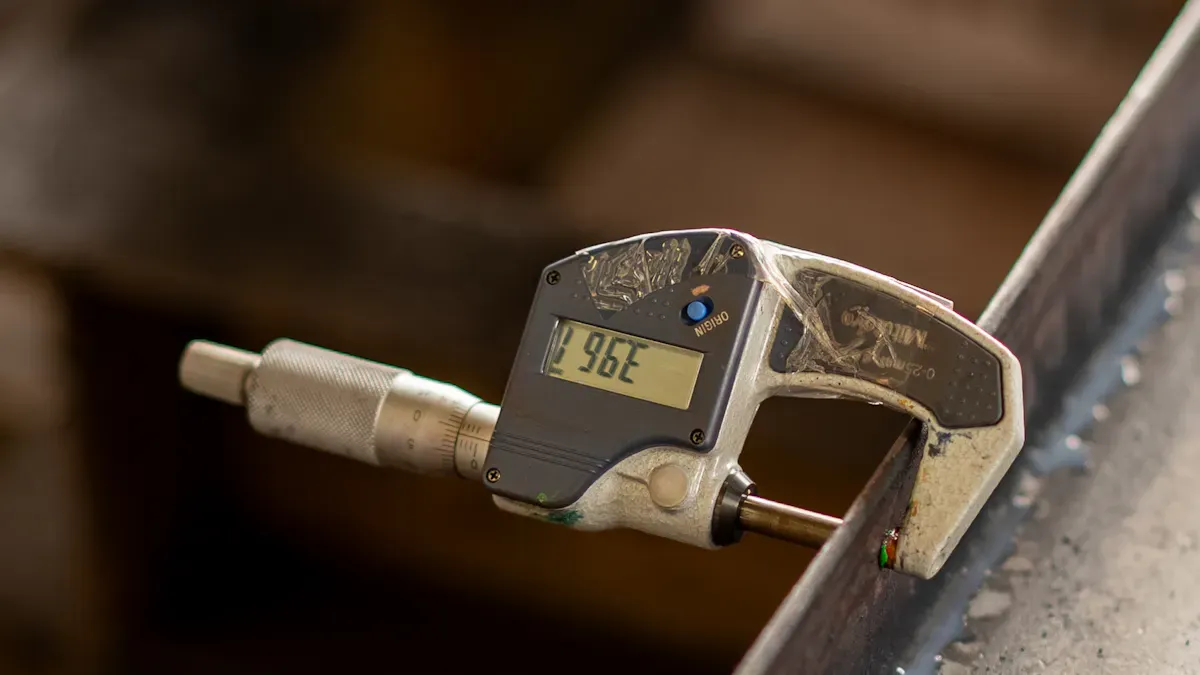
You should measure these properties often. Use digital scales and calipers to check weight and size. If you find a problem, stop the line and fix it before making more.
ISBM Machine Calibration
You must keep your ISBM (Injection Stretch Blow Molding) machine in top shape. Regular calibration helps you avoid uneven walls. Here are key steps:
Check the stretch rod alignment. If it is off, your tubing will not be even.
Make sure the mold lines up with the preform. This stops thickness changes.
Set the right speed for stretching. Too fast or too slow can cause problems.
Center each preform before starting the cycle.
You should create a checklist for these steps. Review it at the start of each shift. If you see any drift, recalibrate right away.
Mold Design and Setup
The mold shapes your PET tubing. A good mold gives you even walls. You need to keep the mold clean and free from damage. Check for wear or buildup after every run. Use a feeler gauge to measure gaps. If you find a problem, replace or repair the mold. Always follow the setup guide from the mold maker. This helps you keep your process stable and your tubing consistent.
Tip: Keep a logbook for mold checks and machine calibration. This helps you spot patterns and fix issues before they grow.
How to Maintain Wall Thickness Consistency
Temperature and Shrinking Process Control
You must control temperature to maintain wall thickness in PET heat shrink mass production. The right temperature helps the material melt and shrink evenly. If you set the temperature too high or too low, you risk uneven walls and weak spots.
Here is a table that shows the recommended temperature ranges for PET heat shrink processing:
Parameter | Temperature (°C) |
|---|---|
Start melting | 240 ± 2 |
Melting point | 254 ± 2 |
Parameter | Temperature (°C) |
|---|---|
Heat shrink range | 85 to 190 |
Optimal reflow range | 185 to 235 |
You should keep the process within these ranges. If you let the temperature fluctuate, you can cause defects. Uneven cooling rates change the wall thickness and create sink marks. These marks weaken the tubing.
Note: Temperature fluctuations during the injection molding process can lead to uneven cooling rates, which directly affect wall thickness uniformity. The analysis indicates that variations in wall thickness can result in defects such as sink marks, caused by the thermal expansion and contraction of materials. It is crucial to manage temperature and cooling rates to ensure uniform wall thickness and prevent defects.
You can use digital thermometers and thermal cameras to check the heat zones. Adjust the heaters and coolers often. This helps you maintain wall thickness and avoid costly mistakes.
Air Pressure and Stretch Rod Settings
Air pressure and stretch rod movement shape the tubing. You must set the air pressure to the right level. If you use too much pressure, the tubing stretches too thin. If you use too little, the tubing stays thick and uneven.
You should check the stretch rod settings before each batch. Make sure the rod moves smoothly and stays centered. If the rod sticks or moves off-center, you get uneven walls.
Follow these steps to keep the process stable:
Set air pressure according to the machine guide.
Test the stretch rod for smooth movement.
Adjust the rod position if you see any drift.
Record the settings in your logbook.
Tip: Use pressure gauges and sensors to monitor air flow. If you see sudden changes, stop the line and fix the issue. This helps you maintain wall thickness and keeps your tubing strong.
Real-Time Monitoring and Adjustments
You need to watch the process in real time. Use sensors and cameras to check the tubing as it forms. If you spot a problem, you can adjust the settings right away.
Here are tools you can use:
Laser micrometers measure wall thickness as the tubing leaves the mold.
AI inspection systems scan for defects and alert you to changes.
Digital logbooks track every adjustment and help you spot trends.
You should set strict tolerance controls. If the wall thickness moves outside the range, stop the process and fix it. This keeps your products safe and reliable.
Callout: Regular monitoring and quick adjustments help you maintain wall thickness. You protect your products and save money by catching problems early.
You can train your team to use these tools. When everyone knows how to check and adjust the process, you get better results. You maintain wall thickness and keep your production line running smoothly.
Troubleshooting and Preventive Actions
Common Causes of Inconsistency
You may notice that wall thickness sometimes changes during PET heat shrink production. Several common issues can cause this problem. The table below shows the main reasons and explains each one:
Cause | Explanation |
|---|---|
OFF-CENTER GATE | The injection molding gate must stay centered. If it moves, the wall thickness will follow the gate and become uneven. |
UNEVEN HEATING OR COOLING | If the preform heats or cools unevenly, one side can stretch more than the other. This makes one side thinner. Poor air flow often causes this. |
SMALL STRETCH RATIOS | If you do not stretch the material enough, some parts stay thick. This happens when the design does not allow full stretching. |
Tip: Check these areas first if you see changes in wall thickness.
Quick Fixes and Adjustments
When you find wall thickness problems, you can take quick steps to fix them. Try these actions right away:
Slow down the pull speed by 40-50%. For example, reduce from 1.5 ft/min to 0.8 ft/min.
Raise the die temperature by 15-20°C in all zones. For example, go from 165°C to 182°C.
Check the resin batch records. Make sure the catalyst was added. If you find a problem, remake the batch.
These steps help you maintain wall thickness and keep your production line running smoothly.
Preventive Maintenance
You can stop many problems before they start. Use these preventive actions:
Inspect the gate alignment every shift.
Calibrate heaters and coolers often.
Record all changes in a logbook.
Train your team to spot early signs of uneven stretching.
Schedule regular checks for stretch ratios and mold wear.
Callout: Preventive maintenance helps you avoid costly downtime and keeps your PET heat shrink tubing consistent.
By following these steps, you can maintain wall thickness and produce high-quality tubing every time.
You can make PET heat shrink tubing stay the same by using good habits. Look at your machines often and keep them clean. Watch how things are made while they happen. Change settings quickly if you see a problem. Pay attention to new rules in the industry. Teach your team what to do again and again.
Always trying to get better helps you make safer and stronger products.
FAQ
What tools help you measure wall thickness in PET heat shrink tubing?
You can use laser micrometers, ultrasonic gauges, or calipers. These tools give quick and correct measurements. Laser micrometers are best for checking during production.
How often should you calibrate your ISBM machine?
Calibrate your ISBM machine at the start of each shift. Also check it after big changes or if you notice wall thickness problems.
Why does temperature control matter in PET heat shrink production?
Temperature control keeps the material soft and easy to shape. If the temperature is wrong, you might get thin or weak tubing. Good control stops defects from happening.
What should you do if you find uneven wall thickness?
Stop the line right away. Check your machine settings, air pressure, and material quality. Make quick changes. Write down the problem in your logbook for later.
See Also
Selecting The Ideal Ultra-Thin PET Heat Shrink Tubing
Exploring FEP Tubing Featuring A 1.3:1 Shrink Ratio
Essential Insights On PET Heat Shrink Tubing For Electronics
The Importance Of Ultra-Thin PET Heat Shrink Tubing In Medicine
Comparing Medical Grade And Industrial Grade Heat Shrink Tubing

© Copyright 2024 My First Blog - All Rights Reserved.