What Is Low Shrinkage Temperature PET Heat Shrink Tubing for Medical Devices

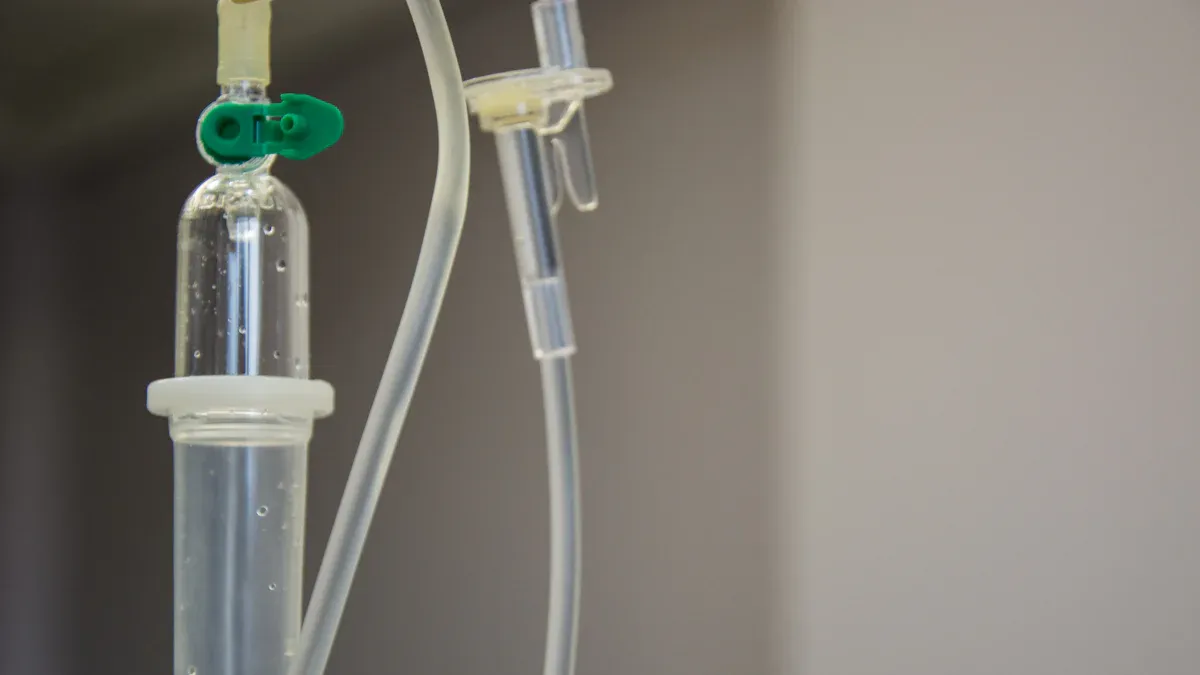
Low shrinkage temperature PET medical heat shrink tubing helps protect sensitive parts in medical devices. This tubing shrinks when heated between 275°F and 350°F. You can use it to cover delicate materials from heat and damage. Engineers and procurement professionals appreciate it because it provides strong protection from abrasion and impacts. Additionally, it helps cover and support flexible joints in medical applications.
Key Takeaways
Low shrinkage temperature PET heat shrink tubing keeps parts safe. It shrinks at temperatures from 275°F to 350°F.
This tubing gives strong insulation and protection. It is great for covering delicate materials. It does not hurt them during assembly.
PET tubing is biocompatible and can be sterilized. This makes it safe for devices that touch the body.
Using PET heat shrink tubing lets devices have thinner walls. This saves space but still keeps them strong and tough.
Picking PET tubing helps devices last longer. It can also save money when making medical devices.
Low Shrinkage Temperature PET for Medical Devices
What Is PET Heat Shrink Tubing
Polyester heat-shrink tubing, also called PET heat shrink tubing, is a special cover for medical devices. PET means Polyethylene Terephthalate. This material is a strong plastic. It is tough and does not bend easily. The way PET is made gives it great strength. When you use polyester heat-shrink tubing, it protects small parts inside medical devices. The tubing gets tight around parts when you heat it. This makes a safe and snug fit. Polyester heat-shrink tubing helps keep medical devices working well, even in tough places.
Low Shrink Temperature Range and Benefits
It is important to know the low shrink temperature of polyester heat-shrink tubing. This tubing starts shrinking at about 90°C (194°F). It works well up to 135°C (275°F). Some types can handle short bursts up to 200°C (392°F). This wide temperature range makes polyester heat-shrink tubing different from other materials like PVC. PVC only works up to 85°C. The low shrinkage temperature PET medical tubing keeps sensitive parts safe during assembly. You do not harm heat-sensitive materials, which is very important in medical device making. Because the tubing shrinks at lower temperatures, you can cover wires, sensors, and connectors safely.
Tip: If you use fragile or heat-sensitive parts, pick polyester heat-shrink tubing with a low shrink temperature. This helps keep your devices safe and working well.
Key Properties for Medical Use
Polyester heat-shrink tubing has many good features for medical devices. It gives strong insulation, protection, and lasts a long time. The tubing covers catheters and other device parts with a tough layer. Its very thin walls let you use more space inside the device. The tubing is strong and does not break easily. The low shrink temperature lets you build devices with heat-sensitive parts and keeps them safe.
Here is a table that shows important features of polyester heat-shrink tubing for medical use:
Feature | Description |
|---|---|
Component Protection | Gives a tough outer layer for catheter and device parts. |
Ultrathin Wall Thickness | Lets you use more space inside devices and keeps them strong. |
Superior Tensile Strength | Makes the tubing last and stand up to stress. |
Lower Shrink Temperature | Good for building with heat-sensitive parts and keeps them safe. |
Biocompatible | Safe for touching the body and meets medical rules. |
Polyester heat-shrink tubing also gives great insulation. It stops electrical problems and lowers the chance of short circuits. The tubing does not tear or break easily. You can clean and sterilize it many times without hurting it. It stands up to cleaning chemicals, which is needed in hospitals.
Non-toxic material lowers the chance of bad reactions.
Smooth surface helps stop germs from growing and keeps things clean.
Works well with the body, so it is good for catheters and sensors.
Polyester heat-shrink tubing can handle heat and stays stable. It works in very cold and hot places, from -196°C to 135°C. Your devices will work even in tough conditions. The tubing can handle over 4,000 V/mil, so it is safe for high-voltage medical devices. This lowers the risk of electrical problems in important places.
When you pick low shrinkage temperature PET medical tubing, you get quality, safety, and long-lasting use. Polyester heat-shrink tubing is trusted for making medical devices. It keeps small parts safe, keeps devices working well, and meets strict medical rules.
PET vs. Other Heat Shrink Tubing Materials
PET vs. Polyolefin
When you look at PET and polyolefin heat shrink tubing, you see they are different. PET tubing is very strong and keeps its shape well. It does not get scratched or stretched easily. You can use PET in hard places because it lasts a long time. PET can be cleaned many times, so medical devices stay safe. Polyolefin tubing is softer and not as tough. It works for simple jobs but does not protect as much as PET. If you want tubing that does not break or wear out fast, PET is the best pick.
Note: PET tubing is great for tough medical jobs because it is strong and does not get scratched.
PET vs. FEP and PTFE
FEP and PTFE are also used for heat shrink tubing. They both protect against strong chemicals. If you use acids or strong cleaners, FEP and PTFE keep your devices safer than PET. PET can handle some chemicals, but not the strongest ones.
Here is a quick comparison:
Material | Chemical Resistance | Temperature Range | Properties |
|---|---|---|---|
PET | Moderate | N/A | Strong, thin, stable |
FEP | Excellent | N/A | Great for harsh chemicals |
PTFE | Superior | Widest range | High stability, best for high heat |
If you need tubing for very hot places or strong chemicals, FEP or PTFE may be better. For most medical devices, PET gives good strength and safety.
Advantages in Medical Device Manufacturing
You get many good things when you pick PET heat shrink tubing for medical devices:
PET tubing is thinner than other types, so you can make smaller and lighter devices.
It is much stronger than most other tubing, so your devices stay safe.
You can use very thin walls and still have strong protection.
PET has the lowest shrink temperature, so you can cover delicate parts without hurting them.
PET is strong and thin, so it is worth the higher price for special medical devices.
If you want tubing that is thin, strong, and safe, PET is a great choice for making medical devices.
Applications in Medical Devices
Catheters and Medical Tubing
PET heat shrink tubing is used a lot in catheters. The walls are very thin, so catheters stay small and bend easily. This tubing gives good protection and insulation. Doctors use it for heart and blood vessel treatments. The tubing does not make catheters bigger, so they are simple to use.
Insulation and Protection
PET heat shrink tubing keeps wires and sensors safe in medical devices. It protects sensitive parts from dust, water, and bumps. This helps your devices last longer and work better. The tubing can handle heat, so it protects electronics during cleaning.
Sealing and Strain Relief
You use PET heat shrink tubing to seal parts in catheters and other devices. The tubing makes a tight seal that blocks germs and dirt. It also helps wires and tubes stay together and not break. This is important for pumps and monitors.
Tube Joining and Bonding
When you need to connect two tubes, PET heat shrink tubing helps make a strong join. The tubing shrinks and fits tight, so leaks do not happen. It can be cleaned many times, so your devices stay safe.
Benefit | Description |
|---|---|
Tight Seal | Stops leaks between tubes |
Heat Resistance | Handles cleaning without getting weak |
Better Performance | Keeps medical devices safe and working well |
Marking and Identification
You can use PET heat shrink tubing to label catheters and wires. The clear tubing lets you see labels easily. This helps you keep track of parts in your devices.
Tip Forming and Micro Hose Clamps
PET heat shrink tubing shapes the ends of catheters. The tubing makes smooth, strong tips for safe use. You can also use it to hold small parts in place like a tiny clamp.
Masking in Manufacturing
During making, PET heat shrink tubing covers parts of catheters. The tubing protects spots that should not get coated. This keeps your devices clean and safe.
Tip: PET heat shrink tubing helps you make safe catheters and devices. Its thin walls and low shrink temperature protect sensitive parts and make your job easier.
You get many good things when you pick low shrinkage temperature PET medical heat shrink tubing. It keeps electricity from leaking out. It stands up well to chemicals. It is also very strong and hard to break.
Property | Value |
|---|---|
Electrical Insulation | Excellent |
Chemical Resistance | Strong |
Mechanical Strength | High |
This tubing meets tough medical rules. It works well for a long time. It helps keep delicate devices safe. It can also help save money over time. Think about using PET tubing for your next medical device project.
FAQ
What makes PET heat shrink tubing good for medical devices?
You get strong protection and a thin wall. PET tubing shrinks at low temperatures. This keeps delicate parts safe. You can use it for many medical device needs.
Can you sterilize PET heat shrink tubing?
Yes, you can sterilize PET tubing. It stands up to steam, chemicals, and radiation. You keep your devices clean and safe for use.
How do you use PET heat shrink tubing?
You slide the tubing over the part you want to cover. Then you heat it gently. The tubing shrinks and fits tightly. You get a secure and neat finish.
Is PET heat shrink tubing safe for the body?
PET tubing is biocompatible. You can use it in devices that touch the body. It meets medical safety standards.
What sizes does PET heat shrink tubing come in?
You can find PET tubing in many sizes. It fits small wires or large tubes. You choose the size that matches your device.
See Also
The Importance of Ultra-Thin PET Tubing in Healthcare Devices
Key Uses of Ultrathin PET Heat Shrink Tubing in Medicine
New Developments in FEP Heat Shrink Tubing for Healthcare
The Significance of Gamma Resistant Heat Shrink Tubing in Medicine
Essential Insights on PET Heat Shrink Tubing for Electronics

© Copyright 2024 My First Blog - All Rights Reserved.