Low-profile nitinol tubing reduce crossing profile for easier device use

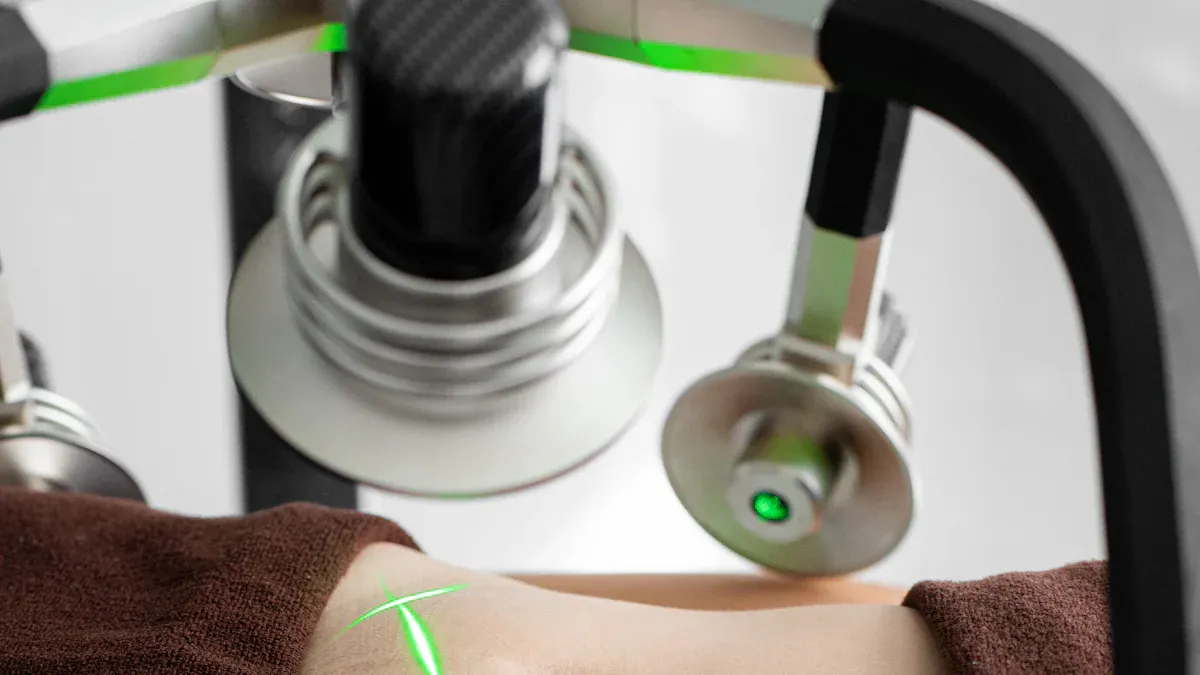
You can see how low-profile nitinol tubing reduces crossing profile in medical devices. This innovative approach allows devices to pass through tight or curved vessels with less effort. Thanks to nitinol’s unique properties, the tubing can have thinner walls while maintaining strength. New designs focus on making devices smaller and easier to use. These improvements lead to smoother procedures and better outcomes.
Key Takeaways
Low-profile nitinol tubing helps devices move through tight or curved blood vessels more easily. This makes treatments work better.
A smaller crossing profile lowers the chance of hurting blood vessel walls. This makes procedures safer and helps patients get better results.
Nitinol has special features like superelasticity and corrosion resistance. These make it a better choice for medical devices. It helps them work well and stay safe.
Devices with low-profile nitinol tubing can cause fewer problems. Patients may also heal faster.
More doctors are using nitinol in medical devices. This is changing how heart and blood vessel problems are treated. Procedures are now less invasive and work better.
Crossing Profile in Medical Devices
Definition and Importance
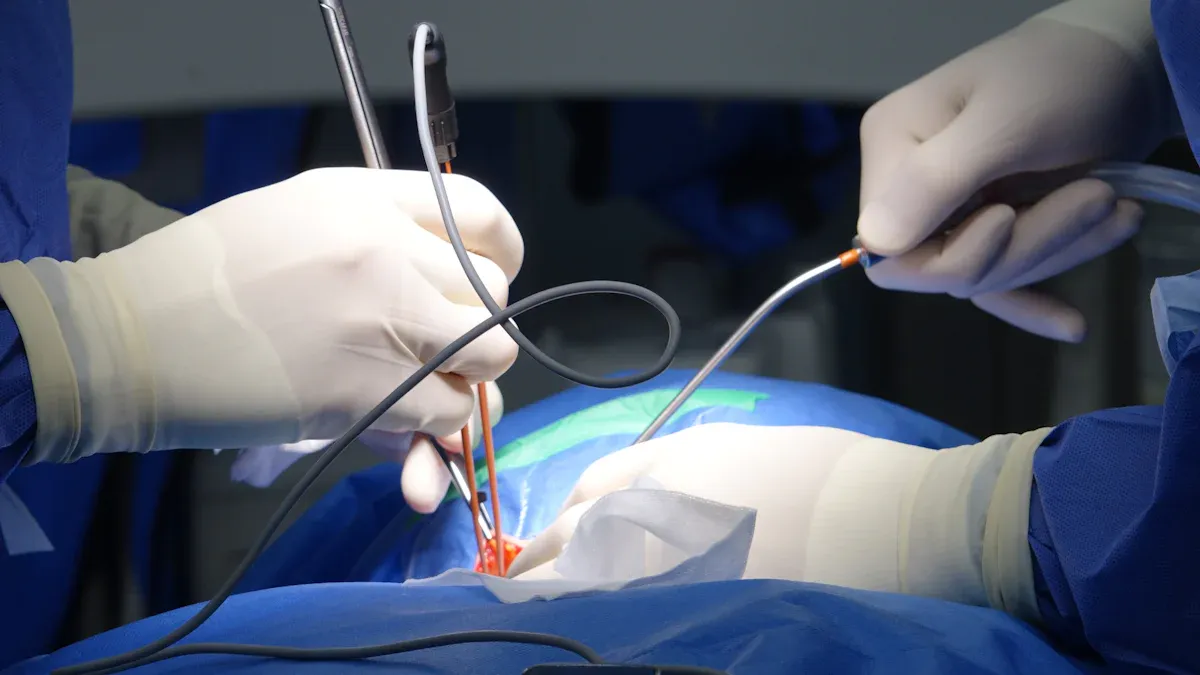
You might ask what "crossing profile" means for medical devices. Crossing profile is the outside width of a device, like a stent or catheter, as it moves inside your blood vessels. If the crossing profile is lower, the device is thinner. This helps it move through tight or curved spaces with less trouble. Doctors need this when they treat blocked or narrow vessels.
A lower crossing profile helps protect your blood vessel walls. It also lets the device move more easily through hard or tough spots.
Here is a table that explains why crossing profile is important in device design:
Factor | Explanation |
|---|---|
Buckling Resistance | The device must stay stiff and not bend in tight places. |
Blood Vessel Wall Trauma | The design should keep your vessel walls safe, even in hard areas. |
Navigation through CTOs | The device must move safely through blockages without hurting the vessel wall. |
Impact on Device Performance
A smaller crossing profile can really help a device work better. Devices with a lower profile can reach blockages more easily and fit into smaller vessels. For example:
A smaller crossing profile is needed to reach lesions.
Balloons that fold tightly help the device go in and stay in place.
Catheters with tight folds, like Maverick and EasyT, work better in hard cases.
The table below shows the crossing profiles of some popular stents:
Stent Type | Crossing Profile (mm) |
|---|---|
D+Storm® DES | 0.93 |
Synergy™ | 0.96 |
Orsiro® | 0.96 |
Xience Sierra™ | 1.02 |

Devices with a lower crossing profile, like the D+Storm® DES, can get into tight spots more easily and help doctors do better procedures.
Patient Outcomes
When doctors use devices with a lower crossing profile, patients usually do better. Studies show these devices cause fewer problems and work more often. For example, one study found that lower-profile sheaths lowered big blood vessel problems from 10.5% to 0.5%. The number of life-threatening or major bleeding cases also dropped from 8.3% to 3.4%.
Another study looked at patients who got carotid artery stents with a low crossing profile. The results showed no big difference in major bad events, even for patients with high risks. This means using devices with a lower crossing profile can help more people, even those with tricky blood vessels.
You can see that nitinol is important for making these lower profiles in medical devices. Its special features let devices be thinner, stronger, and more bendy. This makes treatments safer and work better.
Low-profile nitinol tubing reduce crossing profile
Nitinol Material Properties
Nitinol is a popular metal for medical tubing. It is made from nickel and titanium mixed together. This mix gives nitinol special powers. Nitinol can bend and stretch, but it always goes back to its shape. Doctors use this when they need to move devices in tight or curved vessels.
Nitinol makes a layer that protects it from damage. This layer stops rust and keeps the tubing safe inside your body.
Here is a table that lists nitinol’s main features:
Property | Description |
|---|---|
Superelasticity | Tubing goes back to its shape after bending or stretching. |
Shape Memory | Tubing can change shape and then return to normal. |
Corrosion Resistance | Tubing does not rust or break down, so it is safe for medical use. |
Nitinol is safe for your body. It does not cause much swelling or rejection. Special treatments like electropolishing make it even safer. Nitinol works better than stainless steel in moving parts of the body. You get fewer problems and heal faster.
Thin Wall Design
Low-profile nitinol tubing uses thin walls to make the crossing profile smaller. Companies use seamless tube drawing and gun-drilling to make thin walls. Cold working makes the walls even thinner but still strong. These ways help the tubing fit into small spaces and stay tough.
Seamless tube drawing shapes the tubing and keeps it bendy.
Gun-drilling makes the inside of the tubing smooth and even.
Cold working makes the walls thinner and stronger.
Thin walls let the tubing bend more easily. Devices can move through tight spaces and around curves. Thin wall nitinol tubing makes it easier for doctors to put stents and catheters through microcatheters. This helps you get safer and better treatments.
Thin wall nitinol tubing lets devices be smaller but still work well. Doctors can move them better and hurt you less during surgery.
Superelasticity and Flexibility
Superelasticity helps when doctors use low-profile nitinol tubing. Nitinol can bend and stretch a lot and still go back to its shape. This is important for moving through tricky blood vessels.
Nitinol tubing can stretch up to 4% and keep its shape.
You get less painful procedures because the tubing fits your body.
Flexible tubing causes less harm and helps you heal faster.
Nitinol tubing is better than stainless steel or plastic tubes. It is more bendy and easier to push. Guidewires made with nitinol have a soft tip and a stiff body. This helps doctors move through twisty vessels and stay in control. Braided nitinol wires are used in brain implants for hard vessel shapes. Electropolished nitinol wires are safer and help you heal.
Superelasticity and flexibility in nitinol tubing help doctors reach hard spots. You get safer surgeries and better results.
Low-profile nitinol tubing makes the crossing profile smaller by using thin walls, superelasticity, and special material features. Devices move easily, fit in small places, and help doctors treat tough cases. Nitinol tubing keeps getting better for patients and doctors.
Benefits of nitinol in medical devices
Easier Navigation
Nitinol makes medical devices easier to use inside the body. Many stents, microcatheters, and guidewires use nitinol tubing. Nitinol bends and flexes but does not break. This helps doctors move devices through narrow or twisted blood vessels.
Nitinol gives devices more control and flexibility. Doctors can reach hard-to-access places.
Stents made with nitinol move smoothly in the brain or heart.
Guidewires with nitinol tubing do not kink. Doctors can steer them through tight curves.
Shape memory and superelasticity help devices move through small, winding vessels.
Doctors use nitinol-based devices to treat tough vessel shapes more easily. This means more people get help with fewer problems during procedures.
Enhanced Safety
Nitinol helps keep medical procedures safe for patients. Superelasticity lets devices stretch and bend as the body moves. This lowers the risk of breaking or not working during a procedure. Nitinol stents keep the vessel flexible and allow natural movement.
Sometimes nitinol devices can cause nickel-related reactions. These may include skin itching or breathing problems. These reactions are rare, but doctors watch for them. Most patients do not have any issues. The benefits of nitinol are usually greater than the risks. Nitinol tubing also lowers the chance of vessel injury. This means fewer problems and better healing.
Procedural Efficiency
Nitinol helps make medical procedures faster and more successful. Its flexibility and strength let doctors do less invasive surgeries. Self-expanding stents made from nitinol fit the body and keep vessels open. This helps patients recover faster and feel better sooner.
Nitinol’s shape memory lets devices stay small and compact. When the device warms up, it expands to full size. This makes it easier to use and saves time in the operating room. Studies show nitinol stents with thin designs cause less vessel injury. They also lower the risk of the vessel narrowing again.
Here is a table showing how nitinol affects healthcare costs and resources:
Description | Impact on Healthcare Costs |
|---|---|
Nitinol improves the function of medical devices like stents and microcatheters. | Fewer problems mean lower costs for hospitals and patients. |
More minimally invasive procedures use nitinol devices. | Hospitals use resources better. |
Research makes nitinol devices even better. | Faster recovery and less time in the hospital save money. |
Nitinol-based medical devices help doctors work faster and safer. Patients get better results.
Low-profile visualized intraluminal support
Device Examples
Many medical devices use low-profile visualized intraluminal support. These devices help doctors fix blood vessel problems in the brain and body. The LVIS device is special because it makes endovascular treatments last longer. It works well for vertebral and basilar artery aneurysms. The LVIS device is made for wide-necked intracranial aneurysms. It has a self-expanding, braided stent made of nitinol. This design gives more metal coverage than older stents.
Here are some devices that use low-profile visualized intraluminal support:
LVIS device for wide-necked aneurysms
LVIS EVO stent for better flexibility and seeing during surgery
Self-expanding nitinol stents for brain and neck vessels
These devices have a braided design. This makes them more flexible and easier to put in place. Tantalum markers help doctors see the device during surgery. The device fits your vessel and moves with your body, so you get better results.
Feature | LVIS Device (Nitinol) | Other Devices (e.g., Enterprise) |
|---|---|---|
Design | Braided design | Closed cell pattern |
Compliance | More compliant and flexible | Increased rigidity |
Visualization | Enhanced visualization with tantalum markers | Standard visualization |
Material Properties | Nitinol, offering flexibility | Stainless steel, less flexible |
Clinical Applications
Low-profile visualized intraluminal support helps in many clinical cases. Doctors use these devices for wide-necked aneurysms and tough vessel problems. The LVIS EVO stent works in 99.3% of cases. After surgery, 75.5% of aneurysms close right away. At follow-up, 86.8% stay closed. Only 7.4% of patients have problems, and 1.8% have lasting effects.
Doctors pick these devices based on your vessel size and aneurysm shape. You can get these devices if your aneurysm neck is 4 mm or bigger. The dome-to-neck ratio should be less than 2. Your parent vessel must be between 2.0 mm and 4.5 mm wide. You need to be at least 18 years old.
Criteria Type | Specification |
|---|---|
Neck Width | Greater than or equal to 4 mm |
Dome-to-Neck Ratio | Less than 2 |
Parent Vessel Diameter | Between 2.0 mm and 4.5 mm |
Age Requirement | Individuals greater than or equal to 18 years of age |
Low-profile visualized intraluminal support gives you safer surgeries and better results. Doctors can treat harder cases with fewer risks. You heal faster and have fewer problems after surgery.
Low-profile nitinol tubing makes medical procedures easier for you. You notice that devices move better and you heal faster. This is because nitinol is flexible and works well in the body.
Devices with nitinol tubing hurt you less when doctors put them in. They help you get better results.
Self-expanding stents made from nitinol have changed how doctors treat heart diseases.
The market for medical devices is growing fast as more doctors use nitinol for new treatments.
You have fewer problems and get well quicker with these new devices.
Medical research keeps finding new ways to help with heart and blood vessel problems.
Experts think that very pure nitinol will help make even better medical devices in the future.
FAQ
What is an intracranial aneurysm?
Doctors sometimes talk about intracranial aneurysms. This is a weak spot in a blood vessel in your brain. The vessel bulges out and can be dangerous if it bursts. Doctors use special devices to fix these aneurysms.
How do flow diverters help with aneurysm treatment?
Flow diverters are used to treat intracranial aneurysms. These devices move blood away from the aneurysm. This helps the vessel heal and lowers the chance of bleeding. You can get better results with this treatment.
What is a flow redirection endoluminal device?
If you have an intracranial aneurysm, you might get this device. It sits inside your blood vessel and changes how blood moves. This helps close the aneurysm and keeps you safer during treatment.
Why is biocompatibility important for intracranial aneurysm devices?
Biocompatibility means the device works well with your body. Good biocompatibility lowers swelling and helps your vessel heal. This is important after aneurysm treatment.
How do doctors measure aneurysm occlusion rate?
Doctors check how well your aneurysm closes after treatment. They call this the aneurysm occlusion rate. A high rate means the aneurysm is sealed. Devices like flow diverters and flow redirection endoluminal devices help raise this rate.
Tip: Ask your doctor about laser-cut tubing. It can help with treating intracranial aneurysms.
Device Type | Used For | Main Benefit |
|---|---|---|
Flow diverter | Intracranial aneurysms | Changes blood flow |
Flow redirection endoluminal device | Intracranial aneurysms | Helps close aneurysm |
See Also
Nitinol Tubing's Impact on the Future of Medical Devices
Understanding Nitinol Tubing Uses in Healthcare Innovations
The Importance of Nitinol Tubing in Minimally Invasive Surgery
The Manufacturing Process of Nitinol Tubing for Healthcare
Nitinol Tubing's Contribution to Progress in Medical Technology

© Copyright 2024 My First Blog - All Rights Reserved.