Top Tips for Installing Micro-diameter Shrink Tubing Without Damaging Wires

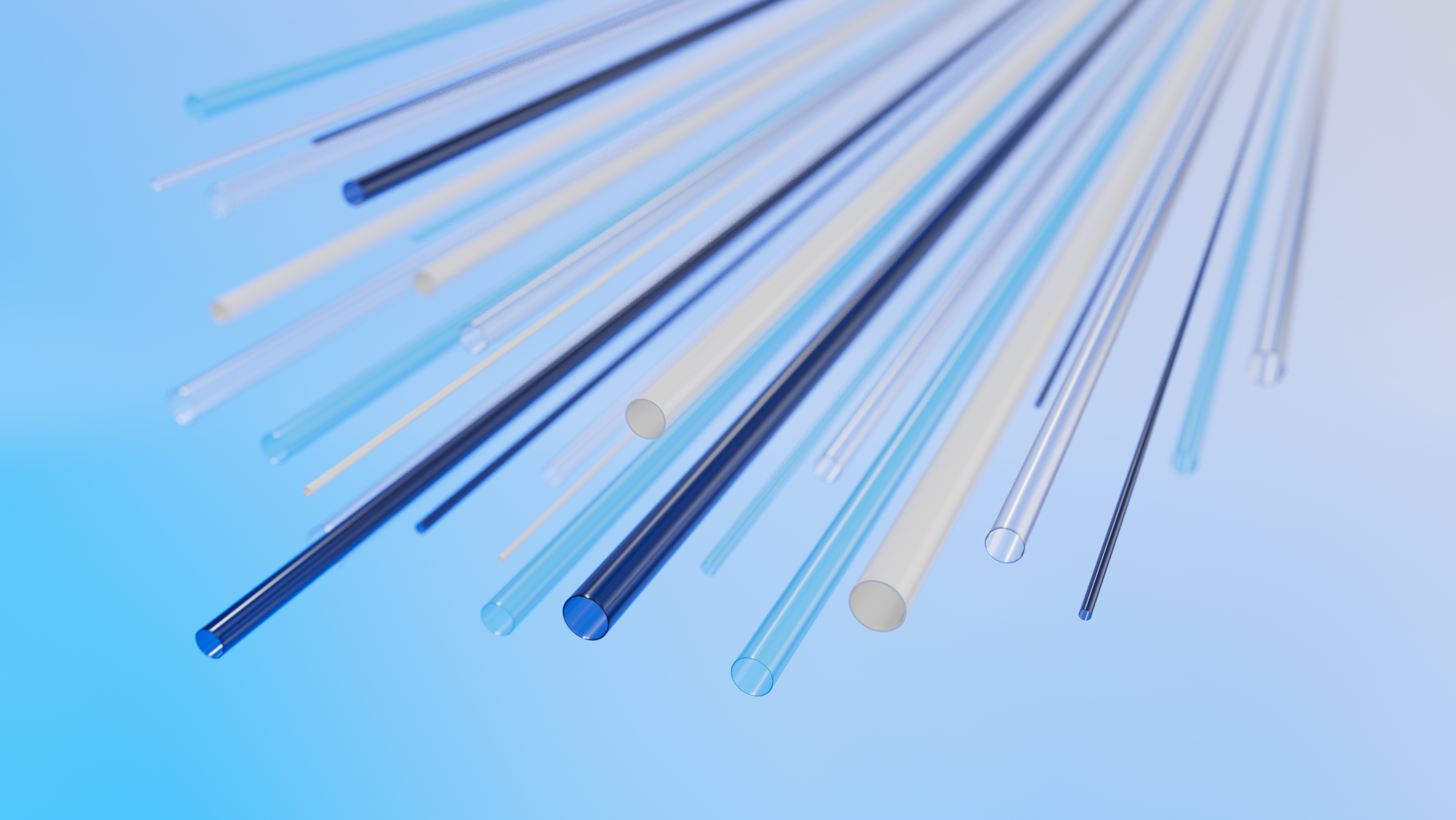
When you protect wires with Micro-diameter Shrink Tubing, pick the correct size. Use careful heat when you put it on. Some people guess the size and make mistakes. This can cause the tubing to be too loose or break. You can stop damage by using good tips and tricks. These steps help make installing shrink tubing safe and work well.
Key Takeaways
Always pick the correct size of micro-diameter shrink tubing. A good fit stops gaps and makes insulation strong.
Clean and check wires before you put on tubing. This helps stop weak insulation and wiring problems.
Use a heat gun to shrink tubing evenly. It gives more control than lighters and helps keep wires safe.
Choosing the Right Size and Type
Micro-diameter Shrink Tubing Selection
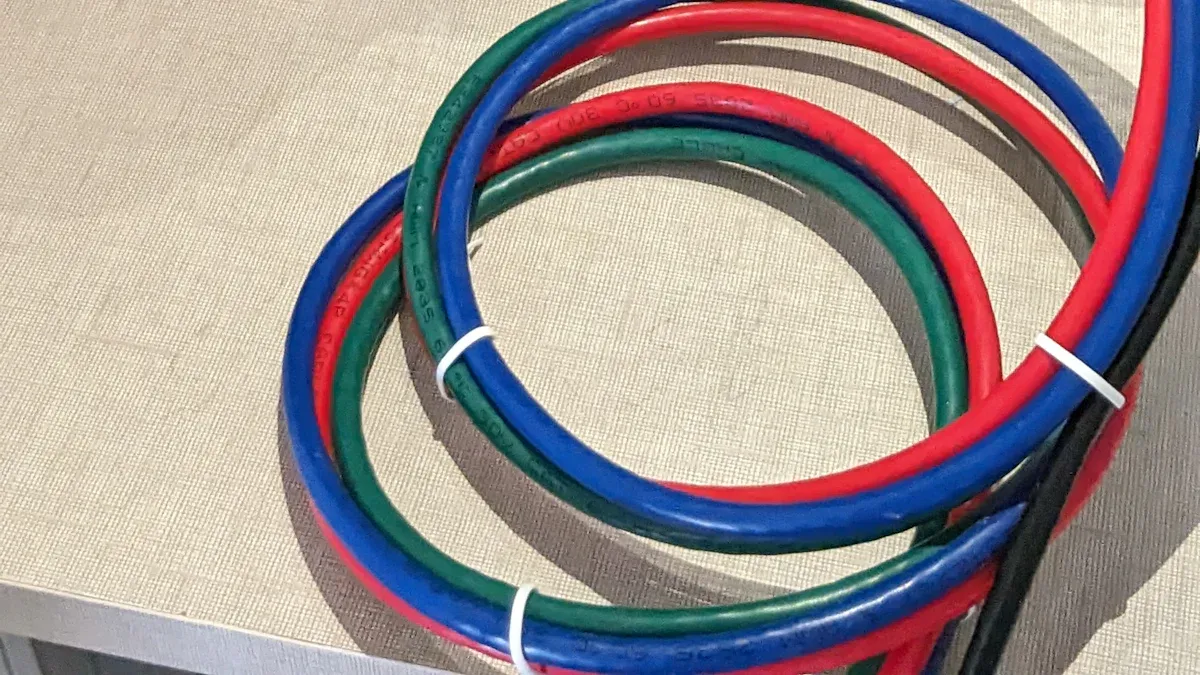
It is important to pick the right size and type of micro-diameter shrink tubing for your wires. If the tubing is too small, it will be hard to put on. This can slow you down and might hurt the wire. If the tubing is too big, it will not stay in place. It could slip off or leave open spots, which can cause trouble later. To stop these problems, always use the right size of heat shrink tubing.
Leave about a 20% space between the wire and the tubing hole.
For example, if your wire is 4mm wide, use a 5mm tube.
Make sure the tubing covers the bare part of the wire. This helps block gaps and gives better insulation.
You should also check the shrink ratio. A higher shrink ratio lets the tubing fit tightly on many shapes and sizes. This makes a strong seal and keeps out dust and water. Micro-diameter shrink tubing comes in different types. You can get single-wall, dual-wall, stress control, and high-temperature tubing. Each one is best for a certain job.
Type | Material | Key Features | Best Use Case |
|---|---|---|---|
Single-Wall Tubing | Polyolefin, PVC | Basic insulation and abrasion protection | Indoor applications, basic insulation |
Dual-Wall Tubing | Polyolefin + Adhesive | Waterproof, moisture-resistant | Outdoor applications, industrial environments |
Stress Control Tubing | Polyolefin, PTFE | Prevents mechanical stress at joints | High-vibration or strain-sensitive environments |
High-Temperature Tubing | PTFE, Silicone | Withstands extreme temperatures | Automotive, aerospace, and industrial applications |
Material Compatibility
You need to match the tubing material to your wires and where you use them. Some heat shrink tubing works better with certain wire coatings. For example, PTFE and polyolefin can handle high heat and give good electrical results. Polyolefin also works well in many places. PE is strong but only gives okay electrical results. PVC does not work well in hot or rough places.
Material Type | Temperature Resistance | Electrical Performance | Mechanical Strength | Environmental Adaptability |
|---|---|---|---|---|
PTFE | High | High | High | Good |
Polyolefin | High | High | Moderate | Excellent |
PE | Moderate | Moderate | High | Good |
PVC | Low | Moderate | Low | Poor |
When you use the right size and material for your heat shrink tubing, you keep your wires safe and make the tubing last longer. Always check the thickness and type of your heat shrink tubing to get the best insulation.
Preparing Wires for Heat Shrink Tubing
Cleaning and Inspecting Wires
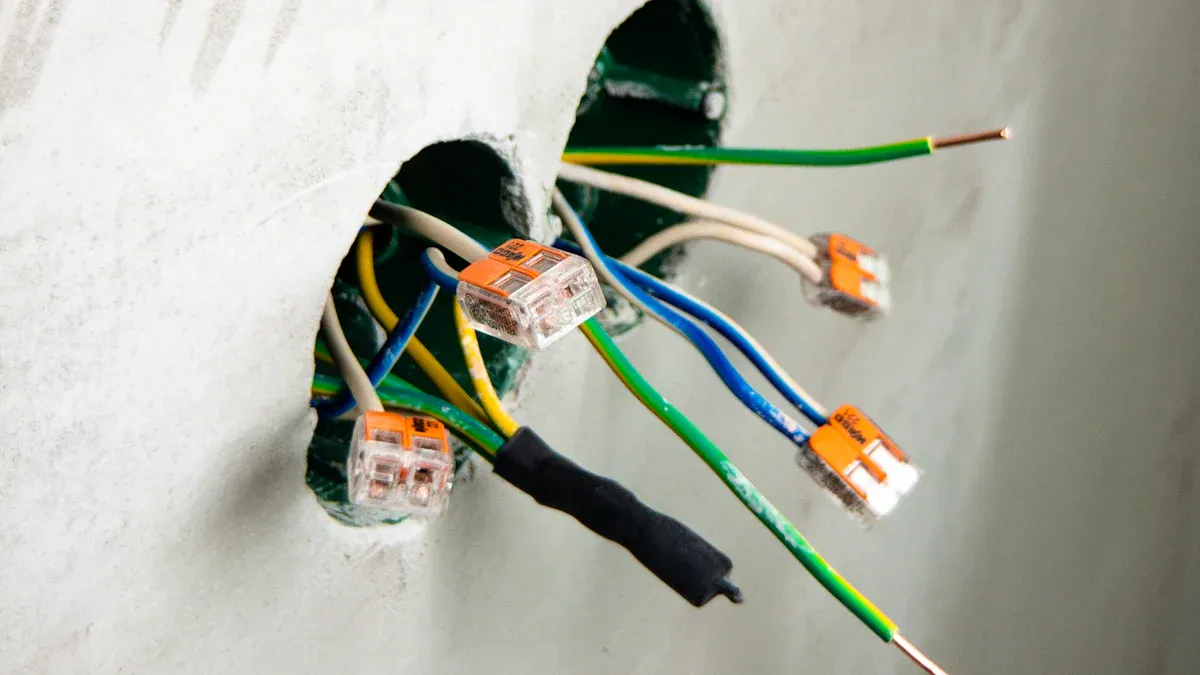
You should clean your wires before using heat shrink tubing. Dirt, grease, or rust can make insulation weak. This can cause wiring problems. Use isopropyl alcohol to wipe the wires. Make sure you get rid of all dirt and let them dry. Check the wires for any damage before you start. Here is a table with ways to clean wires:
Method | Description |
|---|---|
Passivation | A chemical process that cleans and treats the surface, slightly dissolving it. |
Electro Polishing | Improves surface finish by 2X, enhances shine, and slightly dissolves the surface to create a finish. |
Look closely at the wires for cracks or cuts. Watch for any metal showing. If you want to see the connection later, use clear tubing. Make sure the tubing covers all bare wire. Good cleaning and checking help your insulation last longer.
Step | Description |
|---|---|
1 | Clean all surfaces with isopropyl alcohol |
2 | Remove oxidation, grease, and contaminants |
3 | Ensure wires are dry before application |
4 | Inspect for damage or defects |
Tinning Conductors for Secure Connections
Tinning the conductors helps you get a better connection. It also makes putting on heat shrink tubing easier. You put solder on the wire before sliding on the tubing. This step keeps the wire from fraying and gives strong insulation.
Tinning puts most of the solder and heat into the wire before you add the shrink tube. You only need a little more solder after the tube is on. This last part is quick, so the tubing does not shrink too soon.
Tinning makes the joint strong and protects the wire. It also helps the tubing shrink evenly and stay tight. If you get your wires ready, your heat shrink tubing will work better and last longer.
Measuring and Cutting Tubing
Accurate Measurement Techniques
You must measure carefully when using micro-diameter shrink tubing. First, check the width of your bare wire or cable jacket. Find the widest spot the tubing needs to fit over. This helps you avoid mistakes and keeps wires safe. Here are steps for measuring and cutting tubing:
Figure out the shape of what you will cover. Measure the wire’s width and any parts the tubing will go over.
Work out the needed inside width before shrinking. Multiply the space you need by 1.20. This gives you the smallest tubing size before it shrinks.
Find the tightest fit after shrinking. Multiply the wire’s width by 0.80. This tells you how small the tubing will get.
These steps help you pick the right tubing and stop gaps or loose fits. Use a ruler or caliper to get the best measurements. Always check your numbers before you cut.
Tip: Write your numbers down before you cut the tubing. This helps you not make mistakes or waste tubing.
Preventing Frayed or Uneven Edges
Cutting tubing straight is important. Use sharp scissors or a special cutter. Dull tools can make the ends rough or messy. Hold the tubing still and cut in one quick move. If the ends look rough, trim them again. Smooth cuts make it easier to put on the tubing and help it shrink right.
A cutting mat can help keep your area neat. Do not twist or pull the tubing while you cut. Clean edges keep wires safe and make your work look nice. When you measure and cut tubing well, you protect wires and help the tubing last longer.
Installing Heat Shrink Tubing Safely
Gentle Handling and Positioning
Be gentle when you touch micro-diameter heat shrink tubing. If you pull or bend it too hard, it can rip or stretch. Slide the tubing over the wire slowly and do not push too hard. Make sure the tubing is in the right place before you use heat. When you cut the tubing, remember it will get a little shorter after shrinking. Stay away from sharp things that could poke holes in the tubing. Putting the tubing in the right spot helps it fit tight and stops gaps.
Tip: If you do not know the size, look at the expanded diameter and recovered diameter in the tubing’s details. This helps you pick the best size for a tight fit.
Using a Heat Gun for Even Shrinking
A heat gun is the best tool for shrinking heat shrink tubing. It gives steady heat and makes the tubing shrink evenly. Heat guns work better and safer than lighters or flames. You can change the heat to match the tubing material. This keeps the wire safe and makes your work look neat.
Here are steps to put on heat shrink tubing without hurting wires:
Pick tubing that fits your wire or part.
Slide the tubing gently so it covers all bare wire.
Set the heat gun to the right temperature for your tubing.
Hold the heat gun 2–3 inches away from the tubing.
Move the heat gun around the tubing to heat it all over.
Watch the tubing shrink and make a tight seal.
Let the tubing cool down before you touch or move the wire.
Heat Source | Safety Level | Effectiveness Level |
|---|---|---|
Heat Gun | High | High |
Lighter | Low | Medium |
Open Flame | Low | Low |
Material Type | Typical Shrink Temperature | Key Characteristics |
|---|---|---|
Polyolefin | 90°C – 125°C (194°F – 257°F) | Most common, works well, good for many uses. |
PVC | 100°C – 135°C (212°F – 275°F) | Cheaper, not as bendy, can break in cold. |
Viton™ | 175°C (347°F) | Handles high heat, strong against chemicals. |
Note: Always check the tubing’s temperature rules. Too much heat can melt the wire cover. Not enough heat can make the tubing loose.
Holding Tubing Ends to Prevent Stress
Hold both ends of the tubing still while you heat it. This stops the tubing from moving or stretching as it shrinks. If you solder wires, let them cool before you put on heat shrink. Do not use superglue after soldering. Superglue has chemicals that can hurt plastics and circuit boards. It can leave white marks and make your work weaker.
Don’t use cyanoacrylate glue! It is not safe for most electronics. Unless you are sure, do not use it.
Experts say you should use the right size and heat for the best results. You need to know how cable size, tube size, and shrink ratio work together. This helps you install tubing the right way and keeps wires safe.
Key things to think about:
Cable or Part Size: Pick tubing with an expanded diameter big enough to go over the part, but small enough to shrink tight.
Shrink Ratio: Bigger shrink ratios help with odd shapes.
Working Temperature: Make sure the tubing can handle the heat during and after installation.
Environment: Think about chemicals, sunlight, water, or rubbing.
If you follow these steps, you keep your wires safe and make your work look good. You also help your project last longer and keep your wiring safe.
Troubleshooting and Inspection
Common Installation Mistakes
You may see problems after installing shrink tubing. These problems can make your wiring less safe. You should look for signs that show the tubing did not shrink right. Here is a table to help you spot these issues:
Indicator | Description |
|---|---|
Incomplete shrinkage | Tubing does not fully conform to the wire. |
Poor adhesion | Tubing is not securely attached to the wire. |
Presence of air bubbles | Bubbles indicate improper installation. |
If you see any of these signs, you should fix them before using the wire. Always check your work after you finish. Good inspection helps you catch mistakes early.
Fixing Gaps, Bubbles, and Wire Exposure
You can fix many small problems with shrink tubing. Here are some steps you can try:
Make sure the wire is dry before you put on the tubing.
Apply heat evenly to push out any trapped air.
Check for gaps or bubbles while the tubing is still warm.
Squeeze the tube gently to help it stick to the wire.
If you find big gaps, bubbles, or exposed wire, replace the tubing for a better seal.
Tip: Careful inspection and repair keep your wiring safe and strong. Do not ignore small problems. They can cause bigger issues later.
You should always take your time when you install and check shrink tubing. This helps your project last longer and work better.
You can put on micro-diameter shrink tubing safely if you do these things:
Keep the tubing in a cool, dry place so it stays good.
Look at your wires before you start to see if they are damaged.
Pick tubing that works well where you will use it.
Heat the tubing evenly and do not hold the heat gun too close.
Check your work often to make sure it will last a long time.
Safety tip: Wear gloves and work where there is fresh air.
FAQ
How do you know if you picked the right size shrink tubing?
Measure your wire. Choose tubing with an expanded diameter just larger than the wire. It should shrink tightly without gaps.
Can you use a lighter instead of a heat gun?
You should not use a lighter. It can overheat the tubing and damage wiring. A heat gun gives you better control and safety.
What should you do if the tubing does not shrink evenly?
Apply heat slowly and move the heat gun around the tubing. This helps the tubing shrink evenly and prevents weak spots.
See Also
Key Guidelines for Effectively Utilizing FEP Heat Shrink Tubing
Applications of Heat Shrink Tubing for Electrical Wire Insulation
Comprehensive Guide to Selecting Proper Heat Shrink Tubing Size
Selecting Ideal Ultra-Thin PET Heat Shrink Tubing for Projects
Essential Information on PET Heat Shrink Tubing for Electronics

© Copyright 2024 My First Blog - All Rights Reserved.