What Is a Wire Harness in In-Vitro Diagnostic IVD Devices and Why Does It Matter

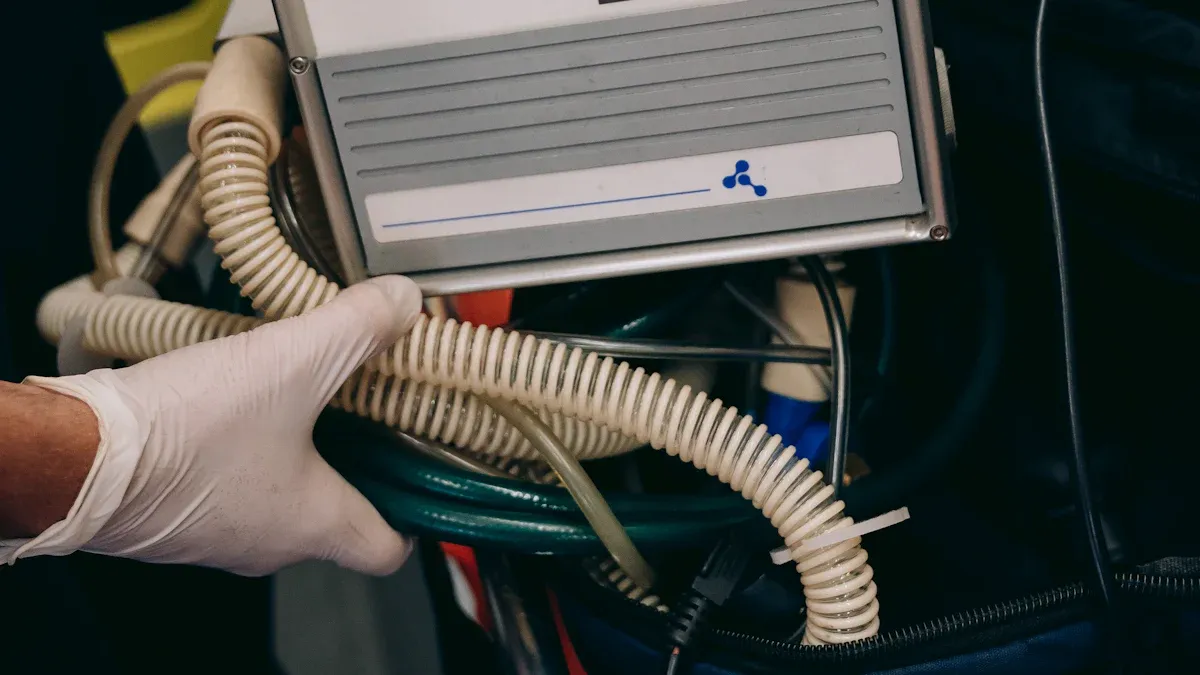
An in-vitro diagnostic IVD device wire harness is a group of wires. These wires are bundled together. They connect and power the inside parts of your medical device. You need wire harnesses to keep signals correct. They also help keep devices safe. Medical wire harnesses use materials that are safe for the body. They follow strict quality rules. They meet ISO 13485 and IEC 60601 standards. The table below shows how they make devices safer and more reliable:
Aspect | How Wire Harnesses Help |
|---|---|
High-Quality Materials | Non-toxic, sterilizable wires protect patients |
Risk Reduction | Redundant design lowers chances of misdiagnosis |
Compliance | Meets strict medical standards for critical care |
Durability | Resists harsh conditions to prevent device failure |
Signal Accuracy | Ensures signals stay clear and accurate |
Key Takeaways
A wire harness links and gives power to parts in in-vitro diagnostic devices. This helps the devices work right and stay safe. - Good materials in wire harnesses lower the chance of device problems and wrong test results. This keeps patients safer. - Testing wire harnesses often helps find weak spots. It also makes sure they meet safety rules. - Picking the best wire harness design makes signals clear. This helps tests be correct and medical tools work well. - Following rules like ISO 13485 and IEC 60601 is very important. These rules help keep medical devices safe and working right.
In-Vitro Diagnostic IVD Device Wire Harness: Definition and Role
What Is a Wire Harness in IVD Devices
A wire harness in an in-vitro diagnostic IVD device is like the body’s nerves. It brings wires, connectors, and terminals together in one neat group. This group helps power and connect the inside parts of your device. Using a wire harness lets signals and power move easily. This helps your device work the right way.
A medical wire harness does more than just hold wires. It has many parts that work together as a team:
Wires – These move power and signals.
Connectors – These link different parts inside the device.
Terminals – These make safe ends for connections.
Cables – These keep wires neat and tidy.
Tip: A good in-vitro diagnostic IVD device wire harness has strong insulation and tough connectors. These things help stop damage and keep patients safe.
Here is a table that lists the main parts of a medical wire harness and what they do:
Component | Description |
|---|---|
Wires | Move power and signals to different parts |
Insulation Material | Keeps wires safe from heat, water, and short circuits |
Coating | Makes the harness stronger and last longer |
Connectors | Help you attach and remove device parts easily |
Using an in-vitro diagnostic IVD device wire harness keeps your device neat and safe. This makes it easier to build, fix, and check your equipment.
Why Wire Harnesses Matter for Device Performance
You need your in-vitro diagnostic IVD device wire harness to keep your device working well. If you use a weak medical wire harness, your device might break or stop working. Bad harnesses can wear out over time. This means more repairs and less trust in your device.
A strong medical wire harness helps stop mistakes in your tests. It keeps signals clear and power steady. You also meet safety rules when you pick the right harness. Groups like MedAccred check harness quality because they know it keeps patients safe.
A good in-vitro diagnostic IVD device wire harness:
Lowers the chance of wrong test results
Helps your device last longer
Makes sure you follow medical rules
Note: Picking a good medical wire harness keeps your device safe from problems. It also helps doctors and patients trust the results.
If you want your device to work well and last, you must care about the in-vitro diagnostic IVD device wire harness. This small part is very important in medical testing.
Key Functions of Medical Wire Harnesses
Power, Signal, and Data Transmission
A medical wiring harness works like nerves in your body. It moves power, signals, and data between device parts. You need these harnesses so your device turns on and works right.
Medical wiring harnesses make sure connections stay strong.
They help stop signal noise. This is important for clear data in tests.
These harnesses use safe materials and smart designs. They follow strict safety rules.
When you use a medical device wiring harness, signals stay clear. Your test results are correct. You also protect your device from power problems that cause mistakes or breakdowns.
Tip: Pick a medical wiring harness that meets safety rules. This helps you avoid losing data or having signal problems.
Organization and Protection of Connections
You want your device to last and be safe. A medical device wiring harness keeps wires neat and protected. This makes your device easier to use and safer for people.
To keep wires organized and safe, you can do a few things:
Internal cable systems keep wires tidy and lower damage risk.
Strong connectors, like push-pull or quick disconnect, keep wires attached, even in emergencies.
Connectors must handle sterilization, like gamma rays, autoclave, and chemicals. This stops germs from spreading.
High IP ratings keep out dirt and water. This protects your device.
Bundling wires together gives extra safety, especially in portable devices. Here are some good things about bundling:
Bundled cables fight off scratches and damage.
Neat cables are easier to clean in sterile places.
You can use your device more easily with tidy cables.
Special insulation, like silicone jackets, helps cables bend and flex without breaking.
Note: In many diagnostic devices, cables bend almost 1,000 times each day. You need strong bundles and tough materials to keep your device safe and working.
Reliability and Safety in Medical Devices
Reliability and safety matter most for any medical device wiring harness. If you ignore these, your device might break and put people in danger.
The most common ways wire harnesses fail include:
Bad planning leads to weak designs.
Poor wire paths cause signal problems and overheating.
Not thinking about heat or water can hurt wires.
Skipping EMI/RFI shielding messes up signals.
Not using strain relief can break wires over time.
No documentation makes fixing harder.
Skipping tests hides design mistakes.
You can stop these problems by picking a good medical wiring harness. This makes sure your device follows safety rules and works every time. You also keep your test results safe from errors caused by bad wires.
Remember: A reliable medical device wiring harness keeps your device safe, correct, and trusted by doctors and patients.
Practical Applications of Medical Wiring Harnesses
Connecting Sensors and Processing Units
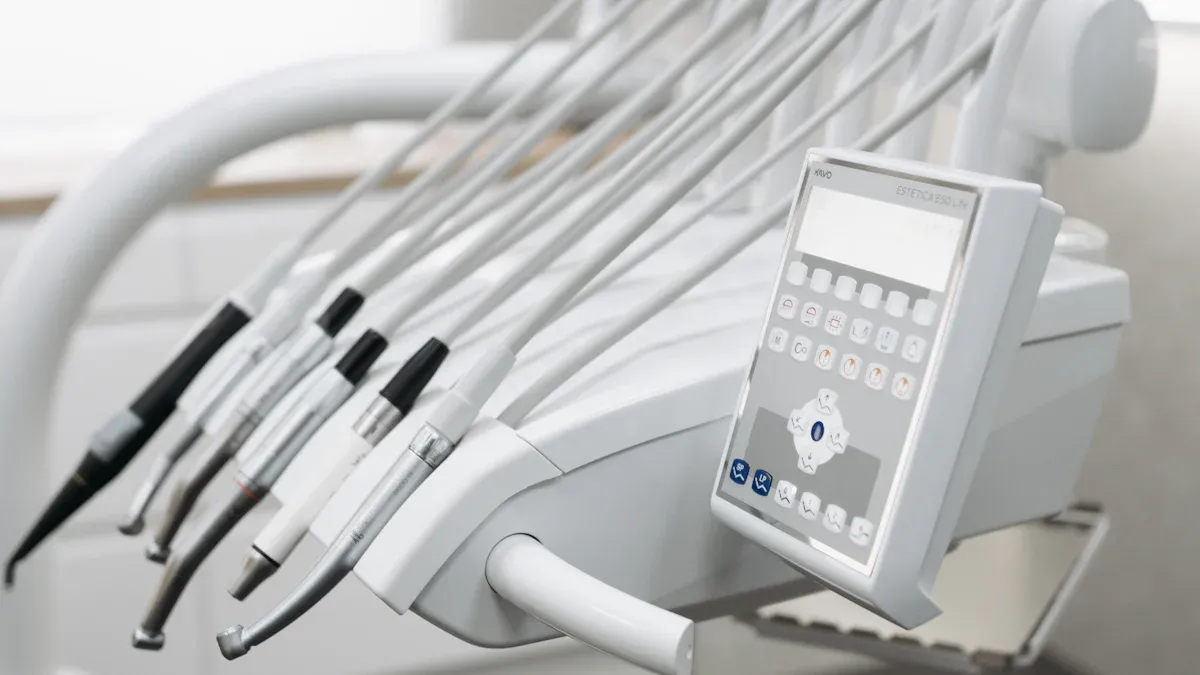
Wire harnesses link sensors, monitors, and control systems in medical equipment. These harnesses are the main connection between parts that gather data and parts that use it. When you use diagnostic equipment, you want signals to move fast and stay correct. Wire harnesses help make this happen.
Here are some ways wire harnesses help your devices:
They join sensors to processing units in machines like MRI, CT, and X-ray.
They let patient monitors send vital signs and other data to screens.
They give power and control to surgical tools so each one works right.
They help wearable medical devices link sensors and communication parts for health checks on the go.
You can find these connections in almost all advanced medical equipment. Without strong wire harnesses, your devices would not work the way you need.
Impact on Diagnostic Accuracy
Wire harnesses are important for getting correct results from your diagnostic equipment. If you want test results you can trust, you need signals that are clear and steady. Bad harness design can make signals weak, noisy, or cause the device to stop working. This can lead to wrong test results or missed health problems.
Manufacturers use special cable designs and good materials to block electromagnetic interference. For example, in X-ray machines, they add shielding and use bendable cables to keep signals clean, even when the device moves a lot. These steps protect how the device works and help you trust the results.
You may have problems when you use wire harnesses, such as:
Working with complex systems that have many boards and connections.
Handling lots of design changes without making mistakes.
Keeping the harness strong and working well, especially in small or portable devices.
To stop these problems, you should pick harnesses made from good materials and talk often with your suppliers. Good teamwork helps you avoid mistakes and keeps your medical equipment safe and working well.
Tip: Always make sure your wire harnesses fit what your diagnostic equipment needs. This helps you keep your device working well and keeps patients safe.
Quality and Standards for Medical Device Wiring Harnesses
Essential Features and Material Selection
You have to pick the right features and materials for wire harnesses. This choice helps your device last longer and work better. The table below lists the most important features to look for:
Feature | Description |
|---|---|
Precision | Makes sure signals and power move correctly. This is very important for devices like ECG monitors. |
Compliance | Made to meet world rules like ISO 13485. This keeps devices safe and reliable. |
Durability | Uses strong medical materials to handle tough places and lots of cleaning. |
Efficiency | Puts many wires and connectors together. This makes the inside of the device neater. |
When you choose materials, you want them strong and safe. Polyimide and fluoride polymers can take high heat. Cross-linked polyethylene keeps out water and stops rust. Polydifluoroethylene works best in wet or salty air. You also need materials that are safe for the body to meet iso 10993 rules. Silicone and PTFE can stand up to heat and cleaning chemicals. These choices help you follow safety rules and keep your harness safe.
Quality Assurance and Testing
You have to test wire harnesses in medical devices to make sure they always work. Testing finds broken wires, weak spots, and other problems. Here are some common tests:
Testing Method | Purpose | Importance |
|---|---|---|
Continuity Testing | Checks if all wires connect right. | Finds broken wires, wrong wiring, and bad crimps that could break the system. |
Insulation Resistance Testing | Makes sure wires are covered well. | Stops leaks and shorts, which is very important for high voltage. |
High-Potential (Hipot) Testing | Checks how strong the wire covering is. | Keeps the system safe if there is a sudden high voltage. |
Contact Resistance Testing | Measures how well connections work. | Makes sure signals and power move well without getting too hot or losing power. |
Mechanical Testing: Pull Force and Vibration | Checks if terminals are tough. | Makes sure harnesses can handle rough use without breaking. |
Color Difference and Wire Position Analysis | Checks wire colors and where they go. | Stops mistakes and keeps wires safe by making sure they are in the right place. |
You should use these tests to meet safety rules and keep harnesses safe. This helps your medical devices stay safe and work well for patients.
Regulatory Standards and Compliance
You must follow strict rules when you design wire harnesses for medical devices. These rules help you meet safety standards and get your device approved. The table below lists the main standards you need to know:
Standard | Description |
|---|---|
ISO 13485 | Shows the factory has a good quality system. This helps stop mistakes and keeps things the same every time. |
RoHS | EU rule that stops bad chemicals in electronics. This matters for wire harnesses sold in Europe. |
UL 60601-1 | Makes sure medical devices are safe with electricity in the US. It checks for fire, insulation, and leaks. |
IEC 60601 | Like UL 60601-1, but used in other places for electrical safety. |
FDA Quality System Regulation (21 CFR Part 820) | Sets rules for making wire harnesses in the US. It focuses on design, risk, and keeping records. |
IPC/WHMA-A-620 | Rule for building harnesses the right way, including crimps and wire paths. |
You need to follow fda rules and iso 13485 to get your device approved. These rules make sure your product is safe and works well in hospitals and labs. In the US, Europe, and Asia, rules may be different, but all want medical devices to be safe. Always check which rules fit your device and keep up with any changes.
Tip: Following these rules helps you avoid delays and problems when getting approved. It also shows you care about safety and quality for patients.
Wire harnesses make your IVD devices safe and work well. They help move power and data inside the device. This helps doctors give better care to patients. Good harnesses stop devices from breaking. They also keep test results correct. You should test your devices often. Check them carefully. Use strong and safe materials.
Next steps for quality and compliance:
Teach your team how to read harness drawings and follow rules.
Keep good records of any problems you find.
Test harnesses to make sure they are safe and strong before using them.
FAQ
What is the main purpose of a wire harness in healthcare devices?
A wire harness links and powers parts inside your device. This helps your device work safely. It also keeps signals clear. Your equipment stays reliable for healthcare jobs.
How do custom medical wiring harnesses help in healthcare?
Custom harnesses fit your device’s size and shape. They help your equipment work better and safer. You get the right fit for your device.
Why do you need to test wire harnesses in medical devices?
Testing finds weak spots or broken wires. This keeps your device safe and working well. You protect patients and follow healthcare rules.
What should you consider when designing and manufacturing medical device harnesses?
Pick safe materials and strong connectors. Follow healthcare standards. Make sure your device lasts and works in tough places.
How do wire harnesses affect healthcare device accuracy?
Wire harnesses keep signals clear in your device. This helps you get correct test results. You can trust your device for patient care.
See Also
The Importance of Ultra-Thin PET Tubing in Healthcare
Key Uses of Ultrathin PET Heat Shrink Tubing in Medicine
The Necessity of Nitinol Tubing in Minimally Invasive Surgery

© Copyright 2024 My First Blog - All Rights Reserved.