Hypotube Manufacturing Excellence: Quality Control Standards and Production Methods

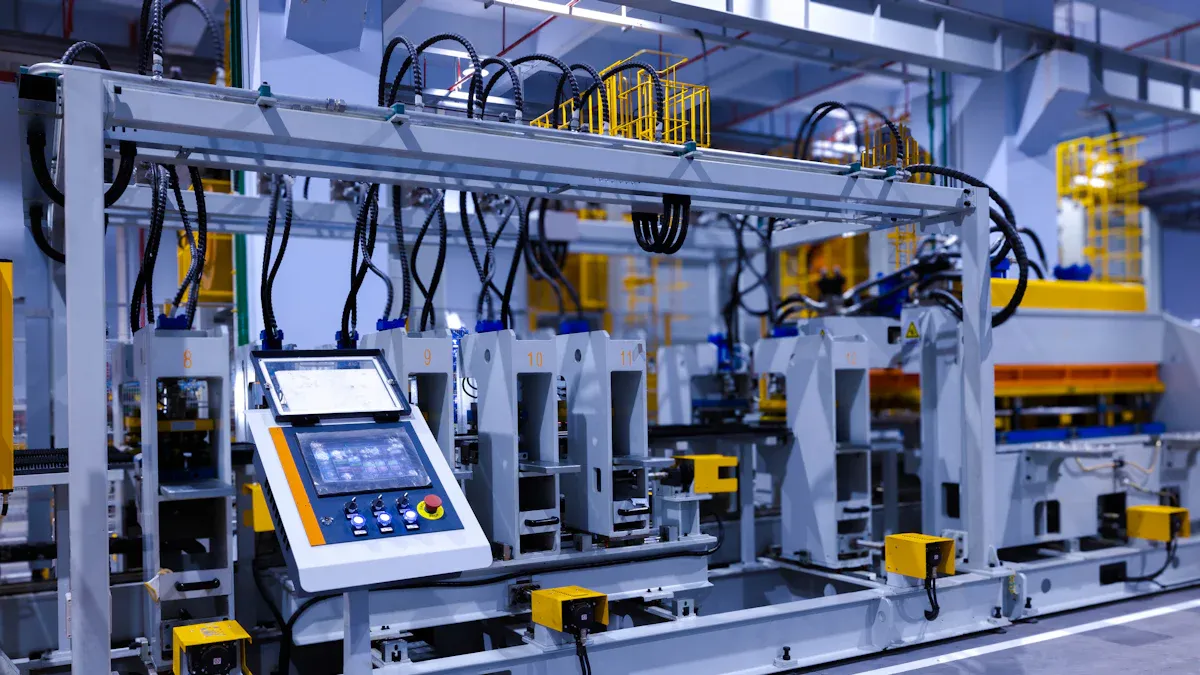
A hypotube is a small, precise tube used in catheters, stents, and delivery systems. Achieving Hypotube Manufacturing Excellence is a must because patient safety and regulations require it. Standards like ISO 13485 and FDA rules guide production. Companies like TE Connectivity and Freudenberg Medical have built special centers to meet these needs. The global market for these tubes hit USD 1.2 billion in 2024, says DataHorizzon Research. This big number shows why reliable medical device parts matter. How can makers use laser cutting to reach micron-level tolerances, remove defects, and keep results the same? This question leads into the technical process discussion that comes next.
Key Takeaways
Precision matters: even small changes in hypotube size can affect patient safety and how well the device works.
Laser cutting is better than old methods: it reaches micron tolerances, lowers heat damage, and makes smoother surfaces.
Quality control is key: use SPC, Cpk, and real-time checks to keep production consistent, defect-free.
Post-processing makes products safer: electropolishing removes flaws and improves biocompatibility for medical use.
Future trends: AI and digital twins will make hypotube manufacturing smarter, easier to predict, and more dependable.
Hypotube Manufacturing Excellence: Why Precision Matters
Medical Tolerances and Patient Safety
How exact a hypotube is made directly affects how a catheter, stent, or delivery system works inside the body. A tiny difference of just a few microns in wall thickness or diameter can change how flexible it is, how well it pushes, and how much pressure it can handle. Neurovascular catheter designs often need tolerances smaller than 0.001 inch. The table below shows how standard and premium ultra-thin specs compare.
Dimension | Standard Tolerance | Premium Ultra-Thin Tolerance |
|---|---|---|
Wall Thickness | ±0.0005 in (±0.0127 mm) | ±0.0002 in (±0.005 mm) |
Outer Diameter (OD) | ±0.0005 in (±0.0127 mm) | ±0.0002 in (±0.005 mm) |
Inner Diameter (ID) | ±0.0010 in (±0.0254 mm) | ±0.0005 in (±0.0127 mm) |
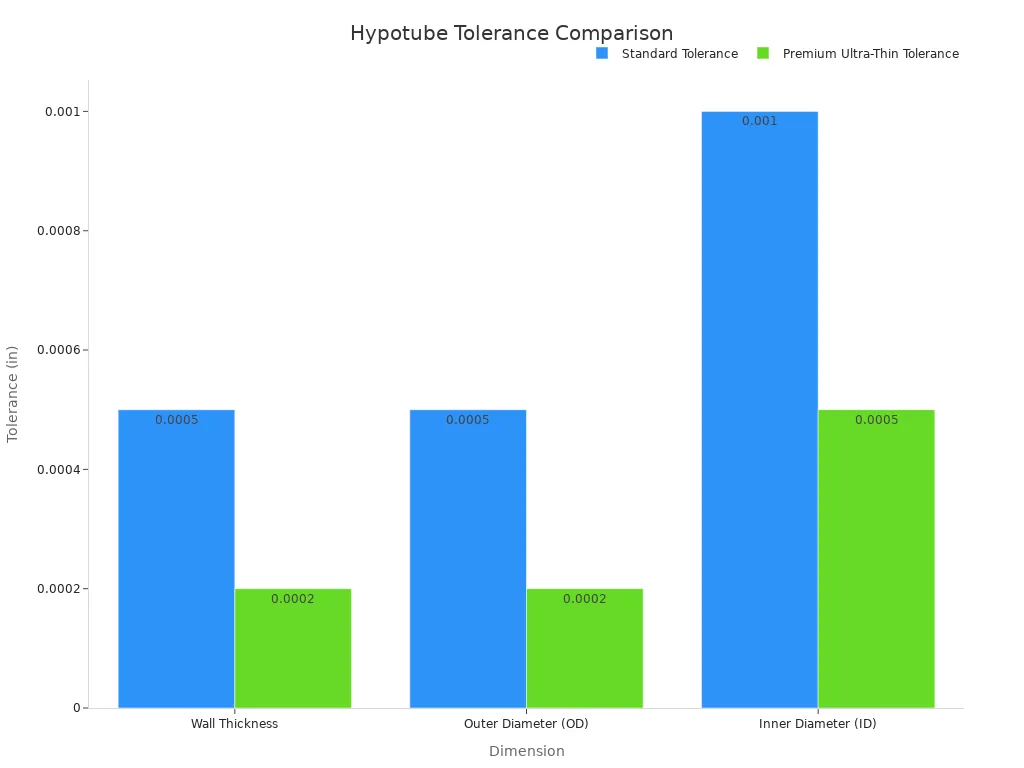
In today's neurovascular catheter design, an ultra-thin wall usually means a wall thickness of 0.002" (50 µm) or less, and it often goes down to 0.0005" (12.7 µm) in special polyimide-lined or premium metal alloy parts.
TE Connectivity states that its ultra-thin wall hypotubes can reach wall thicknesses as low as 0.001" (0.038 mm), with tolerances normally kept to ±0.0002" (5 µm). These sizes are made together with the customer's design team to make sure they meet performance and manufacturability needs.
Consequences of Quality Failures in Medical Devices
Poor dimensional precision in medical-grade hypodermic tubing creates real danger. A catheter tip may kink, a stent may fail to deploy, or a delivery system may leak. Each scenario puts the patient at risk and can trigger a recall. Regulators then demand corrective action, and the manufacturer absorbs the cost.
ISO 13485-certified facilities, such as TE Connectivity, serve as benchmarks for quality assurance. They treat dimensional precision as a core requirement, not a final inspection step. This approach protects clinical performance and keeps medical devices safe for every patient.
Laser Cutting Principles for High-Quality Hypotubes
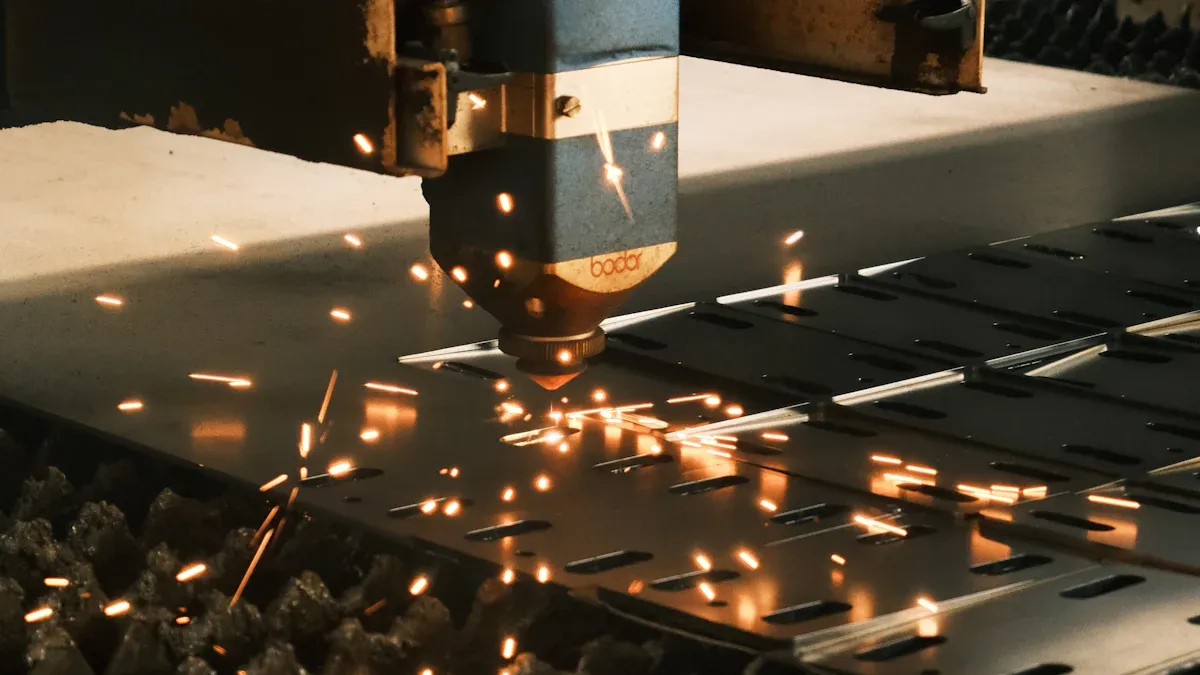
Laser cutting has taken over from old machining ways to make hypotubes. It is more accurate, has a smaller heat-affected zone (HAZ), and can make complex cuts and shapes. Old methods like EDM or sawing are not as precise as laser systems for thin-walled tubes. Symmetry Laser’s way of making laser-cut hypotubes shows how this technology works. Companies that make custom needle tubes also use similar ideas to meet strict medical needs.
Achieving Micron Tolerances and Minimizing HAZ
Several ideas let laser cutting reach very small tolerances. First, the process does not touch the tube, so no force is put on thin-walled hypotubes. This stops bending and keeps the material strong. Second, laser tools do not wear out. They cut the same way on thousands of parts, giving the same small accuracy again and again. Third, the focused laser beam cuts to within ±0.01 mm (10 µm) or even ±0.005 mm (5 µm). Slots can be as thin as 15–30 µm.
The heat-affected zone (HAZ) is a big problem in cutting hypotubes. Too much heat changes the tiny structure and causes warping. New laser systems make this zone much smaller. TE Connectivity says that controlling HAZ depends on changing beam settings, choosing shielding gases, and managing heat.
The choice of laser source directly impacts HAZ size. Ultrashort pulse lasers, with pulse duration below 10^-12 s, minimize HAZ significantly.
Laser Source | Pulse Type | HAZ Measurement | Applicable Material | Assist Gas |
|---|---|---|---|---|
Fiber laser | Long pulse | 8–15 µm | Stainless steel | Nitrogen |
Picosecond | Ultrashort | <5 µm | Stainless steel, nitinol | Not specified |
Picosecond UV | Ultrashort | <5 µm | Nitinol tubing (wall <0.4mm) | Argon for titanium |
Femtosecond laser cutting has no HAZ and accuracy under 5 µm. So it is good for making very precise hypotubes.
Kerf width is also important for accuracy. For 304 stainless steel hypotubes, the usual kerf width is 0.001 inch (25.4 µm). Some products need a 0.010 inch kerf. A very fine kerf of 0.012 mm is possible with careful laser cutting.
A real example shows why process controls are important. A catheter maker had problems with torque because the kerf width was not the same. A laser lens got dirty and made the beam blurry. Adding a lens protection system and doing regular upkeep fixed the size consistency. This case shows why managing the process matters to get very small accuracy.
Preserving Surface Integrity and Biocompatibility
Surface quality after cutting affects device performance and patient safety. Laser cutting makes a smoother surface than old methods.
Method | Surface Roughness (Ra) |
|---|---|
Laser Tube Cutting | <0.5 μm |
Traditional Methods (e.g., EDM or Sawing) | 1–5 μm |
Electropolishing after laser cutting makes the surface even smoother. It can lower surface roughness to Ra ≤ 0.4 μm. Special passes can get 0.32–0.40 µm Ra. Very careful conditions can go below 0.20 µm Ra.
For nitinol hypotubes, how the surface is matters directly for biocompatibility. Laser cutting sets the shape. Shape-setting gives the function. But for resisting rust, nickel coming out, and patient safety, the surface usually has the biggest effect because it is the part that touches the patient.
A comparison of laser cutting and electropolishing for nitinol shows the differences.
Parameter | Laser Cutting | Electropolishing |
|---|---|---|
Surface roughness (Ra) | 1–2 μm | <0.3 μm |
Nickel surface content | ~50% | 5–15% |
TiO₂ layer thickness | Minimal/damaged | 5–10 nm, uniform |
Recast layer | Present | Completely removed |
Electropolishing takes off the oxide layer, makes the surface smooth, and gets the part ready for passivation. It removes the damaged layer and helps TiO₂ form. This step is very important to meet biocompatibility rules for medical devices.
Makers like Symmetry Laser use electropolishing in their production line. Using both laser cutting and this extra step makes sure each tube meets the needs for medical use. This method keeps the surface strong and helps long‑term performance for both stainless steel and nitinol.
Common Defects in Hypotube Cutting and Their Mitigation
Burrs, Recast Layer, and Kerf Variability
Laser cutting of hypotubes can cause certain defects that hurt how the device works. Bad edge quality comes from too much heat or wrong settings. This creates micro-cracks, burrs, and recast layers along the cut edge. These defects turn into weak spots when the part faces repeated mechanical stress. They also make manufacturing cost more. Extra finishing steps like electropolishing or tumbling add time, cost, and differences in size.
Manufacturers must control the heat-affected zone (HAZ) to stop micro-cracks from forming. The acceptable limit for kerf width deviation is a target of 0.012 mm ± 0.002 mm. Surface roughness must stay below Ra < 0.2 µm. A recast layer needs to be removed through post-processing like electropolishing to keep the material strong. Burrs must not show up on the final part. Process parameters directly decide these results. Laser power, cutting speed, and assist gas pressure affect HAZ size and kerf quality. Operators must adjust these settings to match the specific alloy and wall thickness.
Managing Process Variability for Consistent Quality
Managing variability needs strong process control. SPC charts track critical dimensions like kerf width, pitch, and surface roughness over time. This tracking allows continuous improvement in accuracy and tolerances. Design of Experiments (DOE) finds the factors that affect kerf variability the most. In-line monitoring systems track laser power and assist gas pressure in real time to catch deviations. Vision systems take images of the spiral pattern at regular intervals to check cut geometry during production.
The target for process capability is a Cpk of 1.33 or higher. Reaching a Cpk of 1.33 means a highly capable and stable process. This level of control directly supports quality assurance in medical device manufacturing.
Automated systems handle loading and unloading tasks. They reduce human error and ensure uniformity in every cut. Real-time monitoring built into these systems improves quality and boosts yield rates.
Inspection methods vary by need. Confocal microscopes give excellent 3D data but are slow for full-tube surface capture. Digital imaging equipment offers faster areal measurements but lacks precision height data for roughness identification. Confocal 3D sensors allow continuous scanning of the entire tube surface. Each tool checks the precision and biocompatibility of the finished part. Tight oversight of surface defects makes sure the tubing meets strict regulatory standards.
Quality Control Methods Ensuring Repeatability
SPC, Cpk, and Real-Time Monitoring
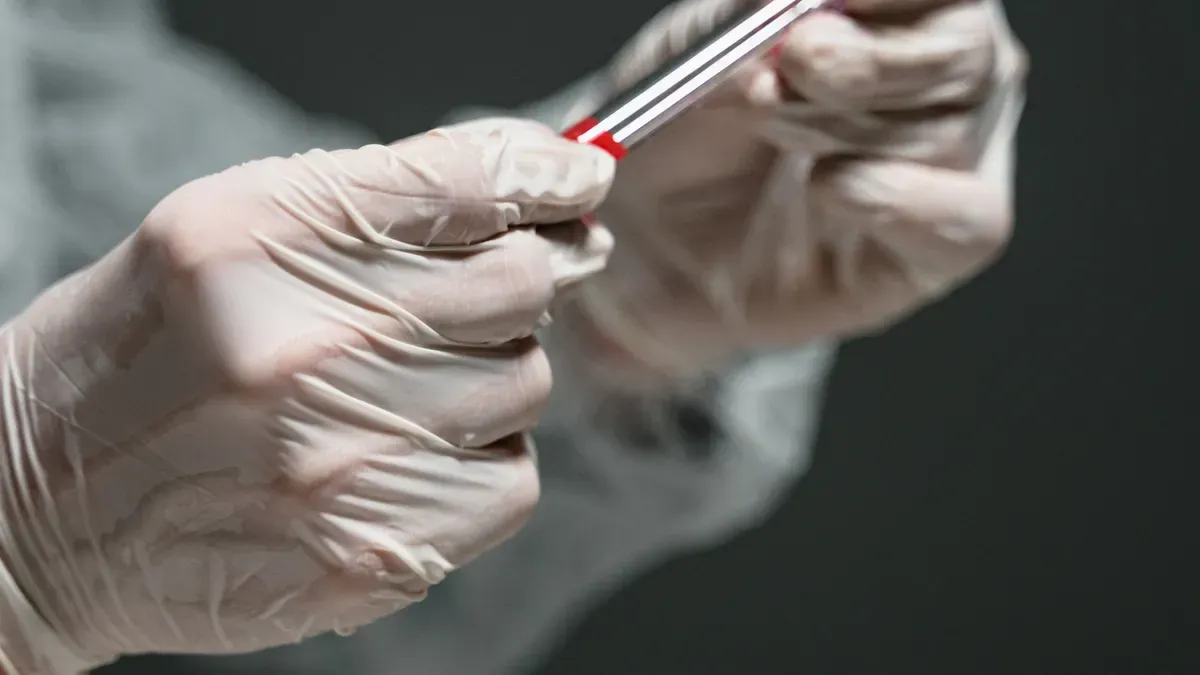
Quality engineers use statistical process control (SPC) to track key size values over time. SPC charts watch kerf width, pitch, and surface roughness. This helps spot trends before problems happen. Process capability studies, shown by Cpk, tell if a process always meets the mark. A Cpk of 1.33 or more means the process works well. Engineers use this number to see if a hypotube line can make each part the same.
Real-time monitoring makes this better. Smart systems mix measurements with surface checks. They help fix issues right away and meet industry and customer rules. The table below lists common methods and what they do.
Monitoring method | Purpose in hypotube production |
|---|---|
Real-time laser power measurement | Tracks laser power during work to keep cuts steady |
Vision-based kerf width inspection | Finds kerf width changes and spatter right away |
Checks heat during production | |
In-line vision systems | Watch kerf width and find spatter during work |
Statistical process control (SPC) | Tracks process trends and helps keep things same |
Final dimensional metrology | Uses laser scanners or CMMs for final checks |
Automated inspection is key. Vision systems take pictures of the spiral pattern at set times. They check cut shape without stopping the line. This lowers human mistakes and supports steady repeatability in large runs.
Implementing Process Controls in Certified Facilities
ISO 13485-certified facilities build a quality system on written steps. These facilities define key quality traits for each hypotube. They set acceptance limits based on device needs. In-line vision systems watch kerf width and find spatter during work. Teams do random tests that break parts, like cross-section checks, to confirm cut quality.
Writing things down is as important as measuring. Facilities keep detailed batch records, including laser settings and test results. They do internal audits and management reviews to keep improving. Outside auditors need every step written and traceable. A control plan lists how often to check and what method to use at each step. Workers get training on why quality matters and how to use equipment right.
Digital tracking using blockchain and IoT gives full view of hypotube batches from start to finish. This tracking boosts quality assurance and rule following in medical supply chains. Material tracking makes sure every batch can be followed from supplier to final product. Process validation confirms that settings are written, tested, and proven for steady results. Risk management finds possible product failures early with controls. Cleanroom standards keep production areas within strict cleanliness rules.
Validation rules apply to different software types, including management system apps, process control software, and tools for checking and measuring.
TE Connectivity and Freudenberg Medical show that process steadiness is possible. Their ISO 13485-certified facilities treat strict quality control as a basic need. This care protects surface quality and body safety in every finished tube. Makers that use these methods can reach the exactness and repeatability that medical devices need.
Real-World Applications: Case Studies in Hypotube Manufacturing
Symmetry Laser and Freudenberg Medical Excellence
Symmetry Laser is known for making laser-cut hypotube solutions that follow strict medical rules. The company uses laser cutting along with electropolishing to take away the recast layer and make the surface smooth. This mix keeps the surface strong and helps it work safely with the body for stainless steel and nitinol tubing. Symmetry Laser also uses statistical process control to watch kerf width, pitch, and surface roughness over time. The team changes laser power, cutting speed, and gas pressure to keep tight tolerances on every batch.
Freudenberg Medical runs a Hypotube Center of Excellence in Galway, Ireland. The site brings more than 20 years of new ideas to hypotube manufacturing excellence. Engineers there treat process stability as a must-have, not a last check. They use design of experiments to find the things that cause kerf variability. They then lock those settings into written control plans. Tube Methods, Inc. is another example. The company earned AS9100 and ISO 9001 certifications, which show its promise to quality assurance across demanding industries. These three firms prove that precision comes from steady process control, not from luck.
TE Connectivity’s Traceability and Process Control
TE Connectivity shows how paperwork supports quality in hypotube manufacturing. The company makes hypotubes in ISO 13485-certified facilities. Every material is medical grade and carries full lot-level traceability. Material certifications, certificates of conformance, and inspection reports go with each order. This paperwork helps device makers meet regulatory submissions without extra work.
Traceability Method | Description |
|---|---|
ISO 13485-certified facilities | Medical device-grade quality systems, traceability, and process control |
Full lot-level traceability | All hypotube materials are medical grade |
Material certifications | Available upon request |
Certificates of Conformance | Provided as part of full documentation |
Inspection reports | Included in the documentation package |
Lot traceability documentation | Supports regulatory submissions |
TE Connectivity pairs this paperwork with real-time monitoring on the production line. Vision systems check kerf width and catch spatter during cutting. Engineers track Cpk values to confirm the process stays capable. A Cpk of 1.33 or higher signals a stable line that repeats the same cut thousands of times. This mix of traceability and process control gives medical device makers confidence in every tube they receive.
Future Trends in Hypotube Manufacturing: AI and Digital Twins
Predictive Quality Control and Real-Time Defect Detection
AI will change how engineers watch a hypotube production line. Machine learning models study laser power, cutting speed, and gas pressure data from past runs. The models then spot small drifts before they turn into burrs or kerf width changes. This shift moves quality work from after-the-fact checks to prediction during the cut.
Adding AI and machine learning for predictive control could change the field a lot. Systems can guess tool wear and material changes before they hurt quality.
A predictive model learns the normal pattern of a stable cut. When the pattern changes, the system alerts the operator and adjusts settings in real time. Manufacturers using these models will reduce scrap and improve yield. The same data feeds a closed-loop control system, so the line fixes itself without waiting for a final dimensional check.
Digital Twins for Virtual Process Simulation
A digital twin is a computer copy of a real production line. Engineers build one for each hypotube design and each laser cell. The twin simulates how a new cut pattern will work before anyone touches real tubing. This saves material and shortens the time from design to the first good part.
The twin also helps track medical devices. Each simulated run links to the real batch record, so auditors can compare predicted results with actual ones. Over time, the model gets more accurate, and process control becomes tighter. The next big step in precision manufacturing will pair these virtual models with predictive analytics. Teams can test thousands of parameter sets in software before cutting metal. Companies that invest early will set the standard for repeatability in the years ahead.
Laser cutting gives makers more control and fewer surprises than older machining ways. Strong quality steps, like SPC, Cpk studies, and ISO 13485 systems, are still key to cutting down defects. Real-world leaders such as TE Connectivity and Freudenberg Medical show that steady processes can be done. Teams should check their own production lines, put money into real-time monitoring, and keep up with AI-driven improvements.
The next big step in hypotube manufacturing excellence will come from digital twins and predictive analytics. These tools will boost repeatability, protect how medical devices work, and move the whole hypotube industry toward a smarter, safer future.
FAQ
What tolerances can premium hypotubes achieve?
Premium hypotubes can hold wall thickness within ±0.0002 inches (±0.005 mm). Outer diameter stays within the same range of ±0.0002 inches (±0.005 mm). These tight specs help support neurovascular catheter designs.
How does laser cutting minimize the heat-affected zone?
Ultrashort pulse lasers with pulse duration below 10⁻¹² seconds keep the heat-affected zone under 5 micrometers. Picosecond UV lasers use argon gas when working with titanium materials. This helps protect the material.
What Cpk value indicates a capable hypotube process?
A Cpk of 1.33 or higher means the manufacturing process is highly capable and stable. Quality engineers rely on this value to confirm the process repeats the same way across production runs.
Why is electropolishing necessary after laser cutting?
Electropolishing removes the recast layer and brings surface roughness below 0.3 micrometers Ra. It cuts nickel surface content from 50% down to 5-15%. This step helps meet biocompatibility requirements.
See Also
New Developments In Laser-Cut Hypotube Technology For The Year 2025
A Complete Step-By-Step Guide To Manufacturing Microcatheters
What Is New In Etched PTFE For Catheter Manufacturing?
Find Out Why NiTi Tubes Are Dominating Medical Manufacturing
Understanding How Nitinol Tubing Is Made For Medical Applications

© Copyright 2024 My First Blog - All Rights Reserved.