Hydrophilic Coated Polyimide Medical Tubing Explained in Plain English


A doctor guides a thin tube through twisting blood vessels to reach a blocked artery in the brain. This job needs a tool that bends without breaking and slides without scraping. Hydrophilic coated polyimide medical tubing fits that need. Think of it as a strong, flexible straw with a slippery, water-loving skin. Two parts make this product. The core is polyimide tubing, a tough plastic that stays firm in thin walls. The outer layer is a hydrophilic coating that grabs water and turns slick. Together they make hydrophilic coated polyimide medical tubing vital for safer, gentler procedures. Doctors perform 2.5–3 billion catheter-based procedures worldwide each year, including over 40 million interventional cardiology cases. That scale shows why smooth, reliable medical tubing matters.
Key Takeaways
Hydrophilic coated polyimide tubing has a strong center and a slippery outside.
The slippery coating cuts friction by as much as 90%, which makes procedures safer and easier on the body.
Polyimide tubing is very strong and bendable, even with paper-thin walls.
Doctors use this tubing in catheters, guidewires, and balloon catheters for procedures that need only small cuts.
Less rubbing means less soreness, which lowers the chance of infection and helps the patient heal faster.
The Building Blocks of Hydrophilic Coated Polyimide Medical Tubing
What is Polyimide Tubing?
Polyimide is a tough plastic for demanding jobs. It belongs to the thermoset polymer family. This family does not soften or slowly change shape when heated. It keeps its shape under heat or physical strain. Makers use it to form thin-walled tubes for medicine. These tubes stay strong even with very thin walls.
Medical grade polyimide tubing has a tensile strength of at least 20,000 PSI. Its wall thickness can be 0.0005" to 0.008" (0.0127 mm to 0.2032 mm). Another source lists a wall thickness range of 0.003" to 0.007". Those numbers show how pi tubing packs serious strength into a tiny size. Pi tubing also stands up to chemicals and biological environments. It keeps its thermal stability through processing and sterilization. After heat or stress, pi tubing keeps its inner diameter and stiffness. This makes pi tubing a good choice for catheters and other medical devices. Pi tubing also gives precise dimensions and steady wall thickness. Engineers value pi tubing for its exact sizes. Some designs use composite pi tubing to balance chemical resistance with mechanical performance. Composite pi tubing can add reinforcement where needed.
Understanding the Hydrophilic Coating
A hydrophilic coating is a special surface layer. It pulls in water and becomes very slippery when wet. Once it touches water or blood, it soaks up moisture. This makes a low-friction surface. That gives high lubricity. A catheter with this coating slides very easily through narrow vessels. Superlubricated pi tubing causes less irritation to vessel walls. It also lowers the chance of infection. The coating is biocompatible, so the body accepts it well. Hydrophilic coated polyimide medical tubing pairs a strong core with a slick skin. Doctors use this tubing daily for catheter work. Heart doctors and surgeons depend on catheters for minimally invasive work. One catheter may travel through complex passages. Another can reach tiny vessels in the brain. Every device gains from the slippery surface. The tubing lets doctors work with less force and more control.
How Hydrophilic Coated Polyimide Medical Tubing Works
The Science of Slipperiness
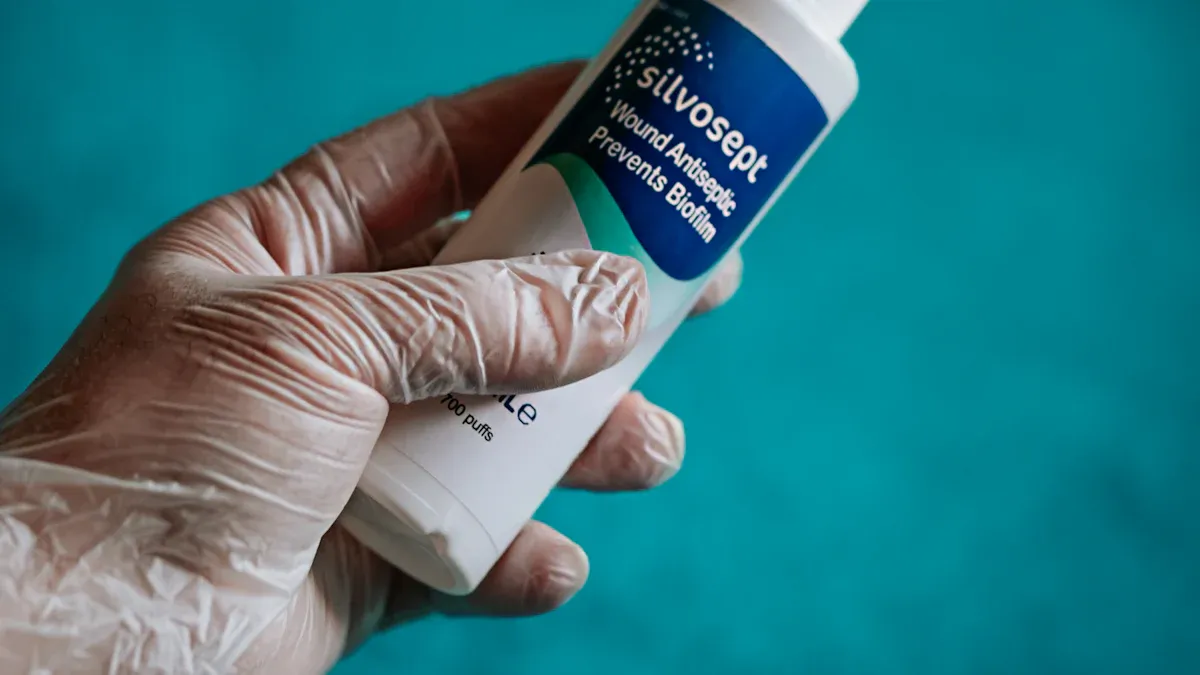
The coating on this tubing changes as soon as it touches liquid. Water or blood makes the outer layer soak up moisture. The coating then swells into a wet, slippery layer. This layer holds a thin film of water on the surface. That film keeps the tubing away from the vessel wall. The result is a very low coefficient of friction. The surface turns slick, almost like wet ice on glass.
This process gives the tubing its lubricity. A doctor pushes the catheter forward. The wet layer lets it slide instead of drag. The tubing moves through narrow vessels with very little resistance. The slippery surface also keeps the catheter from sticking to vessel walls or mucous membranes. That matters most in tight, winding anatomy where every bit of drag adds up.
The chemistry behind this effect is simple. Hydrophilic means water-loving. The coating chains pull in water molecules and hold them tight. A dry coating feels like normal plastic. A wet coating feels like a wet bar of soap. That change happens fast, often within seconds of touching fluid. The polyimide core stays stiff and strong underneath. Only the surface changes. This split design gives the best of both worlds: a stiff, pushable tube with a slick outer skin.
Why a Slippery Tube is a Safer Tube
Less friction means less harm. A slippery surface lets catheters and guidewires move smoothly through twisting vessels instead of catching or sticking. Doctors use less force on the vessel wall. That lower force means less tissue damage. It also lowers the chance of device sticking or kinking during a procedure.
The safety gains add up in several ways:
The coating lets catheters and guidewires move smoothly through twisting vessels instead of catching or sticking, so less force is used on the vessel wall.
The drop in surface friction lowers the forces needed to insert and advance the catheter, which reduces tissue damage and the chance of device sticking or kinking.
Because the coating allows smooth travel through narrow vascular pathways, it lowers damage to delicate vessels and organs, especially in complex or repeated interventions.
For access sheaths and introducers, lower drag during device exchanges lowers the risk of tissue damage at the access site.
Friction reduction can reach up to 90% compared with uncoated plastic. That drop links to fewer vascular or urethral scars. Less friction also means less irritation to vessel walls. Irritation opens the door to infection. A smooth glide keeps the vessel lining intact. That barrier matters for patient recovery.
Superlubricated pi tubing also helps in difficult anatomy. Twisting vessels in the brain or neck demand precise control. A slick surface gives the doctor that control. The tubing follows the guidewire without fighting it. Superlubricated pi tubing reduces the push needed at every turn. Composite pi tubing adds reinforcement for high-pressure jobs. Even then, the coating keeps low-friction movement intact. The doctor works with less force and more confidence. The patient gets a gentler procedure with fewer complications.
Why Polyimide Tubing for Medical Devices is a Top Choice
Key Benefits: Strength, Flexibility, and Low Friction
Polyimide tubing for medical devices gives you three big pluses. First, pi tubing is very strong even when its walls are super thin. Walls can be just 0.0005 inches thick. That slim shape lets doctors reach tiny vessels without a bulky device. Second, pi tubing bends and moves through curves without kinking. This flexibility helps a catheter follow winding paths in the brain or heart. Third, the hydrophilic coating gives pi tubing great lubricity. A wet surface slides with almost no drag.
The numbers support this. Pi tubing has a minimum tensile strength of at least 20,000 PSI. Its hoop stress reaches 11,000 PSI. Engineers use a simple formula to find burst strength: burst strength equals hoop stress times wall thickness divided by outer diameter radius. A medical-grade polyimide elastomer for catheter balloons holds over 20 atm with a wall thickness of 20 to 50 micrometers. That gives a real benchmark for high-pressure work. Pi tubing also resists pressure expansion before reinforcement. It bonds to reinforcement layers without chemical etching. These traits make pi tubing dependable for tough medical device applications.
A Better Choice Than Other Materials
Pi tubing beats many other options. PTFE needs a wall thickness of at least 0.05 mm. Pi tubing works with walls from 0.013 to 0.025 mm. That gap matters when space is tight. PTFE gives more flexibility but has lower tensile strength. Nylon is bendy and costs less, but it does not offer as much dielectric safety. Pi tubing handles temperatures up to 450 degrees Celsius. It also bonds to TPU and nylon, while PTFE needs a special process.
Composite pi tubing adds another layer of performance. Braided composite reinforced pi tubing boosts pressure resistance for high-stress jobs. Superlubricated pi tubing keeps friction low even in complex anatomy. Superlubricated pi tubing also cuts the force a doctor needs at every turn. Friction reduction can reach up to 90 percent compared with uncoated plastic. That lower coefficient of friction means less tissue damage. Composite pi tubing and braided composite reinforced pi tubing give engineers options for different catheter designs. For medical devices that need precision dimensions and essential column and tensile strength, pi tubing stands out. Dimensional precision and tubing quality make pi tubing a top pick for modern catheters and other medical devices.
Common Uses for Polyimide Tubing in Catheters and Other Devices
Vascular Catheters and Guidewires
Doctors use pi tubing in vascular catheters that reach small vessels in the neck, head, and brain. These paths twist and turn. A catheter must follow every bend without kinking. Pi tubing handles this job well. Its thin walls and high strength let doctors push a catheter through narrow vessels. Guidewires also rely on pi tubing to navigate complex paths. A guidewire leads the way. The catheter then follows over it. Pi tubing gives the guidewire the stiffness to push and the flexibility to turn.
Neurovascular work demands extreme precision. The tubing must bend sharply without breaking.
Neurovascular catheters travel through tight vessels in the brain. They need to be very flexible with the softest tip possible (Pebax 2533 or 3533) and almost no chance of kinking. Walls as thin as 0.003" can be made with the right extrusion setup.
Engineers also build robotically steerable guidewires with pi tubing. One design uses a polyimide sheath from Zeus Company LLC. Key specs include:
Inner radius: 0.02″
Wall thickness: 0.001″
Largest guidewire section: approximately 1.06 mm (~0.042″)
Polyimide is stiffer than alternatives such as Pebax or PTFE. That stiffness yields a larger workspace for the same actuation force range. A doctor gains more control with less effort. The inner lumen stays open for tools and fluids. This matters for catheter manufacturing because every micron counts.
Balloon Catheters and Endoscopes
High-pressure jobs need tubing that holds its shape. Balloon catheters inflate to open blocked vessels. The pi tubing must resist pressure without bursting. A medical-grade polyimide elastomer for catheter balloons holds over 20 atm with a wall thickness of 20 to 50 micrometers. That gives a real benchmark for high-pressure work. Braided composite reinforced pi tubing boosts pressure resistance even more. Braided composite reinforced pi tubing also bonds to reinforcement layers without chemical etching. Engineers choose composite pi tubing when they need extra strength. Composite pi tubing balances chemical resistance with mechanical performance.
Steerable catheters use pi tubing for precise tip control. The doctor pulls a wire. The tip bends. The catheter moves exactly where needed. Endoscopes also use pi tubing for minimally invasive tools. These devices travel through the body with a camera and light. The tubing must stay stiff enough to push and flexible enough to turn. Superlubricated pi tubing keeps friction low during these moves. Lower friction means less force on tissue. That protects the patient.
The hydrophilic coating adds lubricity and biocompatibility. A wet surface slides with almost no drag. Friction reduction can reach up to 90 percent compared with uncoated plastic. That drop links to fewer vascular or urethral scars. Doctors perform 2.5–3 billion catheter-based procedures worldwide each year. Every one of those procedures gains from smooth, reliable tubing. Pi tubing delivers that performance across vascular catheters, guidewires, balloon catheters, and endoscopes. The medical device industry depends on pi tubing for these critical jobs. Devices built with pi tubing give doctors control and patients safety.
Hydrophilic coated polyimide medical tubing has a strong core and a slippery outer skin. This design helps a catheter slide through vessels with less friction. Doctors get more control. Patients feel more comfortable. These tubes are most important in minimally invasive work. Precision and safety guide every choice.
Future trends point to even better results. Hydrophilic coatings and anti-fouling surface changes will improve pi tubing performance. They allow smoother insertion and cause less trauma. These new ideas help devices last longer and improve patient outcomes. That matters most in neurovascular interventions. Integrated coatings make devices last longer and lower reprocessing costs. High-value surface-modified pi tubing will serve neurovascular and cardiac uses. Aftermarket retrofit solutions and sustainable recyclable types will grow. Adoption faces high capital costs and strict European validation rules. This technology keeps making medical devices safer and more effective.
FAQ
What makes pi tubing different from standard plastic tubing?
Pi tubing is made from polyimide, a type of thermoset plastic. It holds its shape when heated or stretched. Its walls can be as thin as 0.0005 inches. Regular plastics need thicker walls to be just as strong. This thin design helps doctors reach very small blood vessels. The material also fights off chemicals and survives sterilization without losing its inner size.
How does the hydrophilic coating create a slippery surface?
The coating soaks up water or blood the moment it touches them. It swells into a wet layer that traps a thin film of water. That film keeps the catheter away from the vessel wall. This creates a very low coefficient of friction. A dry coating feels like regular plastic. A wet coating feels like a wet bar of soap.
Why do doctors prefer superlubricated pi tubing for neurovascular work?
Brain vessels twist sharply and need exact control. Superlubricated pi tubing slides with almost no drag at all. Friction can drop by up to 90 percent compared with uncoated plastic. Doctors use less push force at every turn. The tubing follows the guidewire without fighting against it. Patients get a gentler procedure with fewer problems.
When do engineers choose braided composite reinforced pi tubing?
High-pressure jobs need extra strength to work well. Balloon catheters inflate to open blocked vessels. Braided composite reinforced pi tubing boosts pressure resistance even more. It bonds to reinforcement layers without chemical etching. A medical-grade polyimide elastomer for catheter balloons holds over 20 atm with a wall thickness of 20 to 50 micrometers. Engineers pick this option for demanding catheter designs.
Do catheters with this coating lower infection risk?
Yes. Less friction means less irritation to vessel walls. Irritation opens the door to infection. A smooth glide keeps the vessel lining intact. That barrier matters for patient recovery. The coating is also biocompatible, so the body accepts it well. Doctors perform billions of catheter-based procedures each year. Every one gains from smooth, reliable tubing.
See Also
The Complete Handbook For Medical Grade FEP Tubing
Key Medical Uses Of Ultrathin-Wall PET Heat Shrink Tubing
How Medical Grade Heat Shrink Tubing Differs From Industrial Grade

© Copyright 2024 My First Blog - All Rights Reserved.