How to Use PET Shrink Tubing for Safe Electrical Insulation

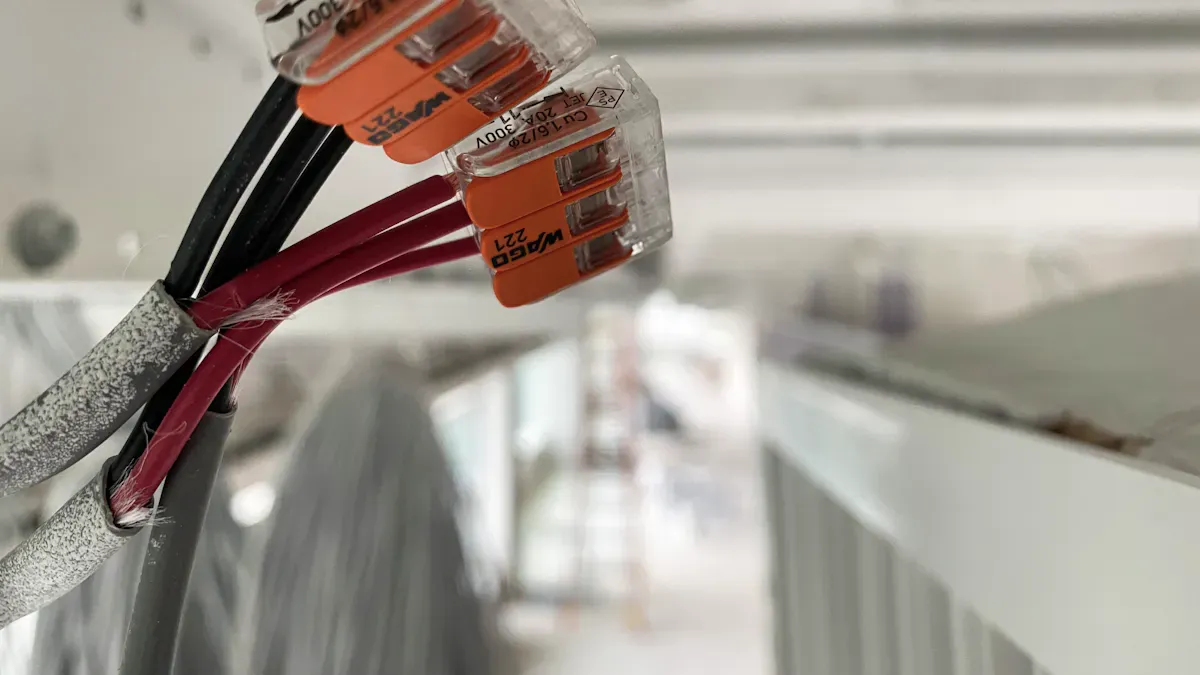
You want your wires to be safe and protected, right? PET shrink tubing is an easy way to keep electrical insulation strong. When insulation gets old, short-circuit arcs can start fires in homes. These fires happen about 11% of the time because of this problem. PET shrink tubing is special because it blocks electrical interference. It also works well with temperature changes. It can handle bumps and strong chemicals too. With this tubing, you can trust your wires to stay safe and secure.
Key Takeaways
PET shrink tubing gives strong electrical insulation. It helps lower the chance of short circuits and fires.
Pick the correct size and type of tubing for your project. This makes sure the tubing fits tightly and protects the wires.
Use a heat gun to shrink the tubing. A heat gun gives you more control and stops the tubing from getting too hot.
Check the tubing after you shrink it. Make sure there are no gaps or bubbles. Gaps or bubbles can make the protection weaker.
Always follow safety tips. Wear gloves and work in a place with fresh air. This helps you stay safe and avoid accidents.
What Is PET Shrink Tubing?
Key Properties
You may ask why PET shrink tubing is so useful. This tubing is made from ethylene glycol and terephthalic acid. These chemicals mix to make strong, clear tubes. The tubes protect wires from harm. When you use heat shrink tubing, it can handle tough situations.
Here’s a quick look at the main properties:
Property/Application | Description |
|---|---|
Mechanical Strength | It is tough and resists scratches. It works well for hard jobs. |
Chemical Resistance | It stays strong when touching oils or harsh chemicals. |
Thermal Stability | It can handle heat up to 150°C (302°F) without breaking. |
High Dielectric Strength | It keeps wires safe with insulation over 4,000 V/mil. |
Precision Shrinkage | It shrinks evenly with heat and fits tightly around wires. |
This tubing keeps wires safe in rough places. It does not wear out easily. You do not need to worry about bumps or chemicals hurting it. If you want something that lasts, PET shrink tubing is a good pick.
Tip: Always look for certifications like UL/CSA 224 or AMS-DTL-23053. These standards show your heat shrink tube is safe and works well.
Why Use for Electrical Insulation
You want your electrical insulation to work well, right? PET shrink tubing gives you confidence. It shrinks tightly around wires and connectors. It blocks moisture, dust, and chemicals. This keeps cables safe and working longer.
Here are some reasons why experts use heat shrink tubing for electrical insulation:
High dielectric strength stops short circuits and electrical failures.
Chemical resistance keeps out oils and other bad substances.
Thermal stability means tubing works even in hot places.
It stays reliable even when temperatures or moisture change.
You lower the chance of electrical problems and make things safer.
If you compare dielectric strength, PET shrink tubing is better. It gives over 4,000 V/mil. Other materials like polyolefin or PVC may not protect as well.
You help the environment when you recycle this tubing. Recycling PET shrink film saves energy and keeps plastic out of landfills. But recycling can be hard because tubing sometimes has other materials.
Note: Always check if the tubing’s properties fit your project. If you work in tough places or with strong chemicals, see if PET shrink tubing is right for you.
Choosing PET Shrink Tubing
Types and Sizes
You want the right tubing for your project. Not all heat shrink tubing is the same. You can find different types and sizes for many jobs. Here’s a quick look at what you might see in stores:
Type | Size Description |
|---|---|
Standard Heat Shrink Tubing | Small Diameter (up to 5mm) |
Dual-Wall Heat Shrink Tubing | Medium Diameter (6mm to 20mm) |
You use standard tubing for most electrical wiring and wire insulation. Dual-wall tubing gives extra protection. It works well for cables in cars or places with lots of moisture. Most heat shrink tubing comes in shrink ratios like 2:1 or 3:1. This means the tubing shrinks to half or a third of its size when you heat it.
Tip: PET shrink tubing is tough. It resists chemicals and keeps wires safe in electronics and automotive work.
Selection Tips
Picking the right heat shrink tube makes your installation safe and long-lasting. Start by checking the size of your wires. The tubing should fit over the wires but not be too loose. After shrinking, it should grip the wires tightly.
Here are some things to look for:
Dielectric Strength: This tells you how well the tubing blocks electricity. High numbers mean better insulation for electrical installation.
Thermal Stability: Good tubing stays strong even when it gets hot.
Chemical Resistance: Choose tubing that stands up to oils and harsh stuff.
Precision Shrinkage: You want tubing that hugs wires and connectors with no gaps.
You also want to follow industry standards. Look for labels like ANSI/UL 224 or CSA C22.2 No. 198.1. These show the tubing is safe for electrical use.
Category Name | Standards |
|---|---|
Tubing, Extruded Insulating | ANSI/UL 224, CSA C22.2 No. 198.1 |
Tubing, Flame-Retardant | ANSI/UL 224, CSA C22.2 No. 198.1 |
If you work on big projects, think about cost. Bulk packaging saves money and keeps you ready for any job. High-quality tubing means you replace it less often, which saves you time and energy.
Note: Always match the tubing to your wires, cables, and the job site. The right choice keeps your electrical wiring safe and your installation strong.
Applying Heat Shrink Tubing
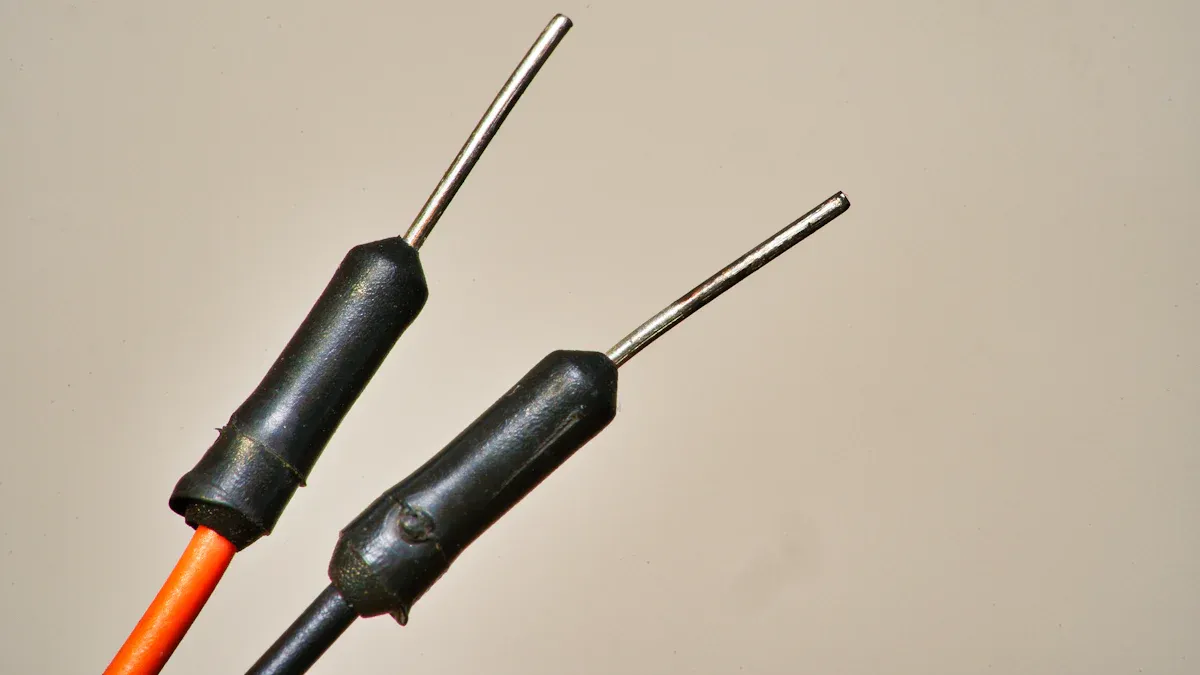
Tools Needed
Before you start, you need the right tools for the job. Using the correct tools helps you get a clean, safe seal every time. Here’s what you should have on hand:
Heat gun or oven (for shrinking the tubing)
Heat-resistant gloves (to protect your hands)
Scissors or a tubing cutter (for cutting the tubing to size)
Ruler or caliper (for measuring the wires and tubing)
Tip: A heat gun works best for most heat shrink tubing jobs. It gives you control and helps you avoid overheating the wires.
Preparation Steps
You want your heat shrink tubing to fit perfectly and last a long time. Good prep makes all the difference. Here’s how you get ready:
Think about how you’ll use the tubing. Will it need to block chemicals or just cover wires? This helps you pick the right thickness and length.
Check the shrink percentage. PET shrink tubing can shrink up to 70%. This means you get a tight seal with no gaps.
Know the shrink temperature. PET tubing starts to shrink at 60°C (140°F). You don’t need to wait long to see results.
Measure your wires and cables. Use a ruler or caliper to make sure the tubing will fit over them before you shrink it.
Note: If you want the best electrical installation, always match the tubing size to your wires. This keeps everything safe and snug.
Application Process
Now you’re ready to use the heat shrink tubing. Follow these steps for a smooth installation:
Cut the tubing to the right length. Make sure it covers the area you want to protect, with a little extra on each end.
Slide the tubing over the wires or cables before you connect them. If you forget, you’ll have to start over!
Position the tubing so it covers the spot you want to insulate. Double-check that it’s centered.
Put on your heat-resistant gloves. Hold the heat gun about 2-4 inches from the tubing.
Turn on the heat gun. Move it in slow circles around the tubing. Don’t stay in one spot too long, or you might burn the tubing.
Watch as the tubing shrinks. It will wrap tightly around the wires, making a strong seal.
For best results, keep the temperature between 70°C (158°F) and 190°C (374°F). Most jobs work best at 150°C (302°F).
Let the tubing cool before you touch it.
Tip: PET heat shrink tubing is faster to install than other types like FEP. You don’t need fancy tools—just a heat gun and a steady hand.
Inspection After Shrinking
You want to make sure your heat shrink tube did its job. Here’s how you check your work:
Look for a tight seal with no air bubbles or wrinkles.
Make sure the tubing hugs the wires and connectors. There should be no loose spots.
Check that the tubing didn’t move during shrinking. It should still cover the area you wanted to protect.
If you see gaps or the tubing didn’t shrink enough, you may need to apply heat again or start with a smaller size.
Note: A good seal keeps your electrical connections safe from moisture, dust, and chemicals. This is key for protecting wires and making your installation last.
You can trust heat shrink tubing to give you a strong, reliable seal. With these steps, you’ll get a professional result every time.
Safety and Troubleshooting Heat Shrink Tube
Safety Tips
You want to stay safe when working with PET shrink tubing. Here are some simple tips to help you avoid accidents:
Always wear heat-resistant gloves. This keeps your hands safe from burns.
Use a heat gun instead of an open flame. A heat gun gives you more control and helps you avoid damaging the tubing.
Work in a well-ventilated area. This helps you avoid breathing in any fumes.
Keep flammable materials away from your workspace.
Let the tubing cool before you touch it. Hot tubing can burn your skin.
Tip: Double-check your tools before you start. A working heat gun and clean workspace make the job easier and safer.
Common Mistakes
You might run into problems if you rush or skip steps. Here are the most common mistakes people make with PET shrink tubing:
Choosing the wrong size. If the tubing is too small, it won’t fit. If it’s too big, it won’t seal tightly and can let in water or dust.
Overheating the tubing. Too much heat can melt or discolor the tubing. This weakens its durability and waterproofing.
Not moving the heat gun around. If you keep the heat in one spot, the tubing can shrink unevenly and leave weak spots.
If you avoid these mistakes, your electrical connections will stay safe and last longer.
Troubleshooting Issues
Sometimes, the tubing doesn’t shrink the way you want. Don’t worry! You can fix most problems by following these steps:
Check the temperature. Use an infrared thermometer to make sure your heat gun is hot enough. PET tubing needs the right temperature to shrink evenly.
Look at the airflow. Make sure nothing blocks the vents or fans in your workspace. Good airflow helps the tubing shrink smoothly.
Adjust the speed. If you use a conveyor or machine, check the speed settings. Go slower if the tubing isn’t shrinking all the way.
Inspect the tubing. Look for wrinkles or creases. If you see any, try a new piece of tubing or contact your supplier.
Change the tension. If you use a machine, adjust the tension to help the tubing shrink better.
Note: If you still have trouble, try a different piece of tubing or ask for help from a professional.
You can keep your electrical projects safe and strong by following these safety and troubleshooting tips. PET shrink tubing gives you great protection when you use it the right way.
You can make your wires safer with PET shrink tubing. First, choose the right size and type for your job. Clean the wires before you start. Use a heat gun to shrink the tubing tightly. Look for any gaps or bubbles after you finish. These steps help you get strong and lasting protection.
Property/Benefit | Description |
|---|---|
Exceptional insulation | Lowers the chance of electrical problems. |
High thermal stability | Works in heat up to 150°C (302°F). |
Versatility in sizes and designs | Can be used for many different jobs. |
High dielectric strength | Stops electricity from causing short circuits. |
Protection against elements | Blocks out water, dust, and chemicals. |
Stay sure of yourself! PET shrink tubing will keep your wires safe for a long time.
FAQ
How does PET shrink tubing keep wires waterproof?
You get a tight seal when you heat PET shrink tubing. This seal blocks water from reaching your wires. You can trust it to keep your electrical connections waterproof in wet places.
Can I use PET shrink tubing for outdoor waterproof projects?
Yes, you can use PET shrink tubing outside. It stays waterproof even when it rains or gets wet. You protect your wires from water, dust, and dirt with this tubing.
What makes PET shrink tubing better for waterproof insulation?
PET shrink tubing shrinks evenly and grips wires tightly. You get a waterproof barrier that lasts. It resists chemicals and stays strong in tough weather.
Tip: Always check for gaps after shrinking. Gaps can let water in and ruin the waterproof seal.
How do I check if my PET shrink tubing is waterproof?
You can look for a snug fit with no bubbles or wrinkles. If you see gaps, water can get in. You may test by dipping the connection in water and checking for leaks.
Will PET shrink tubing stay waterproof after years of use?
You get long-lasting waterproof protection with PET shrink tubing. It resists heat, chemicals, and bumps. You can count on it to keep your wires safe for years.
See Also
Key Insights on PET Heat Shrink Tubing for Electronics
Applications of Heat Shrink Tubing for Electrical Wire Insulation
Important Guidelines for Effective Use of FEP Heat Shrink Tubing
Selecting the Ideal Ultra-Thin PET Heat Shrink Tubing for Projects

© Copyright 2024 My First Blog - All Rights Reserved.