How to visually identify PET heat shrink tubing with ease

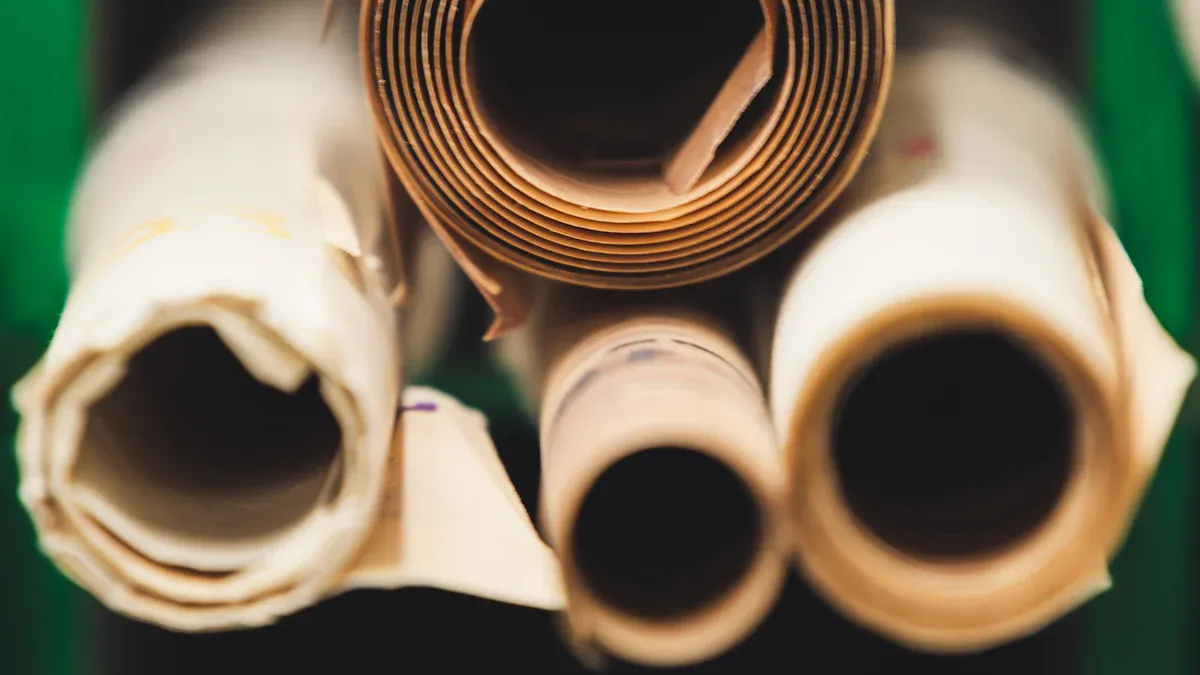
You can spot PET heat shrink tubing by its clear transparency, glossy surface, and even color. PET stands out because it looks smooth and lets you see through it easily. If you wonder how to identify PET heat shrink tubing, check for these signs. You will find that PET tubing often feels lighter and has thinner walls than other types.
Look for a shiny finish.
Check for a uniform, bubble-free appearance.
These simple steps help you make a quick and accurate identification.
Key Takeaways
Look for clear see-through material and a shiny surface to spot PET heat shrink tubing fast.
Check if the color looks the same everywhere and the walls are thin. This means the PET tubing is good and shrinks the same way.
Look for problems like folds and bubbles. These can make the tubing not work well.
Use a heat gun to shrink the tubing evenly. Move the heat gun slowly so you do not get it too hot and make sure it fits tight.
Keep checking the tubing often to get better at spotting it and to stop mistakes when you put it on.
Visual Features of PET Tubing

Clarity and Transparency
When you look at pet heat shrink film, you notice how clear it is. You can see through pet tubing with ease. This clarity helps you check wires or objects inside without any trouble. Pet heat shrink film lets light pass through very well. In fact, pet tubing has a light transmittance of at least 90%. You can compare this with other materials using the table below:
Property | PETG Heat Shrink Tubing | PVC Tubing |
|---|---|---|
Clarity (Light Transmission) | >90% | ~75% |
This high clarity makes pet heat shrink film perfect for jobs where you need to inspect or align parts visually. You get a clear view every time.
Surface Gloss
Pet heat shrink film shines with a glossy surface. When you hold pet tubing under light, you see a bright reflection. This gloss shows that the tubing is smooth and free from rough spots. You can use this shine to spot pet heat shrink film quickly. The gloss also means the tubing will not catch dust or dirt easily. You get a clean look and a professional finish.
Tip: If you see a dull or cloudy surface, you might not have pet heat shrink film. Always check for a shiny gloss.
Uniform Color and Thin Walls
Pet heat shrink film stands out because of its even color and thin walls. You notice that pet tubing does not have streaks or patches. The color stays the same from end to end. Thin walls help with uniform shrinkage when you apply heat. You get a tight fit around wires or connectors. Pet heat shrink film also avoids common defects. You rarely see folds, bubbles, or magazines in quality pet tubing. This means you can trust pet heat shrink film for reliable uniform shrinkage and a neat appearance.
Note: Always check for defects. If you spot bubbles or folds, the tubing may not give you uniform shrinkage.
How to Identify PET Heat Shrink Tubing
Step-by-Step Visual Inspection
You can learn how to identify pet heat shrink tubing by following a simple checklist. Start with a quick visual inspection. Hold the heat shrinkable tube up to the light. Look for clear transparency. Pet heat shrink film lets you see the parts inside. You should notice a glossy surface that reflects light. The color stays even from end to end. Thin walls help the tubing fit snugly around wires or connectors. You can use clear or colored tubing to check the visibility of the components inside.
Here is a checklist to guide you:
Check for clarity. Pet heat shrink film should let you see through the tube.
Look for a shiny, smooth surface. Gloss means the tubing is high quality.
Inspect the color. Pet tubing shows uniform color with no streaks.
Feel the walls. Thin walls help with uniform shrinkage.
Make sure the tubing fits tightly around the parts.
You can use fast visual checks to spot any problems or damage. If you see any issues, you can compare the strength and bendability with other types of heat shrinkable tube. Pet tubing feels lighter and bends easily without cracking. This helps you confirm how to identify pet heat shrink tubing in your project.
Tip: Always use visual inspection before installing the tubing. This step helps you avoid mistakes and ensures uniform shrinkage.
Common Defects to Watch For
When you want to know how to identify pet heat shrink tubing, you must look for common defects. Quality pet heat shrink film should not have folds, bubbles, or magazines. These defects can stop the tubing from shrinking evenly. You may see folds as lines or creases on the surface. Bubbles look like small raised spots. Magazines appear as streaks or patches inside the tube. If you find any of these, the heat shrinkable tube may not give you uniform shrinkage.
Here is a table to help you spot defects:
Defect Type | What to Look For | Impact on Uniform Shrinkage |
|---|---|---|
Folds | Creases or lines | Uneven fit, poor coverage |
Bubbles | Raised spots | Weak spots, poor sealing |
Magazines | Streaks/patches | Color changes, weak areas |
You should always check for these defects during visual inspection. If you find any, choose another piece of pet heat shrink film. This step helps you get reliable uniform shrinkage every time.
Note: Comparing the strength and bendability of the heat shrinkable tube can help you confirm your choice. Pet tubing bends easily and keeps its shape. You get a tight fit and a neat finish.
PET vs. Other Heat Shrinkable Tube Types

When you choose a heat shrinkable tube, you want to know how pet heat shrink film compares to other materials. Each type has its own look and performance. You can spot differences in clarity, gloss, wall thickness, and flexibility. These features help you pick the right tube for your project and get uniform shrinkage every time.
PET vs. Polyolefin
Polyolefin is a common heat shrinkable tube. You see it in many electrical jobs. Polyolefin tubing looks more matte and less shiny than pet heat shrink film. You notice that polyolefin does not have the same clear transparency. Pet stands out because you can see through it and check the wires inside. Polyolefin feels thicker and less flexible. Pet heat shrink film bends easily and gives you a tight fit. You get better uniform shrinkage with pet because the walls are thin and the color stays even. Polyolefin may show more defects like folds or bubbles. Pet heat shrink film keeps a smooth surface and a glossy finish.
Tip: If you need to inspect parts inside the tube, pet heat shrink film is the better choice.
PET vs. PVC
PVC is another popular heat shrinkable tube. You see it in many colors and sizes. PVC tubing looks less clear than pet heat shrink film. The surface is not as glossy. You find that PVC has thicker walls, which can make uniform shrinkage harder to achieve. Pet heat shrink film has thin walls, from 0.00015 to 0.004 inches, while PVC walls are usually thicker than 0.005 inches. Pet gives you better flexibility and a lighter feel. You get superior electrical insulation and higher temperature resistance with pet. PVC ages faster and does not resist UV rays as well. Pet heat shrink film lasts longer and keeps its shape.
Here is a table to help you compare:
Feature | PET Heat Shrink Tubing | PVC Heat Shrink Tubing |
|---|---|---|
Clarity | High transparency | Moderate transparency |
Surface Gloss | Glossy | Less glossy |
Wall Thickness | Thin (0.00015–0.004 in) | Thick (>0.005 in) |
Flexibility | High | Moderate |
Electrical Insulation | Superior | Lower |
UV Resistance | Better | Susceptible |
Aging | Durable | Ages quickly |
PET vs. FEP
FEP is a special heat shrinkable tube used for high-performance jobs. FEP tubing looks very clear, almost like pet heat shrink film. You notice that FEP has a smooth surface but does not shine as much as pet. FEP resists chemicals and heat very well. Pet heat shrink film gives you better uniform shrinkage because the walls are thinner and the color stays even. FEP feels stiffer and does not bend as easily as pet. You get more flexibility and a lighter touch with pet heat shrink film. If you need a tube for visual inspection and easy handling, pet is a smart choice.
Note: Always check the wall thickness and surface gloss when you compare heat shrinkable tube types. These features help you get uniform shrinkage and a neat finish.
Mistakes and Pro Tips
Avoiding Color Confusion
Color confusion happens often when you work with heat shrinkable tube in busy places like data centers. You might mix up LAN, power, and fiber optic lines if you do not use color-coded shrink labels. Always check the color before you install the tube. You can use colored heat shrinkable tube to mark different cables. This step helps you avoid mistakes and keeps your work organized. If you use heat shrinkable tubes with glue, make sure the color matches your project needs. You will find that color coding saves time and prevents errors.
Checking for Subtle Defects
You need to look closely for small defects in heat shrinkable tube. Even tiny folds, bubbles, or streaks can affect the quality of heat shrinkable tube. Hold the tube up to the light and check for a smooth surface. You should see no raised spots or lines. If you find any defects, choose another tube. You can use a table to remember what to look for:
Defect Type | What to Check | Why It Matters |
|---|---|---|
Folds | Creases | Weak seal |
Bubbles | Raised spots | Poor fit |
Streaks | Color changes | Uneven shrink |
Apply heat evenly with a heat gun. Start at one end and move slowly to the other. This method helps you avoid wrinkles and keeps the tube strong. Overheating can melt or discolor the tube, so use a heat gun with adjustable settings.
Quick Tips for Accurate ID
You can follow these tips to identify pet heat shrinkable tube quickly and avoid common mistakes:
Measure the diameter of the cable and connectors before you choose the tube.
Pick a tube with a shrink ratio that fits your needs. A 2:1 ratio works for most jobs, but higher ratios help with odd shapes.
Make sure the tube matches the material you need for your project.
Allow the tube to cool before you touch it. This step keeps the shape and prevents damage.
Preparation and precision during installation help you get a secure and professional finish.
"Preparation and precision during installation are key to achieving a secure and professional finish. By following these tips, you can avoid installation mistakes and ensure the tubing performs as intended."
Here are the most common mistakes you should avoid:
Selecting the wrong size can cause leaks or uneven seals.
Overheating the tube can melt or discolor it, making it weak.
Failing to apply heat evenly leads to uneven wall thickness and weak seals.
You can improve your results by checking the tube before installation and using the right tools. When you pay attention to these details, you get better performance and a neat finish every time you use heat shrinkable tube.
You can spot PET heat shrink tubing by looking for clear, shiny, and even color. These signs help you check if things line up right and stop mistakes. Placing the tubing carefully helps it shrink the same all over. When you learn to spot PET tubing, you get more good things:
Advantage | Description |
|---|---|
Thin-Wall Control | Makes thin walls that still stay strong. |
High Electrical Insulation | Keeps things safe and working well. |
Mechanical Strength & Wear Resistance | Makes the tubing tougher and stops it from wearing out. |
High Transparency | Lets you see inside easily for checks. |
You also get labels that are waterproof, tough, and safe from chemicals. These labels stay easy to read even in hard places. If you keep practicing and pay close attention, it gets easier each time.
FAQ
How can you tell PET heat shrink tubing from other types?
You see PET tubing as clear and shiny. The walls look thin and the color stays even. Other types often look cloudy or dull. PET feels light and bends easily.
Does PET heat shrink tubing resist chemicals?
Yes, PET tubing resists many chemicals. You can use it in places with oil, grease, or cleaning agents. It keeps its shape and stays strong.
Can you use PET heat shrink tubing outdoors?
You can use PET tubing outdoors. It resists UV rays and weather. The tubing does not crack or fade quickly. You get a long-lasting cover for wires.
What is the best way to shrink PET tubing?
Use a heat gun for best results. Start at one end and move slowly. Keep the gun moving to avoid overheating. The tubing shrinks evenly and fits tightly.
Is PET heat shrink tubing safe for electrical work?
Yes, PET tubing gives strong electrical insulation. You can use it for wires and connectors. It keeps your work safe and neat.
See Also
Selecting The Ideal Ultra-Thin PET Heat Shrink Tubing
Key Insights On PET Heat Shrink Tubing For Electronics
A Comprehensive Guide To Selecting Heat Shrink Tubing Size

© Copyright 2024 My First Blog - All Rights Reserved.