How to Choose Shrink Insulation Tubing for Your Project


Imagine you need to keep wires safe from water or tidy up cables at your desk. You have to pick the right shrink insulation tubing by looking at the type, size, material, and any special features your project needs. Heat shrink tubing goes around wires and gets smaller when you heat it. This makes a strong shield against water and things that can scratch wires. You can use heat shrink tubing to fix broken insulation, make tight seals that keep out water, or stop wires from breaking when pulled. Colored tubing lets you mark and group wires so you can find them easily.
Reason for Use | Description |
|---|---|
Protects from moisture and abrasion | Heat shrink tubing makes a tough shield that keeps connections safe from things like water and dirt. |
Restores insulation for damaged wires | Single-wall polyolefin tubing works well for fixing wires and joining them together. |
Creates watertight seals | Adhesive-lined heat shrink is best for tough places, like on boats. |
Provides strain relief | It makes splices stronger, so wires last longer when pulled. |
Aids in organization and identification | Colored tubing helps you group and mark wires to keep things neat. |
Flexible protection for irregular shapes | Cold shrink tape works in tight spots without taking off connectors. |
You will learn how to pick the right features for your project with easy, step-by-step help.
Key Takeaways
Pick the right heat shrink tubing for your project needs, like if you need it to block water or handle heat. Measure the biggest and smallest parts of your wires or connectors. This helps you choose tubing that fits well and stays in place. Think about what the tubing is made of. Polyolefin works for many jobs. PVC is good for easy projects. Fluoropolymer is best if things get very hot. Use colored tubing to help you tell wires apart. This keeps your project tidy and looking nice. Always look at the shrink ratio before you buy. This makes sure the tubing will fit tight after you heat it. It also helps protect your wires from harm.
What Is Shrink Insulation Tubing?
Definition and Purpose
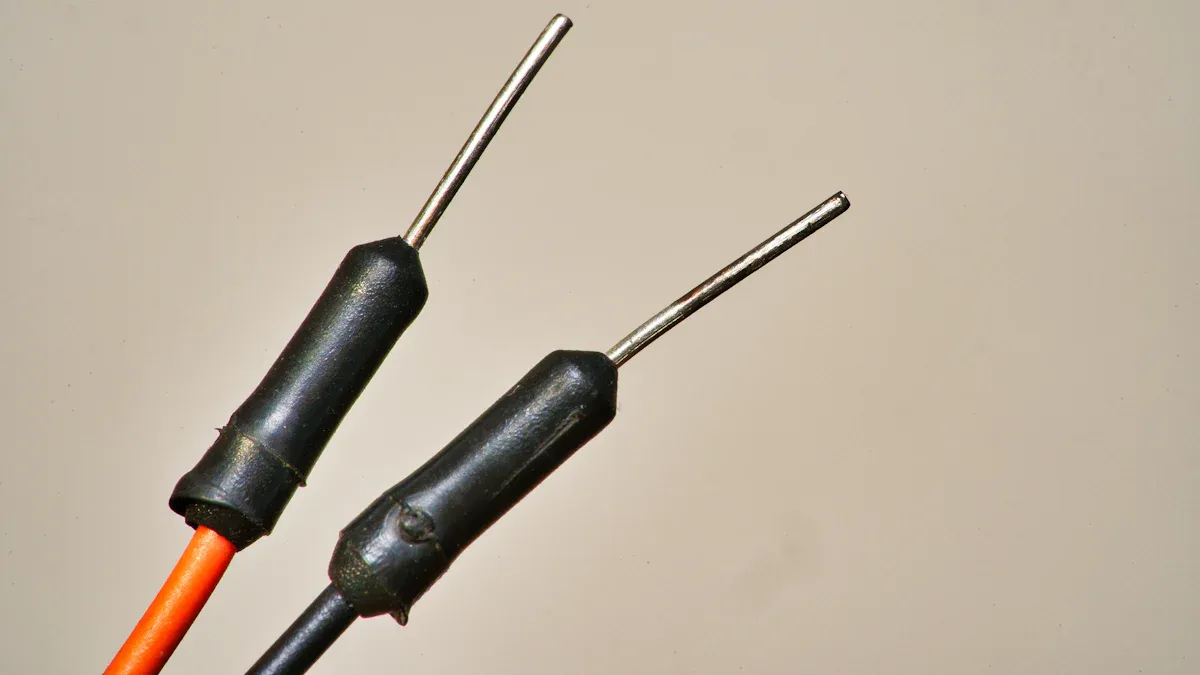
Shrink insulation tubing is a bendy plastic tube. You put it over wires or connections. When you heat the tubing, it gets smaller and fits tightly. This makes a safe cover that keeps the wire protected. There are different kinds of heat shrink tubing for different jobs. Here are some types you might use:
Standard heat shrink tubing is good for most projects. It works in heat from 105 to 135 degrees Celsius.
Polyolefin heat shrink tubing is used a lot. It can handle cold and hot, from -55 to 135 degrees Celsius.
Polyvinyl chloride heat shrink tubing gives strong insulation. It wraps around wires very well.
Ultra-thin heat shrink tubing is much thinner than normal. People use it for medical tools or tiny electronics.
High-temperature heat shrink tubing can take heat up to 250°C. It is used in cars or airplanes.
Double-wall heat shrink tubing has two layers. It seals better and keeps water out.
Halogen-containing or halogen-free heat shrink tubing lets you pick what is best for the environment.
Flame retardant heat shrink tubing helps stop fire from spreading in dangerous places.
People use shrink insulation tubing to make wires safer. It helps wires last longer and keeps them from getting hurt.
Common Applications
You see heat shrink tubing in many electrical and mechanical jobs. It helps keep wires safe and neat. The table below shows how you can use this tubing:
Function | Description |
|---|---|
Electrical Insulation | Covers bare wires and splices with a layer that does not carry electricity. This stops shorts and problems. |
Mechanical Protection | Protects cables from getting scratched, wet, or damaged by chemicals and sunlight. This helps wires last longer. |
Strain Relief | Makes cable joints and connectors stronger. It lowers stress where wires bend or connect. |
Bundling & Organization | Keeps loose wires together in one group. This makes wires easier to handle. |
Color Coding | Lets you use colors to mark wires so you can tell them apart. |
You can use heat shrink tubing almost anywhere you need to protect or organize wires. It works in electronics, cars, boats, and home repairs. The tubing can handle hot and cold and still works well in tough places.
Tip: Always pick the right kind of heat shrink tubing for your project and the heat it will face. This gives you the best results.
Key Factors for Choosing Shrink Tubing
When you pick heat shrink tubing, you need to think about a few things. You want the tubing to fit your project so it works well and keeps wires safe. Let’s look at what you should check.
Application Needs
First, think about how you will use the heat shrink tubing. Every job is different and needs different things. Here are some things to look at:
Electrical property needs
Where you will use it (inside, outside, wet, dry, hot, cold)
Tubing size
Shrink ratio
Wall thickness
Special things your project needs
It is important to know where you will use the tubing. If your project has rubbing, bending, chemicals, or sunlight, you need tubing that can handle these. For example, if you work outside, you may need UV resistance. If you work underground, you might need fungus resistance.
Tip: Measure your wires or connectors before picking tubing. Pick a shrink ratio that fits tight. Think about what your project needs for insulation and safety.
Material Types
The material you choose changes how well the tubing works. It affects how strong, safe, and tough the tubing is. Here are some choices:
Material Type | Advantages | Disadvantages |
|---|---|---|
Polyolefins | Great electrical insulation, strong, stands up to weather | Not as bendy, can change size |
PVC | Cheap, good insulation | Not as good with heat as others |
PTFE | Handles high heat, great with chemicals | Costs more, not for all jobs |
Polyolefin is used a lot because it keeps wires safe from water and sunlight. PVC is good for simple jobs and stops wires from getting scratched. PTFE is best when you need to handle heat and chemicals.
AccuPath’s PET heat shrink tubing is another good choice. PET tubing is strong and clear. It works well in electronics, power, and cars. You can use PET tubing to keep wires safe and dry. It is great for sealing splices, connectors, and terminals.
Material | Dielectric Strength | Chemical Resistance | Environmental Resistance |
|---|---|---|---|
Polyolefin | High | Medium | Good (water, sunlight) |
PVC | Medium | Good | Great (scratches) |
Fluoropolymer | Excellent | Best | Great (heat, chemicals) |
Wall Thickness
Wall thickness changes how bendy and strong the tubing is. You need to match the wall thickness to your job.
Wall Type | Thickness Range | Main Uses | Key Benefits |
|---|---|---|---|
Thin-Wall | 0.2-0.5mm | Marking wires, light insulation | Bendy, takes up little space |
Medium-Wall | 0.5-1.0mm | Protecting wires, bundling cables | Good mix of strength and bendiness |
Heavy-Wall | 1.0-2.5mm | Tough jobs, strong protection | Very strong, stops scratches |
Heavy-wall tubing gives more safety but bends less. Thin-wall tubing bends more but protects less. Medium-wall tubing is in the middle. If you need the most strength, pick heavy-wall tubing for tough jobs.
Wall Thickness Type | Insulation and Protection Level | Flexibility |
|---|---|---|
Heavy-wall tubing | More safety | Bends less |
Single/thin-wall tubing | Less safety | Bends more |
Medium wall tubing | High | Bends more |
Shrink Ratio
Shrink ratio tells you how much the tubing gets smaller when heated. You need to pick the right ratio for your job.
2:1 Shrink Ratio: Good for most jobs and bundling wires.
3:1 Shrink Ratio: Best for odd-shaped connectors.
4:1 Shrink Ratio: Used when sizes are very different.
Shrink Ratio | Description | Use Case |
|---|---|---|
2:1 | Gets half as small, good for most jobs. | Bundling wires, basic insulation. |
3:1 | Gets one-third as small, fits odd shapes. | Covers big connectors or splices. |
4:1 | Gets one-fourth as small, for big size changes. | Used in tough jobs, covers large connectors. |
To pick the right shrink ratio:
Measure the biggest part of your wire or connector.
Measure the smallest part for a tight fit.
Use 2:1 for small size changes.
Use 3:1 for medium changes, like connectors.
Use 4:1 for big changes or tight seals.
Think about the material and where you will use it.
Bigger ratios make it easier to put on and fit better.
Adhesive vs. Non-Adhesive
You can pick tubing with glue inside or without glue. Tubing with glue makes a seal that keeps out water and air. It keeps out water, chemicals, and rust. Tubing without glue gives basic safety but does not stop water as well.
Feature | Adhesive-Lined Tubing | Non-Adhesive Tubing |
|---|---|---|
Sealing Properties | Makes a seal that keeps out water and air | Does not make a water seal |
Environmental Protection | Stops water, chemicals, and rust | Basic safety, not much water protection |
Applications | Good for wet jobs | Good for simple safety and protection |
Tubing with glue is best for wet places or where there is a lot of water. It is also good for salt, chemicals, dust, dirt, and big pressure changes. For example, if you fix a wire on a machine that gets wet, dirty, and shakes, you need tubing with glue for a good seal.
Color and Clarity
Color and see-through tubing help you keep wires neat and easy to find. Some jobs need special colors to mark wires. You can get tubing in many colors.
Colored tubing helps you mark and sort wires.
It makes fixing and checking wires easier.
Different colors can make your project look better.
Using colors can make your work look neat and pro.
Clear tubing lets you see the wire or connector under it. This helps when you need to check wires or read labels.
Note: Pick colors that fit your job. Use clear tubing if you want to see the wire or connector.
If you match the tubing’s features—material, wall thickness, shrink ratio, glue, and color—to your job, you get the best safety and fit. Double wall tubing gives extra safety for tough jobs. Always check what your project needs before you choose.
Sizing Heat Shrink Tubing
Measuring for Fit
Getting the right fit is the first step for any heat shrink tubing project. You want the tubing to cover your wires or connectors without being too tight or too loose. Start by measuring the diameter of the largest part you need to cover. Use a ruler or caliper for the most accurate result. Next, measure the smallest part that the tubing will shrink onto. Write down both numbers.
Follow these steps for the best results:
Measure the largest diameter of your wire, cable, or connector.
Measure the smallest diameter that the tubing must grip after shrinking.
Check the length you need. Make sure the tubing is a little longer than the area you want to cover. This helps you avoid gaps after shrinking.
Tip: Always measure before you buy. This helps you avoid mistakes and makes sure you get the correct sizing.
Selecting Tubing Size
Now you can pick the right size of heat shrink tubing. Look for tubing with an expanded inside diameter at least 20-30% larger than your largest measurement. This makes it easy to slide the tubing over your object. After shrinking, the tubing should grip the smallest part tightly. Check the shrink ratio on the package. For example, a 2:1 ratio means the tubing will shrink to half its original size.
Here is a simple guide:
Step | What to Do |
|---|---|
1 | Find tubing with an expanded diameter 20-30% larger than your largest measurement. |
2 | Make sure the recovered diameter is smaller than your smallest measurement. |
3 | Choose the largest size that fits for easy installation and proper wall thickness. |
4 | Consider wall thickness for extra protection. |
5 | Try a test fit before using heat. |
Choosing the correct sizing helps your heat shrink wrap work well and last longer. If you want clear, strong, and reliable tubing, AccuPath’s PET heat shrink tubing is a great choice for many projects.
Note: Good sizing keeps your wires safe and makes your project look neat.
Shrink Insulation Tubing Comparison Guide
Tubing Types Overview
There are many kinds of heat shrink tubing for different jobs. Each kind has special things that make it good for certain uses. The table below helps you see the main types and how they compare:
Type of Tubing | Properties | Best Uses | Temperature Range | Pros | Cons |
|---|---|---|---|---|---|
Polyolefin | 2:1 or 3:1 shrink ratio, flexible | Automotive, marine, electronics | -55°C to 135°C | Flame-retardant, flexible | None notable |
Rigid, high gloss finish | Wire marking, color coding | Up to 105°C | Low cost, bright colors | Less flexible, not flame-retardant | |
Dual-Wall Adhesive-Lined | Thick, watertight seal | Marine, outdoor electrical work | Up to 125°C | Seals out water, strong protection | Thicker, less flexible |
Fluoropolymer | Extreme durability, chemical safe | Aerospace, medical | Up to 250°C | High-temp, chemical resistance | Expensive, less flexible |
Elastomeric | Oil-resistant, flexible | Industrial equipment | Varies | Handles oil, stays flexible | Higher cost, limited ratios |
Note: AccuPath’s PET heat shrink tubing is strong and clear. It works well for electronics, power, and cars.
Best Uses by Type
Picking the right shrink insulation tubing depends on your project. Here is a short guide to help you choose the best tubing for your needs:
Polyolefin: Use this for most car, boat, and electronics jobs. It works in hot or cold places and does not get hurt by chemicals.
PVC: Pick this for marking wires or using colors. It is good for easy jobs that do not need to handle much heat.
Dual-Wall Adhesive-Lined: Choose this for outside or wet places. It keeps water out and protects wires in bad weather.
Fluoropolymer: Use this for airplane or medical work. It can take very high heat and strong chemicals.
Elastomeric: Pick this for places with oil or grease, like factories or big machines.
If you want tubing that is clear and strong, PET heat shrink tubing from AccuPath is a good pick. It keeps wires dry and safe in many places.
Tip: Always check what your project needs before you choose a type. The right tubing keeps your work safe and helps it last longer.
Specialty Heat Shrink Tubing Options
High-Temperature Tubing
Sometimes you need tubing that can take a lot of heat. High-temperature tubing keeps wires safe in hot places. You see this tubing in cars, planes, hospitals, and electronics. It stops wires from melting or getting weak.
Here is a table that shows how high-temperature tubing helps in different jobs:
Application Sector | Performance Characteristics |
|---|---|
Healthcare | Covers and protects medical tools. Blocks dirt and germs. |
Electrical & Electronics | Gives strong cover for wires and parts. Stops heat from hurting them. |
Automotive | Guards wires, connectors, and sensors from heat, water, and chemicals. |
Aerospace | Protects airplane wires. Follows strict safety rules and works in hard places. |
Tip: Always check the heat rating before you pick tubing for hot spots.
Chemical-Resistant Tubing
Some jobs need tubing that does not get hurt by chemicals. Chemical-resistant tubing keeps wires safe from acids, oils, and cleaners. You find this tubing in factories, labs, and places with lots of chemicals.
The table below shows what each material can block:
Material Type | Chemical Resistance Properties |
|---|---|
Fluororubber (Viton) | Blocks solvents, acids, and bases. |
Polyvinylidene fluoride (Kynar) | Handles chemicals and high heat very well. |
Polytetrafluoroethylene (PTFE) | Gives the best shield from chemicals and stops rust. |
If you work with strong cleaners or fuels, use tubing made from these materials. This keeps your wires safe and working longer.
Flame-Retardant Tubing
Flame-retardant tubing helps stop fire from spreading fast. You use this tubing where safety matters most, like in buildings, cars, and planes. It slows down flames and gives you more time to fix things.
Use flame-retardant tubing for extra safety at home, work, or in cars.
Pick tubing that meets fire safety rules.
Note: AccuPath’s PET heat shrink tubing is strong and protects well. It works great for electronics, cars, and power systems.
Choosing the right special tubing helps keep wires safe from heat, chemicals, and fire. Always match the tubing to your project for the best results.
Step-by-Step Selection Checklist
Review Project Needs
Start by thinking about what your project needs. Every job is different, so you should look at these points:
Choose a material that fits your use. Polyolefin gives you toughness and flexibility. PVC works well for demanding places. Fluoropolymer resists chemicals and heat.
Make sure the tubing can handle moisture, chemicals, and UV rays if you use it outside.
Check if you need color-coded or clear tubing for easy wire identification.
Look for tubing that comes in many sizes. This helps you cover different wires and connectors.
Pay attention to the heat shrink temperature. Some projects need tubing that works in extreme heat or cold.
Tip: Testing a small piece before you finish helps you see if the tubing works well in your setting.
Match Tubing Features
You need to match the tubing features to your project for the best results. Use this table to help you compare:
Factor | Description |
|---|---|
Material Type | Pick a polymer that gives you the right mix of flexibility, durability, and resistance. |
Shrinkage Ratio | Higher ratios work better for odd shapes or big connectors. |
Size | The tubing should be a bit bigger than your wire but small enough to shrink tight. |
Temperature Rating | Make sure the tubing can handle the heat or cold in your project. |
Wall Thickness | Thicker tubing protects better against scratches and heat. |
AccuPath’s PET heat shrink tubing gives you strong, clear protection for many projects. It works well in electronics, cars, and power systems.
Confirm Sizing
Follow these steps to make sure your tubing fits right:
Measure the largest part of your wire or connector with a ruler or caliper.
Pick a shrink ratio that matches the size change you need. Common ratios are 2:1, 3:1, and 4:1.
Choose tubing with an expanded inside diameter at least 20-30% bigger than your largest measurement.
Check that the recovered diameter will grip the smallest part tightly after shrinking.
Slide the tubing on for a test fit before you use heat.
Note: Good sizing keeps your wires safe and makes your work look neat.
Choosing the right shrink insulation tubing helps you protect your wires and keep your project safe. You should match the tubing type, size, and material to your needs. Remember these key points:
Pick the correct size to prevent damage.
Use single-wall or dual-wall tubing for the right moisture protection.
Try color or clear tubing for easy identification.
Always measure carefully and follow each step in the checklist. For strong, clear protection, AccuPath’s PET heat shrink tubing is a smart choice. Review your project needs before you buy.
FAQ
What is the best way to shrink heat shrink tubing?
You should use a heat gun for the best results. Hold the gun a few inches away and move it back and forth. The tubing will shrink evenly and fit tightly.
Can I use a lighter or hair dryer to shrink tubing?
A lighter can burn the tubing. A hair dryer may not get hot enough. For safety and best results, use a heat gun.
How do I know which size tubing to pick?
Measure the largest part you want to cover. Choose tubing with an expanded diameter 20–30% bigger. Check that the recovered diameter fits tightly after shrinking.
Is clear heat shrink tubing available?
Yes, you can find clear tubing. Clear tubing lets you see wires or labels underneath. AccuPath’s PET heat shrink tubing offers strong, clear protection for many projects.
Does heat shrink tubing protect against water?
Adhesive-lined tubing seals out water and moisture. Use this type for outdoor or wet locations. Non-adhesive tubing gives basic protection but does not make a watertight seal.
See Also
Selecting The Ideal Ultra-Thin PET Heat Shrink Tubing
A Comprehensive Guide To Selecting Heat Shrink Tubing Sizes
Exploring Heat Shrink Tubing Applications For Electrical Insulation

© Copyright 2024 My First Blog - All Rights Reserved.