Why High Temperature Heat Shrink Solutions Are Essential for Aerospace and Automotive Industries

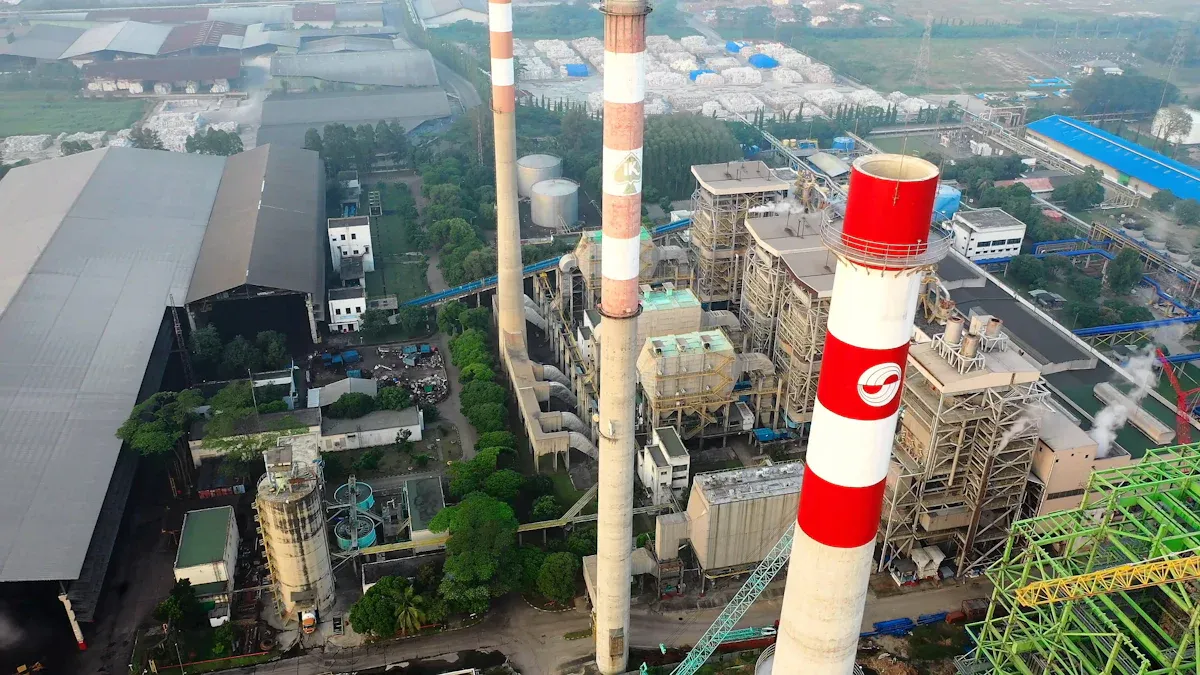
You have many problems to solve in aerospace and automotive work. High temperature heat shrink solutions protect your equipment very well. There is a lot of heat, rubbing, water, and chemicals that can hurt your cables and parts. You need strong solutions that work in these hard places. High temperature heat shrink solutions help cables last up to 50% longer. They also lower electrical failures by almost 30%, as you can see in the table below:
Evidence Type | Description |
|---|---|
IEEE Report | About 30% of electrical failures happen because cable insulation gets worse from things in the environment. |
IEC Study | Heat shrink materials can make cables last up to 50% longer if put on the right way. |
High temperature heat shrink solutions keep your equipment working and safe. These solutions work better than other choices in tough places.
Key Takeaways
High temperature heat shrink solutions make cables last longer by up to 50%. They also cut down electrical problems by almost 30%. These solutions keep cables safe from very hot or cold temperatures. They also protect from scratches and chemicals. This makes sure things work well even in tough places. Using heat shrink tubing helps follow important rules in the industry. It also makes things safer in aerospace and automotive work. Multi-layered heat shrink tubing is very strong and lasts a long time. It stops wires from getting hurt and keeps signals clear. Buying high temperature heat shrink solutions saves money on repairs. It also helps your systems last longer.
Industry Demands and Challenges
Extreme Temperatures
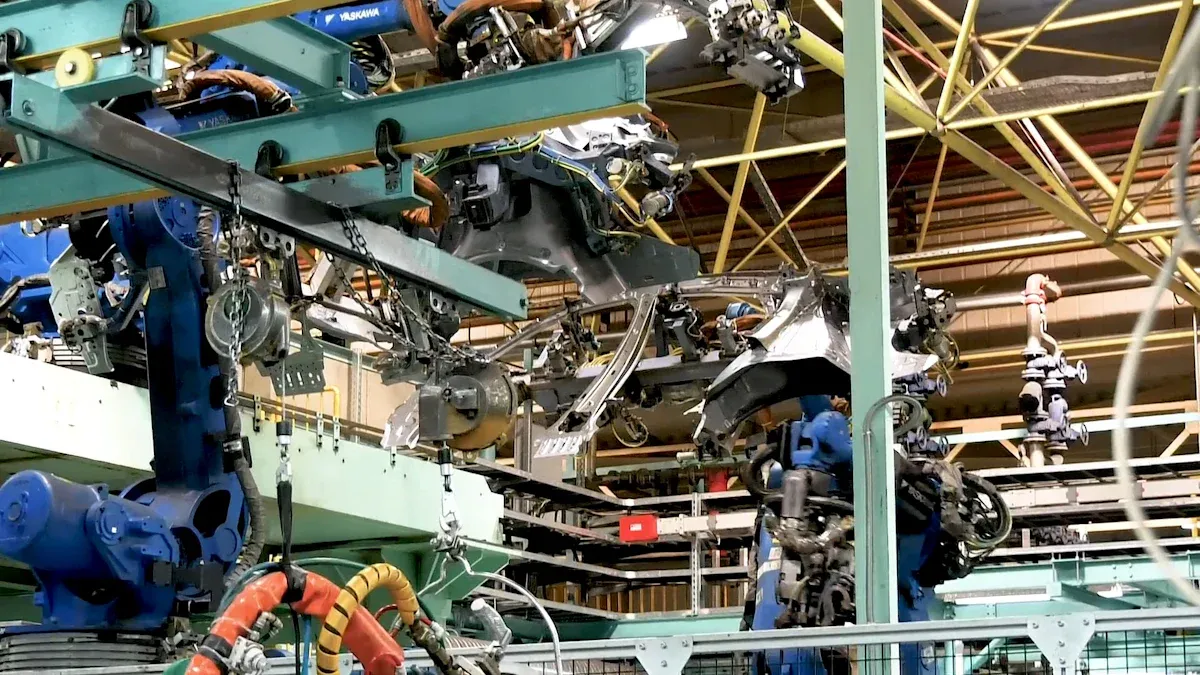
In aerospace and automotive work, you deal with very hot and cold temperatures. Engines, electrical systems, and 5g networks must work when it is as hot as 175 °C or colder than freezing. Heat shrink tubing helps protect wires and parts in these tough places. New materials can handle heat aging up to 225 °C. The aviation industry wants to use new fuels and electric planes to help the planet. Rules are getting stricter for cleaner solutions and lower emissions. You need heat shrink tubing that meets MIL-STD-810G and Fluorosilicone standards, as shown here:
Standard | Temperature Range | Description |
|---|---|---|
MIL-STD-810G | -2.0 °C to +175 °C | Checks how materials work in very hot and cold places. |
Fluorosilicone | -60 °C to +175 °C | Works in high heat, even up to 225 °C. |
Abrasion and Chemical Exposure
You face rubbing and chemicals that can damage your systems. Two-body abrasive wear happens when metal parts rub together. Three-body abrasive wear happens when small pieces get between surfaces and cause damage. Heat shrink tubing gives protection and insulation for engines, brakes, and fuel systems. New materials can resist fuel, chemicals, and water. Rules like EU REACH and RoHS say you must not use dangerous chemicals in cars and telecom. The table below shows types of abrasive wear:
Type of Abrasive Wear | Description | Applications |
|---|---|---|
Two-body abrasive wear | Metal parts rub together, harder metal scratches the other. | Aerospace: Engines, flight controls; Automotive: Brakes, engine parts. |
Three-body abrasive wear | Small pieces get between surfaces and cause damage. | Aerospace: Fuel systems, fuselage; Automotive: Suspension, transmission parts. |
Insulation and Protection Needs
You need to keep electrical systems safe in aerospace, automotive, and telecom. Heat shrink tubing must be thick enough, hold up to high voltage, and pass tests. New ideas help make insulation and protection better. Tests check thickness, voltage, and how well tubing stands up to the environment. Rules like FMVSS 302 and MIL-I-631 set safety and fire standards. Using heat shrink tubing helps protect against water and chemicals and supports the planet. 5g networks need good insulation to work well. Heat shrink tubing is important for new materials and ideas in every use.
High Temperature Heat Shrink Solutions in Action
Superior Thermal Resistance
You need heat shrink tubing for very hot and cold places. It protects wires and parts from heat up to 400°C. This keeps your systems safe when engines run or planes fly. Multi-layered heat shrink tubing uses special materials. These include fluoropolymers and silicone rubber. These materials fight off chemicals and high heat. Your cables last longer because of this. The table shows how each product works in tough places:
Product Type | Maximum Temperature Rating |
|---|---|
MF392 | 200°C |
Modified Polyimide Tape | 350°C (mechanical usage) / 220°C (electrical applications) |
Modified Polyimide Tape | 400°C (mechanical usage) |
Heat shrink tubing also passes tough tests for fire and chemical safety. It works for both planes and cars. Your systems stay safe even with heat, fuel, and fluids. Multi-layered heat shrink tubing helps electronics work well in hard places.
Tip: Multi-layered heat shrink tubing is simple to put on. It fits wires tightly. This gives better heat protection and less chance of overheating.
Strain Relief and Durability
Aerospace and automotive systems move and shake a lot. Heat shrink tubing helps cables not break or wear out. Multi-layered heat shrink tubing gives more strength and insulation. This stops problems like broken wires and cracked insulation. You also avoid signal loss and electrical faults.
Heat shrink tubing is stronger than electrical tape. It can take hits, cuts, and stress from the environment. It keeps your systems safe from shocks and breakdowns. In important places, heat shrink tubing stops early wear and failure.
Performance Metric | Description |
|---|---|
Tensile Strength | Measures the maximum stress a material can withstand while being stretched. |
Ultimate Elongation | Indicates how much a material can stretch before breaking. |
Dielectric Strength | Assesses the material's ability to insulate against electrical breakdown. |
Heat Shock Resistance | Evaluates the material's performance under high-temperature exposure. |
Fluid Resistance | Tests the material's durability against various aerospace fluids. |
Some heat shrink tubing has sensors inside. These sensors check for problems. This makes your systems more reliable and helps you fix things early.
Moisture and Dust Protection
You must keep water and dust away from wires. Waterproof heat shrink tubing blocks water, dust, and damage from outside. You use it for outdoor electronics, boats, and wires underground. This keeps your systems working for a long time.
Waterproof heat shrink tubing stops water from getting in.
It keeps dust and dirt out of connections.
Your aerospace and automotive systems last longer.
Heat shrink tubing works in very hot and rough places.
Heat shrink tubing stops problems like cracked insulation and signal loss. It keeps your systems safe from water and dust. Multi-layered heat shrink tubing gives strong protection everywhere.
Note: Using heat shrink tubing helps you follow safety rules. It also lowers repair costs. Your systems keep working well in any place.
Heat Shrink Tubing Applications
Aerospace Applications
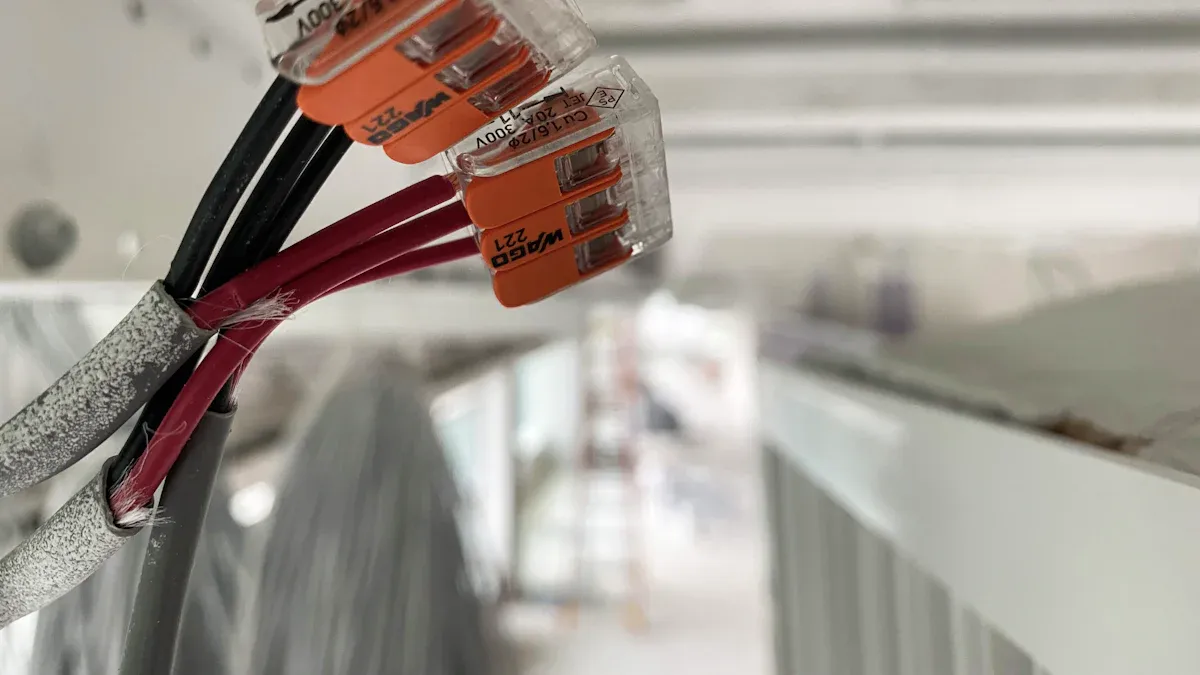
Heat shrink tubing is used a lot in aerospace. It helps protect cables from heat, shaking, and chemicals. You put heat shrink tubing on wires near engines and exhausts. This keeps the cables safe when it gets hot. It also seals connectors and gives strain relief. This stops water from getting in and keeps cables from breaking. You can bundle cables together to keep them neat and safe from damage.
Wire and cable insulation keeps cables safe in hot places.
Connector sealing and strain relief stop water and stress damage.
Bundling wires keeps cables neat and safe.
People use heat shrink tubing to make systems work better. Studies show polyimide tubes can handle -196 °C to 295 °C. These tubes stay strong without extra help. This means fewer problems and longer cable life. You also spend less money fixing things because the tubing stops rust and damage.
Tip: When you put on heat shrink tubing, you must deal with heat, shaking, and chemicals. Careful work makes cables last longer.
Automotive Applications
In cars, heat shrink tubing protects electrical parts. It covers wires and connectors to stop shorts. It also keeps wires safe from shaking and heat. The tubing blocks rust and water. It also protects cables from chemicals and sunlight.
High temperature heat shrink tubing stops damage from use.
It blocks rust and water.
It helps systems work better and fail less.
Heat shrink tubing acts like a sleeve to guard cables. You see fewer broken wires and fires. This saves money, especially in electric cars. Cables last longer and you fix things less often.
Note: Using heat shrink tubing in cars helps you follow safety rules and keeps everything working well.
Comparing Solutions and Lifecycle Value
Conventional Insulation vs. Heat Shrink
You have many ways to protect cables and parts. High temperature heat shrink solutions work better than electrical tape. They give stronger protection and last longer. Heat shrink tubing is easy to put on. It stays soft and flexible after shrinking. Electrical tape can get hard and break. Heat shrink tubing handles more heat. It works from –60°C to +200°C. Electrical tape only works in a small temperature range.
Feature | Heat Shrink Solutions | Conventional Insulation Materials (e.g., Electrical Tape) |
|---|---|---|
Thermal Resistance | Operates at –60°C to +200°C | Limited temperature range |
Mechanical Protection | Provides strong, long-lasting protection | Less durable, can wear out over time |
Flexibility | Remains soft and flexible after shrinking | Can become stiff and brittle over time |
Chemical Resistance | Resists oils, solvents, and UV exposure | Deteriorates under sunlight and chemical exposure |
Electrical Insulation | High dielectric strength | Varies, may not provide consistent insulation |
Heat shrink tubing gives strong protection from damage. It resists oils, chemicals, and sunlight. Electrical tape can break down in the sun or with chemicals. Heat shrink tubing also gives better electrical insulation. Electrical tape may not always stop electrical problems.
Tip: Pick heat shrink tubing for hard jobs. It protects better and makes cables last longer.
Lifecycle Cost Benefits
You save money and time with high temperature heat shrink solutions. You do not need to fix or replace cables as often. Heat shrink tubing lasts longer and keeps cables safe in tough places. This helps you avoid early problems and stops downtime. You also follow safety rules and standards.
The main things to look for are temperature resistance, chemical resistance, durability, flexibility, and electrical insulation. FEP tubing can take heat up to 200°C. It protects against fuels and fluids in cars and planes. It also blocks UV rays and stands up to shaking. Flexible tubing is easy to use. Good electrical insulation keeps your systems safe.
Factor | Description |
|---|---|
Temperature Resistance | FEP tubing can withstand temperatures up to 200°C, ensuring performance in high-heat environments. |
Chemical Resistance | Offers robust protection against aviation fuels and automotive fluids, crucial for fuel line applications. |
Withstands environmental stress such as UV radiation and mechanical vibrations, enhancing lifespan. | |
Flexibility | Provides ease of installation and adaptability in various applications. |
Electrical Insulation | Ensures reliable protection for electrical components in harsh conditions. |
Heat shrink tubing gives you value for a long time. It lowers repair costs and keeps your systems working. You protect your equipment and make it more reliable.
Note: Using high temperature heat shrink solutions helps you meet industry needs and keeps your equipment safe for many years.
You use high temperature heat shrink solutions to keep systems safe. These products cover wires and seal connectors. They also help stop wires from breaking in tough places.
Biodegradable and recyclable materials are good for the planet.
New ways to make these products cut down on pollution.
Aspect | Details |
|---|---|
Market Value | USD 1.2 billion in 2023 |
Temperature Range | Up to 260°C (500°F) |
Compliance | Meets UL 224, Mil Spec, FDA standards |
Experts say more people will need these solutions soon. As systems get harder to build, these products will be even more important.
FAQ
What is high temperature heat shrink tubing?
High temperature heat shrink tubing is a protective sleeve. You use it to cover wires and parts. It shrinks when you apply heat. This creates a tight seal that protects against heat, chemicals, and abrasion.
How do you install heat shrink tubing?
You slide the tubing over the wire or connector. You use a heat gun to shrink it. The tubing fits tightly and seals the area. You get strong protection in just a few minutes.
Where should you use high temperature heat shrink solutions?
You use high temperature heat shrink solutions in places with extreme heat, chemicals, or vibration. These include engines, electrical systems, and connectors in aerospace and automotive work.
What standards should heat shrink tubing meet?
You should look for tubing that meets standards like MIL-STD-810G, UL 224, and FMVSS 302. These standards show the tubing can handle heat, fire, and chemicals safely.
See Also
How Non-Toxic FEP Heat Shrink Tubing Transforms Industrial Applications
The Importance of Ultra-Thin PET Tubing in Healthcare Technology
Key Reasons FEP Heat Shrink Tubing Is Vital Across Industries
Revolutionary FEP Heat Shrink Tubing Manufacturer for Healthcare Solutions
Latest Innovations in FEP Heat Shrink Tubing for Medical Applications

© Copyright 2024 My First Blog - All Rights Reserved.