The Complete Guide to Heat-Shrink Tubing: Applications, Materials, and Selection

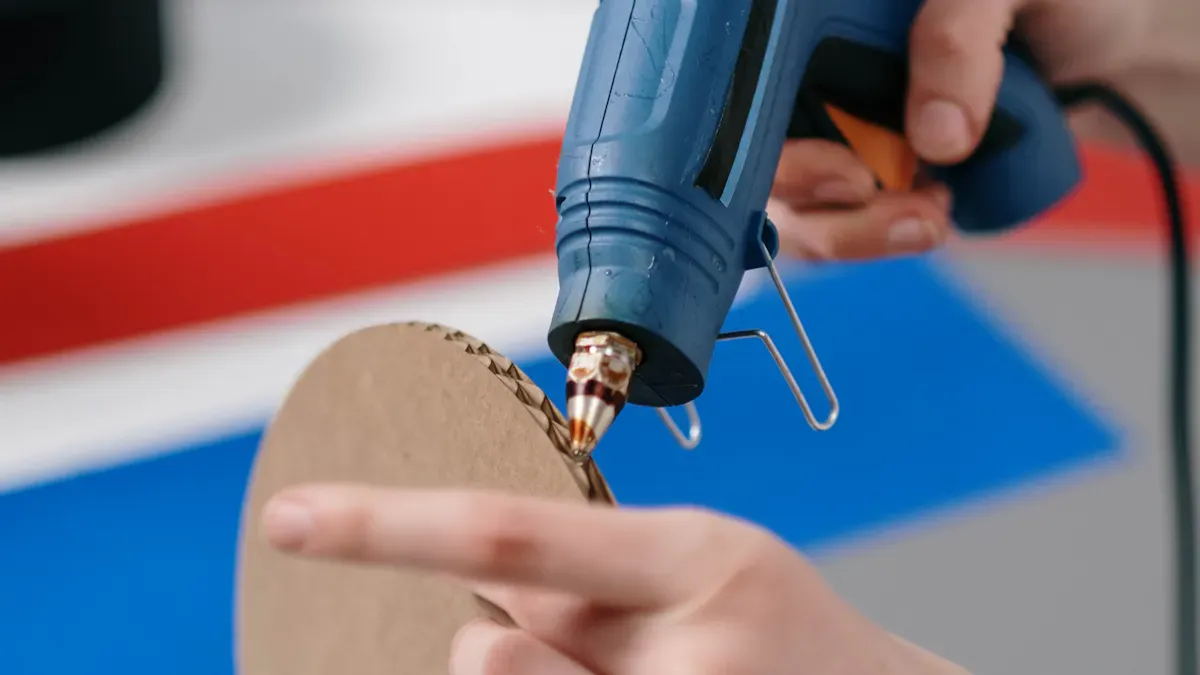
You encounter heat-shrink tubing in critical environments where safety and reliability matter most. Heat shrink tubing surrounds wires or components, shrinking tightly when heated to provide protection and insulation. This technology shields sensitive electronics and medical devices from moisture, chemicals, and abrasion, keeping systems organized and secure. AccuPath leads innovation in advanced materials for medical devices, supporting high standards in healthcare.
The global heat shrink tubing market reached approximately USD 2.1 billion in 2024.
Projections show growth to around USD 3.2 billion by 2032, with a CAGR of 5.8%.
Benefit | Description |
|---|---|
Protection | Shields sensitive components from environmental hazards like chemicals and abrasion. |
Improved organization | Facilitates neat arrangement of wires, reducing clutter and potential hazards. |
Water defensiveness | Offers resistance to moisture, enhancing safety in electrical applications. |
Chemical resistance | Protects against corrosive substances, crucial for medical and electrical safety. |
Enhanced structural support | Provides additional strength to components, improving overall performance. |
Key Takeaways
Heat-shrink tubing provides essential protection for wires and components, shielding them from moisture, chemicals, and abrasion.
Selecting the right material and wall thickness is crucial for ensuring safety and reliability in electrical and medical applications.
Proper installation techniques, such as even heating and correct sizing, are vital for achieving a secure fit and optimal performance.
AccuPath offers advanced heat-shrink tubing solutions tailored for medical devices, enhancing safety and compliance with industry standards.
Understanding shrink ratios helps you choose the right tubing for various applications, ensuring a snug fit around connectors and wires.
What Is Heat-Shrink Tubing?
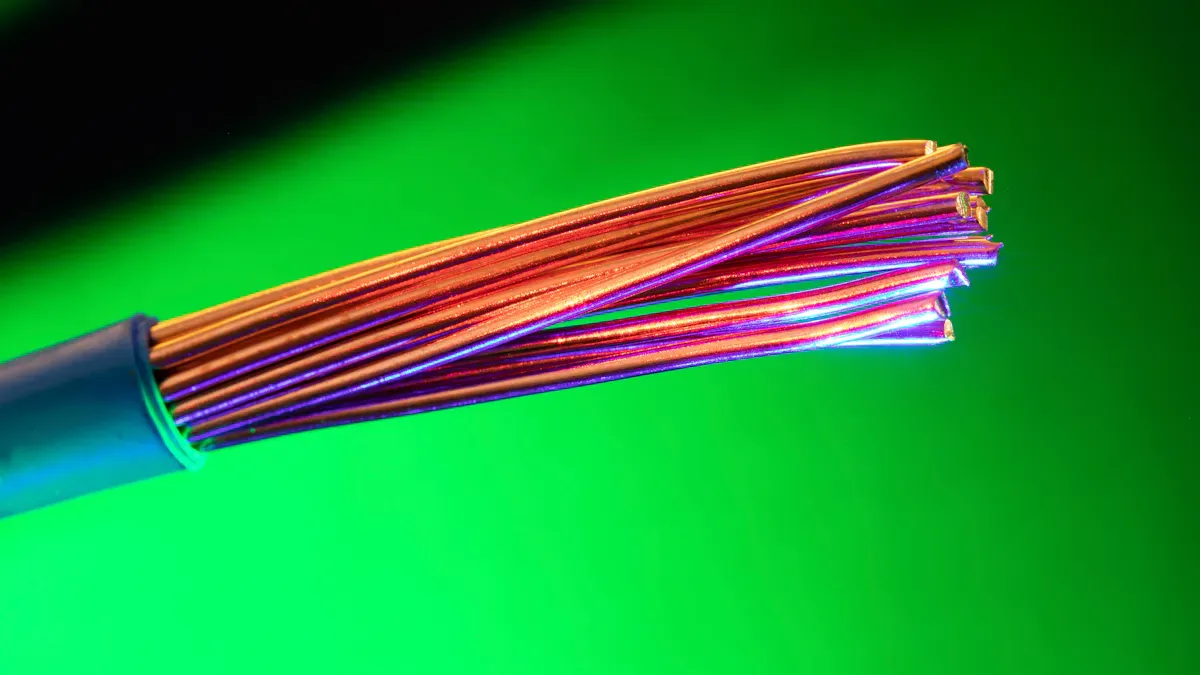
Heat Shrink Tubing Definition
You encounter heat-shrink tubing in many industries where safety and reliability are essential. This heat shrink product consists of a specially formulated plastic tube that shrinks in diameter when you apply heat. You use it to insulate wires, protect components, and bundle cables. International standards organizations define heat-shrink tubing with strict criteria to ensure quality and safety. The following table summarizes key standards:
Standard | Description | Key Features |
|---|---|---|
UL 224 | Primary standard for extruded insulating tubing in low-voltage applications | Tests for shrink recovery, flammability performance (VW-1 rating) |
SAE AS23053 | General specification for aerospace heat-shrinkable insulation sleeving | Continuous operating temperatures from -80°C to +250°C, environmental resistance tests |
MIL-DTL-23053 | Military specification for heat-shrink tubing | High-reliability features, color coding for wire identification and bundling |
ISO 9001 | Quality management standard for manufacturing processes | Criteria for consistent production processes |
RoHS directive | Environmental compliance standard | Restrictions on hazardous substances, promoting halogen-free materials for safety and environment |
You rely on these standards to ensure that every heat shrink tubing you use meets the demands of your application, whether in electrical systems or advanced medical devices.
How Heat Shrink Tubing Works
You activate the unique properties of heat-shrink tubing by applying heat, usually with a heat gun or controlled oven. The heat shrink product responds by contracting tightly around the underlying material. This process relies on the physical and chemical structure of the tubing:
The plastics in heat-shrink tubing undergo a polymerization process when heated. This change is permanent, so the tubing does not return to its original size after cooling.
Heating causes the unpolymerized material to transition into a polymerized state. The increased bonding between atoms forces the tubing to contract and form a snug fit.
You benefit from this reliable transformation because it creates a seamless barrier that protects against moisture, chemicals, and abrasion. The heat shrink product adapts to different shapes and sizes, making it a versatile solution for electrical insulation, cable bundling, and component protection.
Importance in Electrical and Medical Fields
You depend on heat-shrink tubing for critical protection in both electrical and medical environments. In electrical applications, you use this heat shrink product to insulate wires, prevent short circuits, and organize complex wiring systems. The tubing provides strong resistance to chemicals, which extends the lifespan of your equipment. You also gain mechanical protection that reduces the risk of damage and electrical hazards.
In medical device manufacturing, you select heat shrink tubing for its ultra-thin wall design and biocompatibility. These features allow you to create safer, more user-friendly devices. The tubing maintains its shape and strength after repeated use, ensuring reliable insulation for sensitive components. You can sterilize the heat shrink product using methods like autoclaving or gamma radiation. The smooth, non-porous surface makes cleaning and disinfection easy, which enhances patient safety.
You find heat-shrink tubing in surgical instruments, catheters, and other devices where insulation, sealing, and protection are vital. The combination of chemical resistance, mechanical durability, and compatibility with sterilization methods makes this heat shrink product indispensable in modern healthcare and electrical engineering.
Applications of Heat-Shrink Tubing
Electrical Insulation and Protection
You rely on heat-shrink tubing for electrical insulation and protection in many industries. This tubing creates a secure barrier around wires and connectors, preventing short circuits and shielding components from moisture and chemicals. You often see heat shrink tubing used in motor lead terminations, control panel wiring, and transformer insulation. The following table shows common applications across different sectors:
Industry | Applications |
|---|---|
Electrical Equipment | Motor lead terminations, control panel wiring, cable harness assembly, transformer insulation |
Telecommunications | Fiber optic protection, splice enclosures, network equipment management, environmental sealing |
Automotive and Transportation | Wire harness protection, connector insulation, battery terminal protection, sensor cable reinforcement |
Aerospace | Aircraft wire bundling, high-temperature wiring, avionics connections, flame-retardant insulation |
Electronics and Consumer | Component lead insulation, wire-to-board connections, EMI shielding, battery pack assembly |
Power Tools and Appliances | Cord strain relief, internal wiring protection, handle grip enhancement, temperature-resistant connections |
You choose heat-shrink tubing because it offers reliable electrical insulation and a durable protective covering for sensitive electronics.
Cable Bundling and Strain Relief
You use heat shrink tubing to organize cables and provide strain relief. This application keeps wires neat and reduces the risk of damage from bending or pulling. Compared to cable ties, heat-shrink tubing delivers better electrical insulation, environmental protection, and a more professional appearance. The table below highlights key differences:
Feature | Heat Shrink Tubing | Cable Ties |
|---|---|---|
Electrical Insulation | Provides a protective barrier against shorts | Limited insulation properties |
Environmental Protection | Resistant to moisture, chemicals, and temperature variations | Minimal protection against elements |
Strain Relief | Excellent strain relief, preventing damage from bending or stretching | Limited strain relief |
Identification | Available in various colors, can be labeled | No identification features |
Professional Appearance | Clean and professional look | Often looks less tidy |
You gain a safer and more organized workspace by choosing heat-shrink tubing for cable management.
Medical Device Uses with AccuPath
You find heat-shrink tubing essential in medical device manufacturing. In catheter production, PET heat shrink tubing ensures a precise fit and strong insulation. You use it to join medical tubing, insulate wires in sensitive electronics, and protect drug delivery systems from chemical degradation. PET tubing withstands high-temperature sterilization, meeting strict healthcare standards. AccuPath enhances these applications by offering advanced customization and superior material properties. You benefit from tailored solutions that improve device reliability and safety, especially in PFA catheter systems where insulation and maneuverability are critical.
Tip: AccuPath’s PET heat-shrink tubing and polyimide solutions help you meet demanding requirements for modern medical devices.
Industry Examples: Automotive, Aerospace, Healthcare
You see heat-shrink tubing in many industries beyond healthcare. In automotive applications, you use dual-wall adhesive tubing to protect wiring harnesses and ensure long-lasting insulation. Aerospace engineers rely on flame-retardant tubing to reinforce aircraft wiring and maintain safety at high altitudes. In healthcare, you create sterile tool handles and seal sensor leads with FDA-compliant tubing, supporting both protection and sanitization. These examples show how heat-shrink tubing serves as a versatile protective covering for electronics and critical components across industries.
Materials for Heat Shrink Tubing
Polyolefin and Common Materials
You encounter a wide range of materials when selecting a heat shrink tube for your project. Polyolefin stands out as the most popular choice, holding over 56.3% of the market share in 2025. You choose polyolefin for its cost-effectiveness and versatility. PVC offers a budget-friendly option for specific uses, such as low-voltage electrical insulation. Fluoropolymers provide high-temperature resistance and chemical inertness, making them suitable for demanding environments. You rely on these common heat shrink tubing materials to meet the requirements of electrical, automotive, and industrial applications.
Polyolefin delivers flexibility and reliable insulation.
PVC serves as a cost-effective solution for basic protection.
Fluoropolymers withstand extreme temperatures and harsh chemicals.
You select the material based on the demands of your application, ensuring optimal performance and safety.
PET Heat Shrink Tube by AccuPath
You benefit from advanced PET heat shrink tube solutions when working with medical devices. AccuPath offers PET heat shrink tube with unique properties that enhance device reliability and patient safety. You find PET heat shrink tube crafted from non-toxic materials, providing exceptional insulation and protection. The flexible design allows seamless integration into complex device shapes, supporting long-term durability.
Unique Property | Benefit in Medical Device Manufacturing |
|---|---|
Enhanced insulation and protection | Ensures optimal device performance and reliability |
Biocompatibility and safety | Prioritizes patient safety and regulatory compliance |
Flexibility and durability | Allows seamless integration into complex geometries |
Compliance with medical standards | Ensures reliability in diverse clinical settings |
You trust AccuPath’s PET heat shrink tube to meet strict medical standards and deliver consistent results in clinical environments.
Specialty Materials: Polyimide, PTFE, PFA
You encounter specialty materials when you need advanced performance from your heat shrink tube. Polyimide provides excellent mechanical strength and high-temperature resistance, making it ideal for aerospace and medical applications. PTFE and PFA offer superior chemical compatibility and withstand extreme temperatures. You select these materials for critical environments where reliability and safety are essential.
Material | Temperature Resistance | Chemical Compatibility |
|---|---|---|
FEP | Lower shrink temperature, reducing risk of damage | Excellent chemical resistance, smooth surface enhances moisture resistance |
PTFE | Higher shrink temperature compared to FEP | Excellent chemical resistance |
PFA | Similar to PTFE, but more expensive | Excellent chemical resistance |
You choose the right heat shrink tube material based on your application’s requirements, balancing insulation, durability, and compatibility. AccuPath’s advanced materials, such as PET heat shrink tube and polyimide tubing, help you achieve superior performance in medical and industrial settings.
Tip: You improve device safety and efficiency by selecting the appropriate heat shrink tube material for each application.
Types of Heat Shrink Tubing
Wall Thickness Options
You select wall thickness based on your application’s demands. Thin-wall tubing offers flexibility and fits tight spaces. Medium-wall tubing balances protection and flexibility. Heavy-wall tubing withstands harsh environments and provides maximum durability. The table below helps you compare options:
Wall Type | Thickness Range | Primary Applications | Key Benefits |
|---|---|---|---|
Thin-Wall | 0.2-0.5mm | Wire identification, light insulation | Flexibility, minimal space required |
Medium-Wall | 0.5-1.0mm | General wire protection, cable bundling | Balanced protection and flexibility |
Heavy-Wall | 1.0-2.5mm | Harsh environments, mechanical protection | Maximum durability, abrasion resistance |
Shrink Ratios Explained
You encounter shrink ratios when choosing the right tubing for your project. Shrink ratio describes how much the tubing reduces in diameter after heating. Common ratios include:
2:1 Shrink Ratio: Tubing shrinks to half its original diameter. You use this for general-purpose tasks and simple wire connections.
3:1 Shrink Ratio: Tubing shrinks to one-third its original size. You select this for bulky connectors or irregular shapes.
4:1 Shrink Ratio: Tubing contracts to a quarter of its original diameter. You rely on this for bridging gaps between large connectors and thin cables.
The table below summarizes these ratios:
Shrink Ratio | Description | Application | Value |
|---|---|---|---|
2:1 | Reduces to 50% of original diameter | General-purpose, simple wire connections | Cost-effective, solves most needs |
3:1 | Shrinks to one-third of original size | Bulky connectors, irregular terminals | Ensures firm shrinkage |
4:1 | Contracts to a quarter of original size | Large connectors, thin cables | Versatile, simplifies inventory |
Adhesive-Lined vs. Standard Tubes
You choose between adhesive-lined and standard tubing based on sealing and durability requirements. Adhesive-lined tubing seals and bonds cable joints, providing moisture resistance and waterproofing. You use it in harsh environments like automotive or marine applications. Standard tubing offers basic insulation and flexibility but does not seal gaps. The table below compares both types:
Type | Advantages | Disadvantages |
|---|---|---|
Seals cable joints, moisture resistance, waterproofing | Higher cost, less flexibility | |
Standard Tubing | Basic insulation, flexible | No sealing, less moisture resistance |
Tip: You improve reliability in demanding environments by selecting adhesive-lined tubing for critical connections.
Color Coding and Markings
You rely on color coding and markings to identify wires quickly. This system reduces wiring errors and supports standardized practices. In regulated industries, color coding enhances safety and operational efficiency. You see immediate visual cues that help you comply with industry standards and streamline maintenance.
Note: You simplify troubleshooting and ensure compliance by using color-coded heat-shrink tubing.
Heat Shrink Tube Specifications
Sizing and Fit
You must pay close attention to sizing and fit when selecting heat shrink tubing for your project. Understanding the application and defining requirements ensures you choose tubing that meets your needs. Start by measuring the largest diameter the tubing must slide over before shrinking. Next, check the smallest diameter it must cover after shrinking. These measurements help you determine how to pick the right size heat shrink tubing for your wires or components.
Consider the minimum wall thickness based on your electrical property requirements and the potential for abrasion or wear. Tubing with a thicker wall provides better protection in demanding environments. Always verify that your choice aligns with regulatory requirements such as UL, CSA, or ASTM specifications. These standards guarantee that the tubing will perform reliably in your application.
Tip: Double-check all measurements and requirements before making a final selection. This step prevents costly mistakes and ensures a secure fit.
Environmental and Mechanical Factors
Environmental and mechanical factors play a major role in the performance of heat shrink tubing. You need to assess the operating environment and match the tubing’s specifications to your requirements. High temperatures can shorten the lifespan of tubing, so always stay within the recommended shrinking temperatures and melting temperatures for your chosen material.
Exposure to moisture, oils, or chemicals can degrade tubing unless it is specifically designed to resist these elements. For harsh environments, select materials like fluoropolymers such as PFA, which offer excellent resistance to chemicals and UV radiation. These materials help you meet strict requirements for durability and safety.
When reviewing specifications, consider how flexing, abrasion, and environmental exposure will affect the tubing. Meeting all requirements ensures your installation remains safe and reliable over time.
How to Use Heat Shrink Tubing: Selection Guide
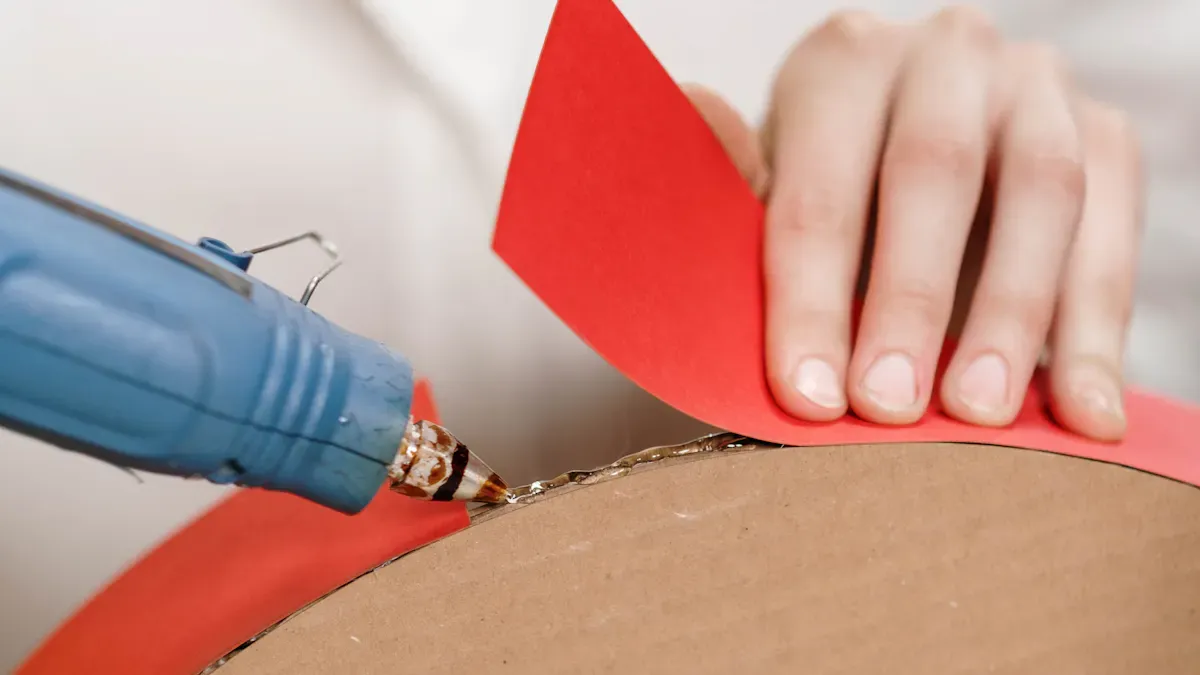
Choosing the Right Material
You must evaluate several factors when making a selection for your application. The right material ensures safety, reliability, and compliance with industry standards. Consider the following properties before you decide:
Factor / Property | Description / Consideration |
|---|---|
Select a material with a shrink temperature that will not damage sensitive components. | |
Operating Temperature | Ensure the tubing withstands the continuous temperature range of your environment. |
Voltage Insulation | Confirm the material insulates against the voltage present in your system. |
Chemical Resistance | Choose tubing that resists chemicals found in your application, such as oils or acids. |
UV Exposure | For outdoor use, select materials with UV resistance. |
Water Exposure | Use double-walled tubing for moisture sealing and corrosion prevention. |
Flexibility | Match the flexibility of the tubing to your installation needs. |
Fire Resistance | Opt for flame-retardant materials for added safety. |
Dielectric Strength | High dielectric strength is important for EMI/RFI protection. |
Shrink Ratio | Select a shrink ratio that fits your component and application. |
Single vs Double Wall | Use single-wall for general use, double-wall for enhanced sealing. |
Material Types | Polyolefin, PVC, PTFE, and fabric each offer unique benefits for different environments. |
You improve performance and safety by following these guidelines during material selection. Always review the requirements of your project and consult technical datasheets for compatibility.
Matching Shrink Ratio to Application
You must match the shrink ratio to your component’s size and shape for a secure fit. The shrink ratio tells you how much the tubing will reduce in diameter when heated. For example, a 2:1 shrink ratio means the tubing shrinks to half its original size. Higher ratios, such as 3:1 or 4:1, allow you to cover irregular shapes or larger connectors.
Follow these guidelines for proper selection:
Measure the diameter of the thinnest part the tubing will cover.
Choose tubing with an expanded diameter 20–30% larger than your measurement.
Select a higher shrink ratio for components with varying diameters or complex shapes.
Confirm the tubing can withstand both installation and long-term operating temperatures.
Consider environmental factors such as chemical exposure, UV light, moisture, or abrasion.
Check for required certifications, such as UL or RoHS, for regulated industries.
Tip: You achieve a tight, reliable seal by carefully matching the shrink ratio to your application.
Installation Best Practices
You ensure optimal performance and safety by following best practices during installation. Proper technique prevents damage and guarantees a secure fit.
Cut the tubing to the correct length before application.
Slide the tubing over the component, ensuring the expanded diameter is sufficient.
Use a heat gun to apply even heat along the tubing’s length.
Move the heat source constantly to avoid overheating or splitting.
Follow the manufacturer’s guidelines for temperature and shrinking time.
Inspect the finished installation for gaps, splits, or incomplete shrinking.
Note: You extend the life of your installation by using the right tools and following these guidelines.
AccuPath’s Support for Medical Device Manufacturers
You gain a reliable partner when you work with AccuPath. The company offers comprehensive support for medical device manufacturers, from material selection to quality assurance. You receive technical training on how to use heat shrink tubing in advanced medical applications. AccuPath provides detailed guidelines and hands-on assistance to help you integrate PET heat shrink tubing, polyimide tubing, and other advanced materials into your production process.
You benefit from:
Expert consultation for material and process selection.
Customization services to meet unique device requirements.
Real-time quality monitoring and troubleshooting support.
Training programs for your engineering and production teams.
Ongoing updates on the latest advancements in heat-shrink tubing technology.
You ensure consistent quality and regulatory compliance by partnering with AccuPath. The company’s commitment to innovation and service makes it the reliable global partner who knows your business.
Callout: You can visit AccuPath’s official website for more information on advanced materials and support services.
Troubleshooting Heat Shrink Tubing
Common Installation Issues
You may encounter several installation issues when working with heat-shrink tubing. Addressing these problems early ensures reliable insulation and a professional finish. Follow these steps to prevent and resolve common challenges:
Preheat the tubing. Warm the surrounding area slightly before applying direct heat. This step helps reduce the risk of uneven shrinking.
Apply heat evenly. Move your heat gun slowly and distribute heat across the tubing. Uneven heating can cause wrinkles or even damage the material.
Maintain a safe distance. Hold the heat gun a few inches away from the tubing. Overheating can lead to burns or melting.
Monitor the recovery temperature. Make sure the tubing reaches its specified recovery temperature for a secure fit.
Check for gaps. After shrinking, inspect the tubing for any areas that have not adhered properly. Reapply heat if needed.
Inspect for damage. Look for signs of overheating, such as discoloration or brittleness. Replace damaged tubing to maintain insulation.
Test the fit. Gently tug on the tubing to confirm it is secure. If it moves, reheat for a tighter seal.
Tip: Consistent technique and careful inspection help you avoid most installation problems.
Material Compatibility
You need to ensure that the heat-shrink tubing material matches your application. Not all tubing works with every wire, connector, or device. For medical and electrical uses, always check the manufacturer’s technical sheet for compatibility and recommended heating temperatures. Clean the component thoroughly before installation to promote adhesion and prevent contamination. Medical-grade tubing must comply with FDA requirements and ISO 10993 guidelines for biocompatibility, ensuring safety in sensitive environments.
Safety Tips
You protect yourself and your equipment by following essential safety guidelines:
Use sharp scissors or a utility knife to cut tubing for clean edges.
Position the tubing carefully over the area needing protection before applying heat.
Use a heat gun or oven for even heat distribution. Start heating at one end and move the heat source slowly.
Keep flammable gases and liquids away from your workspace.
Regularly inspect the tubing for signs of wear or damage.
Note: Always follow the manufacturer’s instructions and maintain a safe environment to ensure the best results.
You rely on heat-shrink tubing for critical insulation and protection in both electrical and medical fields. This technology offers mechanical durability, biocompatibility, and resistance to chemicals and sterilization. Proper selection and installation of heat shrink tubing ensure reliable insulation, prevent contamination, and enhance device longevity.
AccuPath delivers tailored solutions with superior quality and innovative technology.
You benefit from exceptional thermal protection, customizability, and strict industry compliance.
Property | Benefit for Engineers and Manufacturers |
|---|---|
Chemical Resistance | Ensures durability in harsh environments |
Thermal Stability | Maintains performance under temperature variations |
Biocompatibility | Essential for medical applications ensuring safety and reliability |
You can use this guide and AccuPath’s advanced materials to achieve project success and improve safety and performance.
FAQ
What is the best way to select heat-shrink tubing for medical devices?
You should review your device’s insulation, biocompatibility, and sterilization requirements. AccuPath’s PET and polyimide tubing offer advanced features for medical applications. Consult technical datasheets and request expert guidance for optimal material selection.
How do you ensure proper installation of heat-shrink tubing?
You need to cut the tubing to size, slide it over the component, and apply even heat with a heat gun. Move the heat source slowly. Inspect the tubing for gaps or incomplete shrinking after installation.
Can heat-shrink tubing withstand sterilization processes?
You can use medical-grade heat-shrink tubing, such as PET or polyimide, for devices requiring sterilization. These materials tolerate autoclaving and gamma radiation. Always verify compatibility with your sterilization method.
What are common mistakes when using heat-shrink tubing?
You may overheat the tubing, causing brittleness or discoloration. Uneven heating leads to wrinkles. Incorrect sizing results in loose fits. Always follow manufacturer instructions and inspect your installation.
Where can you find technical support for advanced heat-shrink tubing solutions?
You can contact AccuPath for expert consultation, training, and troubleshooting. Visit AccuPath’s official website for resources and support tailored to medical device manufacturers.
See Also
A Comprehensive Approach to Selecting Heat Shrink Tubing Sizes
How to Choose Autoclavable FEP Heat Shrink Tubing
Exploring Heat Shrink Tubing Applications for Electrical Insulation
Selecting Optimal FEP Biocompatible Heat Shrink Tubing Solutions
Understanding Differences Between Medical and Industrial Heat Shrink Tubing

© Copyright 2024 My First Blog - All Rights Reserved.