Custom medical grade PET heat shrink secrets you never knew


When you buy custom medical grade PET heat shrink, being exact is important. You need the correct tubing size. The shrink ratio must be just right. The gap should fit well. Always look at compliance and certifications. Speak clearly with your supplier. These tips help you stop common heat shrink tubing errors and make your tubing better every time.
Key Takeaways
Pick the correct size for your heat shrink tubing. It should not be more than 15% bigger than your part’s width. This helps it fit tightly.
Always look for FDA and ISO certifications when you buy medical grade tubing. These certifications make sure it is safe and follows rules for medical use.
Ask your supplier to give you samples before you buy a lot. Testing samples can help you stop expensive errors and make sure it fits right.
Application needs for custom medical grade PET heat shrink
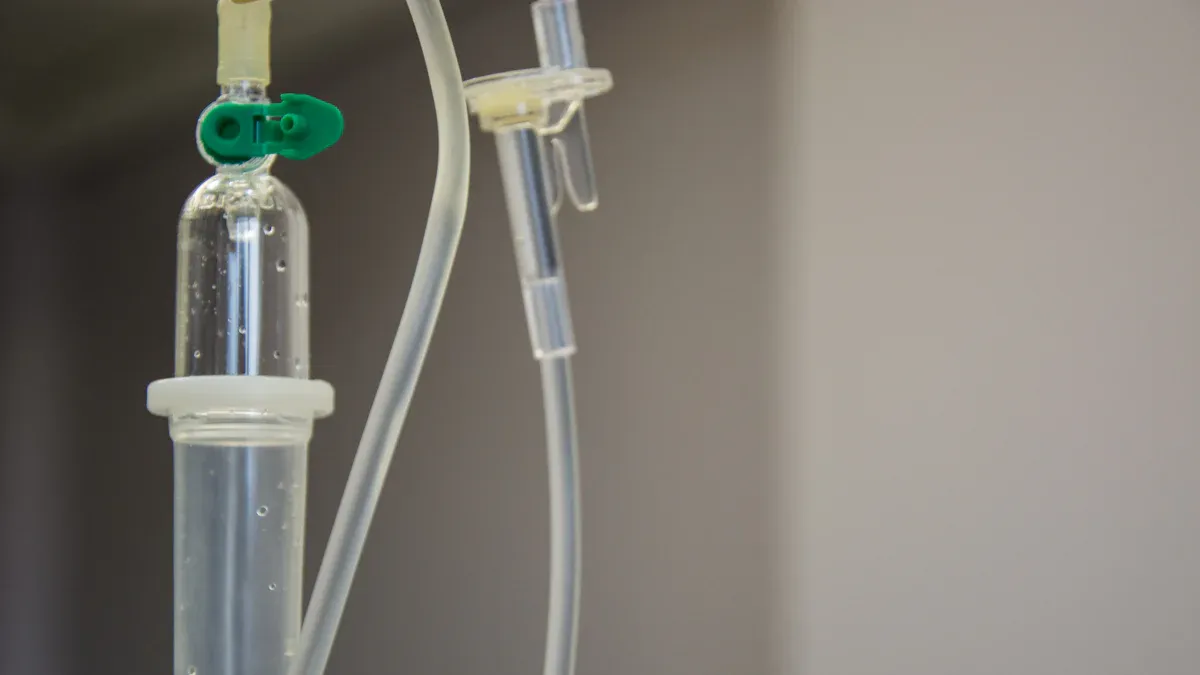
Sizing and fit tips
Getting the right size for your heat shrink tubing matters more than you might think. If you pick tubing that is too big, you risk loose fits and poor insulation. If you go too small, you might not get the coverage you need. The best practice is to choose tubing with an internal diameter no more than 15% above your part’s diameter. This helps you get a snug fit after shrinking.
You also need to think about the fit gap. A tight fit gap keeps your medical device safe and reliable. If the gap is too wide, you might see air bubbles or uneven coverage. These problems can make your tubing fail when you need it most. Always add a little extra length to your tubing to cover the whole part, especially if you expect any movement or stretching.
Here’s a quick look at recommended sizing tolerances for medical grade heat shrink tubing:
Parameter | Tolerance Range |
|---|---|
Diameter | ±0.001" (small sizes) |
±5% (larger sizes) | |
Wall Thickness | ±0.0001" |
±20% (depending on use) |
When you follow these tips, you help your heat shrink tubing perform at its best.
Shrink ratio and temperature
You want your heat shrink tubing to fit perfectly. That’s where the shrink ratio comes in. Most medical grade PET heat shrink tubing uses a 1.1:1 shrink ratio. This means the tubing shrinks just enough to hug your part without leaving gaps. Some projects need a higher ratio, like 3:1, for more complex shapes or extra coverage.
Check out this table to see how shrink ratios match up with different needs:
Shrink Ratio | Application Suitability |
|---|---|
1.1:1 | Ensures snug fit, minimizes gaps |
3:1 | Suitable for various components, enhances performance |
Temperature also plays a big role. If you use the wrong temperature, your tubing might not shrink right. For PET heat shrink tubing, the shrinking temperature usually falls between 70°C (158°F) and 190°C (374°F). Most of the time, 150°C (302°F) works best. Always use a heat gun or oven that can reach and hold these temperatures. This helps your tubing shrink evenly and stick to your part.
Shrinking Temperature | 70°C (158°F)–190°C (374°F) |
|---|---|
Recommended Temperature | 150°C (302°F) |
Clarity and flexibility
You might wonder why clarity and flexibility matter in heat shrink tubing. Clear tubing lets you see what’s happening inside your device. This is important if you need to monitor fluid flow or check for leaks. Flexible tubing bends and twists to fit around tricky shapes. It won’t crack or break when you move your device.
Clear tubing helps you watch fluids in real time.
Flexible tubing fits complex designs and keeps working even when bent.
Both features make your medical device safer and more reliable.
When you choose heat shrink tubing with the right clarity and flexibility, you make your job easier and your device better. You get peace of mind knowing your tubing will perform in tough medical settings.
Compliance and certifications (FDA, ISO)
When you buy medical grade PET heat shrink tubing, you must check for certifications and compliance. These are not just simple steps. They help keep patients safe. They also make sure your devices work well. The medical device industry has strict rules. If you skip these steps, you could face delays or recalls. Patients could even get hurt. Here is what you need to know about certifications and compliance for heat shrink tubing.
Medical grade PET standards
Medical grade PET heat shrink tubing is not the same as regular industrial tubing. The difference is in the strict standards, certifications, and compliance. Medical grade tubing must pass hard tests for safety, biocompatibility, and cleanliness. Agencies like the FDA and groups that set ISO certifications make these rules.
Here is a quick look at the main standards for medical grade PET heat shrink tubing:
Regulatory Standard | Description |
|---|---|
ISO 10993 | Sets safety rules for medical devices based on body contact and time. |
USP Class VI | Makes sure materials used in devices are safe for the body through many tests. |
Medical grade PET heat shrink tubing is made in cleanrooms. This keeps the tubing free from dust and germs. Industrial tubing does not need this level of care. Medical grade tubing also meets FDA and ISO 10993 rules. Industrial tubing follows less strict rules.
Aspect | Medical Grade PET | Industrial Grade PET |
|---|---|---|
Biocompatibility | Goes through tough testing (like USP Class VI) for safety with human tissue | Focuses on being strong for harsh conditions |
Regulatory Compliance | Meets FDA and ISO 10993 standards | Follows less strict standards |
Manufacturing Environment | Made in cleanrooms to stop contamination | Made in regular settings |
You can see that certifications and compliance are very important in the medical device industry. They make sure your tubing is safe for patients and ready for use in hospitals and clinics.
Biocompatibility and regulatory needs
Biocompatibility is a big word, but it means something simple. Your heat shrink tubing must be safe for the human body. It cannot cause harm, irritation, or allergies. The FDA and ISO certifications say all medical grade PET heat shrink tubing must pass strict biocompatibility tests.
These tests include:
Injections to check for reactions.
Toxicity checks to make sure the tubing does not release harmful chemicals.
Implant evaluations to see if the tubing is safe inside the body.
PET heat shrink tubing must meet ISO 10993 and USP Class VI rules. These standards show that the tubing is safe, strong, and ready for medical use. The FDA and medical-grade compliance rules make sure your tubing will not fail when it matters most. You also need to think about biocompatibility and chemical resistance. This means your tubing will not break down or react with medicines or body fluids.
Regulatory agencies like the FDA, USP, and ISO set the rules for biocompatibility. They make sure every piece of tubing meets the highest safety standards. If you want to avoid problems, always ask your supplier for proof of certifications and compliance.
Documentation for compliance
You cannot just trust what a supplier says. You need real paperwork to prove your heat shrink tubing meets all rules. This is where documentation helps. Good documentation shows that your tubing passed all tests, meets FDA and ISO certifications, and is safe for use in the medical device industry.
Here is a table of the documents you should ask your supplier for:
Documentation Type | Description |
|---|---|
Certificates and test results | For FDA, ISO 10993, and USP Class VI compliance. |
Batch records | Details on production and testing timelines. |
Quality manuals | Outline of quality control processes. |
Medical device files | Product information and labeling details. |
Record-keeping rules | Guidelines for keeping up-to-date records. |
Validation Master Plans | Plans for future checks and validations. |
Product Quality Reviews | Checks to make sure standards are met. |
Lab reports | Proof of safety and biocompatibility. |
Tip: Always ask for certificates and test results before you order. This helps you avoid mistakes and keeps your project on track.
If you want to do well in the medical device industry, you need to know why certifications and compliance matter. Make sure your heat shrink tubing meets all rules. Check for FDA and ISO certifications. Ask for proof. Keep your records up to date. When you do these things, you protect your patients, your business, and your reputation.
Customization options for PET heat shrink
If you need a special medical solution, you want tubing that fits just right. Medical grade heat shrink tubing lets you change many things. You can choose how thick the walls are. You can pick the color. You can even add labels. These choices help you meet special medical design needs.
Wall thickness choices
There are many wall thicknesses to pick from. Some tubing is as thin as 0.0038 mm. Other tubing can be as thick as 0.200 mm. Thin tubing is good for flexible devices. It also helps when you need to see inside. Thick tubing gives more strength and protection. Always pick the right wall thickness for your device. This makes your custom medical solution last longer and work better.
Color, coating, and transparency
Color is important for tubing. You can get clear, black, white, or custom colors. Clear tubing lets you see wires or fluids inside. Black or white tubing can block light or help you tell parts apart. Some tubing has special coatings. These coatings can make tubing smoother or protect it from chemicals. You can also choose how see-through the tubing is. This helps your heat shrink tubing fit your special medical needs.
Customization Option | Range or Choices |
|---|---|
Color | Clear, Black, White, Custom |
Transparency | Full, Partial, Opaque |
Coating | Chemical-resistant, Smooth finish |
Tip: If you need something special, ask your supplier about custom colors or coatings.
Printing and labeling
You can put printing or labels on your tubing. This helps you keep track of parts. You can add instructions or your logo. Printing can show numbers, barcodes, or names. Good labels make tubing easy to find and keep your project neat.
Heat shrink tubing lets you design for any medical project. With all these choices, you can always find tubing that works for you.
Supplier communication for custom orders
Key questions to ask
When you want to buy custom medical grade PET heat shrink tubing for catheters, you should ask smart questions. This helps you avoid mistakes and get the right tubing for your project. Here is a table with some important questions to ask your supplier:
Key Considerations | Description |
|---|---|
Compliance with Medical Standards | Does the tubing meet FDA, EMA, and ISO rules for safety and quality? |
Mechanical and Chemical Resistance | Can the tubing handle stress and chemicals used in catheter manufacturing? |
Temperature and Sterilization Resistance | Will the tubing survive the heat and cleaning steps for catheters? |
Sample Testing | Can you test tubing samples before you order a large batch? |
You want to make sure your tubing will not break during catheter making. Always check if the tubing can handle the chemicals and heat in your process. Ask if the supplier can show proof that the tubing meets the rules. This keeps your catheter safe for people who use it.
Requesting samples
Before you buy a lot of tubing, ask for samples. You can test these samples with your catheter. This helps you see if the tubing fits and works with your steps. If you find any problems, you can fix them before you spend more money. Good suppliers like AccuPath will send you samples and answer your questions. They know it is important to get the right tubing for every catheter.
Tip: Always test tubing samples with your real catheter. This step saves you time and money.
Lead times and minimums
You need to know how long it takes to get your tubing. Ask your supplier about how much time custom tubing will take. Some tubing for catheters takes longer to make. You should also ask about the smallest amount you can order. Some suppliers want you to buy a certain amount of tubing. If you work with AccuPath, you get clear answers about how long it takes and how much you need to buy. They help you plan your catheter making without surprises.
If you ask good questions and test samples, you get the best tubing for your catheter. This makes your catheter making easy and safe.
Quality checks and testing protocols
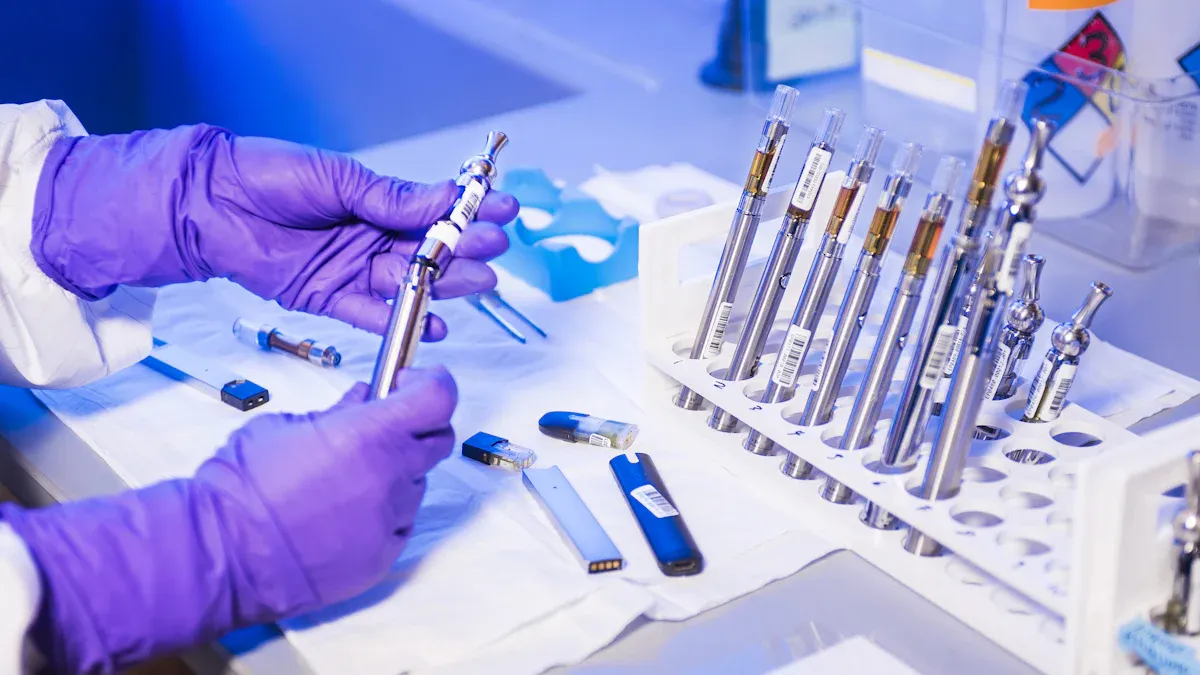
Inspection criteria
You want your tubing to work well every time. You need strong inspection steps for this. First, check the tubing for cracks or bubbles. Look for uneven spots too. Check the color and clarity. Make sure it matches what your device needs. Measure the wall thickness and diameter. This helps you know the tubing fits your device. It also keeps up its performance.
Here’s a table that shows important standards for checking tubing quality:
Compliance Standard | Description |
|---|---|
ISO 17665-1:2023 | Makes sure tubing stays strong after sterilization. |
MDR 2023 | Needs testing for harmful substances in tubing. |
Testing Procedures | Includes strength and safety checks. |
Testing for compliance
Testing is very important for medical devices. You must know your tubing meets all rules. Always ask for certificates and test results. These are for FDA, ISO 10993, and USP Class VI. They show the tubing is safe for medical devices. It will not harm patients. Check batch records and lab reports too. These prove the tubing passed all safety tests.
Certificates and test results
Batch records
Lab reports from trusted labs
Recordkeeping and traceability
Good records help you track every piece of tubing. Keep quality manuals and product files up to date. Keep all paperwork current. This makes it easy to trace tubing back to its batch. If you have a problem with your device, you can find the batch. Validation plans and product quality reviews help keep tubing at top performance. Companies like AccuPath help you get the right paperwork. They keep your tubing safe for all medical devices. When you follow these steps, you protect your product quality and range.
Ordering mistakes to avoid
Miscommunication with suppliers
If you do not talk clearly with your supplier, you can have problems. Sometimes, you think you said everything, but the supplier misses something important. You might forget to tell them the exact size or special features you need. This can cause delays or you might get the wrong tubing. Make a checklist before you order. Ask questions and check every detail. AccuPath gives clear answers and good help.
Tip: Always ask for written proof of your order details. This stops confusion and keeps your project moving.
Overlooking tolerances
Tolerances are very important. If you ignore them, your tubing may not fit right. You must check diameter, wall thickness, and shrink ratio. Small mistakes can lead to big trouble. Use a table to track tolerances for each part. Double-check your numbers before you order.
Tolerance Type | Why It Matters |
|---|---|
Diameter | Ensures proper fit |
Wall Thickness | Maintains strength |
Shrink Ratio | Prevents gaps or loose fits |
Ignoring post-processing needs
You might forget about post-processing steps like sterilization, cutting, or labeling. If you skip these, your tubing may not work in medical settings. Always plan for these steps. Ask your supplier if the tubing can handle heat, chemicals, or extra processing. AccuPath has tubing that works well with tough post-processing.
Note: Planning for post-processing saves time and money. It keeps your devices safe and ready to use.
Now you know how to order custom medical grade PET heat shrink tubing. Pay close attention to the size you need. Make sure the tubing meets all safety rules. Always talk clearly with your supplier. If you want tubing you can trust, try AccuPath’s PET heat shrink. These tips help you make safe and high-quality medical devices every time!
FAQ
What makes medical grade PET heat shrink different from regular tubing?
Medical grade PET heat shrink is much safer. It is made with higher safety rules. It is also cleaner and safe for the body. This tubing meets FDA and ISO standards. Regular tubing does not meet these strict rules.
How do I pick the right size for my project?
First, measure the diameter of your part. Pick tubing that is up to 15% bigger. Always try a sample before you buy a lot.
Can I get custom colors or printing on my tubing?
Yes! AccuPath can give you special colors or labels. You can also get coatings or printed words. This makes it easy to sort and find your devices.
See Also
The Importance of Ultra-Thin PET Tubing in Healthcare Devices
Essential Insights on PET Heat Shrink Tubing for Electronics
Leading Suppliers of FEP Heat Shrink Tubing for Medical Applications
Transformative FEP Heat Shrink Tubing Manufacturers for Medical Use
Comparing Medical Grade and Industrial Grade Heat Shrink Tubing

© Copyright 2024 My First Blog - All Rights Reserved.