How to prototype nitinol tubes quickly and cost-effectively

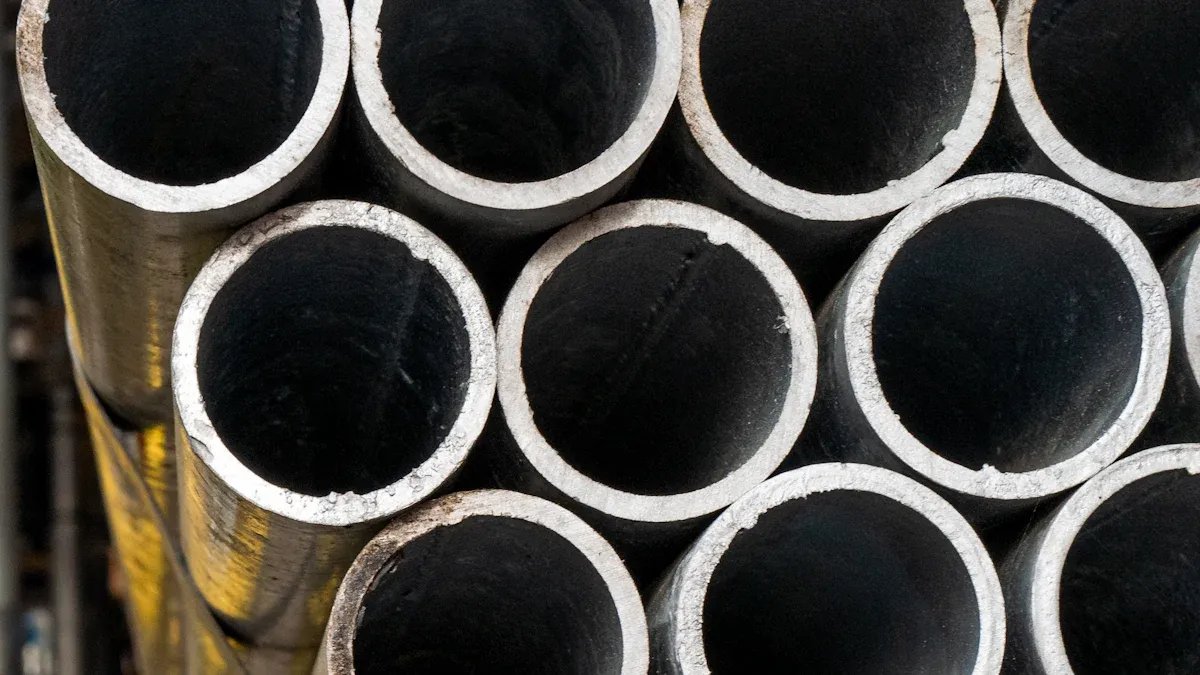
If you want to achieve cost-effective rapid nitinol tube prototyping, you need to use the right method. Nitinol is special in medical devices because it bends and returns to its original shape. You can utilize heat setting, laser cutting, or 3D printing to shape your nitinol tube. Many engineers are adopting new machining methods to produce nitinol parts quickly and with less waste. Here are some common techniques:
Technique | Description |
|---|---|
Advanced Machining Techniques | These methods enhance speed and accuracy, resulting in less waste. |
Drilling Performance | Employing tungsten-carbide drills at specific speeds and feed rates saves time and reduces waste. |
Temperature Minimization | This approach decreases heat damage, maintaining the tube's strength while also minimizing waste. |
Cryogenic Machining | Utilizing liquid nitrogen in this process improves surface quality and extends tool life, leading to less waste. |
To save money, selecting reliable suppliers and tools is crucial. Today, achieving cost-effective rapid nitinol tube prototyping is more accessible due to innovative ideas. For instance:
Additive manufacturing enables the quick production of complex nitinol shapes.
Smart nitinol devices enhance patient care.
Some suppliers can deliver nitinol tubing in just a few weeks.
With these options, you can experiment with ideas and see results without incurring excessive costs.
Key Takeaways
Pick the best prototyping method for nitinol tubes. Methods like heat setting, laser cutting, and 3D printing save time and money.
Choose the right nitinol tube size and grade for your project. This helps the tube work better and saves money.
Work with trusted suppliers who send nitinol tubes fast. Talking clearly with them stops delays and mistakes.
Use sacrificial fixtures like copper tubes to make shaping easier. This way costs less and lets you make complex shapes.
Always test small batches of nitinol prototypes first. This finds problems early and saves money later.
Nitinol Tube Selection
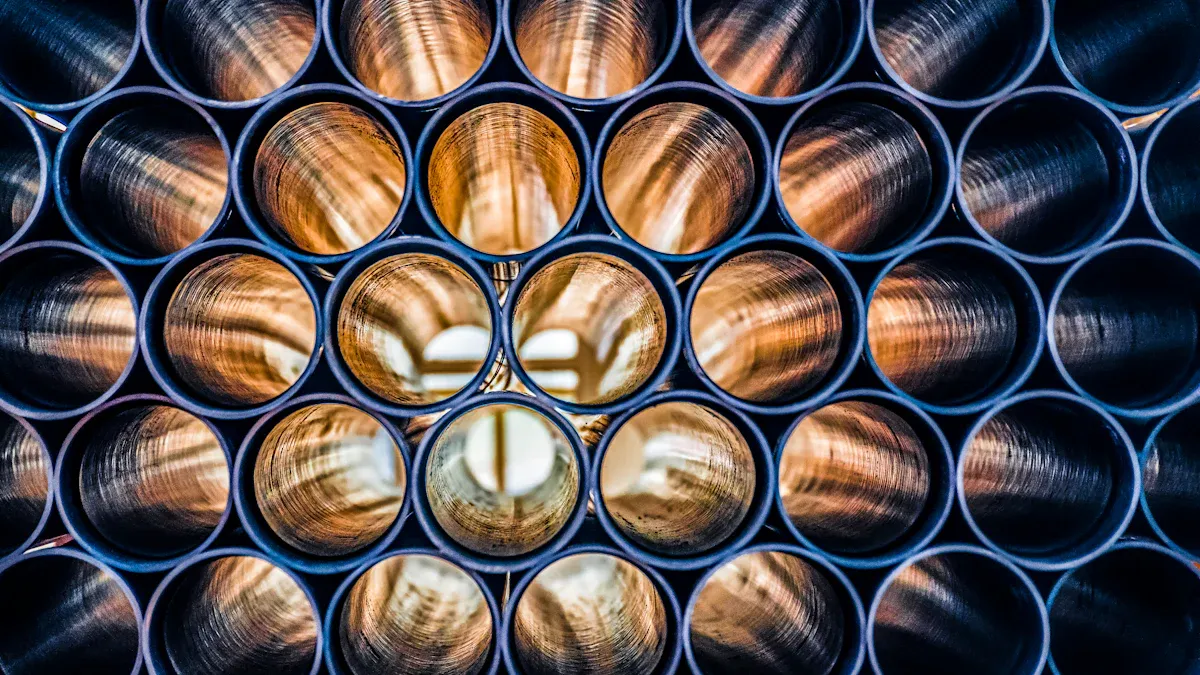
Picking the right nitinol tube helps your project go faster and cost less. You should check the grade and size of the nitinol tube. Different industries use nitinol tubes in their own ways. Here is a table that shows some common nitinol tube sizes and what they are used for:
Grade and Size Choices
Industry | Outer Diameter Range | Wall Thickness Range | Applications |
|---|---|---|---|
Aerospace | 5 mm to 25 mm+ | 0.5 mm to several mm | Hydraulic systems, actuators, structural components |
Automotive | 2 mm to 15 mm | N/A | Sensors, actuators, damping systems |
Consumer Electronics | 0.5 mm to 5 mm | 0.1 mm | Antennas, wearable technology |
Nitinol tubes for consumer electronics are smaller than those for aerospace. When you choose a nitinol tube, think about what you need it for. If you need a tube for a medical device, you will want a thin wall and a small diameter. If you need one for aerospace, you may need a thicker tube.
The price can change depending on the size and grade of the nitinol tube. Here are some things to remember:
The size of the nitinol bar and its starting features can change the price.
What you use the nitinol for matters. If you need nitinol for a catheter, you need a different grade than for a strong part.
Planning ahead helps you avoid problems with getting supplies and keeps costs steady.
Supplier Options
A good nitinol supplier can help you save time and money. Some suppliers can send nitinol tubes quickly, so you get your prototype sooner. Here is a table with some top nitinol tube suppliers:
Supplier | Rapid Delivery Capability |
|---|---|
Resonetics | Develops manufacturing processes that can easily scale to high-volume production, enabling rapid product launch. |
Norman Noble | Dedicated facilities for quick-turn prototypes, facilitating faster design iterations. |
Wytech | Standard lead time of 2 weeks for prototypes, with expedited options available. |
When picking a nitinol supplier, keep these tips in mind:
Choose suppliers who know how to work with small batches of nitinol. They can deliver faster.
Make sure your supplier checks quality and has the right certifications for nitinol tubes.
Talk clearly with your supplier. Good communication helps you avoid mistakes and makes things go faster.
If you want to make more nitinol prototypes later, tell your supplier. This can help you get better prices and avoid waiting.
You should also check the price and minimum order for nitinol tubes. For example, Siddhgiri Tubes sells nitinol at ₹1900 per kilogram with a minimum order of 1 kg. Tegramedical/DLX lets you buy just 15 nitinol tubes or a few meters for testing.
Tip: Always ask your supplier about nitinol tube delivery times and minimum orders before you start. This helps you plan better and avoid surprises.
Cost-Effective Rapid Nitinol Tube Prototyping
If you want fast results, you need to use cost-effective rapid nitinol tube prototyping methods. Picking the right process saves you time and money. There are three main techniques that help you go from idea to prototype quickly.
Heat Setting Methods
Shape setting nitinol is important in rapid prototyping. You must lock in the shape so your tube works as planned. Direct Joule heating is a good way to do this. You can use a battery and a control circuit to heat the nitinol tube. This method works well for long tubes and helps you reach the right temperature quickly.
Direct Joule heating is a cost-effective way to shape set nitinol prototype parts, especially if the part is long. This method heats up fast to the right temperature, which helps avoid aging problems. You only need simple equipment like a battery and control circuit. This makes it easy to use in labs for prototyping.
You need to watch the time and temperature during heat setting. These things change how your nitinol tube acts. Here is a table that shows what happens with different settings:
Parameter | 400°C/20min | 500°C/20min | 500°C/60min |
|---|---|---|---|
Austenite Finish (Af, °C) | >80 | 20–26 | 20–26 |
Force Delivery (g) | Lower | Higher | Lower by 12–16 |
Superelasticity Ratio | Lower | Higher | Higher |
If you want strong superelasticity, use higher temperatures for a short time. This helps you get the best results for small batch nitinol tubing. You can test different settings to see what works for your design.
Laser Cutting and 3D Printing
Laser cutting and 3D printing are popular ways to make nitinol prototypes. Each method has its own strengths. You can pick the one that fits your design and budget.
Laser cutting is fast and cheap for simple shapes. You can make parts in seconds. It works well for making lots of parts quickly. You pay less per kilogram because machines run by themselves.
3D printing lets you make complex nitinol designs. You can customize stents for medical use or make new shapes for your project. This method gives you freedom to try new ideas.
Here is a quick comparison:
Laser cutting costs less per kg because it can make many parts fast and uses machines that work automatically.
Laser cutting is low-cost and good for making lots of parts, while 3D printing costs more and makes fewer parts.
Laser cutting is very fast and can make parts in seconds. 3D printing can take hours for small parts.
Laser cutting is best for simple 2D parts. 3D printing is better for making complex 3D parts.
If you want to try rapid manufacturing of nitinol structures, 3D printing is good for special designs. You can make nitinol prototypes with custom shapes and sizes. But you need to watch out for some problems:
You can customize nitinol stents for different vessel sizes.
You can make bigger stents and new shapes for medical devices.
You need to control the air during printing. If you don’t, the nickel can change or disappear. This can change the color and make the tube weaker.
Oxygen changes can hurt how strong the tube is and make it wear out faster.
3D printing lets you make shapes that other methods can’t.
Pick laser cutting for simple small batch nitinol tubing. If your design needs complex shapes, try 3D printing. Always check the cost and speed before you start.
Sacrificial Fixtures
Sacrificial fixtures help you shape nitinol tubes during rapid prototyping. You can use copper tubes as fixtures. They are cheap and easy to find. These fixtures hold your nitinol tube in place while you heat set it.
Copper tubes are often used as sacrificial fixtures in nitinol tube prototyping.
Copper tubes cost less than other metal fixtures.
These fixtures help you make complex shapes and make the process easier.
You can use copper tubes for small batch nitinol tubing. They help you make complex shapes without spending much money. After you finish shape setting nitinol, you can remove the copper fixture. This makes the process simple and cost-effective.
If you want to save time, use sacrificial fixtures for rapid prototyping. You can test your design quickly and change it if needed. This method works well for engineers who want to try new ideas without spending a lot.
Key Factors for Cost-Effective Rapid Nitinol Tube Prototyping
You need to think about a few things when you plan your project. Here is a table that shows what matters most:
Key Factors | Description |
|---|---|
Material Costs | The cost of titanium and other materials used. |
Processing Complexity | The intricacy involved in manufacturing processes. |
Specific Form of Nitinol Required | Different forms of nitinol can have varying costs. |
You should also remember:
The cost of titanium
The form of nitinol you need
How hard it is to make and process
How sensitive it is to heat
To get the best results, pick the right method for your design. You can use shape setting nitinol, laser cutting, or 3D printing for rapid prototyping. Try copper fixtures for small batch nitinol tubing. Always check the cost and speed before you start.
You can make rapid prototyping better by learning how manufacturers redraw nitinol tubes. Some use different processes, which can change the quality and speed. If you know these details, you can pick the best supplier for your project.
You can also make rapid prototyping faster by using vacuum-induction melting and vacuum arc re-melting for nitinol ingots. Controlled reductions and annealing help you get the right properties. This makes your nitinol tube strong and flexible.
If you want to use nitinol tubes for medical devices, you need to follow rules. Here is a table that shows what you need to check:
Regulatory Consideration | Description |
|---|---|
ISO and ASTM Standards | Set safety and quality rules for nitinol tubing, including material properties and performance. |
FDA Compliance | Makes sure nitinol tubes are safe and reliable by testing and checking, leading to medical-grade certifications. |
Supplier Quality Assurance and Traceability | Checks standards and keeps records through paperwork and inspections. |
You should talk to your supplier about these rules. This helps you avoid problems and keeps your project on track.
Tip: Always test your design with small batch nitinol tubing before you make a lot. This helps you find problems early and save money.
Low-Cost Prototyping Tools and Materials
Sourcing Nitinol for Prototyping
Getting the right nitinol makes prototyping cheaper and easier. You want to buy small amounts fast and not spend too much. Some suppliers help you get nitinol quickly.
Chamfr lets you pick from many nitinol products. You can ask for custom parts using a simple RFQ. Chamfr has parts in stock and can make new ones, so you get what you need fast.
Kellogg's Research Labs sells lots of nitinol products. Big companies and universities trust them. Kellogg's keeps a big supply ready to ship, so you don’t wait long.
Always check if your supplier tells you when your order will arrive. Good suppliers help you avoid delays and keep your project moving. If you pick high-quality nitinol, it may cost more at first, but your prototypes last longer and work better, so you save money later.
Tip: Ask your supplier about delivery times and what they have in stock before you order. This helps you plan and avoid problems with low-cost prototyping.
Affordable Equipment
You don’t need fancy machines to start making nitinol tubes. Some equipment works well for small projects and saves money. For example, the RT Series Small Diameter Laser Tube Cutting Machine uses a granite base. This makes laser cuts stable and accurate. The machine helps you make nitinol parts without spending a lot.
Equipment Name | Description | Link |
|---|---|---|
RT Series Small Diameter Laser Tube Cutting Machine | Uses a granite base and bridge for stable and accurate laser cuts. |
Nitinol prices have gone up about 20% each year. Making tubes costs 20% to 30% more now. Gun drilling went from $70-$90 per foot to $300-$400 per foot. To save money, try making small batches yourself. Outsourcing costs more, especially for custom nitinol tubes.
You can use simple heat setting tools, like a battery and control circuit, to shape nitinol. These tools are good for low-cost prototyping and don’t need big spending. Laser cutting and 3D printing are also cheap ways to make nitinol prototypes, especially if you only need a few parts.
Note: Start with basic equipment and add more as your nitinol projects grow. This keeps costs low and helps you learn what works best for your designs.
Tips and Troubleshooting
Saving Time and Money
You want to make nitinol tubes for implants fast and cheap. Here are some tips to help you save time and money:
Set clear goals for your implants first. If you know what you need, you can choose the right nitinol tube for stents or other implants.
Make small batches when you test medical devices. You can fix problems before making many implants.
Ask your supplier about how long shipping takes. Fast delivery helps you get stents and implants sooner.
Use simple tools at the start. A battery and control circuit work for heat setting nitinol tubes for implants. This saves money and works well for stents.
Pick laser cutting for easy shapes. You can make stents and implants quickly. For harder shapes, use 3D printing. You get custom stents and implants that fit your needs.
Try sacrificial fixtures like copper tubes. These help you shape nitinol tubes for implants and stents without spending much.
Tip: Always test your stents and implants in small batches. You find problems early and save money when making medical devices.
Common Issues and Solutions
You might have problems when making nitinol tubes for implants or stents. Here is a table with common issues and why they happen:
Issue | Root Cause |
|---|---|
Not knowing nitinol’s properties | Changes in composition and processing can affect flexibility, fatigue resistance, and performance. |
Making nitinol microcracks from heat | Heat from laser cutting and welding can change the material and cause microcracks. |
Not finishing and treating the surface | Missing surface treatment can cause microcracks and make implants less safe. |
Getting confused by nitinol manufacturing | You need special skills and handling for nitinol manufacturing. |
You want your implants and stents to work well. Here are ways to fix these problems:
Learn about nitinol’s properties before you start. You make better implants and stents when you know how nitinol acts.
Control the heat when you use laser cutting. You avoid microcracks in your stents and implants.
Finish and treat the surface of nitinol tubes. You keep implants and stents strong and safe for medical use.
Ask experts for help if you get stuck. Making implants and stents with nitinol takes skill.
Note: Always check your stents and implants for cracks or weak spots. Good testing keeps your implants safe and strong.
You can make nitinol tube prototypes fast and save money. Focus on what your medical design needs. Pick the right way to process your nitinol tubes. Work closely with your medical supplier. Customizing and following rules keeps patients safe. Seamless tubing works better than welded tubing in medical tools. Use high-quality nitinol that has medical certifications and can be traced. Finish the surface well to make it last and stay safe. Always check how the tube looks and measure its size. Test for nickel release to make sure it is safe for the body. When making more tubes, control the heat and cold steps. Watch the transition temperatures. Oil quenching and ramping help the tube last longer and stay strong. If you want better prototypes, improve the surface and check them well. Use these steps to get good results every time. When you are ready to make more, work with your supplier and use quality checks.
Key Aspect | Description |
|---|---|
Design Inputs | Find out what your medical design needs. |
Processing Techniques | Use the right way to make nitinol tubes for medical use. |
Supplier Collaboration | Work with your supplier to get good quality and follow rules. |
Customization | Change nitinol tubes to fit your medical project. |
Compliance | Follow medical rules for safety and how well it works. |
Seamless vs Welded Tubing | Pick seamless tubes for better results in medical devices. |
Get high-quality nitinol with the right certifications.
Change the size and strength for your project.
Make sure you can trace where the nitinol comes from.
Finish the surface to keep it safe.
Check your prototypes for any problems.
Test for nickel release to make sure it is safe for people.
Tip: The best results come from using rapid prototyping, working with your supplier, and checking quality.
FAQ
How do you start the fabrication process for nitinol tubes?
First, pick tubing that fits your project. Check the size, grade, and shape. Talk with your supplier about what you need. You can ask for special tubing if your project needs it.
Can you order individualized nitinol tubes for rapid prototyping?
Yes, you can get special tubes for fast prototyping. Many suppliers let you order custom tubing. Tell them what you want. They help you get the right tube for your project.
What makes custom tubing different from standard tubing?
Custom tubing is made just for you. You pick the diameter, wall thickness, and length. Standard tubes come in fixed sizes. Custom tubes give you features that fit your project. This helps you get better results.
How do you avoid mistakes during fabrication of nitinol tubing?
Check your tubing before you begin. Talk with your supplier about what you need. Use the right tools for the job. Test a small batch first. Look for cracks or weak spots. Fix any problems early.
Can you get customized tubing for medical devices?
Yes, you can get custom tubes for medical devices. Suppliers offer special options for these projects. Pick the size and shape you need. Make sure the tubes follow safety rules. This helps your project work better.
Tip: Always ask your supplier about special tubing choices. This helps you get the best tube for your project.
Tubing Type | Features | Best Use |
|---|---|---|
Standard Tubing | Set sizes, easy buy | Simple fabrication |
Custom Tubing | Individual specs | Advanced fabrication |
Medical Tubing | Custom, safe | Medical fabrication |
See Also
Understanding The Manufacturing Process Of Nitinol Tubing
The Impact Of Nitinol Tubing On Medical Technology
A Comprehensive Guide To Selecting Nitinol Tubing
Detailed Process For Creating Nitinol Microtubing In Neurovascular Use

© Copyright 2024 My First Blog - All Rights Reserved.