Cleanroom Packaged Medical PET Tubing Keeps You Safe

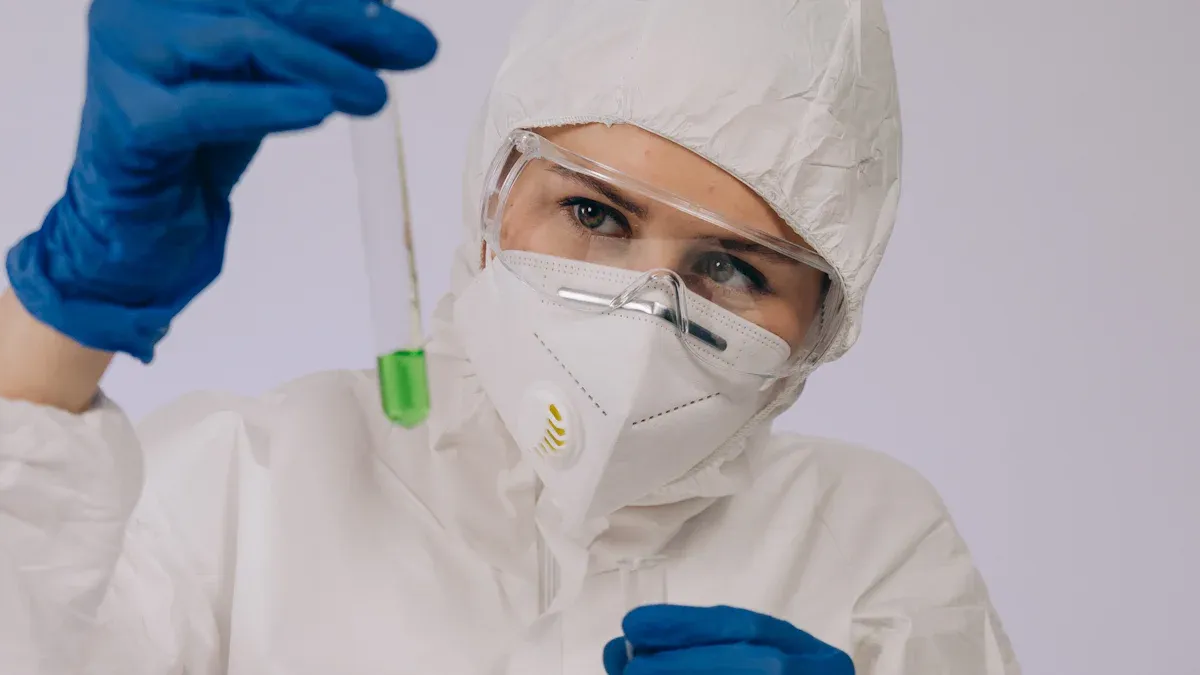
You count on medical devices to protect you. Cleanroom packaged medical PET tubing helps keep you safe from germs. Experts work in a clean space to package each tube. Special packaging blocks germs and dust from touching the tubing. This keeps the tubing clean and ready for patients. You can trust cleanroom packaged medical PET tubing to keep you safe.
Key Takeaways
Cleanroom packaged medical PET tubing keeps out germs and dust. This helps keep patients safe. PET tubing is tough and does not break down with chemicals. It keeps its shape well. This makes it great for use in medicine. Always pick medical devices with cleanroom packaging. This lowers the chance of infection and keeps quality high. Check for FDA and ISO labels on the packaging. These show the product is safe and follows strict rules. Cleanroom places have strong rules to keep products safe. They stop germs from getting in during making and shipping.
Medical PET Tubing Safety
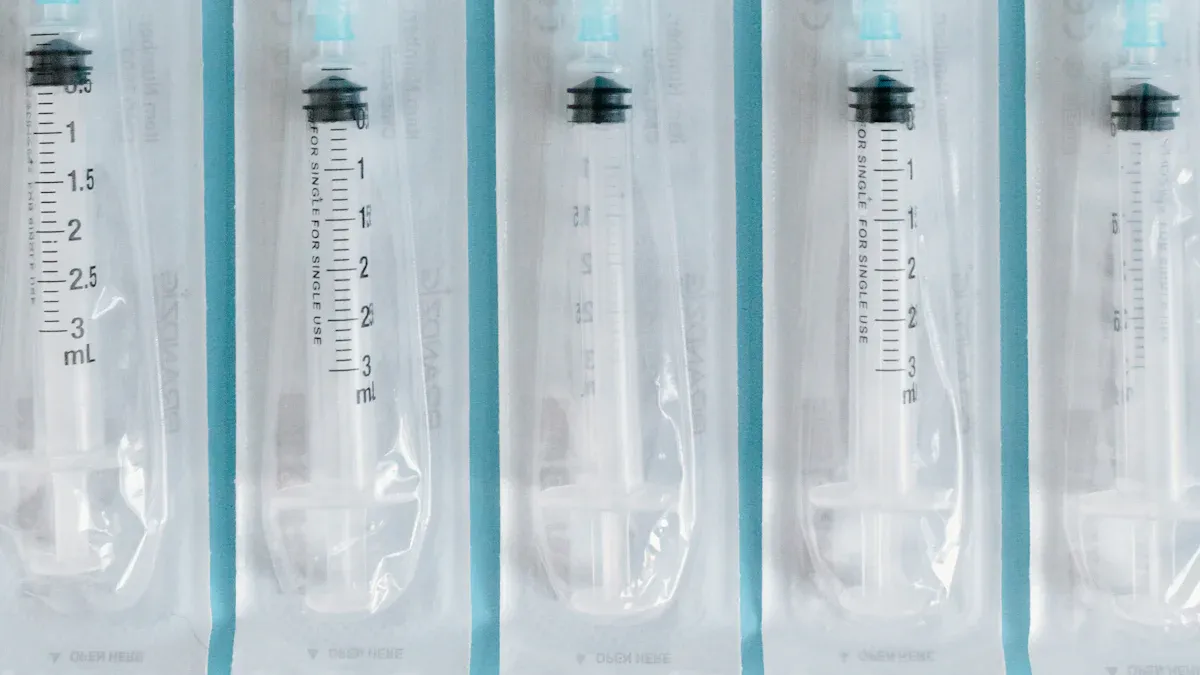
PET Tubing Overview
You use medical PET tubing for safe care. PET tubing is strong and does not bend easily. It can handle stress and movement without breaking. It keeps its shape, which helps with accurate measurements. PET tubing also resists chemicals, so it does not get damaged by medicines. This makes drug delivery safe. PET tubing does not get dirty easily, which helps keep patients safe. It can be cleaned with high heat and stays strong.
Here is a table that compares PET tubing to FEP tubing:
Tubing Type | Safety Features | Applications |
|---|---|---|
PET | Mechanical strength, dimensional stability, chemical resistance | Used for medical monitors, not direct contact with patients |
FEP | Biocompatibility, chemical resistance, meets safety standards | Used for reusable devices, direct contact with patients |
PET tubing is good because it:
Is strong and does not break under stress
Is safe to touch human tissue
Can be cleaned with heat and radiation
Keeps its shape for accurate use
Works in many medical devices
To make PET tubing, workers pick the right materials. They melt the materials in a clean place. They shape the tubing with special tools. They cool it so it keeps its form. They check the tubing to make sure it is good quality.
Sterility In Medical Device Packaging
Medical devices must be free from germs. Sterility assurance levels (SAL) are set at 10^-6. This means only one in a million chance of germs. This keeps you safe when devices touch your body.
The FDA says sterile devices must meet this SAL. Devices used on skin need a SAL of 10^-3. PET tubing can be cleaned with steam, radiation, ethylene oxide, or hydrogen peroxide. These methods work well and keep PET tubing safe.
Sterilization Method | Compatibility with PET Heat Shrink Tubing | Key Features |
|---|---|---|
Autoclaving (Steam) | ✅ Highly compatible | Fast, safe, no toxic leftovers |
Gamma Radiation | ✅ Highly compatible | Goes through packaging, no heat needed |
Ethylene Oxide (EtO) | ✅ Highly compatible | Low heat, works for complex devices |
Chemical (Hydrogen Peroxide) | ✅ Compatible | Gentle, keeps tubing strong |
Tip: Always make sure your medical devices have sterile packaging. This helps lower the risk of infection.
Cleanroom Packaging Explained
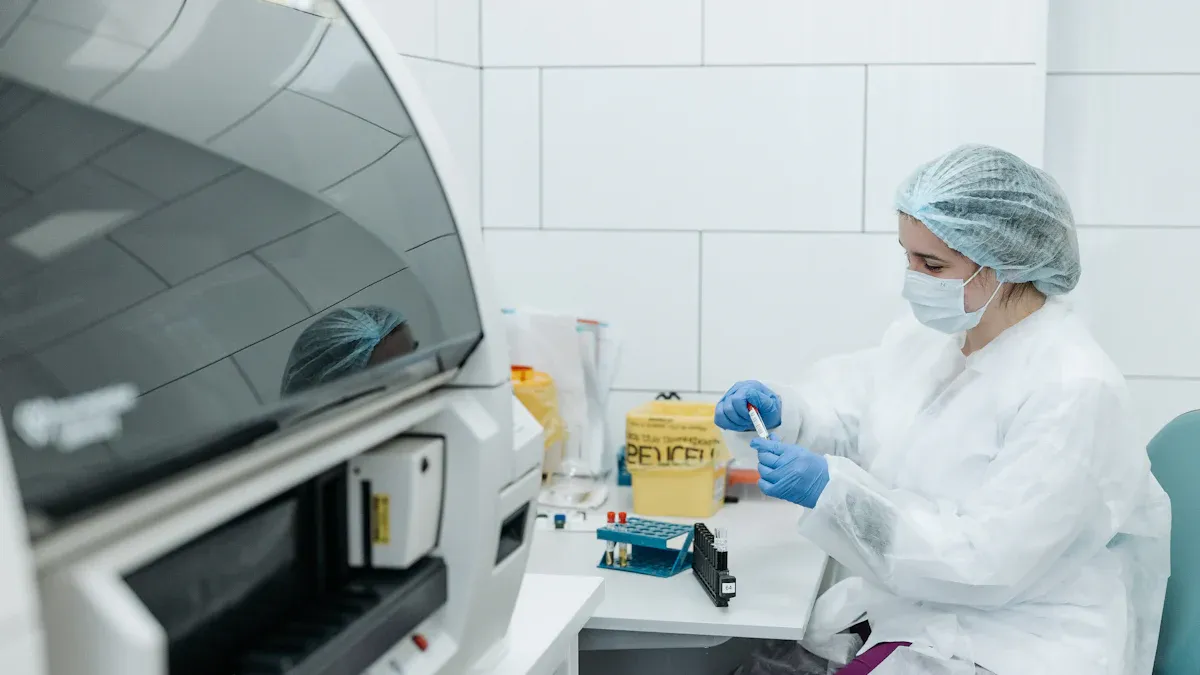
Cleanroom Standards For Medical Devices
You need cleanroom packaging to keep PET tubing safe. Cleanrooms follow strict rules for air, temperature, and humidity. These rules help stop germs and dirt. Cleanrooms use global standards to guide their work. The main standards are ISO 14644-1, ISO 13485, and ISO 14698. These standards make sure packaging is safe and high quality.
ISO Standard | Description |
|---|---|
ISO 14644-1 | Sets cleanroom levels by counting tiny particles in the air. |
ISO 13485 | Lists rules for making medical devices with good quality. |
ISO 14698 | Focuses on stopping germs in cleanrooms and safe spaces. |
Cleanrooms have different levels for safety. ISO 5 cleanrooms have less than 3,520 big particles in each cubic meter. ISO 7 cleanrooms can have up to 352,000 particles. ISO 5 cleanrooms give the best protection for sensitive products. ISO 7 cleanrooms are less strict but still safe for making medical devices.
ISO 5: Very strict, best for sensitive products.
ISO 7: Not as strict, still safe for medical devices.
Controlled Environment Benefits
Cleanroom packaging keeps PET tubing free from dust and germs. Cleanrooms control air, temperature, and humidity. These controls help keep products clean and safe. Cleanroom packaging uses metalized PET. This material blocks water and dirt. It also protects against esd, which can hurt electronics.
Feature | Description |
|---|---|
Barrier against moisture | Stops water from getting in and keeps things sterile. |
Contamination protection | Keeps dirt out and makes sure products stay clean when moving. |
Electrostatic discharge shielding | Protects electronics from esd with strong shielding. |
Low particle generation | Made in clean places to keep particle numbers low and products safe. |
You see esd cleanroom packaging in medicine wraps and device bags. This packaging keeps water and dirt away. It also protects products from esd when moving or storing. Cleanroom packaging helps you trust PET tubing stays clean and safe until you use it.
Tip: Always look for esd cleanroom packaging when picking medical devices. This helps you stay safe from dirt and esd problems.
How Cleanroom Packaged Medical PET Tubing Stays Safe
Contamination Prevention
You want medical devices to stay clean and safe. Cleanroom packaged medical PET tubing protects against germs and dust. Cleanroom packaging lowers risks from tiny germs and dirt. Cleanrooms use strict rules to keep everything clean. Workers follow these rules to stop germs from reaching the tubing.
Cleanrooms have special systems to clean the air. HEPA and ULPA filters catch tiny bits in the air. Sterilization methods like autoclaving and vaporized hydrogen peroxide kill germs. Isolation zones, airlocks, and pressure controls stop germs from spreading. The table below shows how cleanroom rules keep medical packaging safe:
Mechanism | Description |
|---|---|
Filtration | HEPA or ULPA filters catch tiny bits in the air. |
Sterilization | Autoclaving or vaporized hydrogen peroxide kill germs and bacteria. |
Isolation | Zones, airlocks, and pressure differences stop germs from moving between clean and dirty areas. |
Cleanroom packaged medical PET tubing blocks dust, germs, and water. This keeps medical packaging safe for hospitals and clinics. Drug companies also use cleanroom packaging for their products. You feel safe knowing cleanroom packaging helps protect your health.
Tip: Always check if medical packaging is made in a cleanroom. This helps you stay safe from germs and dirt.
Maintaining Sterility And Integrity
You need packaging that keeps PET tubing clean and strong. Cleanroom packaged medical PET tubing uses materials that can handle high heat. PET tubing meets ISO 17665-1:2023 standards, so it stays safe during steam or radiation cleaning. The tubing has a glass transition temperature above 85°C, so it does not break when heated.
Workers pick safe materials like PVC, PE, and TPE for packaging. They shape the tubing using extrusion and control heat and pressure. Quality teams test the tubing for size and strength. These steps make sure the tubing is safe for medical use.
PET tubing stays strong in high heat.
Safe materials help protect patients.
Extrusion makes tubing tough and reliable.
Quality checks find any weak spots.
Cleanroom packaged medical PET tubing gets checked many times. Special lights and cameras look for problems. Machine vision software checks pictures for defects. Container Closure Integrity Testing (CCIT) makes sure the packaging stays sealed. The Bubble Emission Test finds leaks in packaging. These tests help keep medical packaging safe.
Safe Transport And Storage
You want medical packaging to stay safe when moved or stored. Cleanroom packaged medical PET tubing uses tough packaging to stop damage. The packaging blocks water, dust, and germs. Drug packaging keeps products clean until you use them.
Medical packaging uses strong seals to keep tubing safe. Workers check seals for leaks. Cleanroom packaging stops germs during shipping. You get tubing that is clean and ready to use.
Tough packaging stops damage.
Seals keep out water and dirt.
Cleanroom packaging keeps things clean during transport.
Drug companies use these ways for safe delivery.
You trust cleanroom packaged medical PET tubing to stay safe from the factory to you. Cleanroom experts make sure every step is safe. You know your medical packaging meets strict safety and quality rules.
Risks Of Non-Cleanroom Packaging
Contamination Dangers
If you pick medical tubing without cleanroom packaging, you face real risks. Dust and germs can land on the tubing while it is made or stored. Small bits can stick to the tubing and hide in tiny cracks. You might not see these bits, but they can cause trouble. Using tubing with these contaminants can let bacteria or viruses into your body. This may lead to infections or other health problems.
Here are ways non-cleanroom packaging makes things risky:
Workers might touch tubing with bare hands.
Dust and germs float in regular room air.
Open boxes let particles fall onto products.
Machines can leak oil or dirt onto tubing.
Note: Tubing that skips cleanroom steps is not safe. Always look for cleanroom packaging before using any medical device.
Impact On Patient Safety
You want to be safe when using medical devices. Non-cleanroom packaging can put your health in danger. Tubing that does not follow strict rules may have germs. These germs can get into your body during medical care. You could get sick or need more treatment.
Here is a table that shows how patient safety changes:
Packaging Type | Risk of Infection | Reliability | Patient Safety |
|---|---|---|---|
Cleanroom Packaging | Very low | High | Protected |
Non-Cleanroom Packaging | High | Low | At risk |
Always pick products with cleanroom packaging. This helps keep you safe from infection and makes your treatment safer. Hospitals and clinics trust cleanroom packaging because it lowers risks. You can feel sure when you see cleanroom labels on your medical tubing.
Regulatory Standards For Medical Device Packaging
Compliance And Quality Assurance
You want to know medical PET tubing is safe. Cleanroom packaging follows rules from the FDA and ISO. These rules help keep you safe and make sure products work. When you pick medical PET tubing, you trust companies with FDA-registered places and ISO-certified systems. These systems check quality at every step.
Here is a table that shows how cleanroom packaging matches key regulations:
Compliance Aspect | Details |
|---|---|
FDA Registration | Janco operates an FDA-registered facility. |
ISO Certification | Janco is ISO 13485 certified, ensuring quality management in medical device packaging. |
Cleanroom Standards | Utilizes ISO 14644-1 Class 7 and Class 8 cleanrooms, regularly monitored and tested. |
Validation Testing | Conducts validation testing to ASTM, ISO, or customer standards. |
Traceability | Provides full traceability from product ID to raw material lots. |
Audit Processes | Internal and independent audits, including those by customers and the FDA. |
Cleanroom planning and building follow ISO rules. These steps help keep air clean and control dust, heat, and humidity. Workers use filters to clean the air. They wipe and clean surfaces and tools often. These actions protect the tubing and keep it high quality.
Quality Assurance Protocols | Description |
|---|---|
Cleanroom planning and construction | Ensures the cleanroom is designed according to ISO standards. |
Clean air standards | Maintains the required air quality to prevent contamination. |
Humidity, air pressure, temperature, and dust control | Controls environmental factors critical for product integrity. |
Air filtration system | Filters out particulates to maintain air cleanliness. |
Cleaning and sanitizing surfaces and equipment | Regular maintenance to prevent contamination. |
Tip: Always look for FDA and ISO certifications when picking medical PET tubing. These show the company cares about safety and quality.
You can feel sure that cleanroom packaged medical PET tubing meets top standards. These rules and checks help keep you healthy and make sure every product is good.
You are safer with cleanroom packaged medical PET tubing. Medical-grade plastics are tough and hard to break. These plastics are made for one-time use. This helps stop germs from spreading. They can also kill bad germs. Cleanroom packaging follows strict rules to keep things clean. You can trust medical devices made this way.
Strong plastics help stop accidents.
One-time use tubing keeps germs from spreading.
Germ-killing features help lower infection risk.
FAQ
What is cleanroom packaging for medical PET tubing?
Cleanroom packaging keeps medical PET tubing free from germs and dust. You get tubing sealed in a controlled space. This process helps protect your health and ensures the tubing stays safe until you use it.
Why does packaging matter for patient safety?
Packaging blocks dirt and germs from touching medical devices. You lower your risk of infection when you choose products with cleanroom packaging. Hospitals trust this method to keep patients safe during care.
How do you know if packaging meets safety standards?
You can check for FDA and ISO labels on the packaging. These labels show that the company follows strict rules. You get peace of mind knowing your medical PET tubing meets top safety standards.
Can cleanroom packaging help during transport and storage?
Yes, cleanroom packaging protects medical PET tubing while it moves or sits in storage. You avoid damage from water, dust, or germs. This keeps the tubing ready for safe use in clinics and hospitals.
What should you look for when choosing medical PET tubing?
You should look for cleanroom packaging, safety labels, and strong seals. These features help you stay safe. Ask your supplier about their packaging process to make sure you get high-quality products.
See Also
Exploring Key Uses of Ultrathin PET Heat Shrink Tubing
The Importance of Ultra-Thin PET Tubing in Healthcare
Advantages of FEP Heat Shrink Tubing for Medical Applications
Comprehensive Overview of Medical Grade FEP Tubing
Constructing Multi-Layer Catheters with Medical Grade FEP Tubing

© Copyright 2024 My First Blog - All Rights Reserved.