How to Calibrate Robotic Dispensing Needles for PET Heat Shrink Tubing in 2026

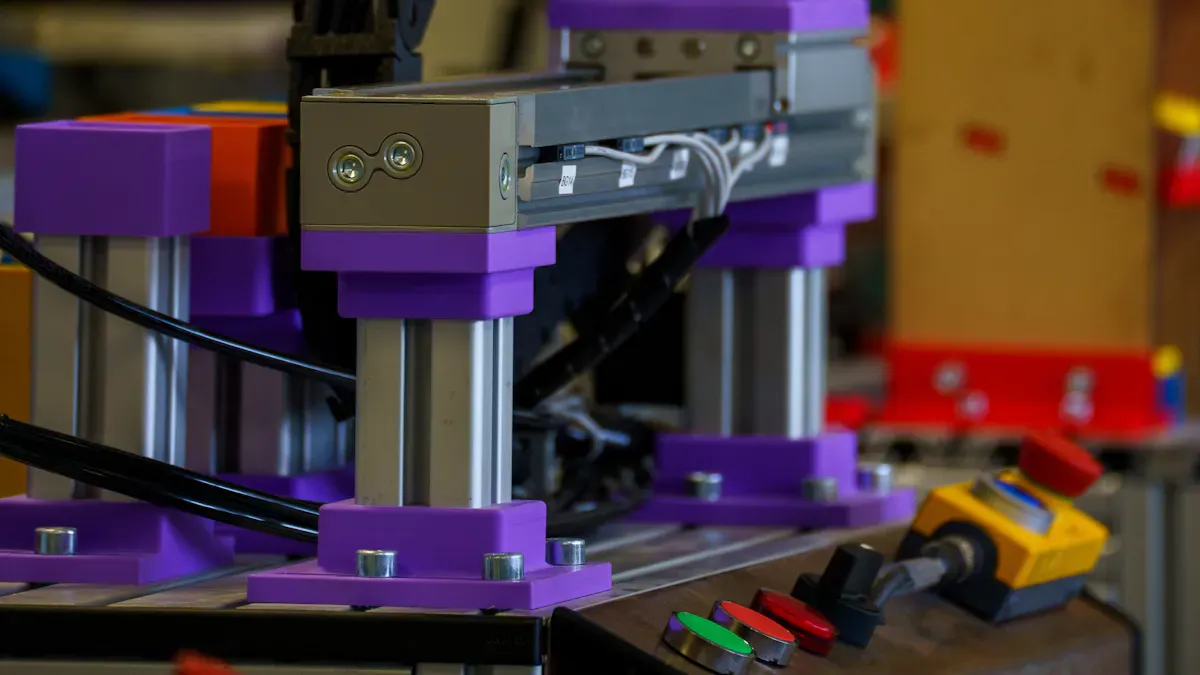
To calibrate a robotic dispensing needle for robotic dispensing needle pet heat shrink tubing, you must ensure it operates accurately and consistently. It's essential to verify that each robotic dispensing needle pet heat shrink tubing receives the correct amount of glue and heat. Precision is crucial because robotic dispensing needle pet heat shrink tubing can react to minor temperature fluctuations. You should inspect each robotic dispensing needle pet heat shrink tubing to confirm it shrinks uniformly. Regular calibration enhances the reliability of your robotic dispensing needle pet heat shrink tubing process. Advanced technology allows you to handle PET materials with care.
Key Takeaways
Check your robotic dispensing needle often. This helps glue go on right and gives steady results.
Pick the correct PET heat shrink tubing size. Look at it for any damage before you use it. This keeps medical devices good.
Keep your workspace and tools clean. This stops contamination and helps glue stick well.
Use the right temperature, between 120°C and 145°C, to shrink PET tubing. This keeps it safe and makes results even.
Write down your calibration settings for each tubing size. This helps you get good results again in future projects.
Tools and Materials for Robotic Dispensing Needle PET Heat Shrink Tubing
Robotic Dispensing System and Needles
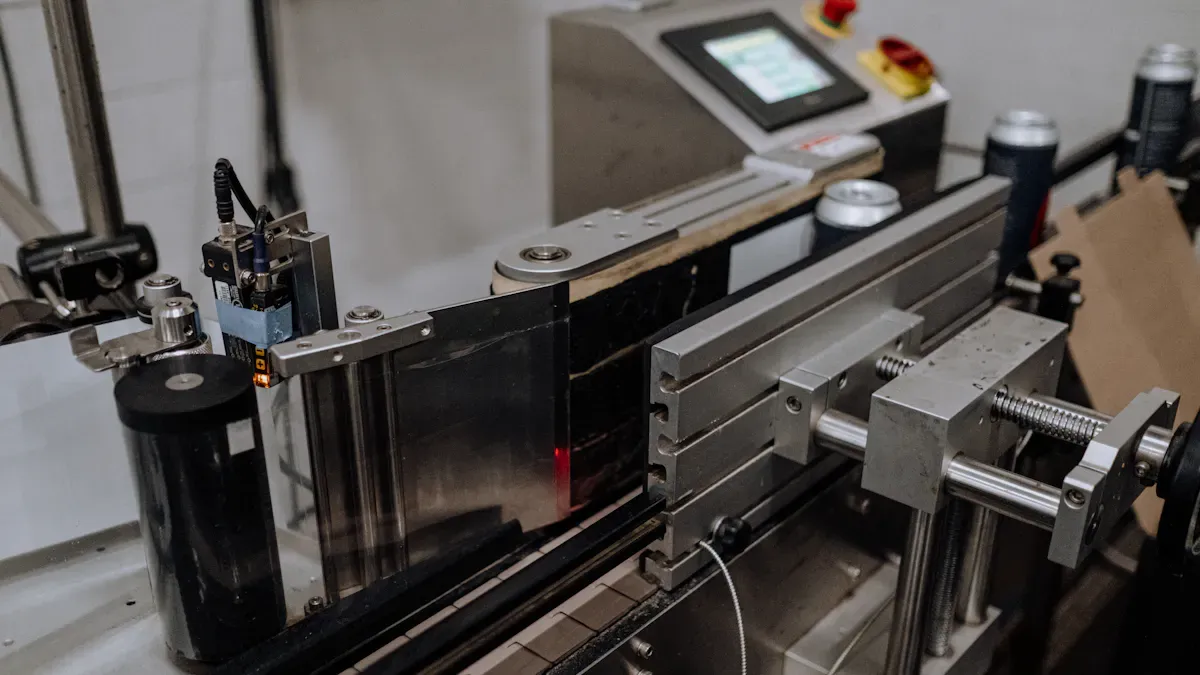
You need a robotic dispensing system for medical device work. The system must work with pet heat shrink tubing very carefully. Pick needles that fit the tubing size. This helps glue stick well. The right needle stops glue from being wasted. It also helps meet medical rules. Clean the needles before you use them. This keeps the device clean and helps glue stick better.
Tip: Always look at the needle for damage. A broken needle can make glue not stick well and hurt the tubing.
PET Heat Shrink Tubing Selection
Picking the right size of pet heat shrink tubing is important for medical devices. You must choose tubing with the right shrink ratio. The tubing should fit tightly and help glue stick well. Medical devices need tubing that follows strict rules. Check the tubing for problems before you use it. Clean tubing helps glue stick and keeps the device safe.
Tubing Size | Shrink Ratio | Medical Use |
|---|---|---|
Small | 2:1 | Catheters |
Medium | 3:1 | Sensors |
Large | 4:1 | Connectors |
Heat Sources and Temperature Control
You need a heat gun or micro torch to shrink pet heat shrink tubing. The heat tool must give steady heat. For medical devices, keep the heat between 90°C and 120°C. This helps the tubing shrink evenly and glue stick well. Use a digital thermometer to check the heat. Even heat stops tubing from getting hurt and keeps the device safe.
Calibration and Safety Equipment
Calibration fluids help you test the robotic dispensing system. You must wear safety gear like gloves and goggles. Medical device work needs a clean workspace. Calibrate the system often to keep glue sticking well and protect the tubing. Keep all tools clean so nothing gets dirty. Safety steps keep you and the device safe.
Note: Picking the right size of pet heat shrink tubing and keeping tools clean helps make good medical devices.
Step-by-Step Guide to Calibrate Robotic Dispensing Needle PET Heat Shrink Tubing
Calibrating your robotic dispensing needle pet heat shrink tubing system helps you get good and steady results. This guide shows you each step, from getting your workspace ready to checking your final work.
System Preparation
Clean your workspace first. Take away dust or dirt that could mess up the pet heat shrink tubing.
Turn on your robotic dispensing system. If your machine can, let it do a self-check.
Get all your supplies. You need the right size of pet heat shrink tubing, the needle you picked, calibration fluids, and safety gear.
Look at the tubing for any damage you can see. Bad tubing can make problems when you calibrate.
Read the instructions from the company that made your robotic dispensing needle pet heat shrink tubing system.
Tip: Keeping your workspace clean and neat helps you not make mistakes when you calibrate.
Needle Installation and Alignment
Pick a needle that fits your pet heat shrink tubing.
Put the needle into the robotic dispensing system. Make sure it is tight.
Line up the needle with the middle of the tubing. Use the system’s tools if you have them.
Check the needle for damage or if it is worn out. Change it if you see something wrong.
Do a quick test with calibration fluid to see if the needle puts out glue evenly.
Note: If the needle is not lined up right, glue can miss the tubing or go on uneven.
Setting Calibration Parameters
Set how much glue you want to use for your pet heat shrink tubing.
Change how fast the robotic arm moves. Slower speeds help you be more exact.
Tell the system to put glue only where you need it on the tubing.
Set the heat source between 90°C and 120°C. This is the best range for pet heat shrink tubing.
Save your settings in the system so you can use them again later.
Testing with PET Heat Shrink Tubing
Put a sample piece of pet heat shrink tubing in the system.
Run a test. Watch as the robotic dispensing needle pet heat shrink tubing system puts on glue and heat.
Watch the tubing as it shrinks. See if the glue goes on even and the shrinking is smooth.
Use a thermometer or infrared sensor to check the heat during the test.
Do the test again if you see any problems with the tubing.
Tip: Testing with a sample piece helps you not waste your real materials.
Verifying and Adjusting Results
After you test, you need to check your work and make changes to keep calibration steady. Do these steps:
Use a heat source that is already checked to keep the heat the same.
Watch the temperature with a thermometer or infrared sensor.
Follow the rules for the right shrinking temperature for pet heat shrink tubing.
Move the heat tool slowly along the tubing for even heat.
Start heating at one end and move to the other. This helps the tubing shrink the same everywhere.
Keep the heat tool the same distance from the tubing so you do not make hot spots.
Try the process on a sample before you use your final tubing.
Pull gently on the tubing while you heat it. This helps the tubing shrink evenly all over.
Look at the tubing after it shrinks. Check for any spots that look wrong or are damaged.
Note: Checking your calibration often and looking for needle damage keeps your robotic dispensing needle pet heat shrink tubing process working well.
If you follow these steps, your pet heat shrink tubing process will stay correct and steady. Always check your work and change your settings if you need to.
Applying Heat for Uniform Shrinkage of PET Tubing
Choosing the Right Heat Source
You need to pick the best tool for applying heat to pet heat shrink tubing. Electric heat guns work well because you can control the heat and move them easily. Micro butane torches give strong heat for thicker tubing. Bench-mounted hot air stations or conveyor ovens help you keep the temperature steady for many pieces of pet tubing. These tools make sure you get uniform shrinkage every time.
Key Consideration | Description |
|---|---|
Predictable Shrinkage Behavior | Pet heat shrink tubing simplifies installation due to its consistent shrinkage characteristics. |
Heat Application Tools | Standard tools like heat guns or ovens can be used to apply heat uniformly. |
Risk of Uneven Coverage | Consistent material shrinkage reduces the chance of gaps or uneven coverage during application. |
Tip: Keep the heat gun or torch moving. Do not let it stay in one spot. This helps you avoid overheating the tubing.
Temperature Range and Control
You must use the right temperature for pet heat shrink tubing. The best range is between 120°C and 160°C. At 120°C, the tubing starts to shrink slowly. This is good for delicate pet tubing. Most jobs need 135°C to 145°C for a tight fit. If you use 160°C, the tubing shrinks fast. You must watch closely so you do not melt the tubing. Thicker tubing needs higher heat. The shape of the tubing and the heat tool you use can change how fast the tubing shrinks. Digital thermometers and sensors help you check the temperature in real time.
Note: Always check the temperature before you start. This keeps the pet tubing safe and gives you uniform shrinkage.
Techniques for Even Heat Application
You must use good techniques for applying heat for uniform shrinkage. Move the heat source along the tubing at a steady speed. Keep the same distance between the heat tool and the pet tubing. Advanced robotic systems use sensors to watch the heat and adjust it right away. These systems have heating zones that let you control the heat for each part of the tubing. Real-time monitoring helps you avoid hot spots and keeps the tubing from getting damaged. Pull gently on the tubing while you heat it. This helps the tubing shrink evenly. Always check the tubing after heating to make sure there are no gaps or weak spots.
Heat guns are easy to use and give you control.
Continuous movement and proper distance prevent overheating.
Robotic systems with digital sensors give you the best results for pet heat shrink tubing.
Callout: Even heating is the most important step for quality results. If you heat the tubing evenly, you get strong and reliable pet tubing every time.
Applying heat for uniform shrinkage is key to making sure your pet heat shrink tubing works well. You must use the right tools, set the correct temperature, and follow good techniques. This keeps your tubing strong and helps your medical devices stay safe.
Best Practices and Troubleshooting
Maintaining Dispensing Accuracy
You want your pet heat shrink tubing process to stay accurate every time. Clean your workspace before you start. Always check your medical device tools for dirt or glue. Use fresh pet heat shrink tubing for each medical job. Inspect the needle for damage before you use it. If you see a worn needle, change it right away. Calibrate your system often. This keeps your pet heat shrink tubing process steady. Write down your settings for each medical device. This helps you repeat good results. Use a checklist for each step. You can catch mistakes early.
Tip: Inspecting and testing your pet heat shrink tubing after each run helps you find problems fast.
Common Calibration Issues
You may see problems like glue missing the tubing or uneven shrinking. Misalignment happens if the needle does not point at the center of the pet heat shrink tubing. You can fix this by adjusting the needle. Uneven heat can cause the tubing to shrink wrong. Move the heat tool slowly along the pet heat shrink tubing. If you see bubbles or weak spots, check your temperature. Medical devices need strong bonding strength, so always check the glue line. If you see glue outside the tubing, use less glue next time. Inspecting and testing your pet heat shrink tubing helps you spot these issues before you finish the medical device.
Issue | Cause | Solution |
|---|---|---|
Glue misses tubing | Needle misaligned | Adjust needle position |
Uneven shrinkage | Heat not even | Move heat tool slowly |
Bubbles/weak spots | Too much heat | Lower temperature |
Optimizing for Different PET Tubing Sizes
You must pick the right pet heat shrink tubing size for your medical device. Small tubing works for wires. Large tubing fits over connectors. Check the shrink ratio for each pet heat shrink tubing. Use the right needle for each size. Change the heat setting for thick or thin tubing. Test each size before you use it on a medical device. Write down the best settings for each pet heat shrink tubing size. This helps you get good results every time.
Callout: Good records help you make safe medical devices with pet heat shrink tubing.
You can keep your pet heat shrink tubing process strong by following these steps. Always check your work and fix problems early. This keeps your medical device safe and reliable.
You need to follow every calibration step to keep things safe. Always look at your pet heat shrink tubing and tools before starting. Clean your workspace and check your device settings a lot. Write down the best settings for each medical device you use. Go over your steps for making medical devices every month. Learn about new technology for medical devices when you can. This helps you make sure each medical device with pet heat shrink tubing works well and keeps people safe.
Quick Tip: Try out your medical device with sample pet heat shrink tubing before you use it for real.
FAQ
How often should you calibrate your robotic dispensing needle for medical PET heat shrink tubing?
Calibrate your system before each new medical project. This keeps your medical devices safe. Check the needle after every use. This helps your process stay accurate and your results stay reliable.
What is the best temperature for shrinking PET tubing in medical applications?
Use a temperature between 120°C and 145°C for most medical PET heat shrink tubing. This range works well for medical devices. Always use a thermometer to check the tubing. This helps you not damage your medical device when shrinking.
Why does the glue sometimes miss the medical PET heat shrink tubing?
Glue can miss the tubing if the needle is not lined up right. Check the needle position before you start. Adjust the system if glue misses the tubing. This keeps your medical device strong.
Can you use the same settings for all medical PET heat shrink tubing sizes?
Do not use the same settings for every tubing size. Each size needs its own settings. Test each size before you use it on a medical device. Write down the best settings for each size in your records.
What safety steps should you follow when working with medical PET heat shrink tubing?
Always wear gloves and goggles for every medical job. Clean your workspace before you start. Check your tools for damage. Use only clean medical PET heat shrink tubing. These steps help keep your medical devices safe and meet standards.
See Also
How to Choose the Best FEP Heat Shrink Tubing
Key Insights on PET Heat Shrink Tubing for Electronics
Understanding FEP Autoclavable Heat Shrink Tubing Made Easy
A Comprehensive Guide to Selecting Heat Shrink Tubing Sizes
Important Advice for Effectively Using FEP Heat Shrink Tubing

© Copyright 2024 My First Blog - All Rights Reserved.