What are the advantages of using premium ultra-thin heat shrink material in neurovascular devices

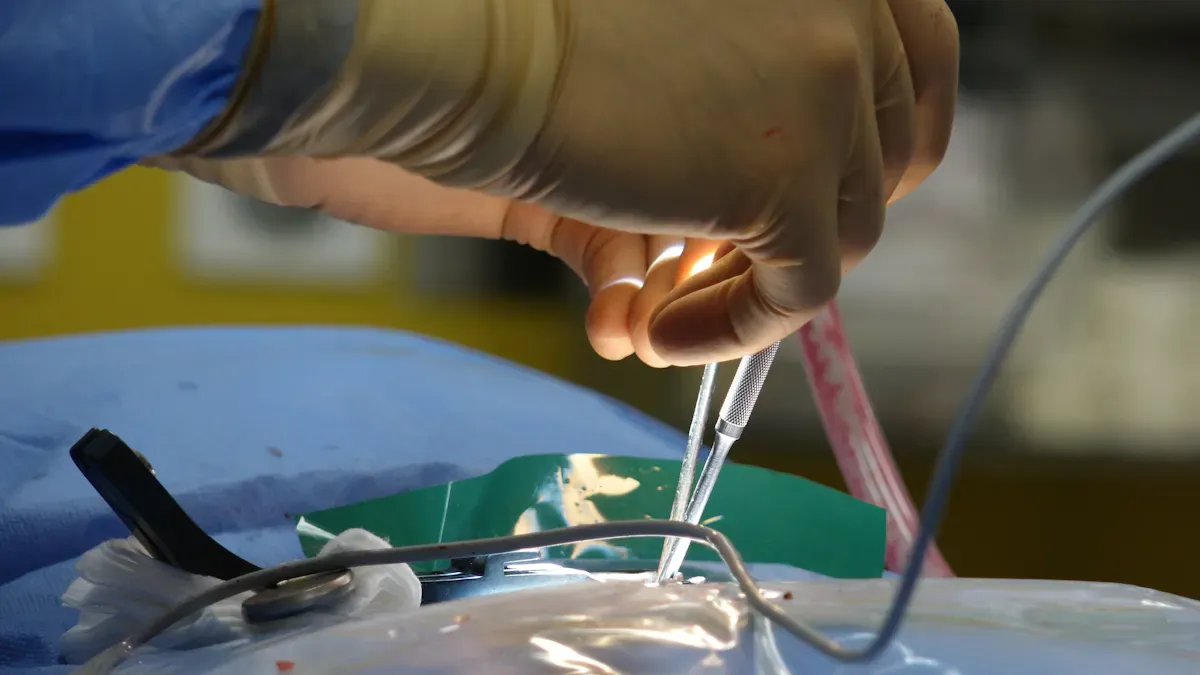
Premium ultra-thin heat shrink material makes neurovascular devices more flexible and strong. It also protects them well. PET and similar materials help these devices move easily in small, twisty blood vessels. They do not hurt the vessels. Picking the right material helps devices work better. It keeps patients safe and makes devices last longer. Nitinol tubing gives both strength and flexibility. Devices can fit well and bend, then go back to their shape. Ultra-thin heat shrink layers help make devices smaller. Catheters can stay tiny but still have strong protection outside. Medical teams pick the best ultra-thin heat shrink material. They must follow strict rules for safety and device size.
Key Takeaways
Premium ultra-thin heat shrink materials make neurovascular devices more flexible. This helps them move through small blood vessels safely. They do not hurt the vessels.
Picking the right material, like PET, keeps devices strong and tough. It also protects them from chemicals and heat. This is very important for keeping patients safe.
Ultra-thin walls make devices smaller but still strong. This means doctors can do less invasive procedures. Patients feel more comfortable.
Clear precision markings on devices help surgeons put them in the right place. This makes surgeries safer and helps patients get better results.
Engineers like PET because it is thin, strong, and insulates well. This makes it a great choice for safe and reliable neurovascular devices.
Flexibility and Trackability
Importance for Neurovascular Devices
Flexibility is very important for neurovascular devices. These devices need to move through small, twisty blood vessels in the brain. If a device cannot bend or twist, it might hurt the vessel or not reach where it needs to go. Studies show that flexible devices can fit different body shapes and health problems. For example, the Supernova stent retriever works well for many patients. In Asia, doctors saw better results because the device fits different vessel shapes. This helps patients who have special needs in their blood vessels.
Ultra-thin PET heat shrink tubing helps devices stay flexible. It lets devices bend and move without breaking. The tubing makes a smooth outside layer that does not make the device bigger. This helps doctors guide devices safely through tricky paths in the brain. When designers pick the best ultra-thin heat shrink material, they help devices stay flexible and work well during surgery.
How Ultra-Thin Walls Enhance Navigation
Ultra-thin walls help devices move better inside the body. Thinner tubing lets the device bend more easily. It also keeps the device small, which helps it go through tiny blood vessels. Studies found many good things about thin-wall tubing:
Thinner walls of nitinol tubing make devices more flexible, so stents can move through tight curves without getting bigger.
A thinner wall makes the crossing profile smaller, which helps the device go through microcatheters during neurovascular procedures.
Tip: Devices with ultra-thin heat shrink layers can reach hard-to-get places in the brain with less risk of harm. This helps patients get better results and lets doctors do tough treatments with more confidence.
Picking the best ultra-thin heat shrink material gives neurovascular devices the flexibility and trackability they need for safe and good care.
Protection and Durability
Chemical and Heat Resistance
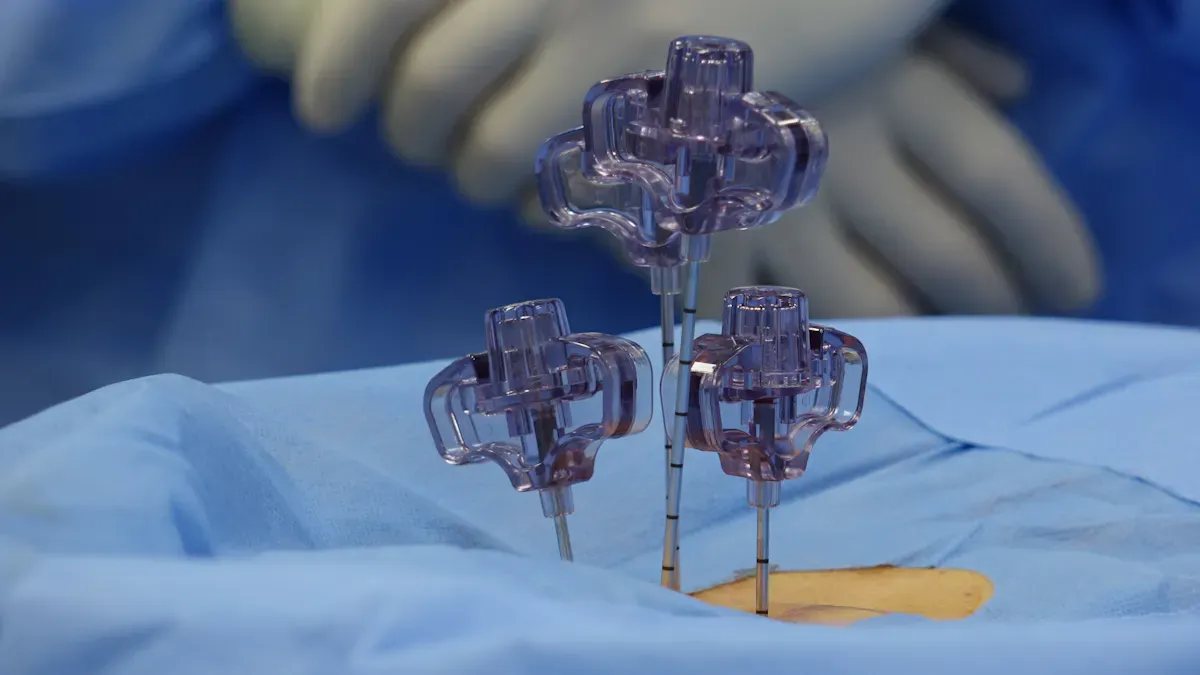
Neurovascular devices go through tough conditions in the body and during cleaning. PET heat shrink tubing is very good at standing up to chemicals. Hospitals use many cleaners and ways to make things germ-free. PET does not get weak or break when it touches these chemicals. This helps devices stay safe and work well for a long time. PET also does not melt or change shape when it gets hot. This is important when doctors clean devices with heat. Devices made with PET can handle high heat without problems. That is why PET is a smart pick for neurovascular devices.
PET heat shrink tubing follows strict medical safety rules.
It meets ISO 10993 rules, which check if it is safe for medical use.
PET passes tests that show it does not hurt cells or cause swelling, so it is safe inside blood vessels.
Makers use phthalate-free mixes and special safe colors to make PET even safer.
Note: Hospitals and doctors like PET because it keeps devices safe when they are cleaned and used. They trust PET because it works well against chemicals and heat.
Abrasion and Flame Resistance
Neurovascular devices move through small spaces and rub against things. PET and other materials help protect devices from getting scratched or worn out. The tubing works like a shield and keeps the outside smooth and safe. PET also does not catch fire easily, which makes it safer when making and using devices.
PET heat shrink tubing meets big safety rules for Class III devices. The table below shows how PET fits these rules:
Regulatory Body | Requirement Description |
|---|---|
FDA | Needs tests to make sure devices do not hurt people, following ISO 10993 rules. |
TÜV SÜD | Checks medical products for safety, using ISO 10993 and other rules. |
ISO 10993 | Gives steps for checking if materials in medical devices are safe. |
Makers pick the best ultra-thin heat shrink material to keep devices strong and safe. PET’s toughness and safety make it a great choice for neurovascular devices.
Reinforcement and Device Integrity
Structural Support Without Bulk
Neurovascular devices must be strong to work well. Ultra-thin heat shrink materials like PET help give support. They do not make the device thick or heavy. Engineers make these materials with very thin walls. The tubing stays strong even when bent or stretched. This helps the device last during hard procedures.
The table below lists important features of ultra-thin heat shrink materials used in neurovascular devices:
Feature | Specification |
|---|---|
Wall Thickness | 0.0015" – 0.003" (0.038 mm – 0.076 mm) |
Internal Surface | Smooth |
Dimensional Stability | High |
Application | Supports larger-bore and thin-wall configurations for neurovascular devices |
A smooth inside lets the device move easily in blood vessels. High dimensional stability means the tubing keeps its shape under pressure. This makes the device safe and dependable. Doctors know the device will not break or lose its shape.
Maintaining Device Profile
Ultra-thin heat shrink materials keep neurovascular devices small and simple to use. They let engineers make devices that are less invasive and more comfortable for patients. These materials also give strong electrical insulation and extra support, which is important for safety.
Devices get smaller and lighter, so they are easier to put in and take out.
The tubing gives great electrical insulation and strength.
Materials meet strict biocompatibility rules, so they are safe in the body.
Note: Keeping a slim device profile helps doctors reach hard-to-get places in the brain. Patients have less pain and heal faster. Ultra-thin heat shrink materials make these good things happen by giving strength, safety, and a thin shape.
Best Ultra-Thin Heat Shrink Material for Neurovascular Devices
Why PET Is Preferred
Engineers pick PET for neurovascular devices because it is thin and strong. PET also gives good insulation. PET is better than FEP and PVDF. FEP can handle chemicals but is not as strong as PET. PVDF can take heat and chemicals, but it cannot make thin and strong layers like PET.
PET heat shrink tubing makes a smooth and tough surface. This lets devices move easily in blood vessels. PET keeps its shape when stressed, which keeps devices safe. Doctors trust PET because it meets strict medical rules. It helps make devices smaller. The best ultra-thin heat shrink material needs to be flexible, tough, and safe for the body. PET gives all these things.
Material | Thinness | Strength | Chemical Resistance | Insulation | Biocompatibility |
|---|---|---|---|---|---|
PET | High | High | High | High | High |
FEP | Medium | Medium | High | High | High |
PVDF | Medium | Medium | High | Medium | High |
Choosing the Best Ultra-Thin Heat Shrink Material
Picking the best ultra-thin heat shrink material takes careful thinking. PET costs more because it must meet strict rules and pass many tests. These features help keep devices safe and working well. Some makers use cheaper materials, but these can make devices work worse or slow down approval.
Note: The best ultra-thin heat shrink material should protect the device. It should also help the device move easily and last a long time.
PET is still the top pick for engineers. Its mix of thinness, strength, and insulation makes it great for neurovascular devices. When safety and performance are important, PET is the best ultra-thin heat shrink material.
Marking and Electrical Insulation
Precision Marking for Procedures
Precision marking is very important in surgeries with neurovascular devices. Surgeons need clear marks to guide devices through tricky blood vessels. These marks help them put devices in the right spot. Ultra-thin heat shrink materials let makers add sharp marks that are easy to see. They do not make the device thicker or heavier. This helps surgeons follow and place devices better during surgery.
A clinical trial with PreSize® Neurovascular shows why good marking matters. Researchers use computer programs to plan surgeries and pick the right device for each patient. This lowers the chance of picking the wrong device. It also helps surgeons work faster and safer. Patients have fewer problems and get better results. Good marking makes sure every step goes as planned. This makes surgeries easier to predict and more successful.
Tip: Clear marks on neurovascular devices help surgeons avoid mistakes. They also keep patients safer and make hard surgeries easier.
Reliable Electrical Insulation
Ultra-thin heat shrink materials give strong electrical insulation. This keeps important parts of neurovascular devices safe from electrical problems. Engineers make these materials to meet tough rules. They use exact wall thickness and special shrink ratios to make tight layers. These layers keep electrical signals steady and stop unwanted currents.
The table below lists key things for electrical insulation in neurovascular devices:
Key Selection Criteria | Details |
|---|---|
Wall Thickness Precision | 0.00015"-0.008" |
Radial Shrink Ratio | 1:2 to 2:1 for tight encapsulation |
Biocompatibility | ISO 10993-certified grades |
Makers pick ultra-thin heat shrink materials that meet these needs. Devices stay safe and work well when used. Patients get care with devices that protect them from electrical risks.
Note: Good electrical insulation helps neurovascular devices work right. It keeps patients safe and helps the device do its job.
Premium ultra-thin heat shrink materials like PET help neurovascular devices bend and last longer. They also let doctors mark devices clearly. Reviews show these materials make building devices easier. They help doctors see through devices and lower the heat needed to fix them. This helps doctors do advanced medical work. The table below shows how rules like ASTM F2063 keep devices safe and working well. Engineers should pick the best ultra-thin heat shrink material to meet tough rules and keep patients safe.
Evidence Description | Importance for Device Safety and Performance |
|---|---|
ASTM F2063 sets strict rules for nitinol tubing in medical devices. | Makes sure devices work well and are safe for the body, which is important for Class III devices. |
Nitinol tubing must have the right mix of chemicals and strong parts. | Gives special shape memory and superelastic effects needed for devices to work. |
Certified nitinol tubing gets tested and checked during making. | Makes sure tubing stays strong and does not rust, which keeps devices safe. |
Medical devices with ASTM F2063 nitinol tubing bend better. | Helps devices last longer and keeps patients safe, which is very important for neurovascular uses. |
FAQ
What makes PET heat shrink tubing suitable for neurovascular devices?
PET heat shrink tubing is strong and flexible. It also stands up to chemicals. Devices stay small and easy to move with PET. Doctors like PET because it follows strict safety rules.
How does ultra-thin heat shrink material improve patient safety?
Ultra-thin heat shrink material keeps devices safe from harm. It covers sharp parts and lowers the chance of hurting vessels. Patients have safer surgeries and heal faster.
Can ultra-thin heat shrink tubing handle sterilization processes?
Yes, PET and similar materials can handle heat and chemicals used for cleaning. Devices stay safe and work well after being cleaned.
Why do engineers prefer PET over other materials like FEP or PVDF?
Material | Flexibility | Strength | Biocompatibility |
|---|---|---|---|
PET | High | High | High |
FEP | Medium | Medium | High |
PVDF | Medium | Medium | High |
Engineers pick PET because it is thinner, stronger, and safer.
See Also
The Importance of Ultra-Thin PET Tubing in Medical Applications
New Developments in FEP Tubing for Healthcare Devices
The Significance of Gamma Resistant Tubing in Healthcare

© Copyright 2024 My First Blog - All Rights Reserved.