The best ultra-thin heat shrink material for Class III neurovascular devices

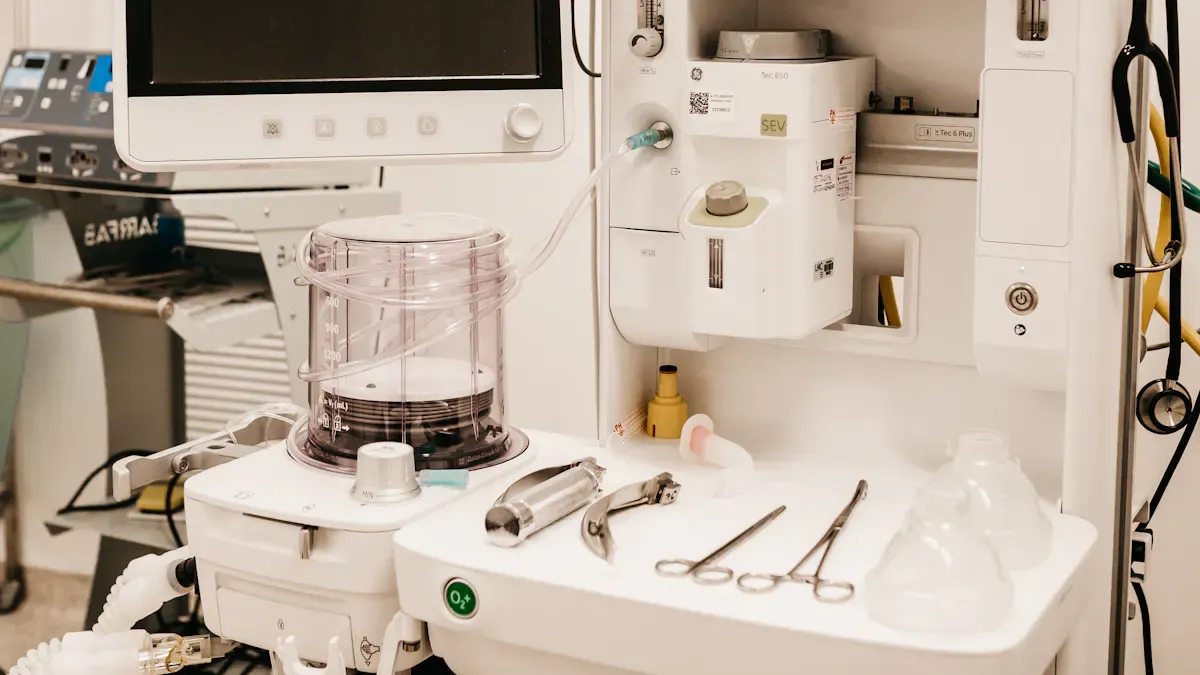
You need the best ultra-thin heat shrink material for Class III neurovascular devices. PET (polyester) gives you great strength. It also gives you reliable insulation. PET is proven to work well with the body. Regulatory bodies trust PET. This means you can feel safe about your device. Your material choice affects how your device works. Choosing PET helps you meet the highest standards.
Key Takeaways
Pick PET for neurovascular devices. It is strong and flexible. It is safe and meets tough medical rules.
PET heat shrink tubing is very thin. Its walls can be as small as 0.00015 inches. This accuracy helps make smaller and better devices.
PET passes hard biocompatibility tests. It is safe to use in the body for a long time. It does not cause bad reactions.
The material is simple to clean. You can use autoclaving or gamma radiation. It keeps its strength and shape after cleaning.
PET has a smooth surface. This lowers friction. Devices can move easily through blood vessels. This makes patients safer.
Key Requirements
Biocompatibility and Safety
Every material in your neurovascular device must be safe. PET is special because it passes tough tests for implants. Rules say you must follow ISO-10993 for biocompatibility. You also need to check for cancer risk and keep sterilization residues low. For neurovascular devices, endotoxin levels must stay very low. The table below shows these important rules:
Standard | Requirement |
|---|---|
Biocompatibility | Select tests for implant devices with tissue/bone and blood contact as per ISO-10993. |
Carcinogenicity | Conduct studies if a positive genotoxicity test result is obtained. |
EO Sterilization | Provide biocompatibility data for EO-sterilized devices and ensure sterilant residue levels are safe. |
Pyrogenicity | Endotoxin levels must be < 0.06 EU/mL for neurovascular devices and < 0.5 EU for vascular devices. |
PET passes both lab and animal tests. These include cytotoxicity, skin sensitization, irritation, and hemocompatibility. These tests show PET will not hurt patients or cause bad reactions.
Flexibility and Strength
Your device must move easily in small blood vessels. PET heat shrink tubing gives flexibility and strength together. It adds stiffness for support but does not make the device big. Top PET liners, like Junkosha, have high tensile strength and do not stretch much. This helps your device keep its shape when used. The smooth inside surface stops snagging, so you can use your device safely.
PET adds stiffness without extra size.
High tensile strength reduces risk of elongation.
Lubricious surfaces lower friction and improve tracking.
Ultra-Thin Wall Precision
Neurovascular devices need to be very precise. Ultra-thin walls help keep devices small and useful. PET heat shrink tubing can be as thin as 0.00015 inch (0.0038 mm). Special machines, like SYNEO Accu-Cut and Tridex, help make tight fits and keep the tube round. The table below shows common tolerances:
Tolerance Type | Value | Application Description |
|---|---|---|
Cutting Tolerance | +/- .001” (0.025mm) | Achievable for tubing as small as 31 gage (.010” diameter) |
Dimensional Tolerance | +/- .0005” | Commonly seen in modern manufacturing processes |
CpK Requirement | +/- .0003” | Necessary to meet a CpK of 1.33 for quality assurance |
You can count on PET to give you thin, exact walls. This keeps your device safe and working well.
Best Ultra-Thin Heat Shrink Material for Neurovascular Devices
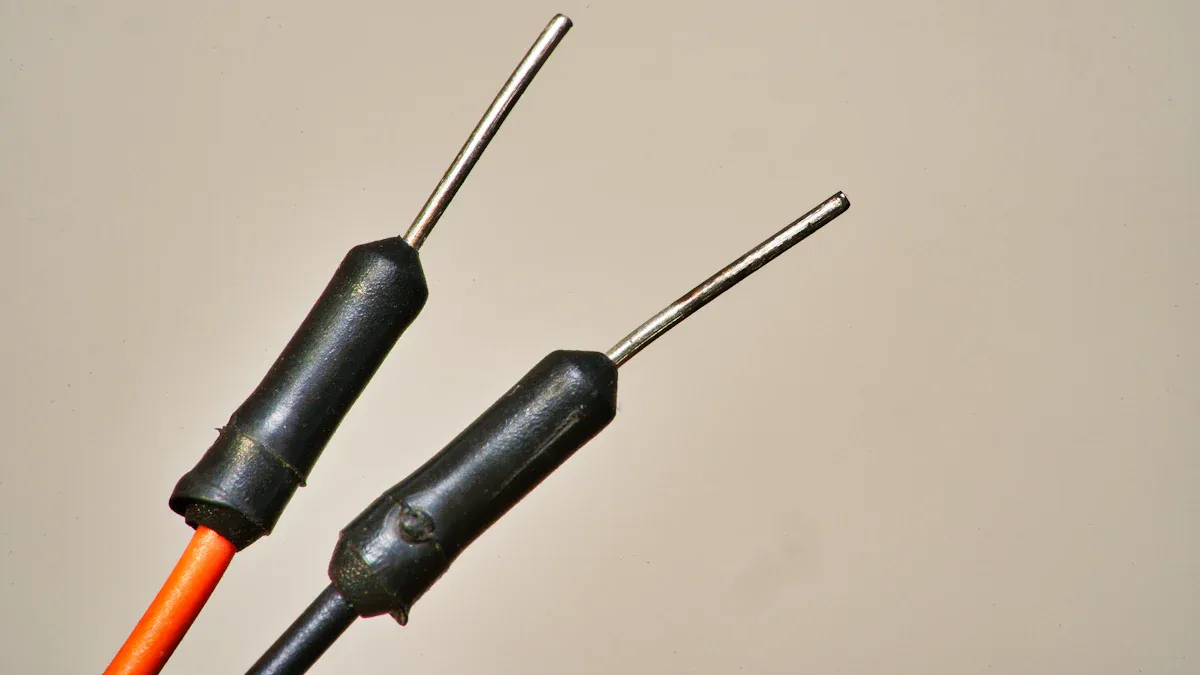
PET: Advantages and Applications
If you want the best ultra-thin heat shrink material, PET is a great choice for neurovascular devices. PET is the top pick for Class III uses. It gives you strength, flexibility, and safety that other materials do not have. PET follows strict medical rules and helps make advanced devices.
PET connects both ends of a balloon to a catheter. This makes the device stronger.
You can keep PET on your device without making it bigger.
Wall thickness goes from 0.00015" to 0.008". This keeps your device slim and accurate.
PET has a radial shrink ratio from 1:2 to 2:1. This helps you get a tight fit.
You get high dielectric strength, which is important for devices that use or sense energy.
PET adds stiffness and stops fluid leaks. This is very important for neurovascular safety.
PET gives you more than just physical help. You also feel safe because PET is strong and trusted by regulators. The table below shows how PET does in important areas:
Aspect | Evidence |
|---|---|
Durability | PET heat shrink tubing stands up to high temperatures and sterilization. Your device works after many uses. |
Biocompatibility | PET tubing passes hard tests and does not cause bad reactions with human tissue (ISO 10993). |
Regulatory Compliance | PET meets FDA rules and USP Class VI certification. You know it is safe for medical use. |
You can use PET in many neurovascular devices. It works well for microcatheters, balloon catheters, and stent delivery systems. PET’s high sensitivity and spatial resolution help you see small changes in neuroimaging. This means you get better pictures and faster results in hospitals. PET also lets you see quick neurotransmitter changes. This helps with research and treatment.
PET works with different sterilization methods. You can use autoclaving, gamma radiation, or ethylene oxide. PET keeps its shape and does not react with body fluids or tissues. You get a safe, non-toxic material for your devices.
FEP, PVDF, Polyolefin: Comparison
You might look at other materials like FEP, PVDF, or polyolefin. Each one has some good points, but none are as good as PET for Class III neurovascular devices.
FEP gives you good chemical resistance and is clear, but it is not as strong as PET. FEP does not shrink as tightly and can make your device thicker.
PVDF has chemical resistance and some flexibility, but it cannot make thin walls or bond as well as PET.
Polyolefin is easy to use and costs less, but it cannot make ultra-thin walls or give high dielectric strength for advanced devices.
The table below compares these materials:
Material | Wall Thickness Precision | Shrink Ratio | Biocompatibility | Strength | Profile Effect | Regulatory Acceptance |
|---|---|---|---|---|---|---|
PET | 0.00015"–0.008" | 1:2–2:1 | High | High | Negligible | Excellent |
FEP | 0.002"–0.010" | 1:1.3–1.6:1 | Good | Medium | Moderate | Good |
PVDF | 0.002"–0.012" | 1:1.2–1.5:1 | Good | Medium | Moderate | Good |
Polyolefin | 0.004"–0.020" | 2:1–6:1 | Moderate | Low | High | Moderate |
Tip: If you want the best ultra-thin heat shrink material for your neurovascular device, choose PET. You get the best precision, safety, and performance.
You can see that PET gives you the best mix of thinness, strength, and trust from regulators. When you need the best ultra-thin heat shrink material for important neurovascular devices, PET gives you results you can count on.
Performance and Real-World Use
Clinical Application Examples
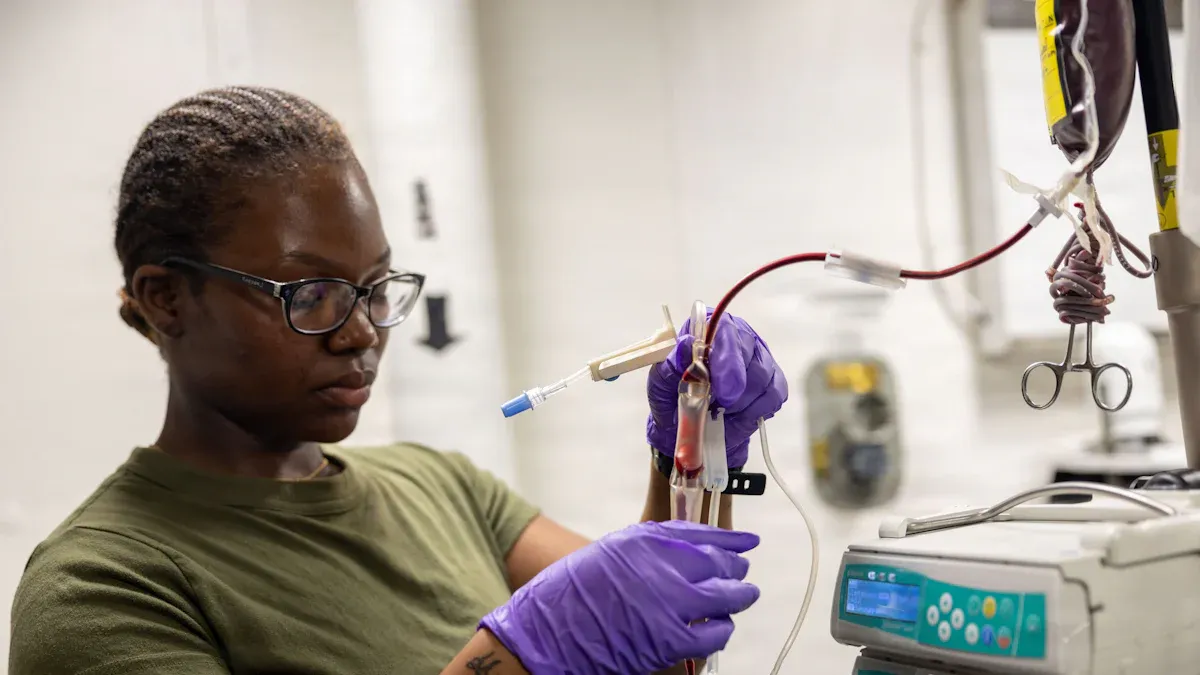
You want your neurovascular device to work every time. PET heat shrink tubing helps you reach this goal. In surgery, doctors use microcatheters and balloon catheters for strokes and aneurysms. These devices must move through tiny blood vessels safely. PET’s ultra-thin walls keep the device small and flexible. This helps doctors reach hard spots in the brain.
You also need your device to stay strong during use. PET does not stretch or tear easily. Surgeons trust PET because it leaves no residue or marks after reflow. You can see this in stent delivery systems. The PET sleeve peels off cleanly, so the stent works well. This lowers risk for the patient and helps you feel calm.
Note: PET’s smooth surface helps your device slide through vessels. This lowers the chance of hurting the vessel and helps patients get better.
Industry Insights and Case Studies
You want to know how PET works in real life. Companies pick PET because it meets tough rules. The table below shows what to check when picking heat shrink materials:
Performance Metric | Description |
|---|---|
Dimensional Stability | PET keeps its shape after many sterilizations. This helps you stay on schedule. |
Peelability | PET sleeves come off clean after reflow. This stops marks and device problems. |
Low-Friction Properties | PET is easy to remove but stays tight during heating. |
Sterilization Readiness | PET stays strong and clear. It does not let out bad chemicals when cleaned. |
Automation Compatibility | PET sleeves can be cut and colored ahead of time. This makes building devices faster. |
You can see PET used by top neurovascular device companies. For example, engineers use PET sleeves with checking systems. This makes sure every device is good quality. You get results you can trust and fewer delays. PET’s good record in hospitals and factories makes it the best choice for your next device.
You want the best ultra-thin heat shrink material for your neurovascular device. PET is a top choice because it is safe and strong. It also meets important rules from regulators. When you pick a material, think about these things:
It should not react with chemicals so it is safe for the body.
It needs to be clear so doctors can see during surgery.
It must handle high heat for cleaning.
It should not bend or kink when used in catheters.
It has to work well for small, thin devices.
It needs a surface that helps stop infection.
It must follow safety rules.
Material | Common Use Cases | Key Considerations |
|---|---|---|
PET | Neurovascular devices | Ultra-thin walls, high strength, trusted by FDA |
FEP, PVDF, others | Alternative applications | May lack precision or strength for critical devices |
Pick PET if you want your device to be safe and work well every time.
FAQ
What makes PET heat shrink tubing ideal for neurovascular devices?
PET gives you great strength and flexibility. It also has very thin walls. This material follows strict medical rules. You can trust PET to keep your device safe. It works well during important surgeries.
Can you sterilize PET heat shrink tubing with common methods?
Yes, you can clean PET with many methods. You can use autoclaving, gamma radiation, or ethylene oxide. PET stays strong and keeps its shape after cleaning. You do not need to worry about it changing or not working.
How thin can PET heat shrink tubing get?
PET heat shrink tubing can be very thin. The wall can be as small as 0.00015 inches (0.0038 mm). This helps you make smaller and more exact neurovascular devices.
Is PET tubing safe for long-term implantation?
Yes, PET is safe for long-term use in the body. It passes ISO-10993 biocompatibility tests. PET does not cause bad reactions or release harmful things in the body.
See Also
Selecting Optimal FEP Shrink Tubing for Class III Medical Devices
The Importance of Ultra-Thin PET Heat Shrink Tubing in Medical Devices
Selecting Ideal Ultra-Thin PET Heat Shrink Tubing for Your Project
The Significance of Gamma Radiation Resistant Heat Shrink Tubing
Selecting Top FEP Biocompatible Heat Shrink Tubing for Applications

© Copyright 2024 My First Blog - All Rights Reserved.